Sacred geometry is the study of geometric shapes and repeating patterns, such as circles, spirals, and the golden ratio, that reflect underlying structures in the natural world. These patterns appear across nature, art, and architecture and are commonly associated with balance, proportion, and recurring mathematical relationships within physical systems.
What is the Meaning of Sacred Geometry?
The meaning of sacred geometry is often understood as the idea that certain shapes and proportions reflect underlying patterns found throughout the natural world. These geometric forms are interpreted as expressions of structure, balance, and order in physical systems. The term “geometry” comes from the Greek words geō (earth) and metron (measure), referring to the mathematical study of space, form, and measurement (see Encyclopaedia Britannica)..
According to EBSCO, sacred geometry is considered an enlightenment and self-development practice not unlike meditation or prayer. Mathematical constants like the golden ratio (Phi, ~1.618) and the Fibonacci sequence are found all throughout the natural world, reinforcing the notion of some underlying cosmic architecture.
What are Common Sacred Geometry Symbols and Their Meanings?
Sacred geometry is expressed through a core set of symbols, each believed to carry distinct vibrational meaning.
- Flower of Life - A pattern of 19 overlapping circles considered a blueprint of creation.
- Seed of Life - A 7-circle pattern that, according to Incentre, forms the origin pattern of the Flower of Life; it’s often associated with the 7 days of creation.
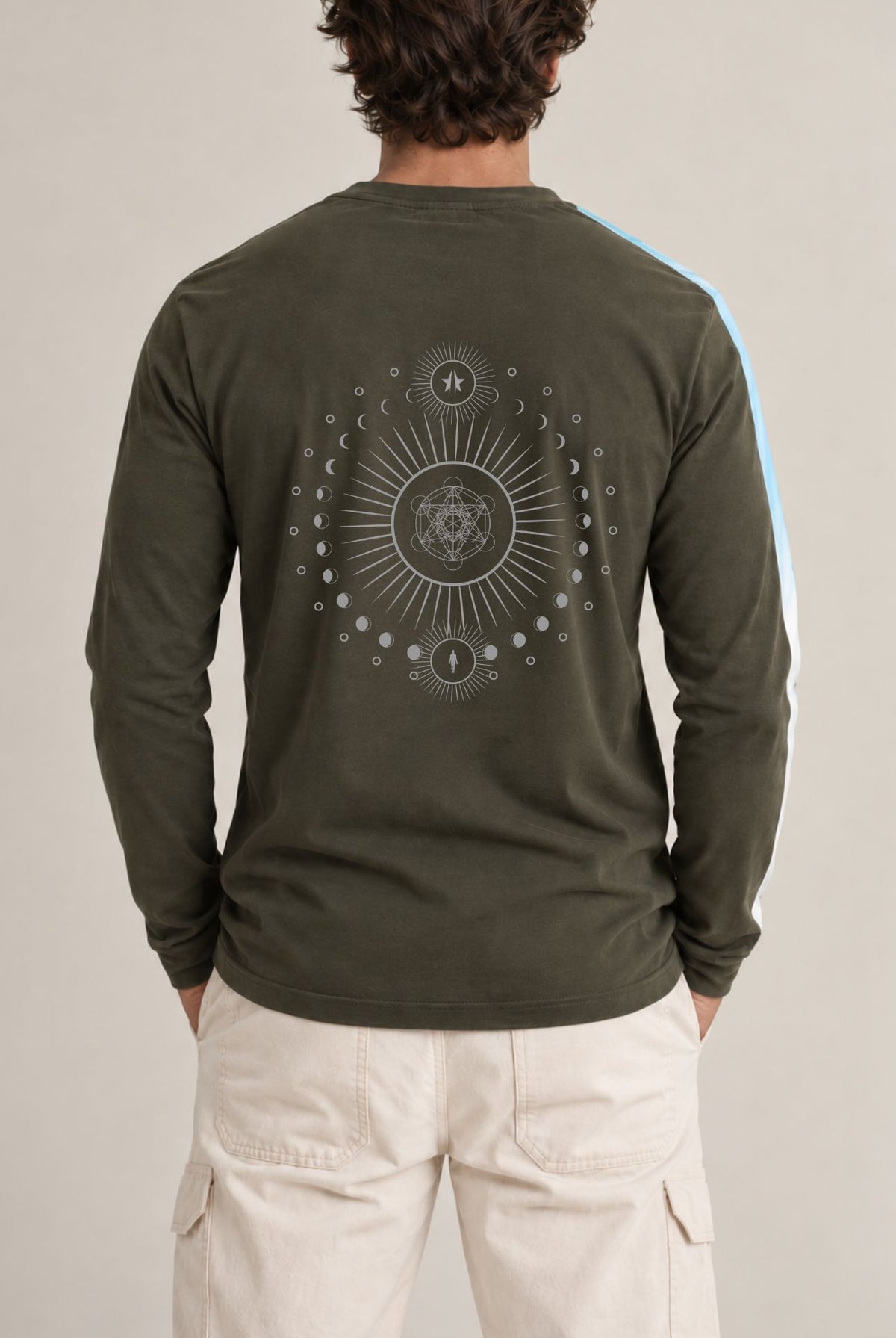
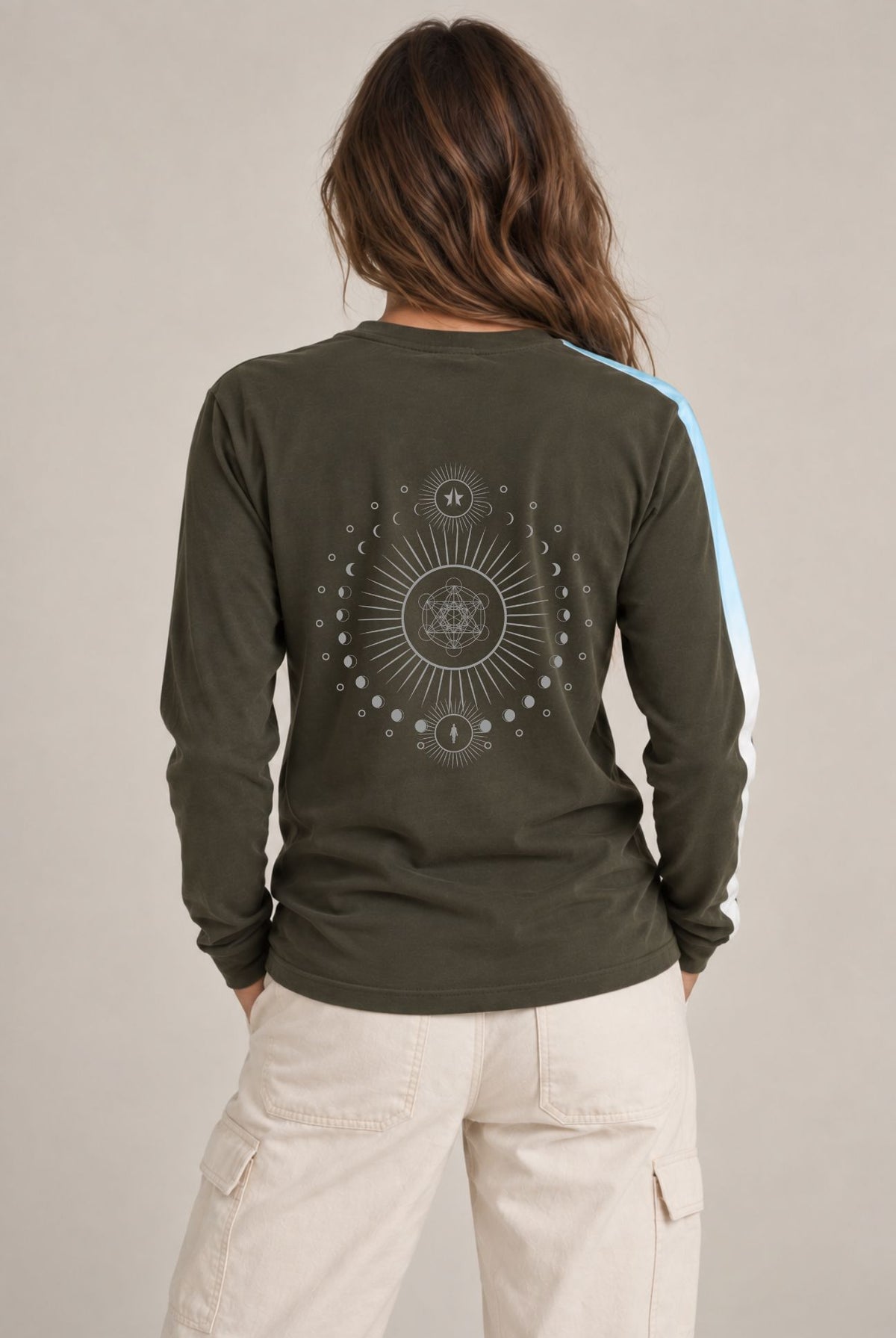
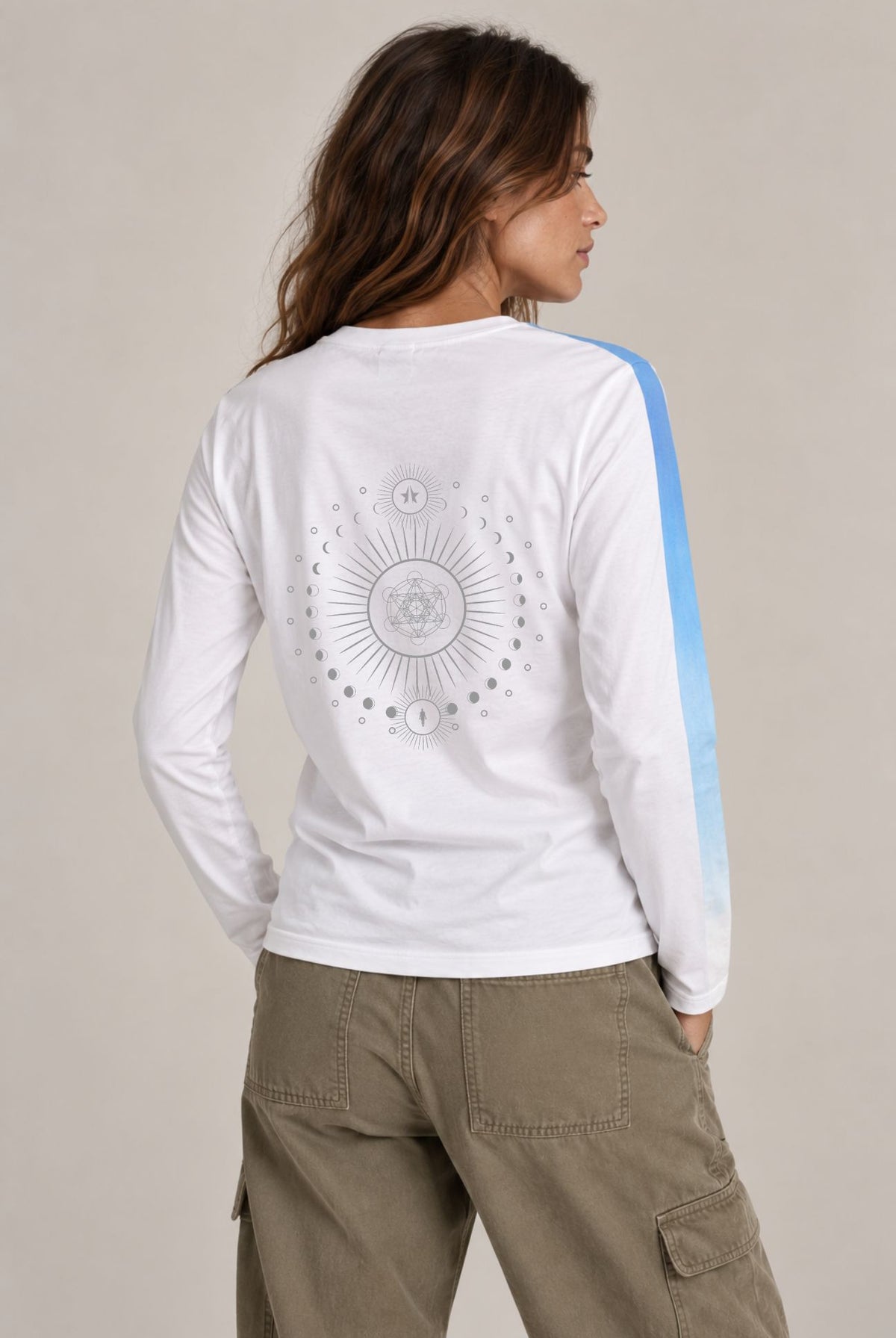
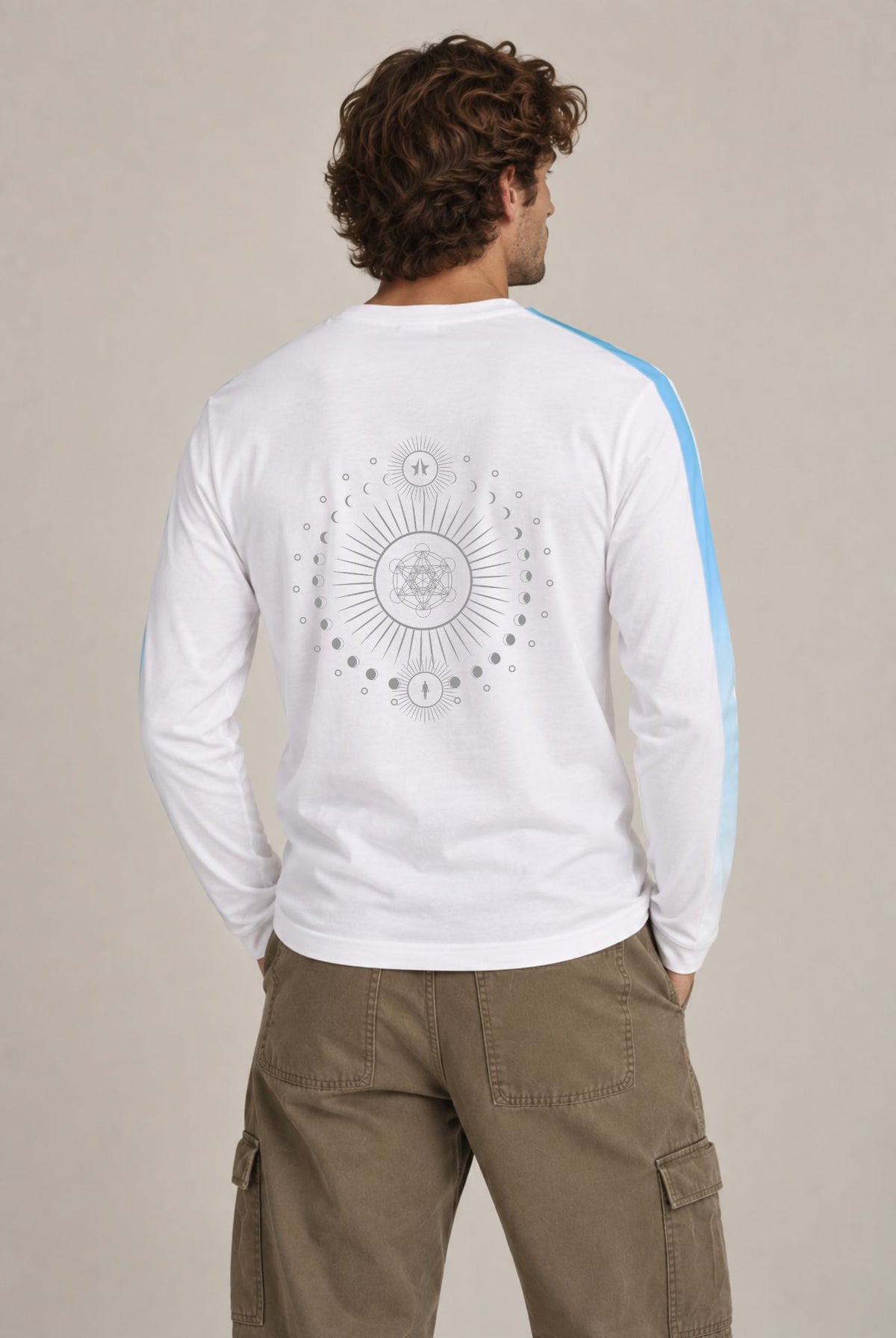
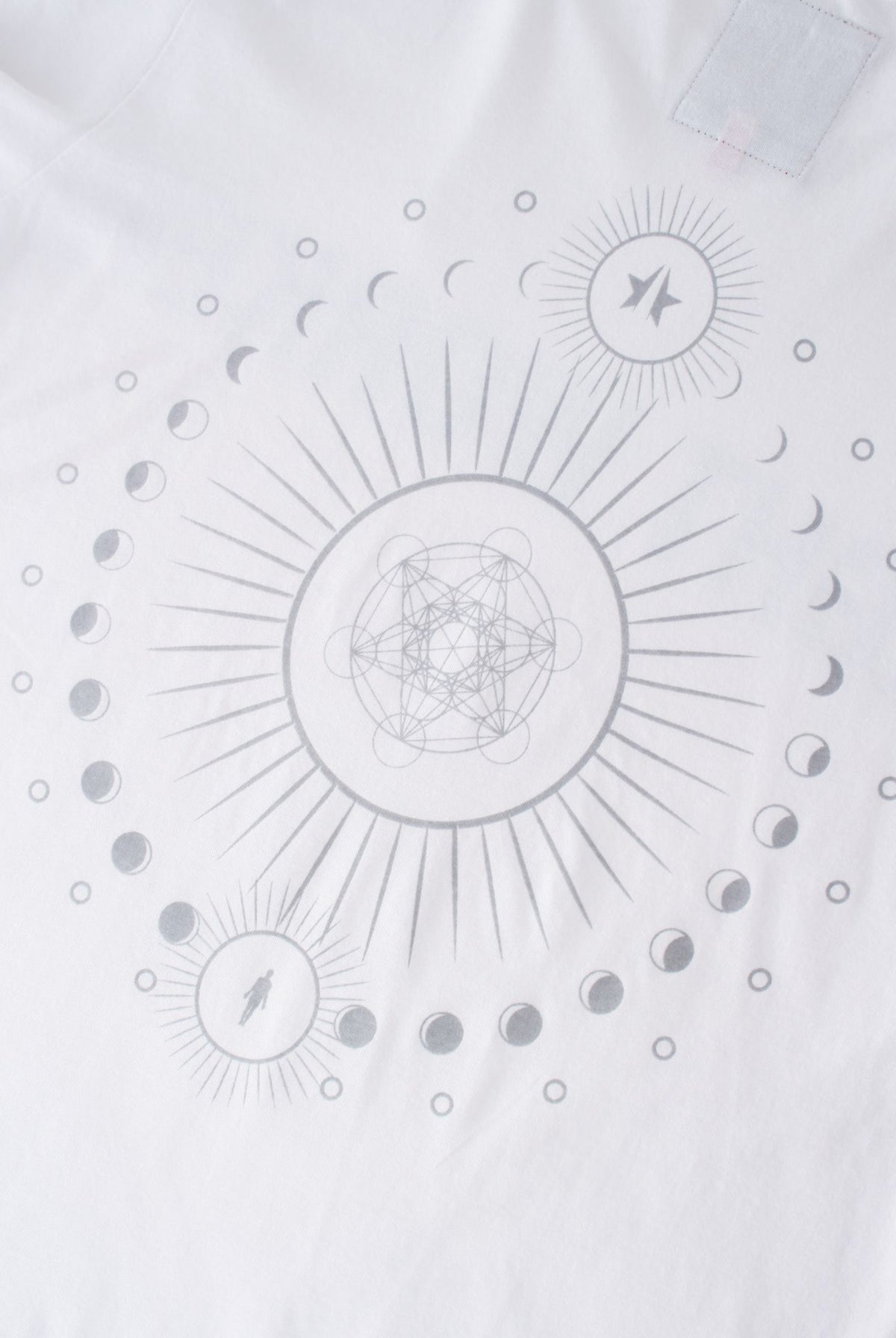
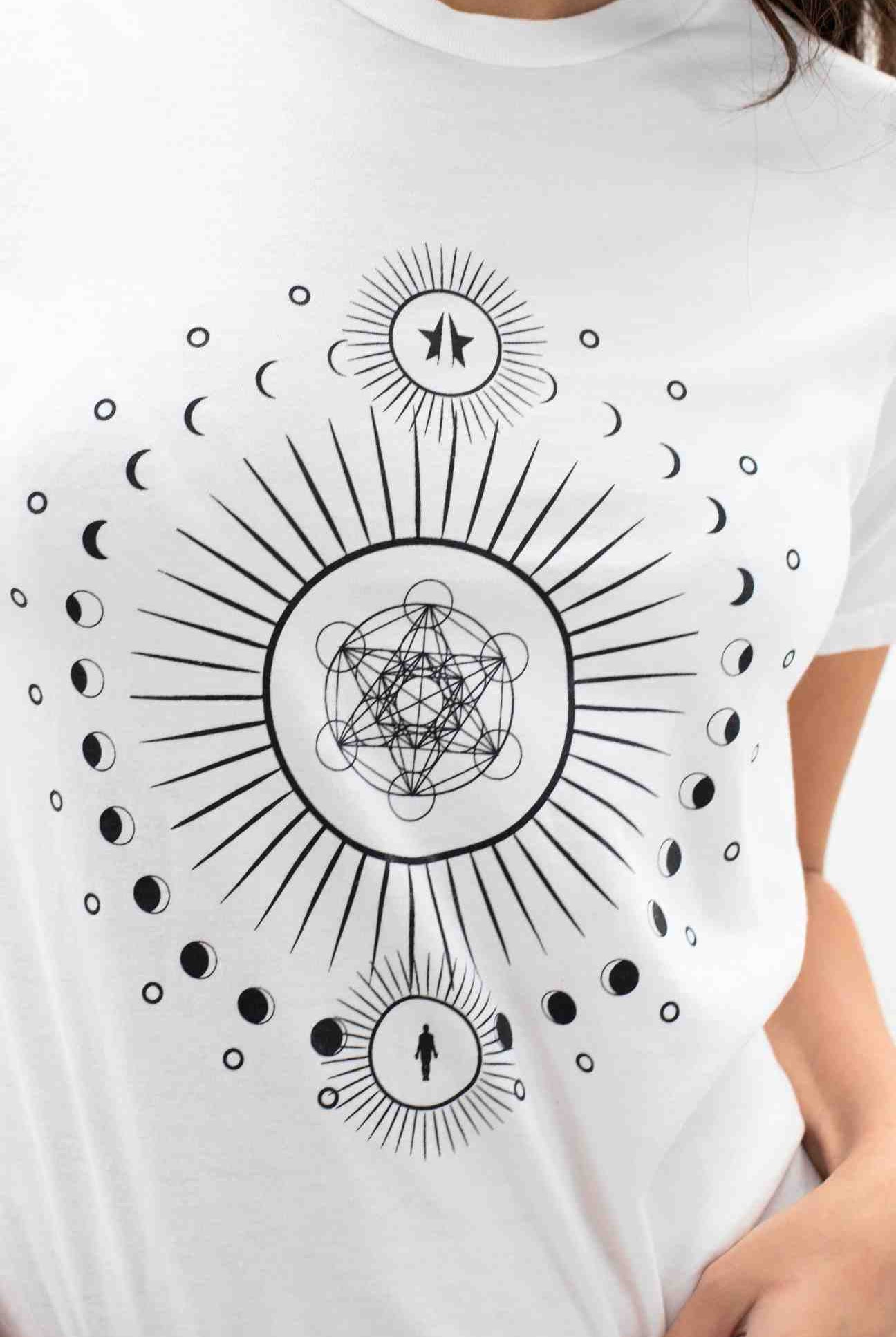
- Metatron's Cube - A 13-circle pattern containing all 5 Platonic Solids; it’s linked to Archangel Metatron and the Akashic Records.
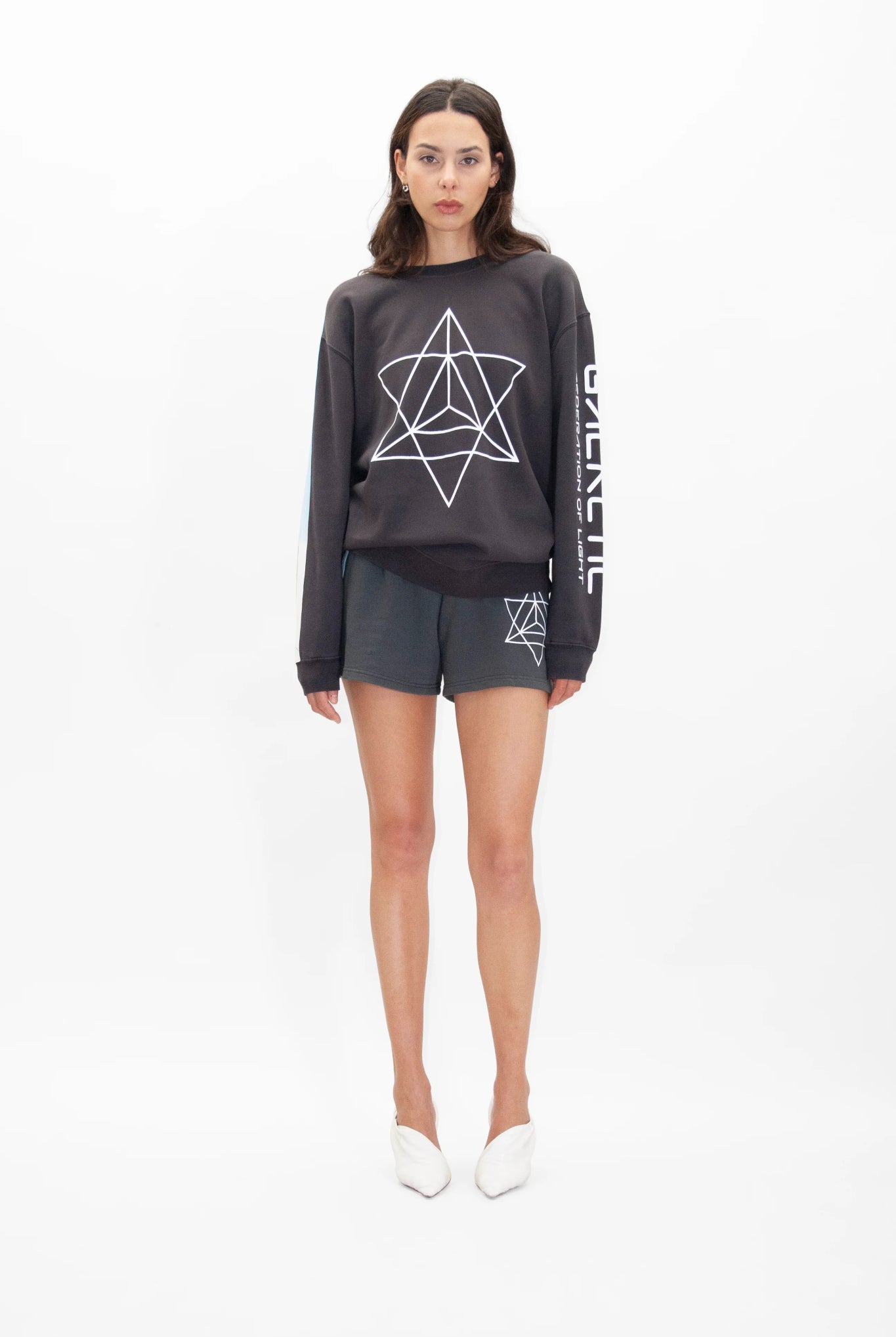
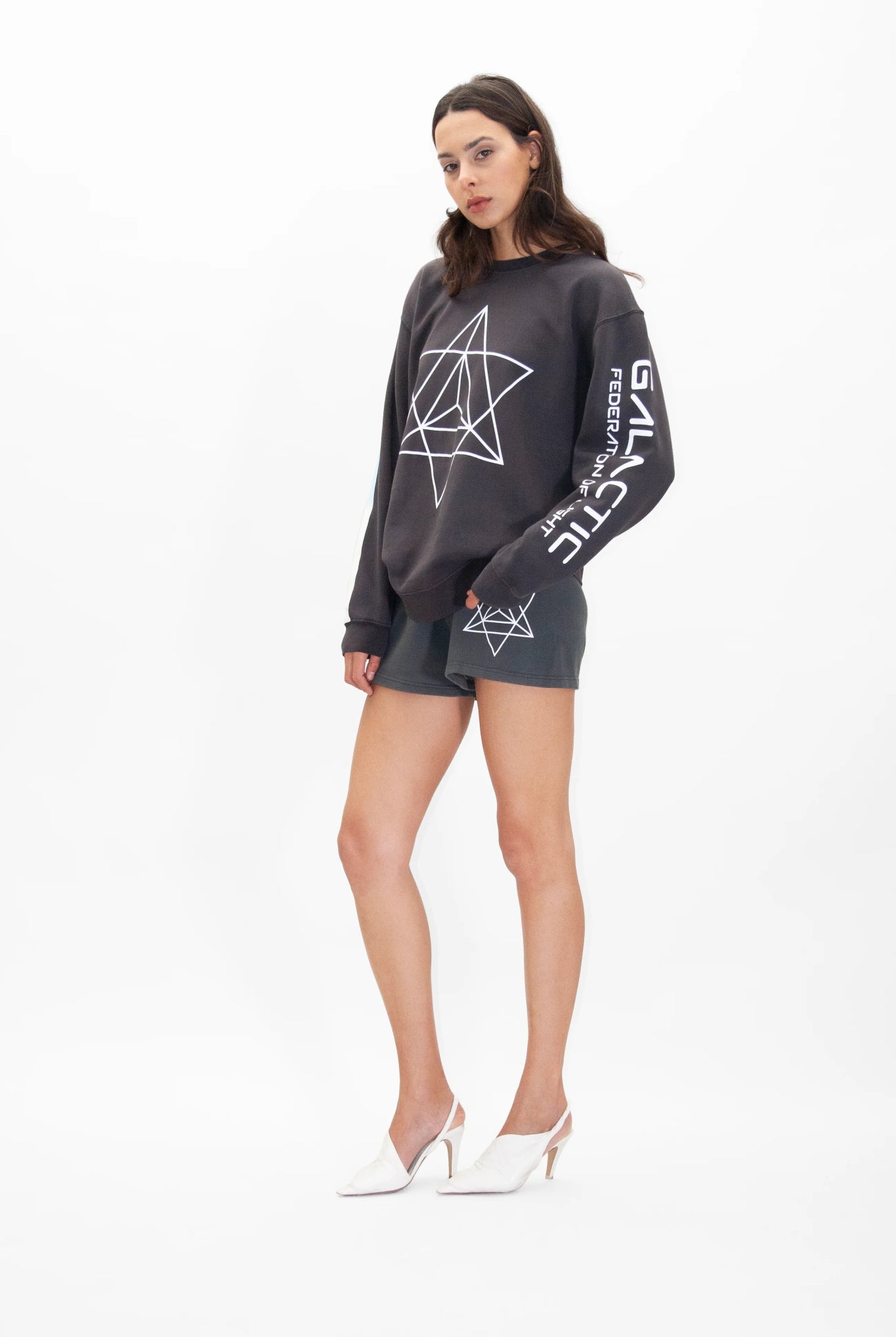
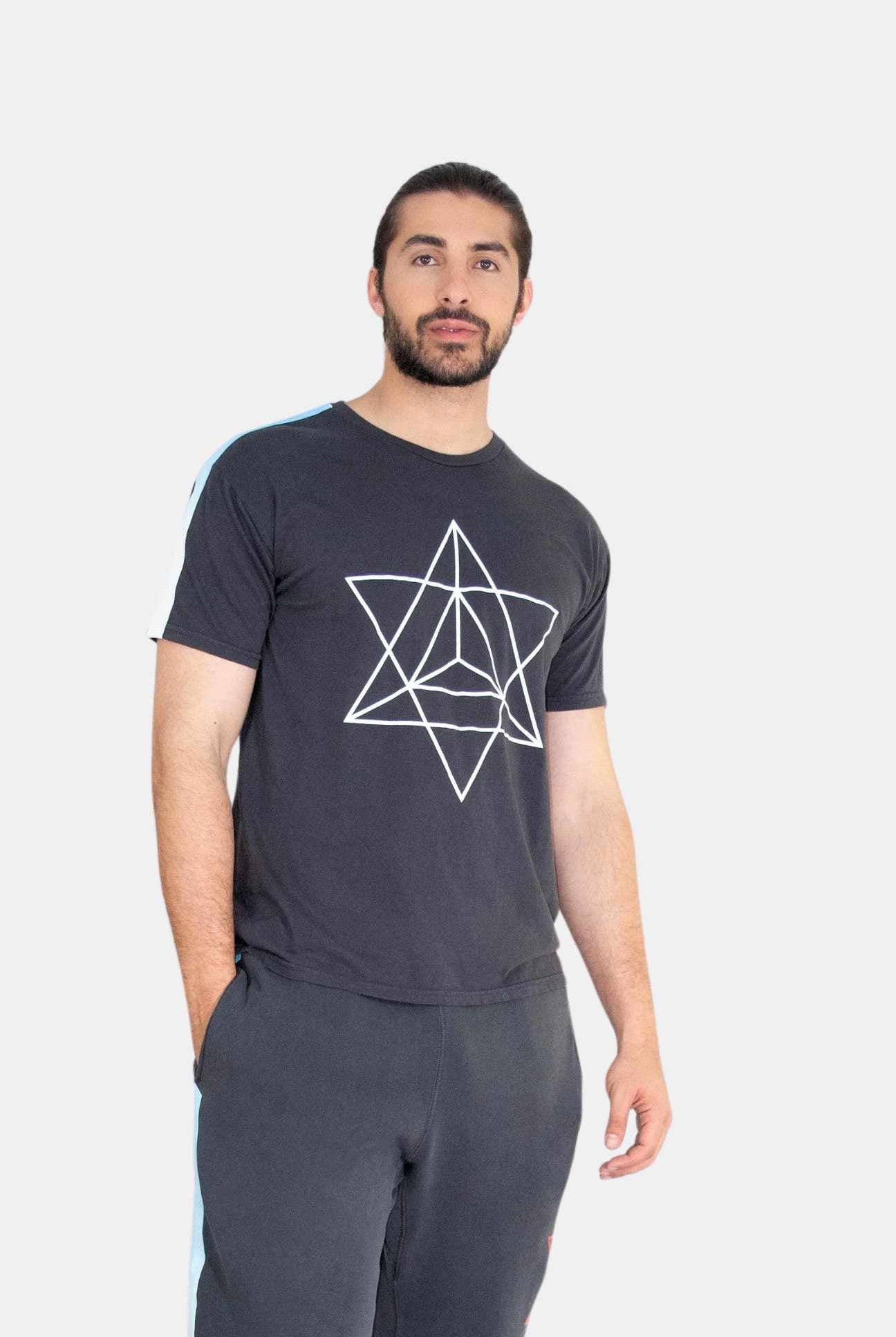
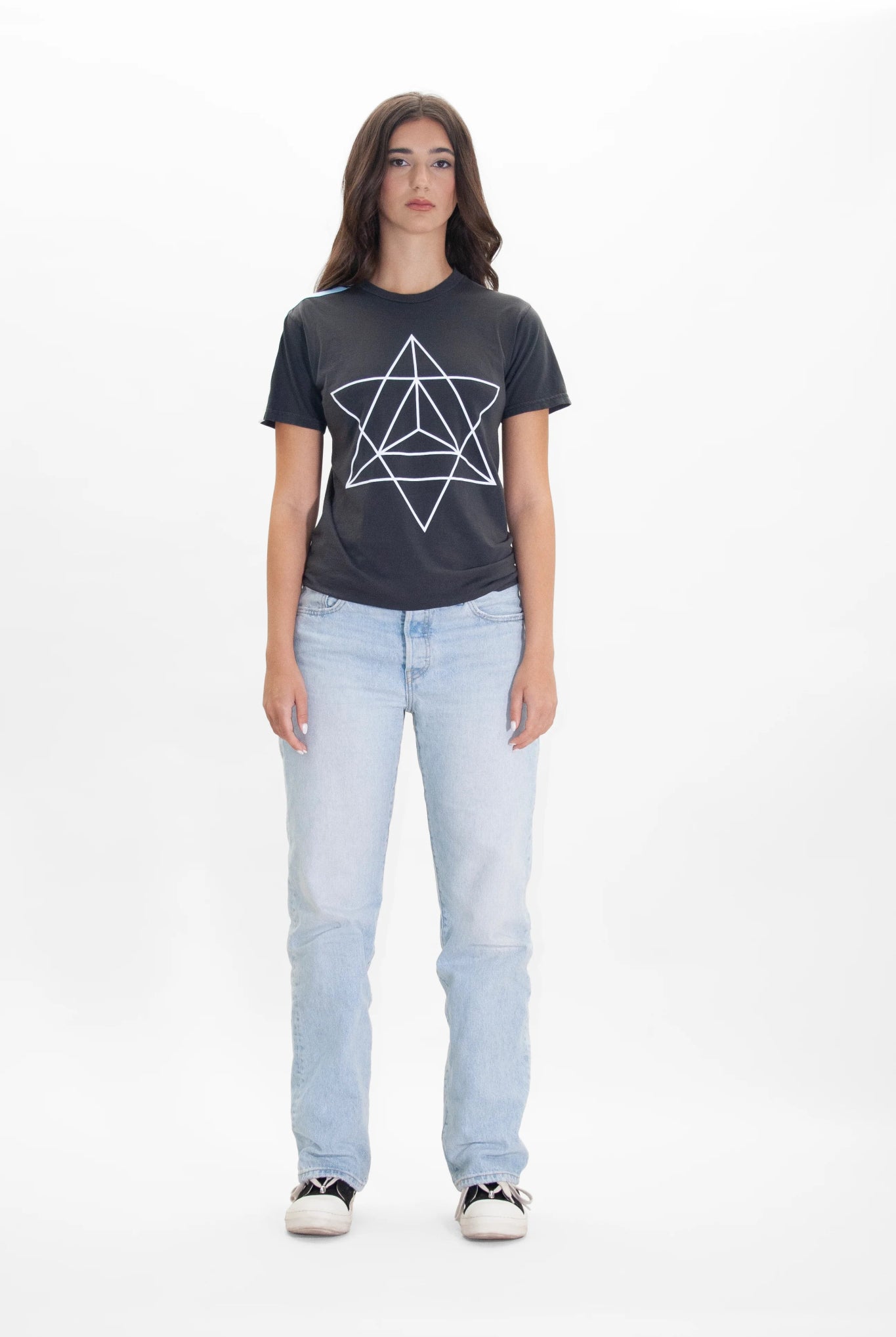
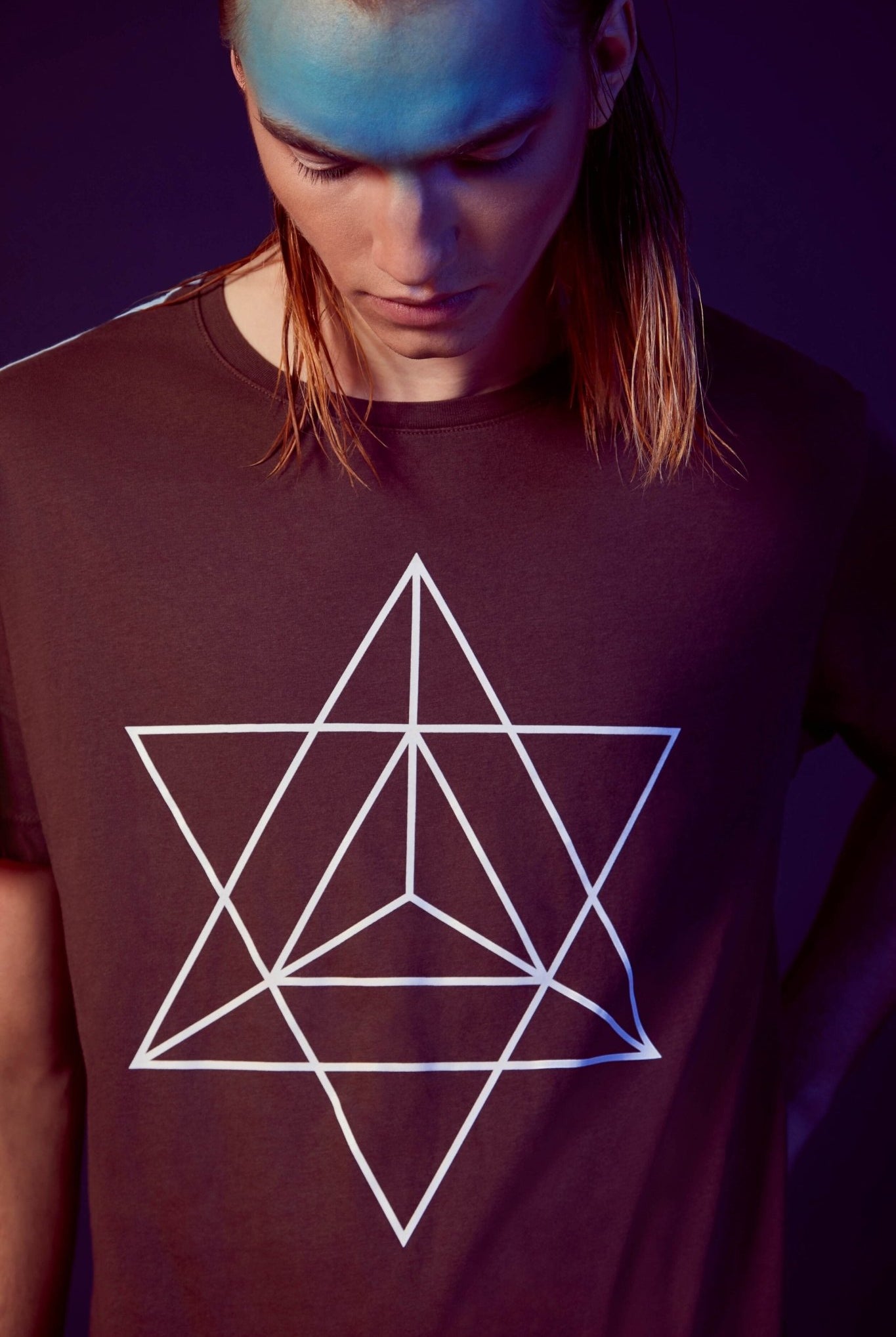
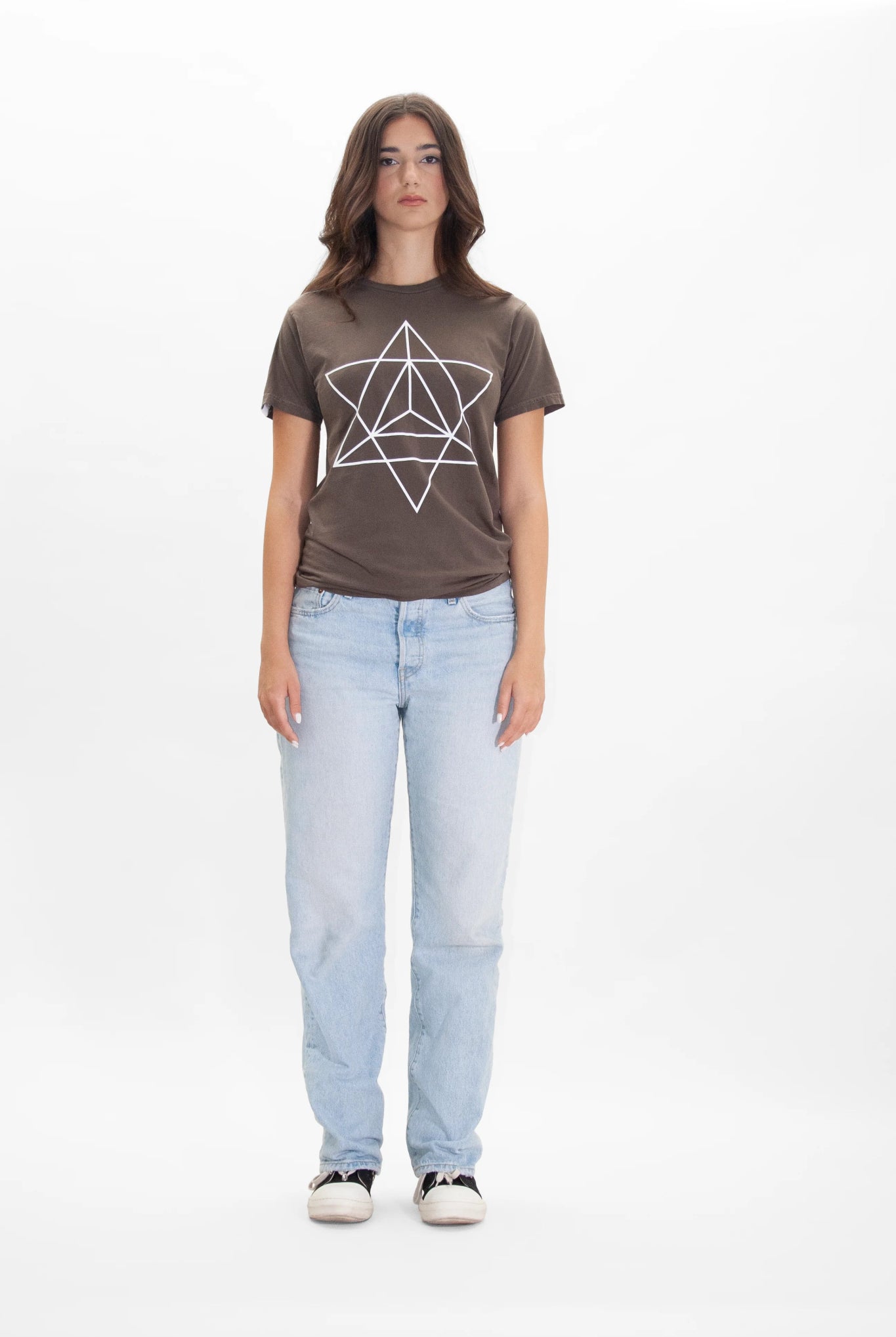
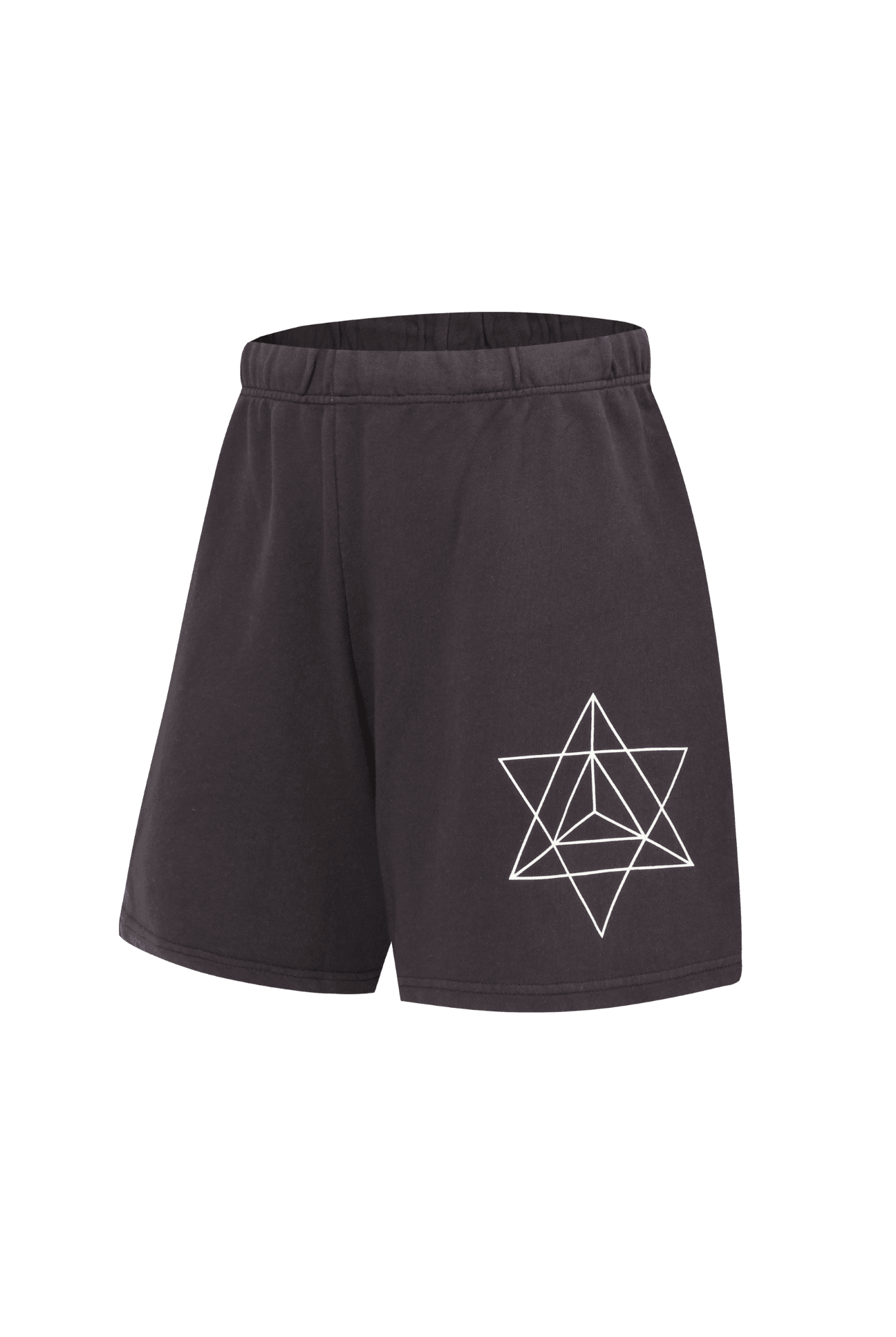
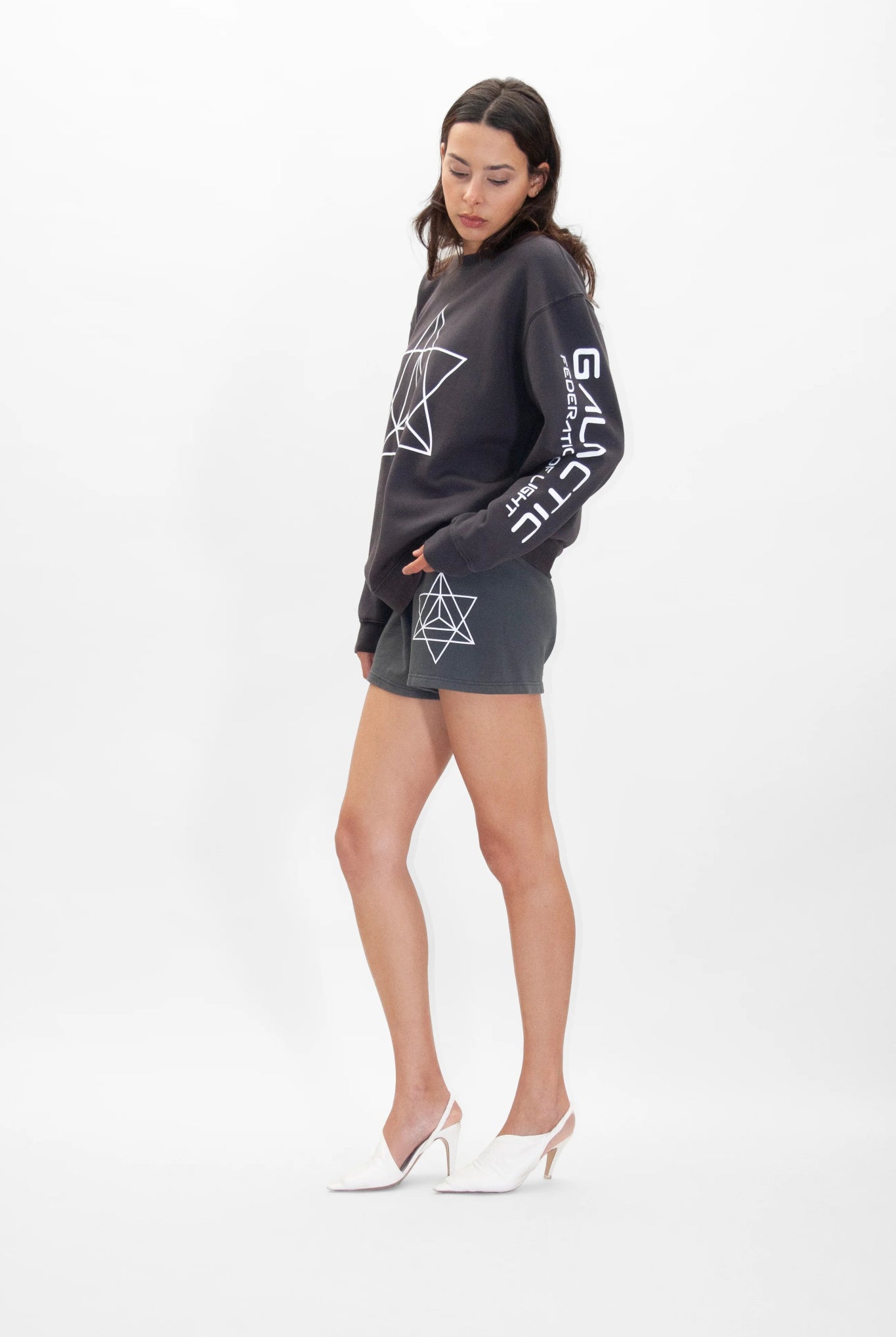
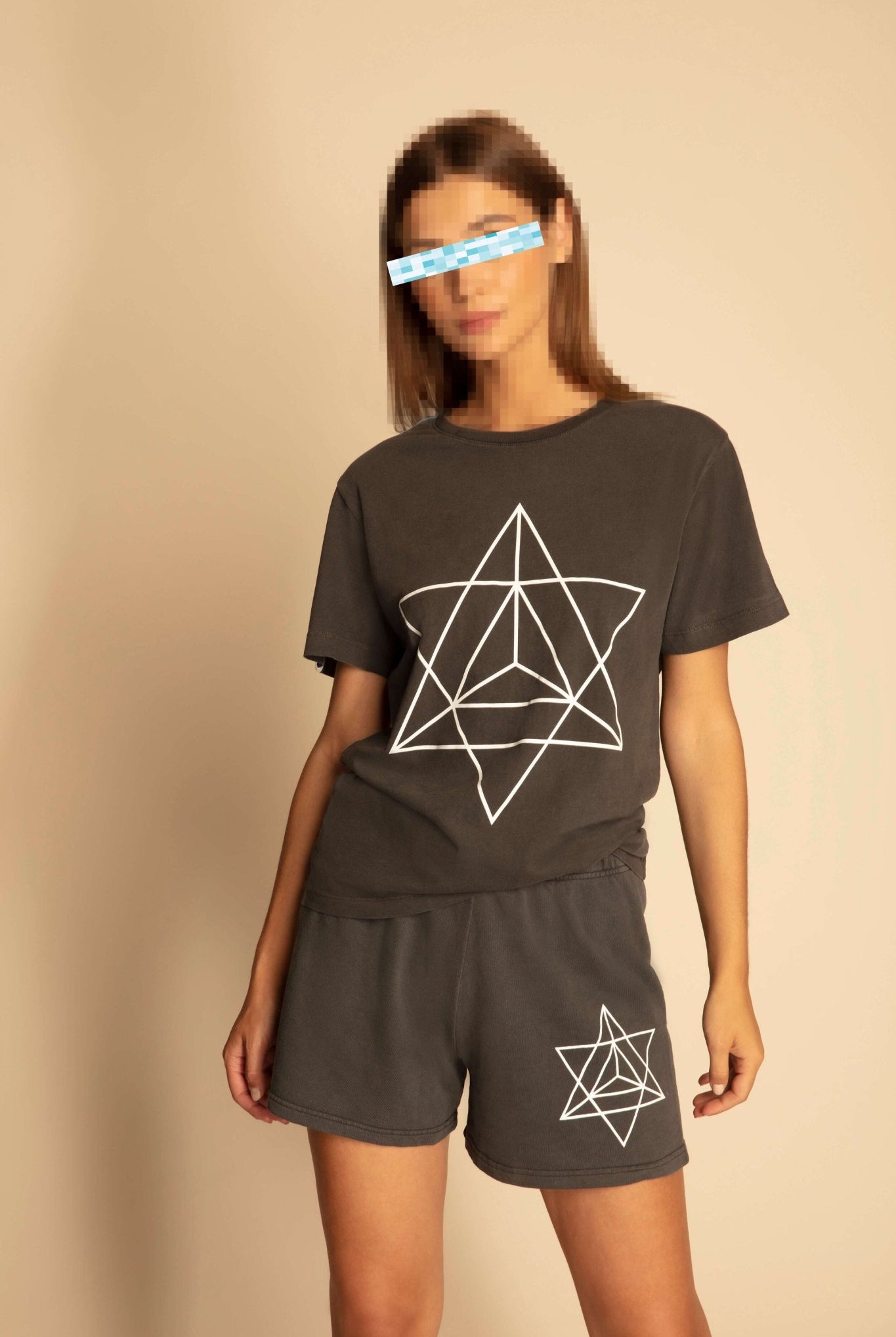
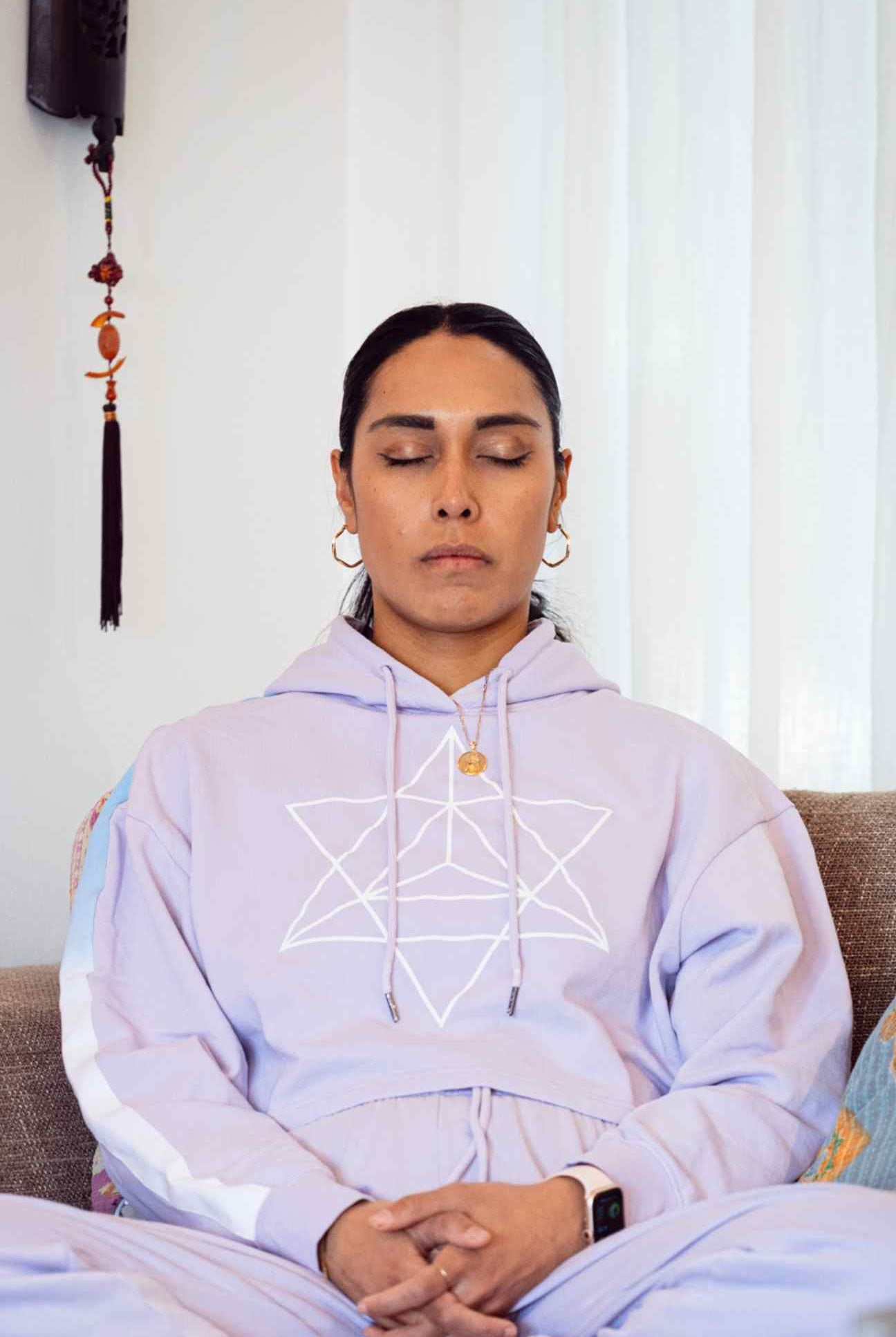
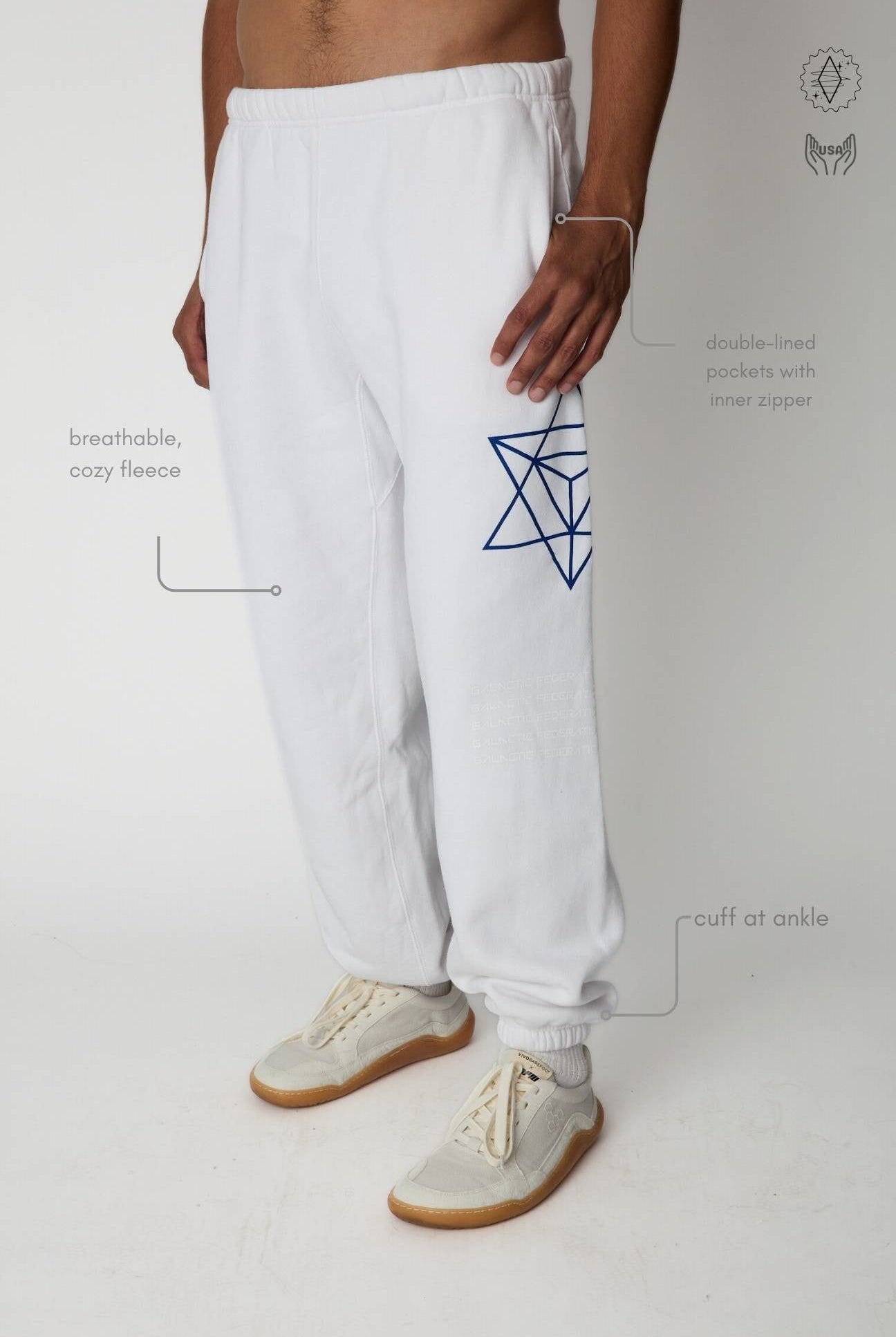
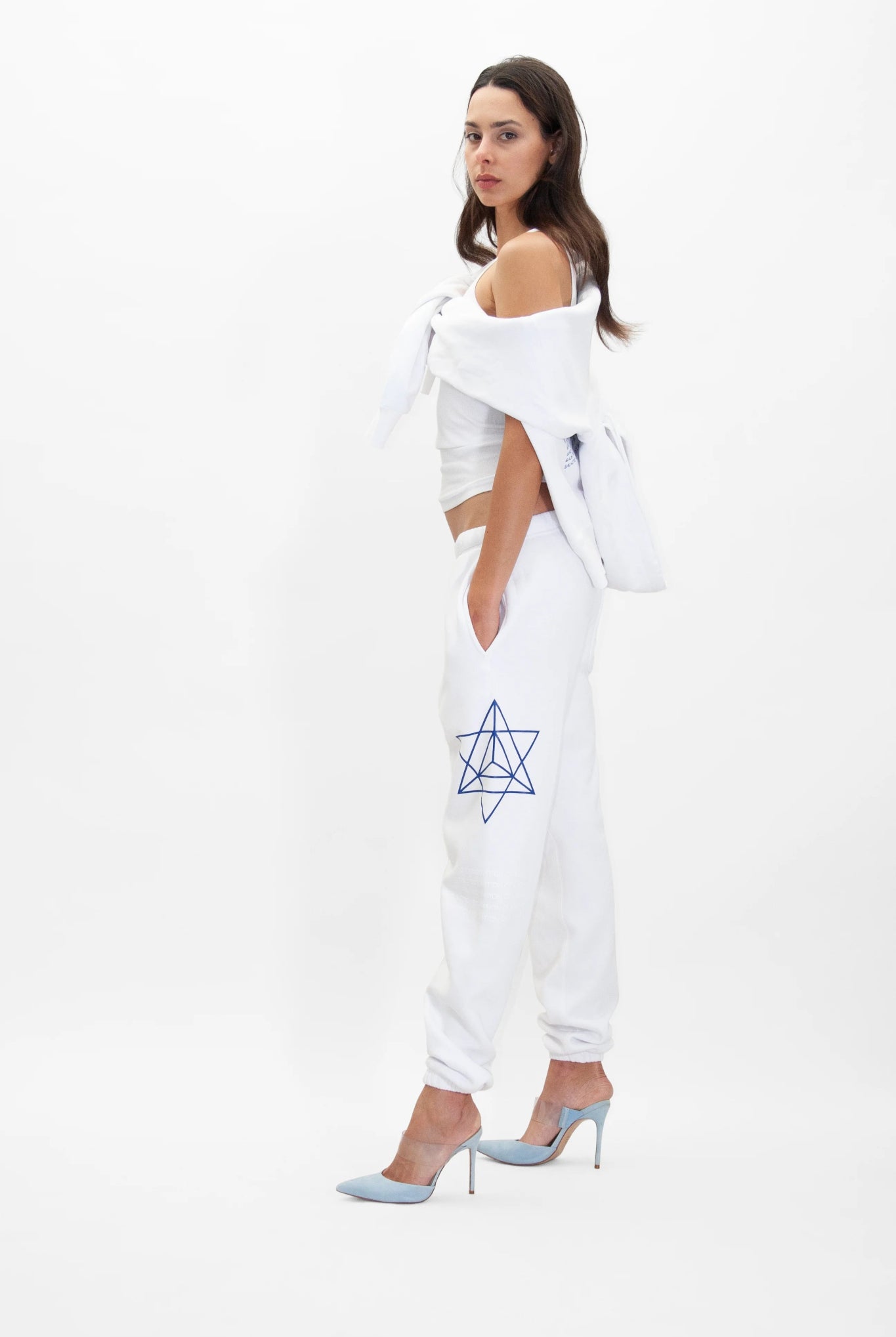
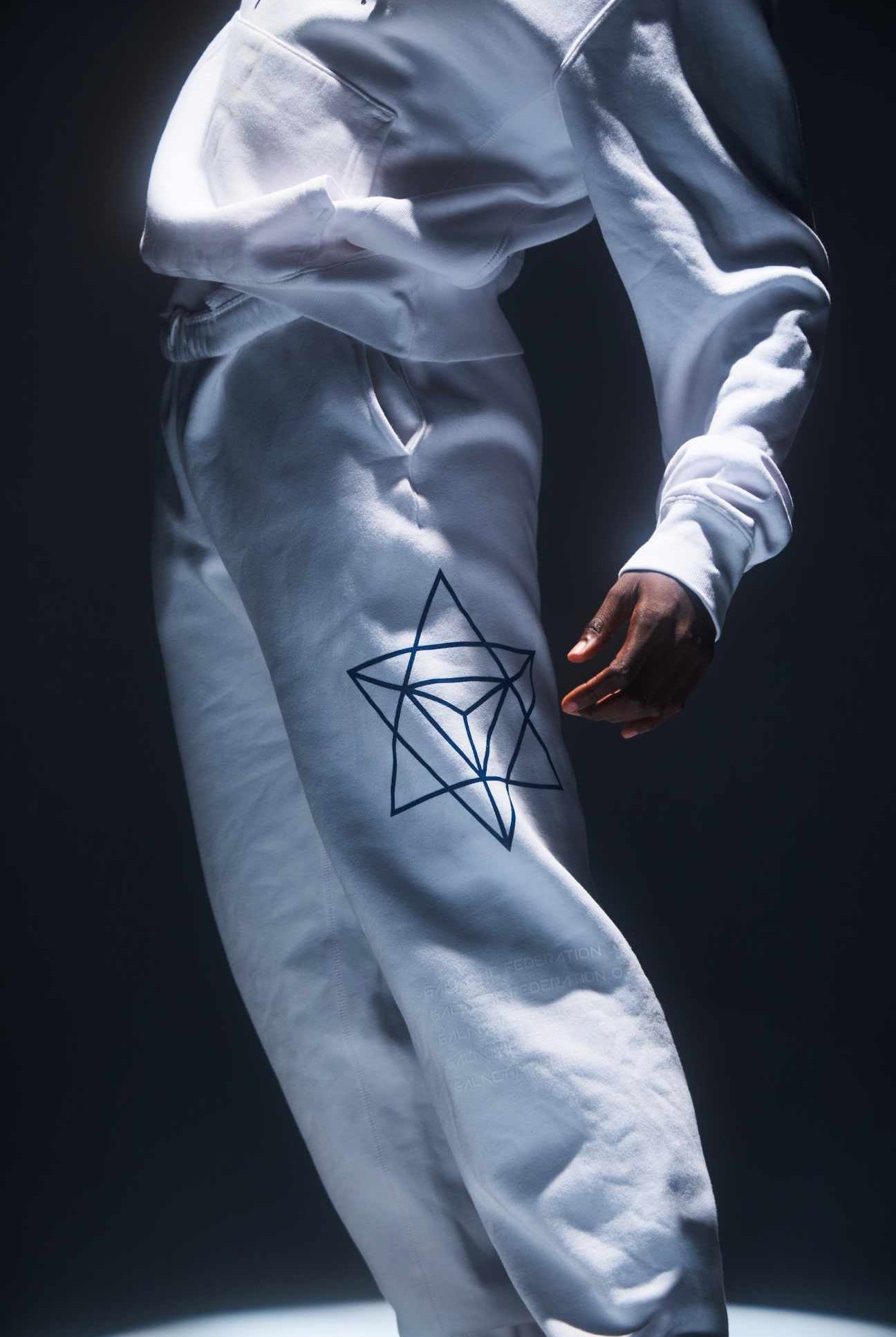
- Merkaba - 2 interlocking tetrahedra (triangular pyramids) associated with spiritual ascension, light-body activation, and chakra alignment.
- Tree of Life - A sprawling map consisting of 10 spheres connected by paths that serves as a diagram for creation and consciousness.
- Vesica Piscis - The intersection of 2 equal circles, representing divine union and providing the foundational shape from which other forms spring.
- Platonic Solids - 5 perfect 3D forms (tetrahedron, cube, octahedron, dodecahedron, icosahedron) taught in Greek Mystery Schools over 2,500 years ago.
Although no single form is universally agreed on as the most powerful sacred geometry symbol per se, the Flower of Life and Metatron's Cube are most frequently cited for their foundational role in the geometry of the universe.

What Is the Flower of Life in Sacred Geometry?
The Flower of Life is perhaps the most widely recognized sacred geometry symbol, characterized by its 19 equally-spaced, overlapping circles arranged in a hexagonal pattern (and often enclosed in a larger circle). According to mindbodygreen, some of the oldest examples are found at the Temple of Osiris at Abydos, Egypt, and historians have been able to date it back to at least 645 B.C.E. through Assyrian artifacts.
The Flower’s universality is clear in its far-reaching cross-cultural appearances, spanning Egyptian temples, Jewish synagogues, Buddhist temples in East Asia, the Forbidden City in Beijing, and Mayan ruins. It contains several nested symbols, including the Seed of Life, Vesica Piscis, Egg of Life, Fruit of Life, Metatron's Cube, and all 5 Platonic Solids. According to Invaluable, Leonardo da Vinci famously studied the Flower and its mathematical properties, connecting it to the golden ratio and the Vitruvian Man.
Spiritually, it represents the divine cycle of creation and the notion that all consciousness arises from a single unified source.
What Is Sacred Geometry Used For?
Historically, sacred geometry was used throughout the architecture of ancient Egyptian pyramids, Greek sanctuaries, Gothic cathedrals, Islamic mosques, Hindu temples, and Buddhist stupas, believed to encode cosmic order into the physical structures per the Spiritual Arts Foundation. Leonardo da Vinci and Renaissance architects applied mathematical proportions, including the golden ratio, to create visually balanced structures, while scholars have debated its influence in art and music, including compositions attributed to Wolfgang Amadeus Mozart, though evidence of deliberate use in music remains inconclusive, as discussed in The Golden Ratio by Mario Livio (https://books.google.com/books?id=9vHh0C9Q9YcC).
In modern spiritual practice, sacred geometry’s used for:
- Meditation - focusing on geometric forms to deepen awareness and access higher consciousness.
- Crystal grids - arranging crystals in sacred geometric formations to amplify intention and healing energy.
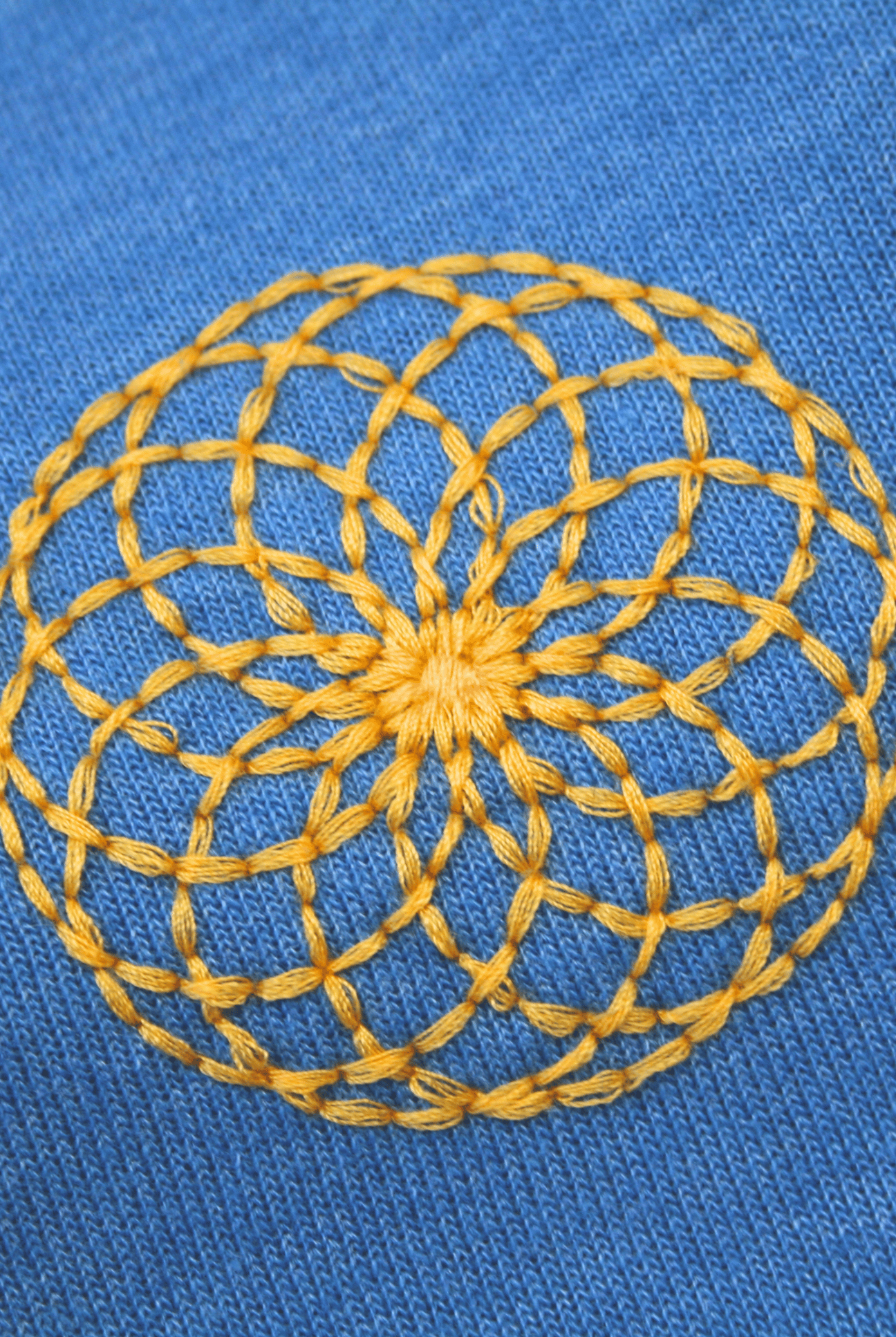
- Mandala creation - drawing or coloring mandalas as a mindfulness and self-inquiry tool.
- Energy healing - aligning chakras using geometric shapes and their associated vibrational frequencies.
- Sacred space design - incorporating symbols into home, workspace, or clothing to maintain high-frequency environments.
What Is Sacred Geometry Healing?
Sacred geometry healing is the practice of using geometric forms and their vibrational frequencies to support physical, emotional, and spiritual balance. The practice is grounded in the observation that biological structures, including the DNA double helix, muscle contraction patterns, and cellular structures, all follow sacred geometric principles.
In the 1980s, according to the Vesica Institute, Professor Robert Moon at the University of Chicago demonstrated in the 1980s that the Periodic Table of Elements maps onto the 5 Platonic Solids, a scientific echo of what ancient Greek Mystery Schools had been teaching 2,500 years earlier. Further, cymatics, the study of visible sound vibration patterns, shows that sound frequencies can produce geometric shapes in materials such as water or sand, illustrating a relationship between vibration and form (see Encyclopaedia Britannica).
Some practical healing applications include:
- Meditating on the Flower of Life to raise energetic frequency.
- Using crystal grids arranged in geometric formations to amplify healing intentions.
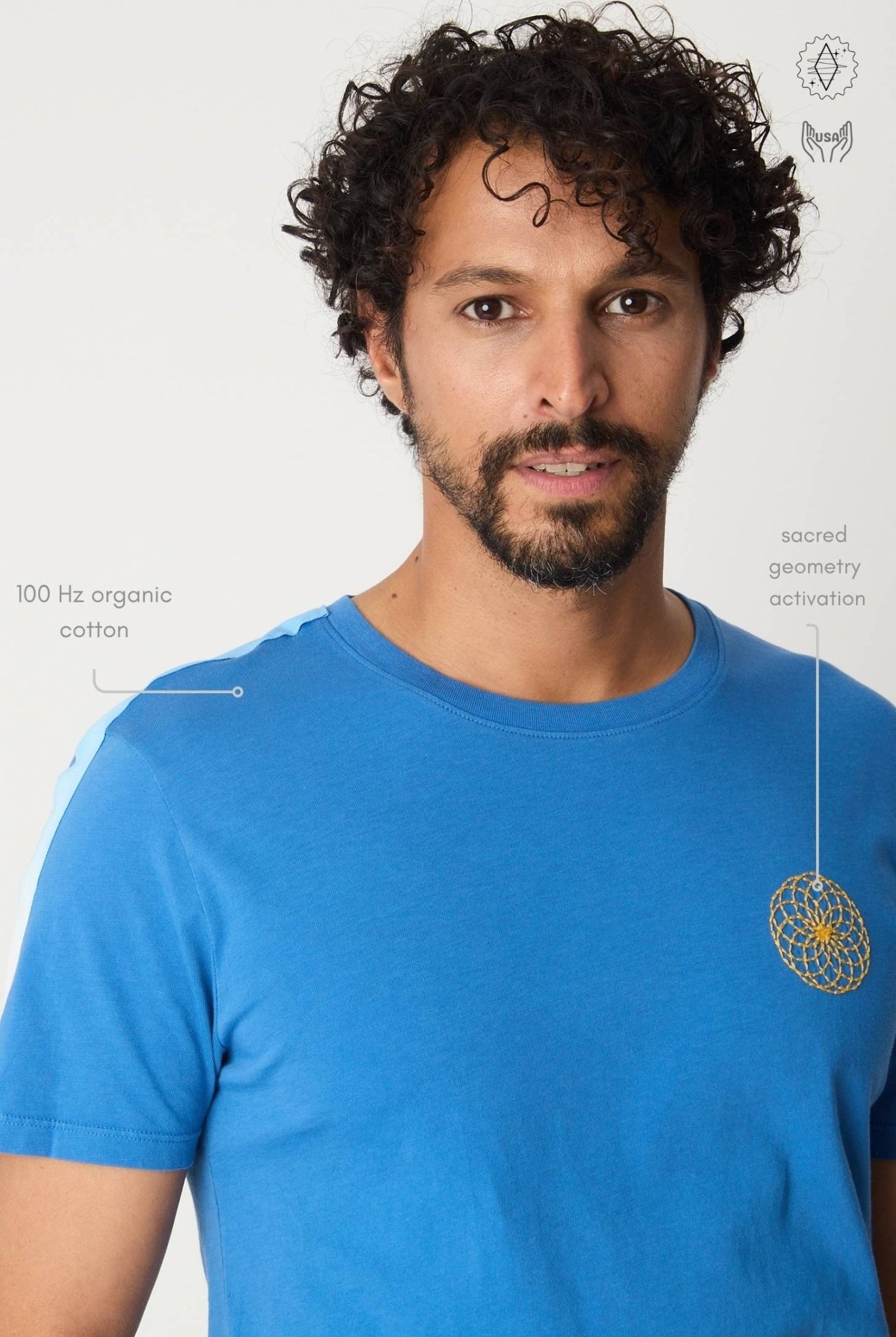
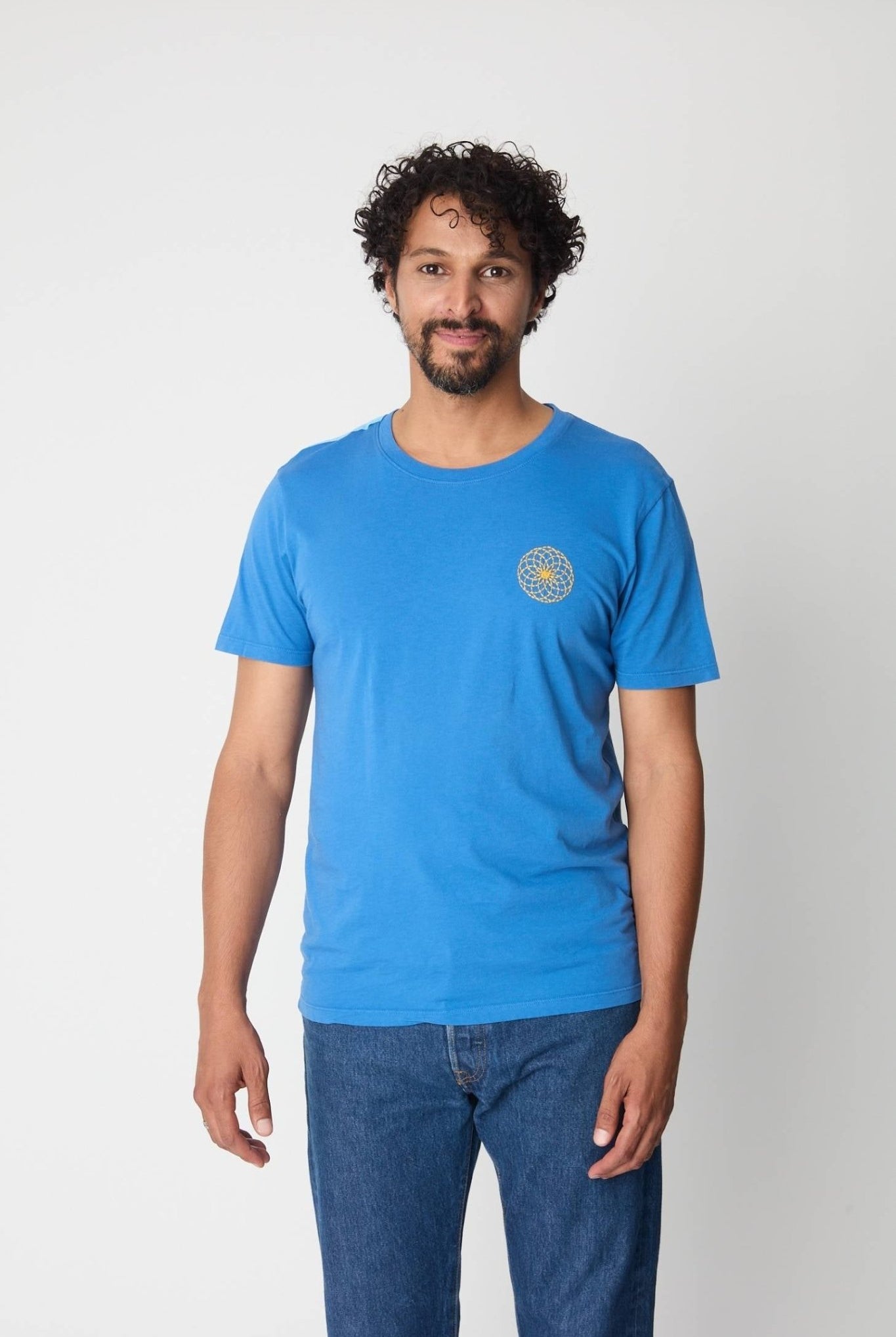
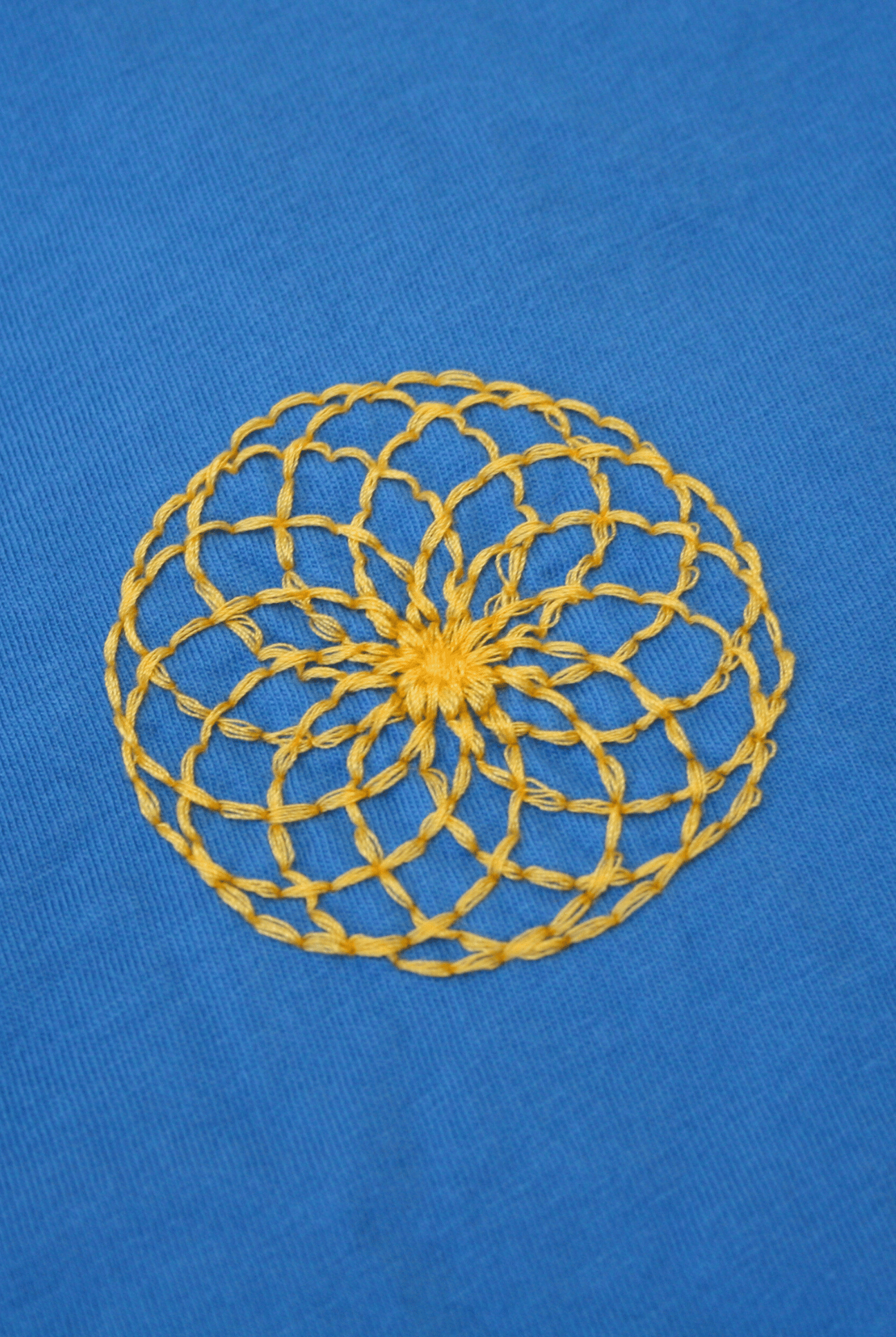
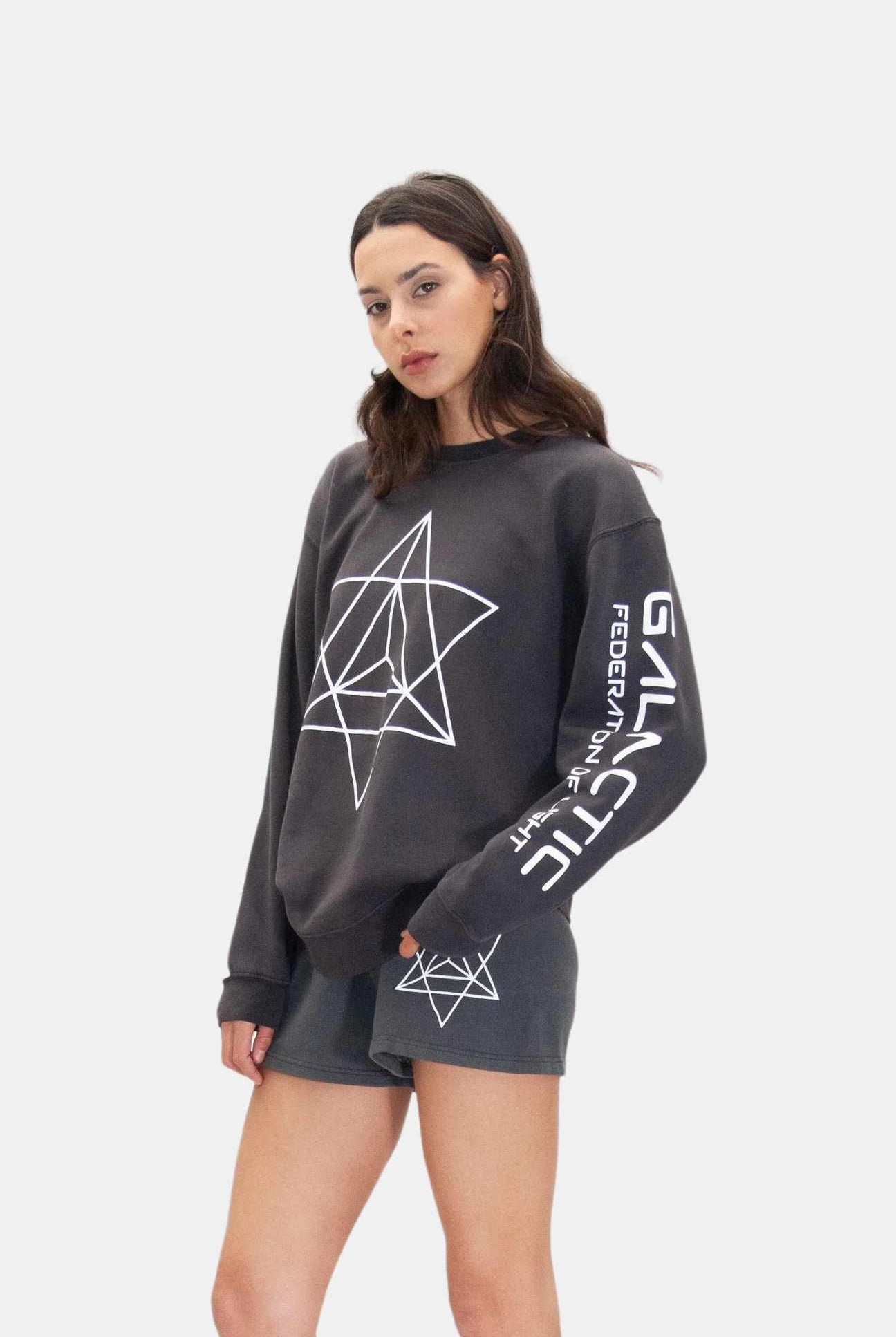
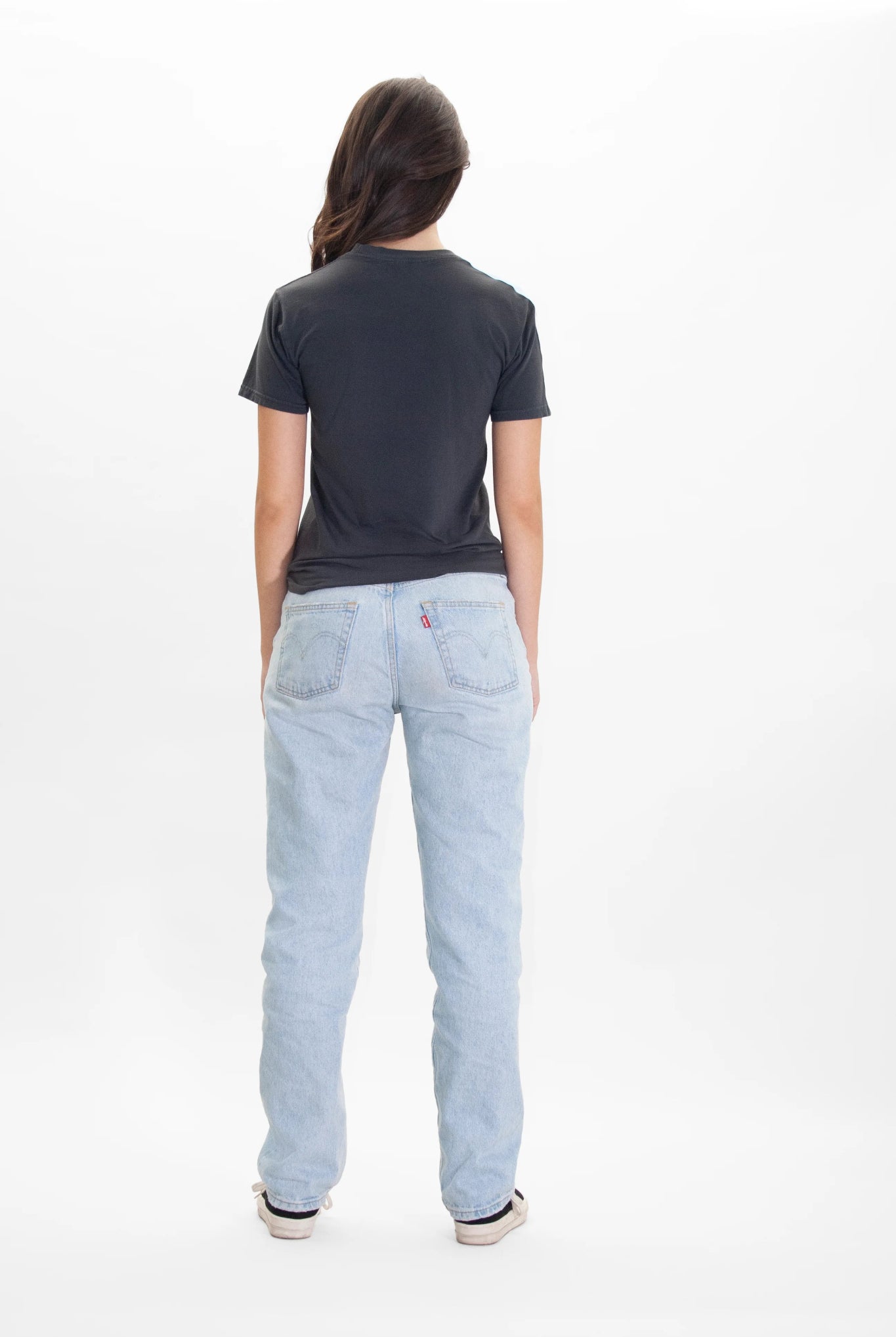
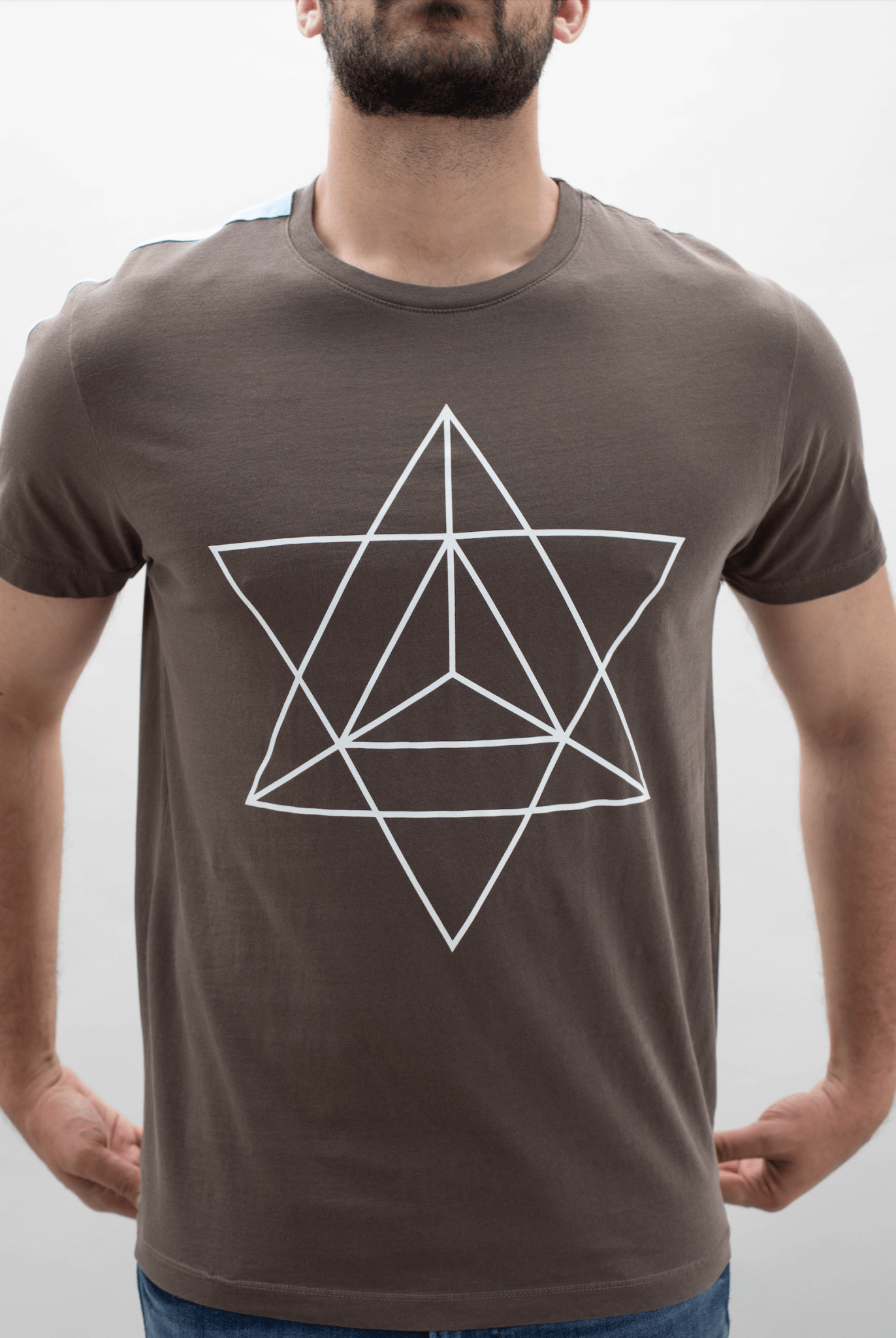
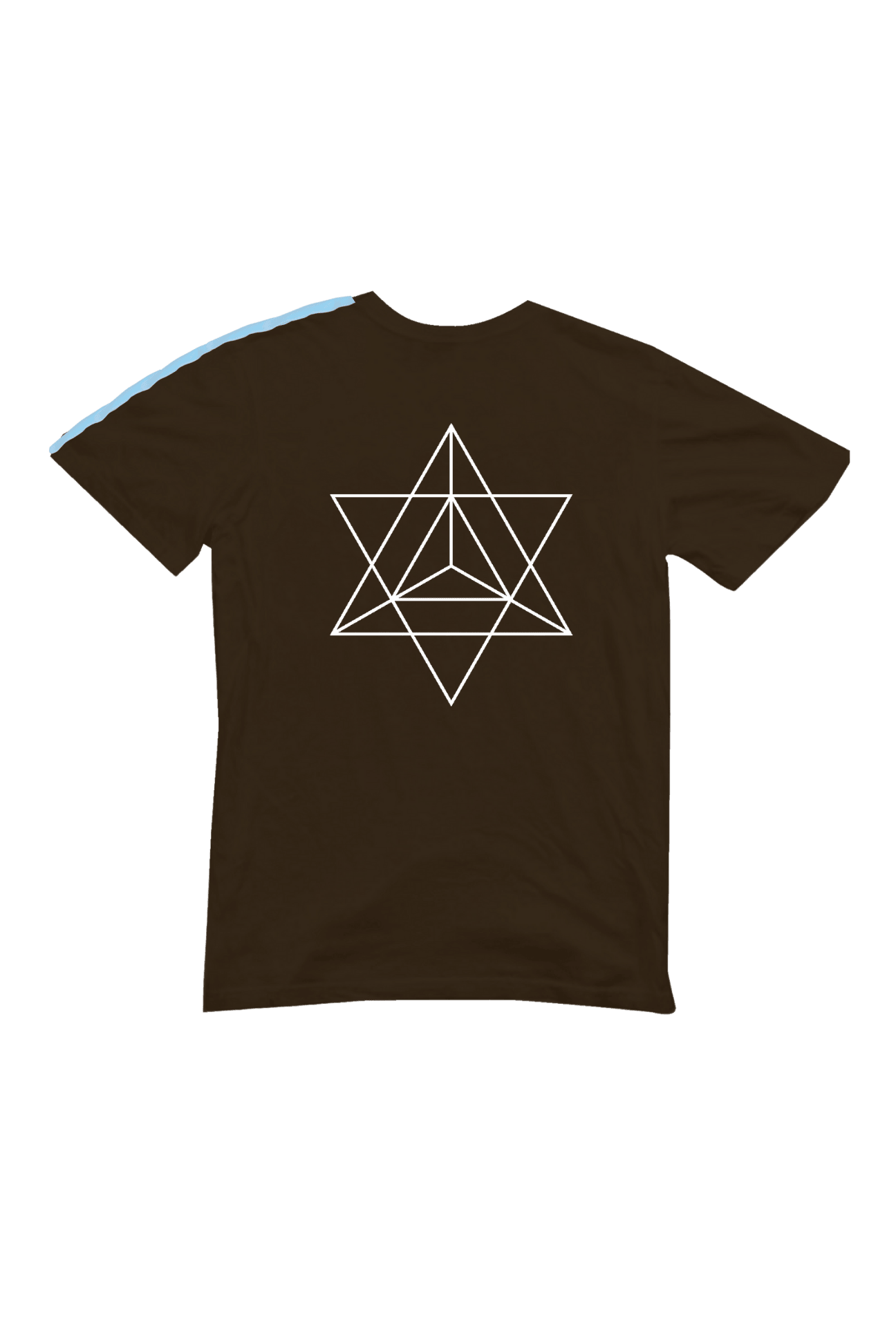
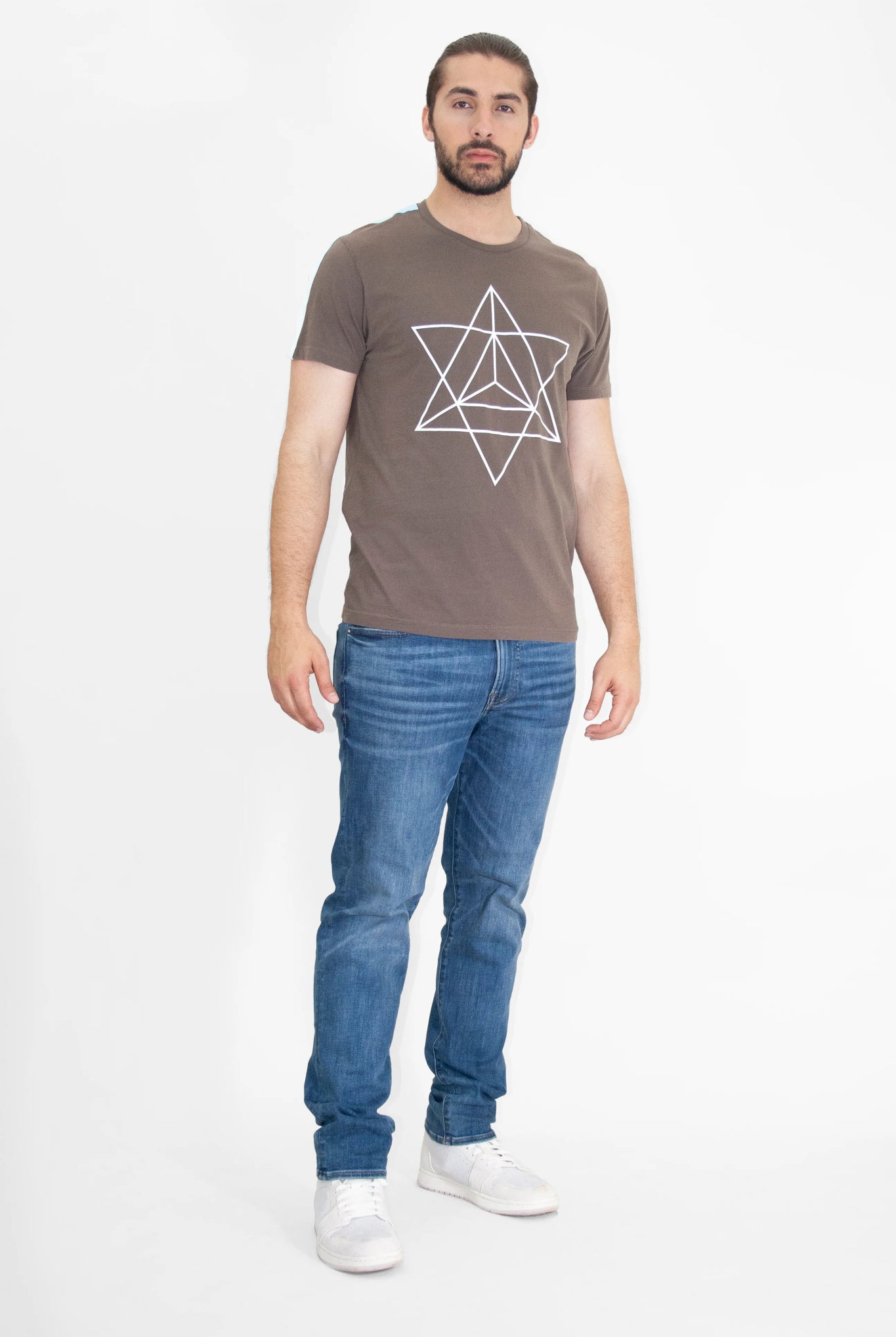
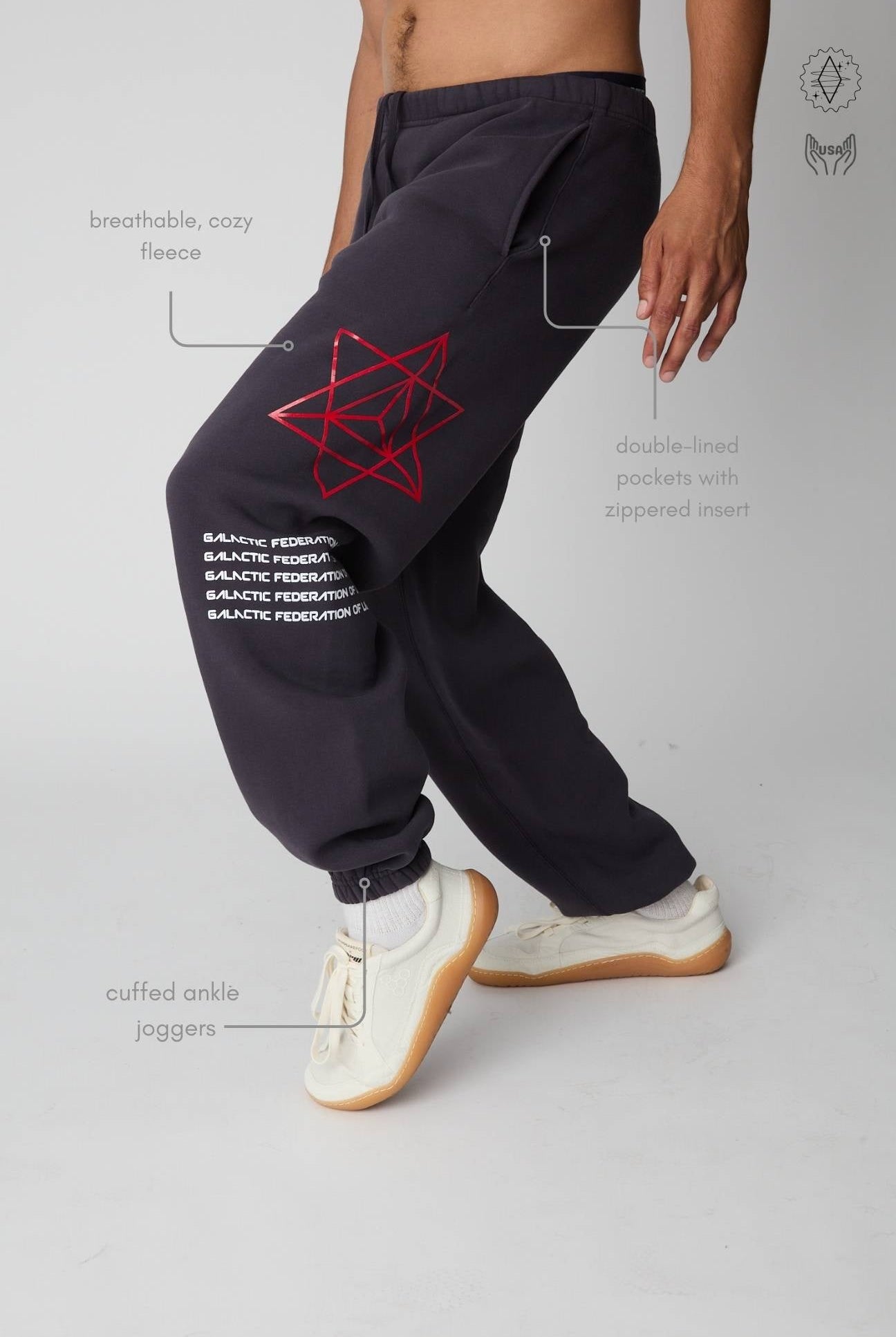
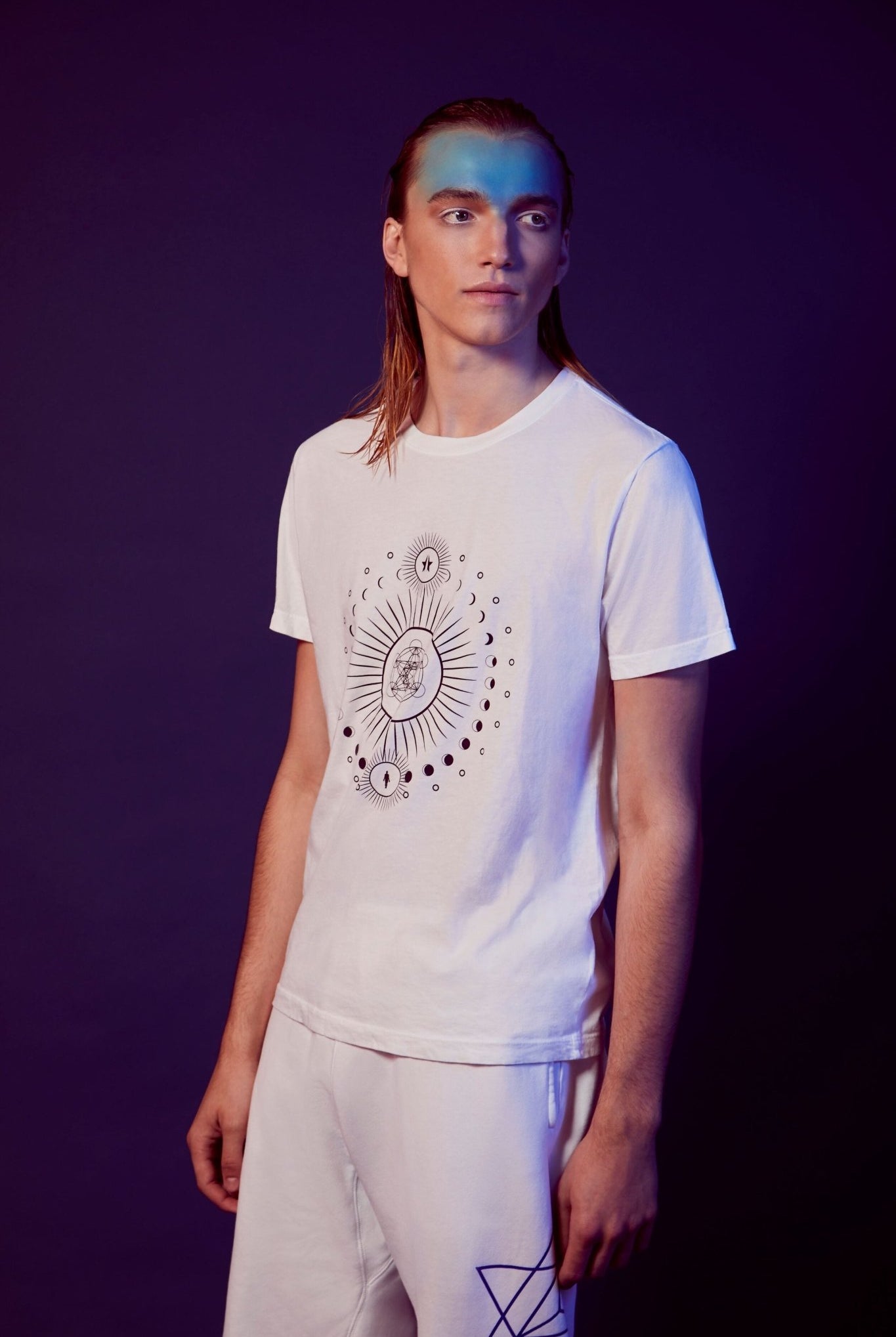
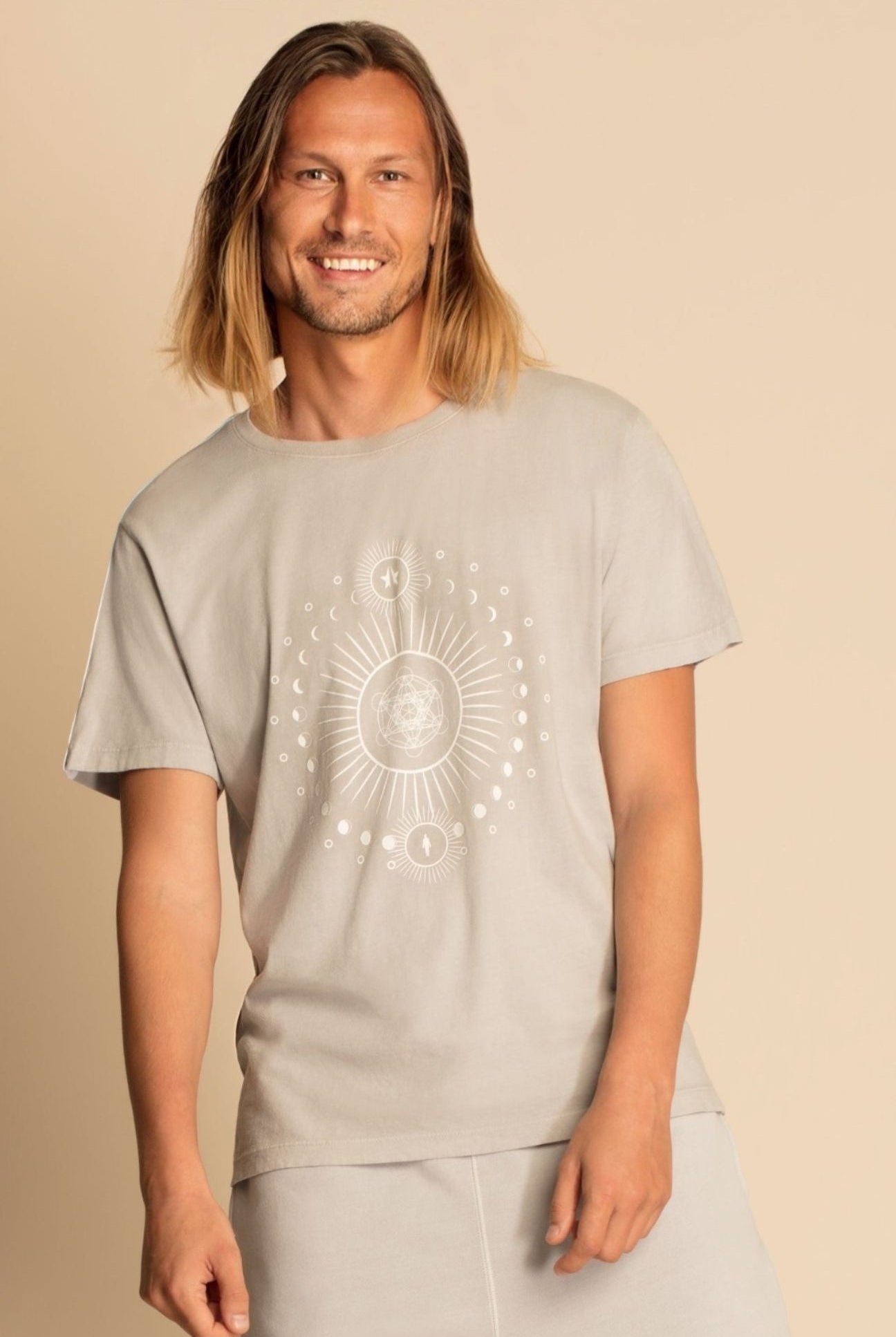
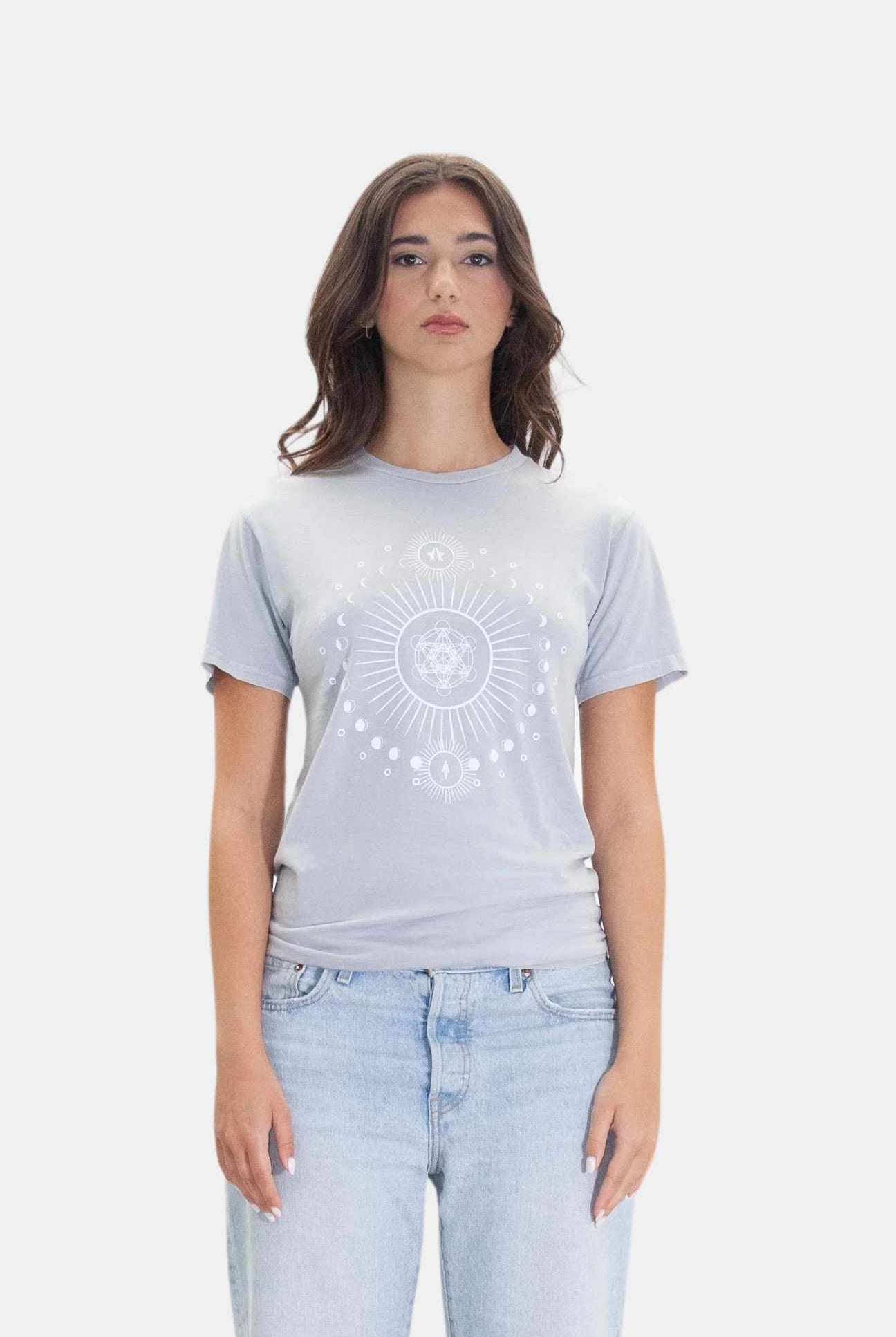
- Wearing sacred geometry symbols as a continuous vibrational reminder
- Breathwork combined with geometric visualization to activate the body's energy field.
These are, to be sure, complementary practices and energetic tools that work alongside, not in place of, conventional care.


































































What Is My Sacred Geometry Number and Symbol?
To find a personal connection to these cosmic blueprints, many practitioners look toward sacred geometry’s intersection with numerology. According to Geonumerology, through correspondence between letters and numbers, your name holds numerical value, which when broken down can represent your name through a geometric symbol.
One way to start discovering your symbol is through meditation, working with different forms and observing which feels most aligned. The shape that consistently draws your attention is often your personal geometric anchor.
The Platonic Solids and Their Elemental Correspondences
According to Geofossils, each Platonic Solid corresponds to a fundamental element and carries specific metaphysical aspects that might resonate with your personal and spiritual path:
| Platonic Solid | Element | Metaphysical Focus | Chakra Correspondence |
|---|---|---|---|
| Tetrahedron | Fire | Transformation, willpower, spiritual awakening | Solar Plexus |
| Cube | Earth | Stability, grounding | Root Chakra |
| Octahedron | Air | Mental clarity, emotional balance, communication | Heart Chakra |
| Icosahedron | Water | Fluidity, intuition, emotional healing | Sacral Chakra |
| Dodecahedron | Ether/Aether/Spirit | Spiritual ascension, divine connection | Third Eye |
Wear the Language of the Cosmos
We are vibrational beings living in a vibrational universe, which includes the clothes on our bodies. More than an ancient curiosity, sacred geometry is a living frequency you can embody.
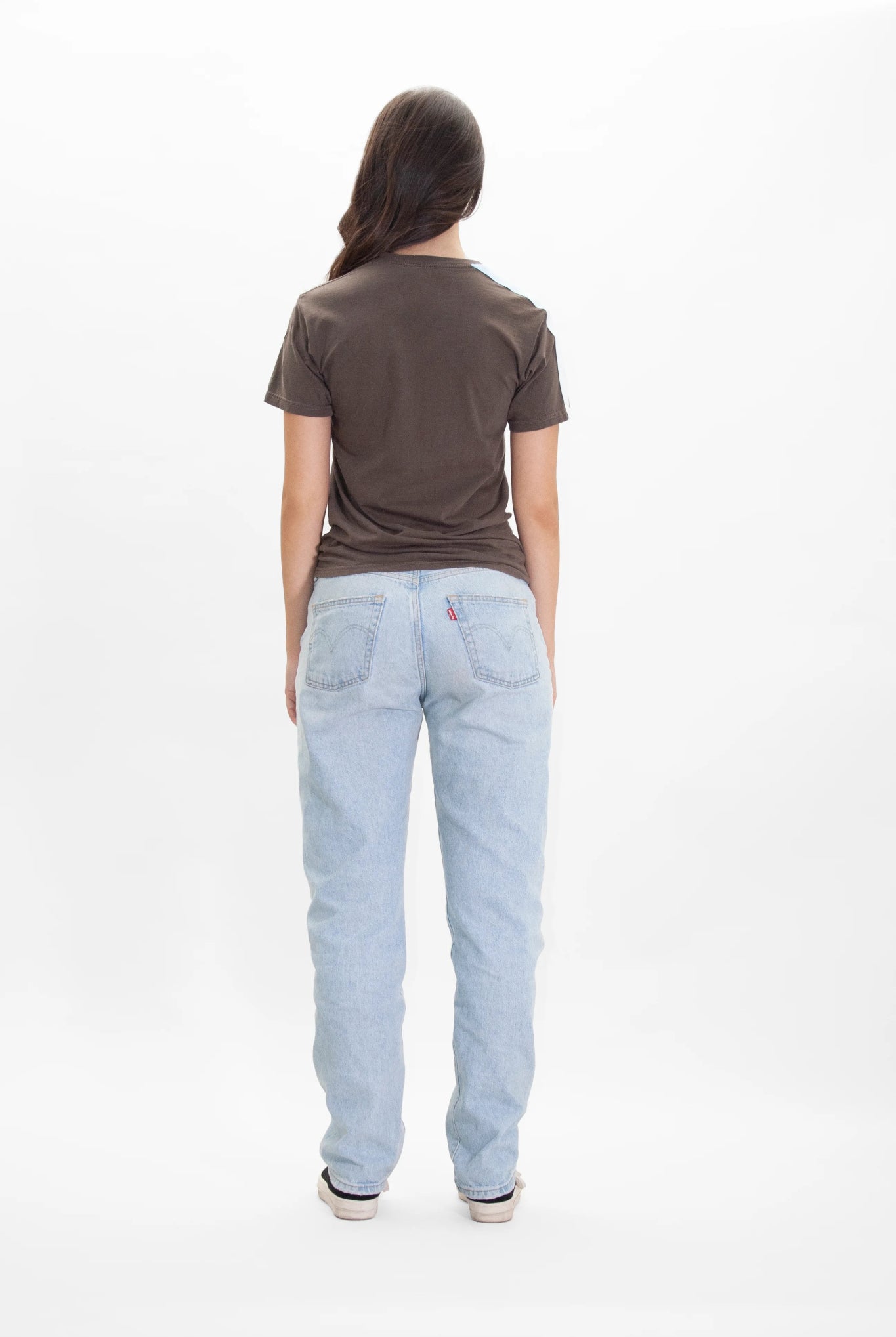
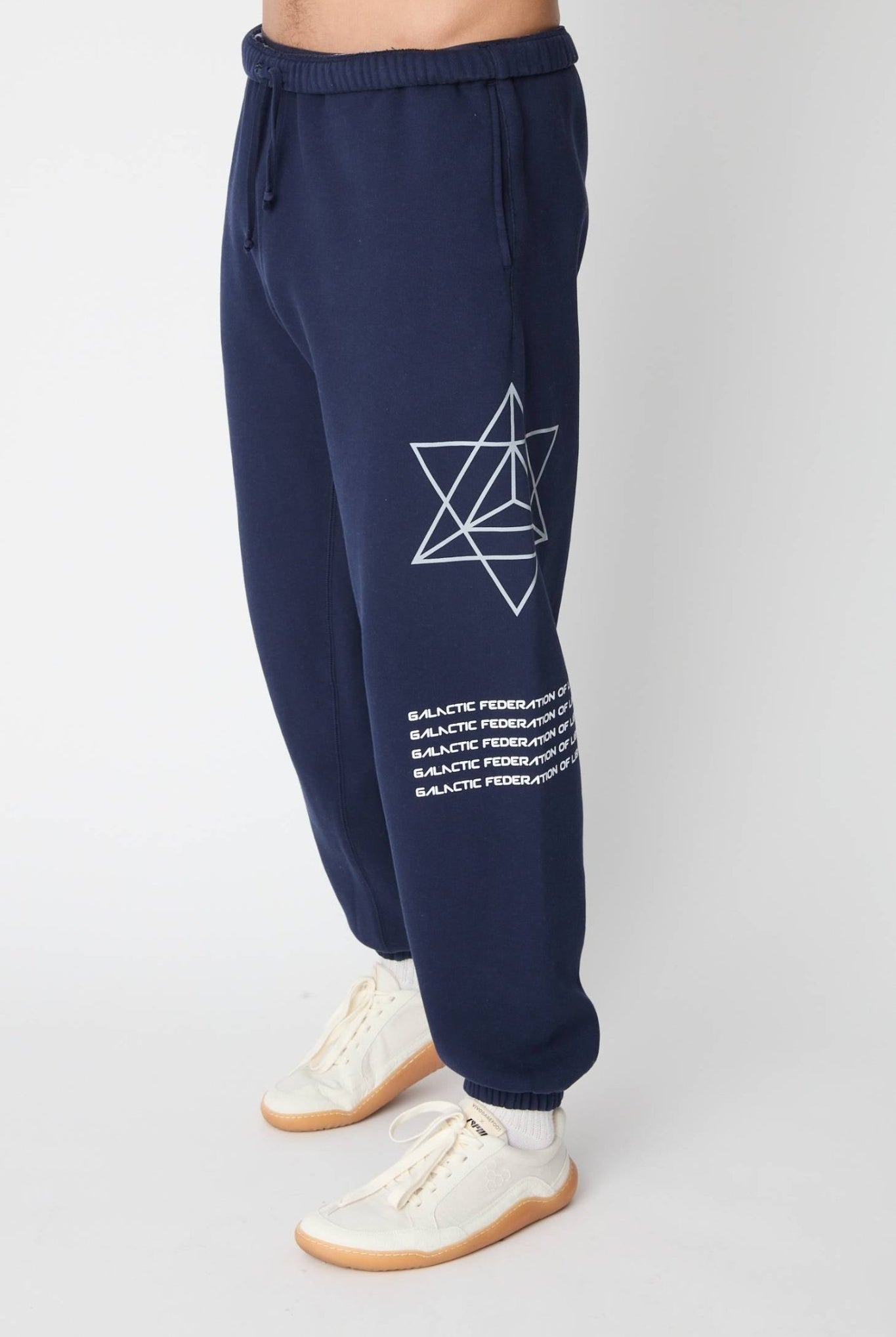
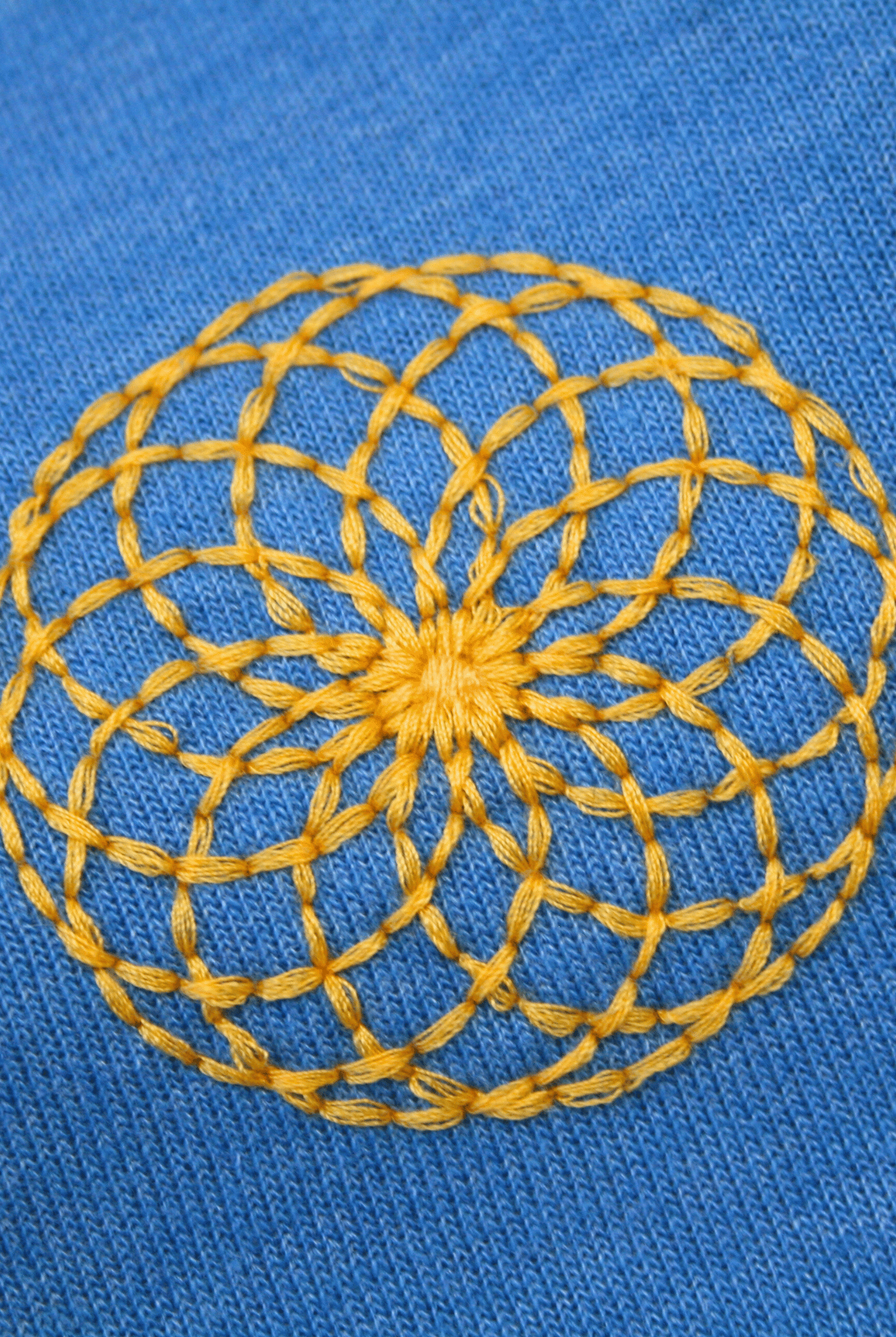
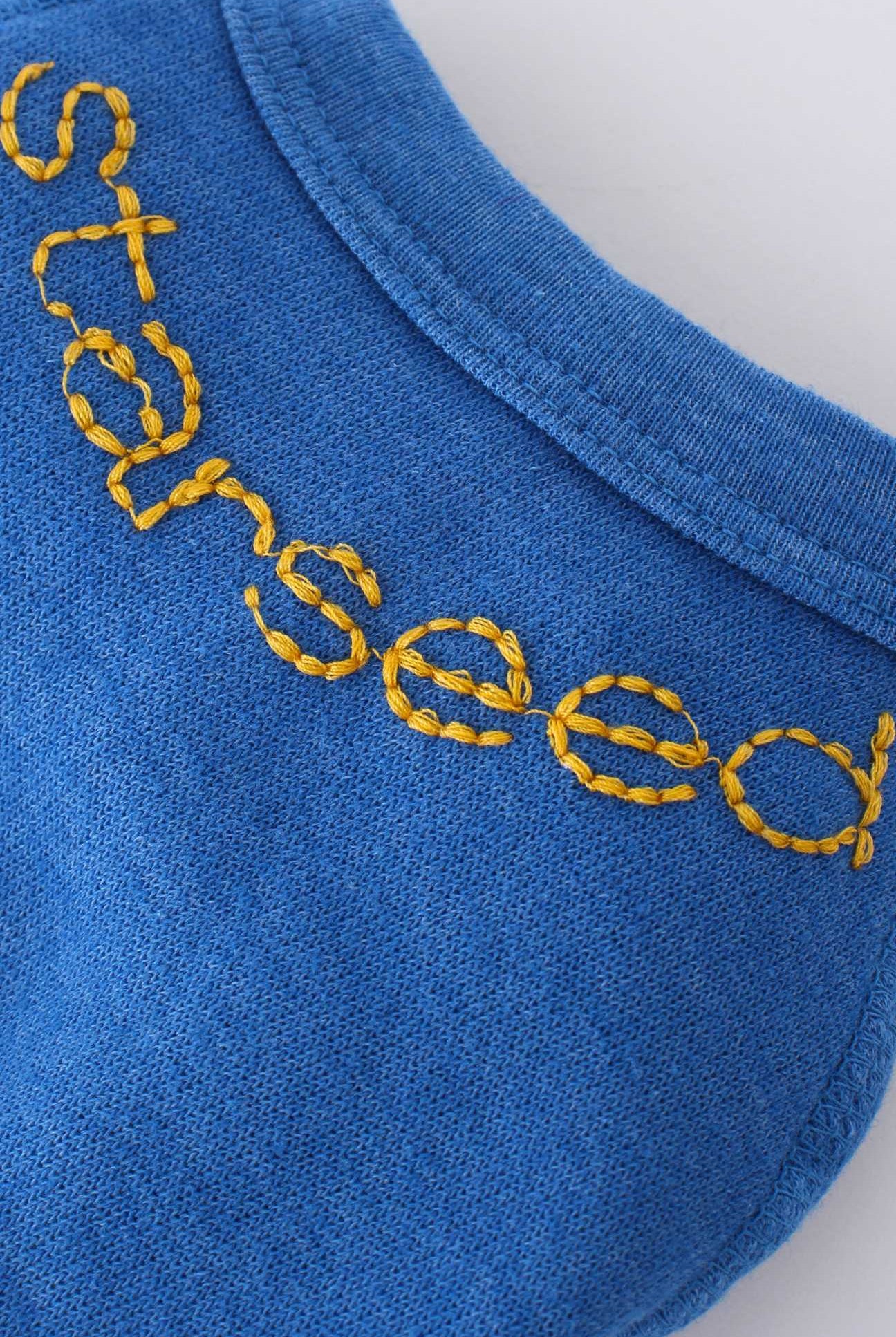
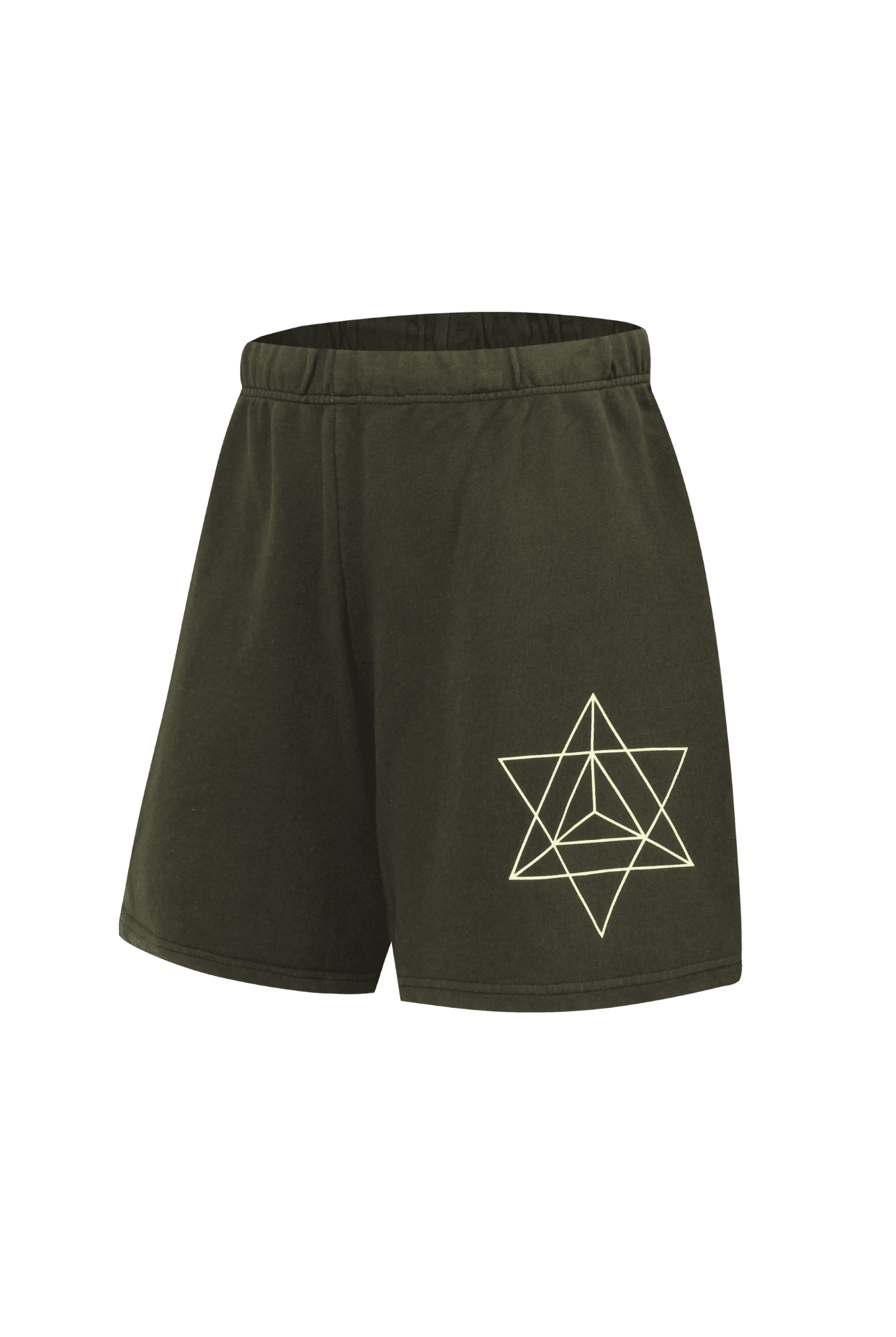
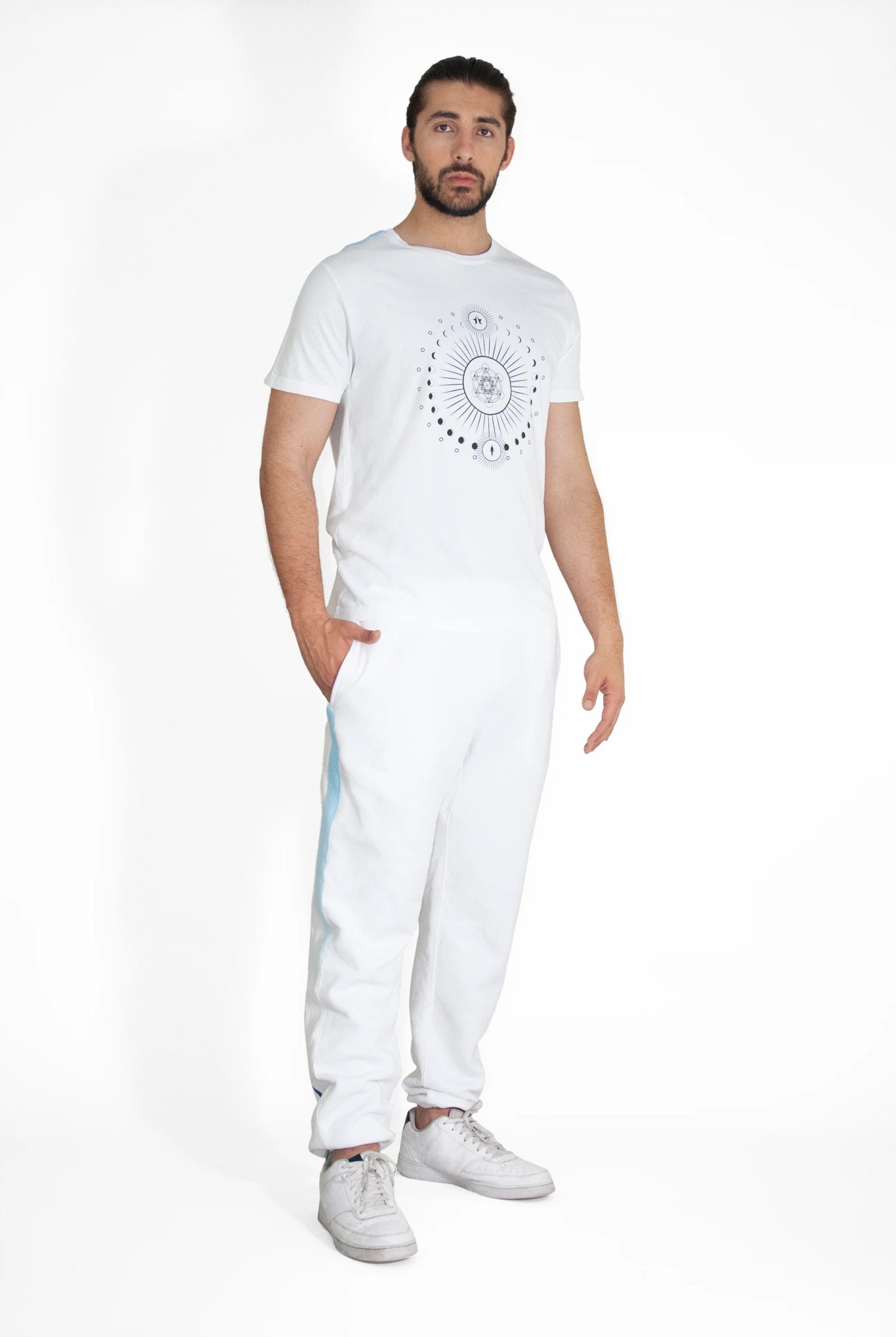
GFL's Sacred Geometry Collection translates these cosmic patterns into intentional wearables, reminding us of how the garments we wear can either dull our vibrations or amplify them.
We invite you to explore the sacred geometry collection and find the symbol that resonates with your path.
Frequently Asked Questions
-
Sacred geometry refers to the idea that certain geometric patterns and proportions reflect an underlying order in the universe. It explores shapes such as circles, spirals, and symmetrical forms that appear consistently in nature, art, and architecture. These patterns are often interpreted as symbols of harmony, balance, and the interconnected structure of physical and natural systems.
-
Sacred geometry is the study of geometric shapes and repeating patterns, such as circles, spirals, and the golden ratio, that reflect underlying structures in the natural world. These patterns appear across nature, art, and architecture and are commonly associated with balance, proportion, and recurring mathematical relationships within physical systems.
-
The Flower of Life is a geometric pattern made up of 19 evenly spaced, overlapping circles arranged in a hexagonal structure. It is widely regarded as a foundational symbol in sacred geometry, believed to represent the cycle of creation and the interconnected nature of all life. The pattern contains other key forms, including the Seed of Life and Metatron’s Cube.
-
Sacred geometry has been used historically in architecture, art, and design to reflect balance and proportion in structures such as temples, cathedrals, and monuments. In modern contexts, it is used in meditation, design, and symbolic practices, where geometric patterns are believed to support focus, visual harmony, and conceptual exploration of natural and mathematical relationships.
-
Sacred geometry healing refers to the use of geometric patterns as visual or symbolic tools intended to support mental, emotional, or spiritual well-being. Practitioners may use shapes such as mandalas or the Flower of Life during meditation or visualization exercises. While widely used in alternative practices, it is generally considered complementary and not a substitute for medical treatment.
-
Sacred geometry symbols are geometric patterns that are believed to carry symbolic or conceptual meaning related to structure, balance, and natural order. Common examples include the Flower of Life, Metatron’s Cube, the Merkaba, and the Vesica Piscis. These symbols appear in various cultural and historical contexts and are often associated with recurring patterns found in nature and design.
-
There is no single sacred geometry symbol universally considered the most powerful. However, the Flower of Life and Metatron’s Cube are often cited due to their complexity and the number of geometric relationships they contain. The perceived significance of a symbol typically depends on interpretation, cultural context, and individual preference rather than a fixed hierarchy.
-
A sacred geometry number is often derived using numerology, typically by reducing the digits of a person’s birth date to a single number. This number is believed by practitioners to represent a personal pattern or frequency. While commonly used in spiritual systems, this concept is interpretive and not based on established scientific methods.
-
A personal sacred geometry symbol is typically identified through interpretation or meditation, based on which geometric form an individual feels most connected to. Some systems associate specific shapes, such as Platonic solids, with elements or qualities. The selection of a personal symbol is subjective and varies depending on the framework or practice being followed.
-
The golden ratio is a mathematical proportion, approximately 1.618, that appears in many natural growth patterns, including shells, plants, and galaxies. In sacred geometry, it is considered a key structural principle that contributes to visual harmony and balance. Many geometric forms incorporate this ratio, reinforcing its association with recurring patterns in nature.
-
Yes, the five Platonic solids are considered fundamental components of sacred geometry. These three-dimensional shapes, including the tetrahedron, cube, and dodecahedron, are defined by equal faces and angles. They have been studied since ancient Greece and are often associated with natural elements and structural principles in both mathematical and symbolic systems.
Published
Updated

Explore the Archives | Galactic Archives
What Is Higher Consciousness?
What is higher consciousness? Explore its meaning, signs, spiritual growth, meditation practices, and ways to cultivate greater awareness.
What Does Abracadabra Mean?
What does abracadabra mean? Discover its ancient origins as a healing charm, possible meanings, spiritual symbolism, and evolution into a magician’s word.
Are We Living in a Simulation?
Are we living in a simulation? Explore the simulation hypothesis, Bostrom’s argument, quantum physics, scientific tests, and its deeper spiritual meaning.