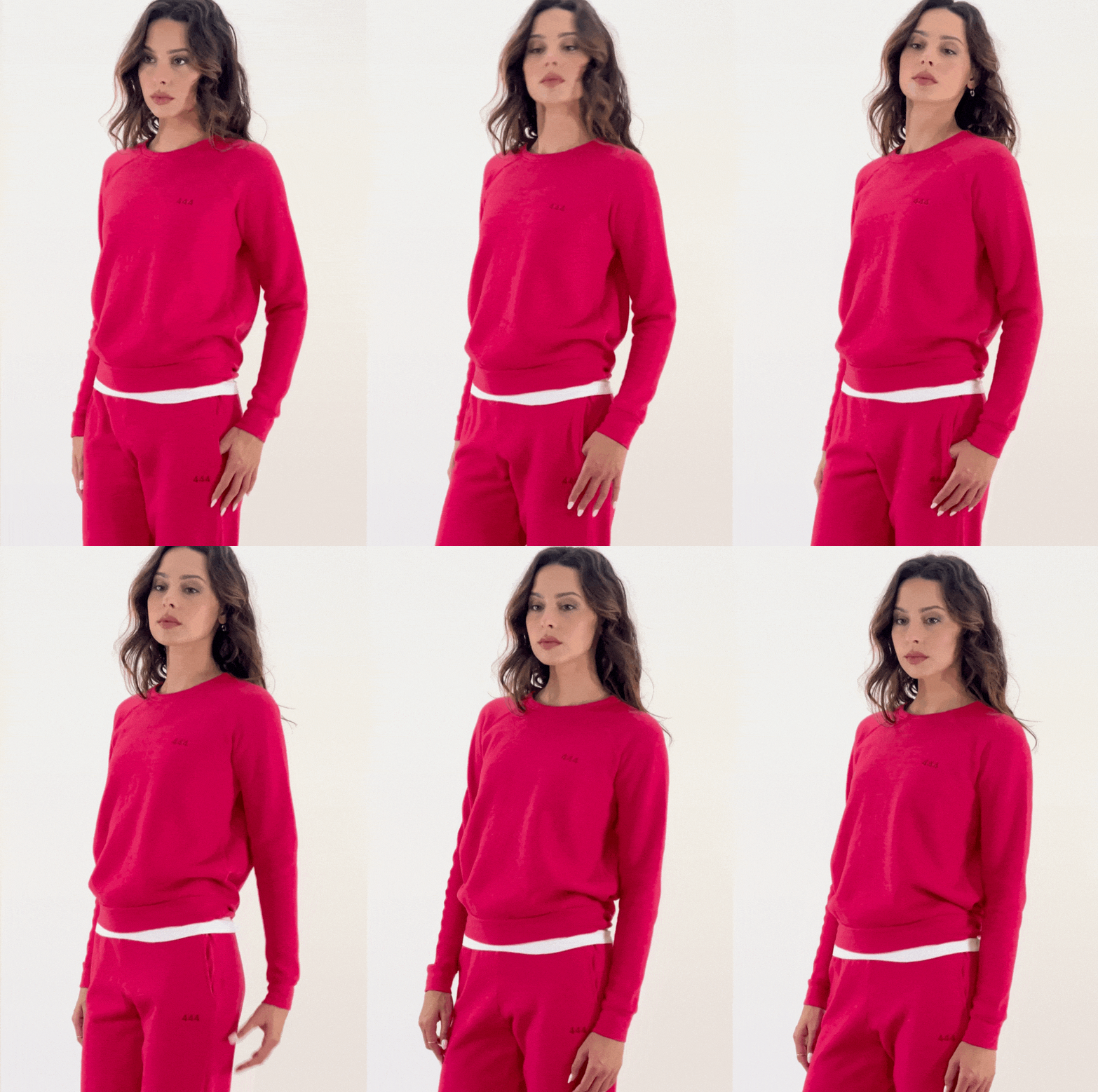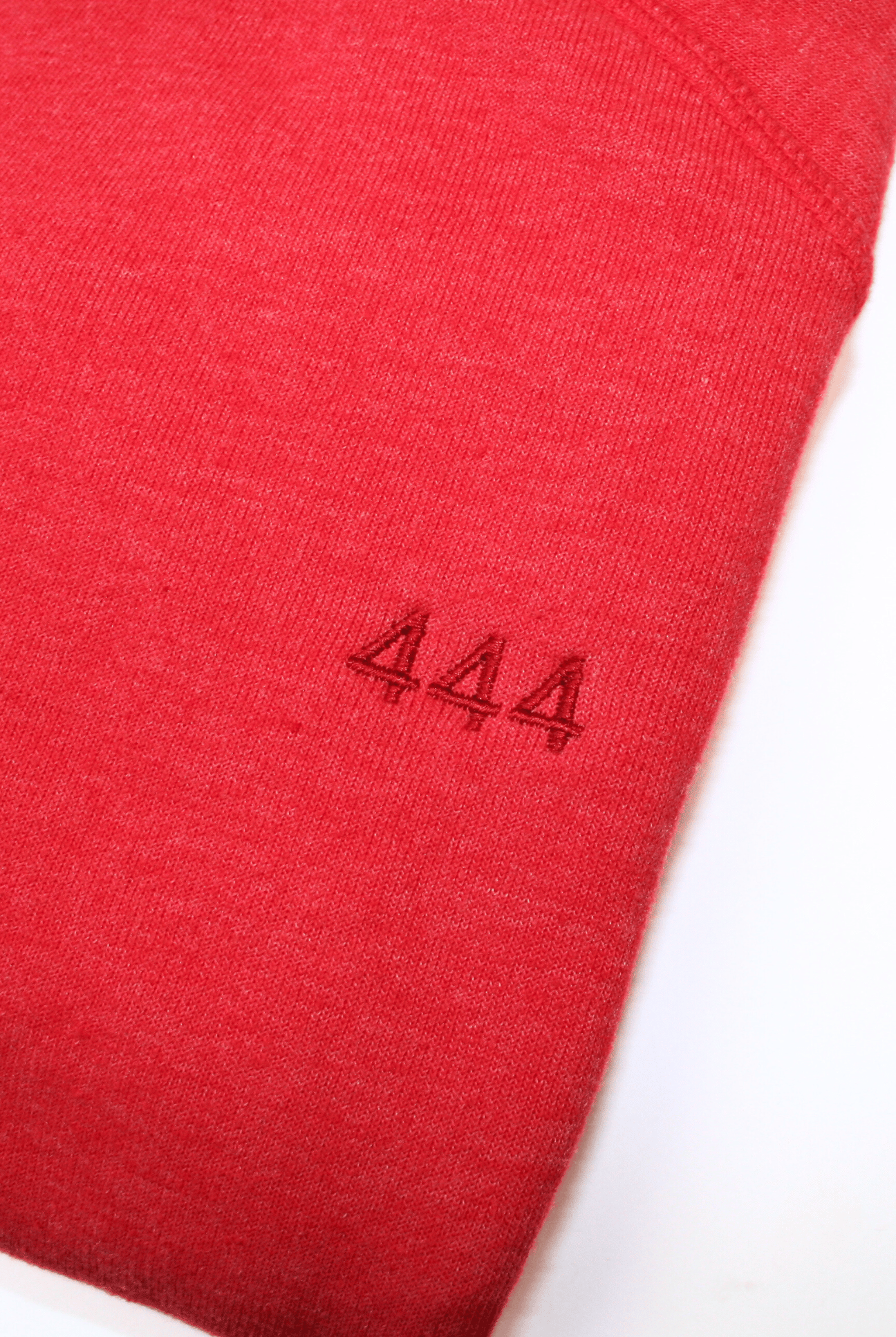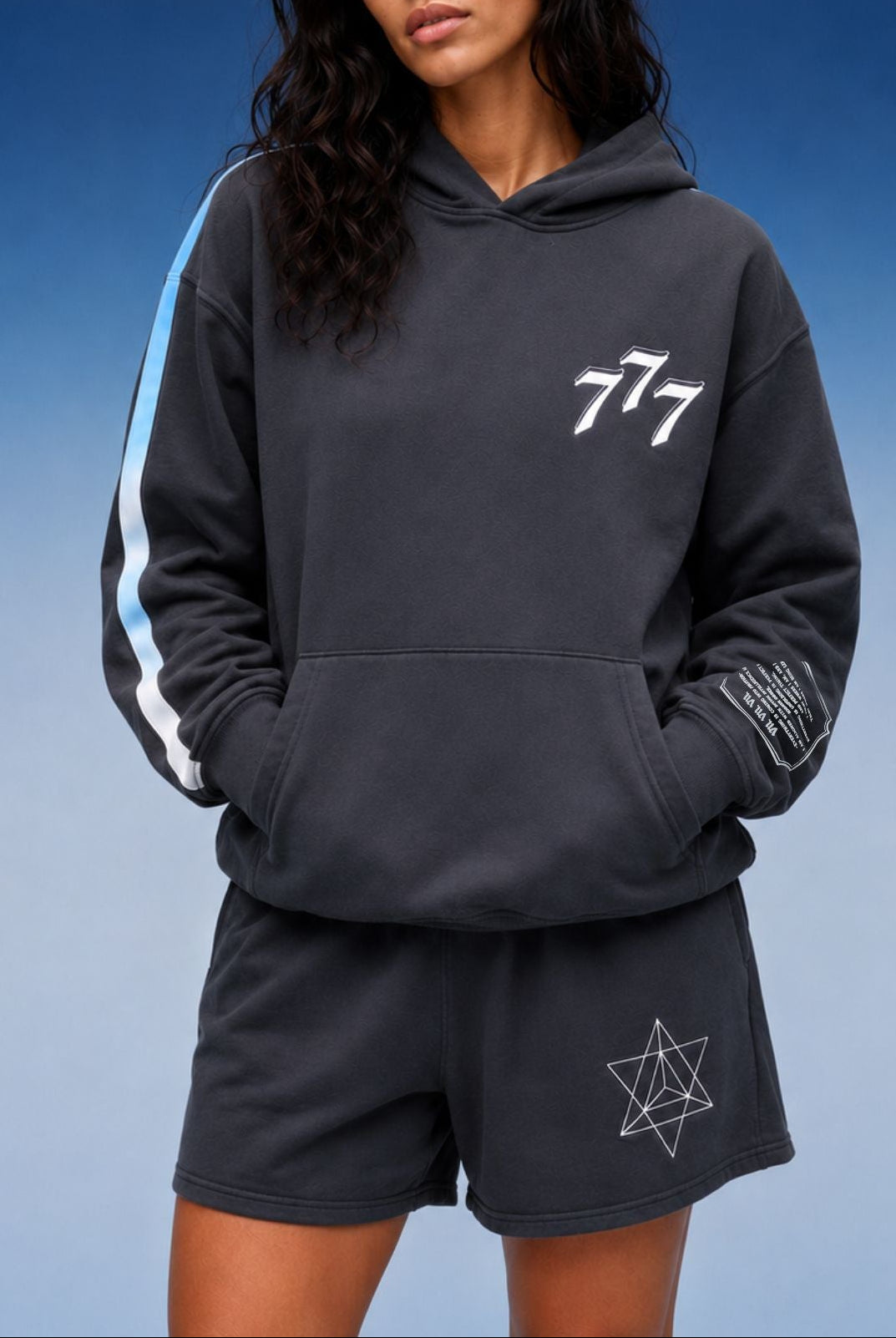



























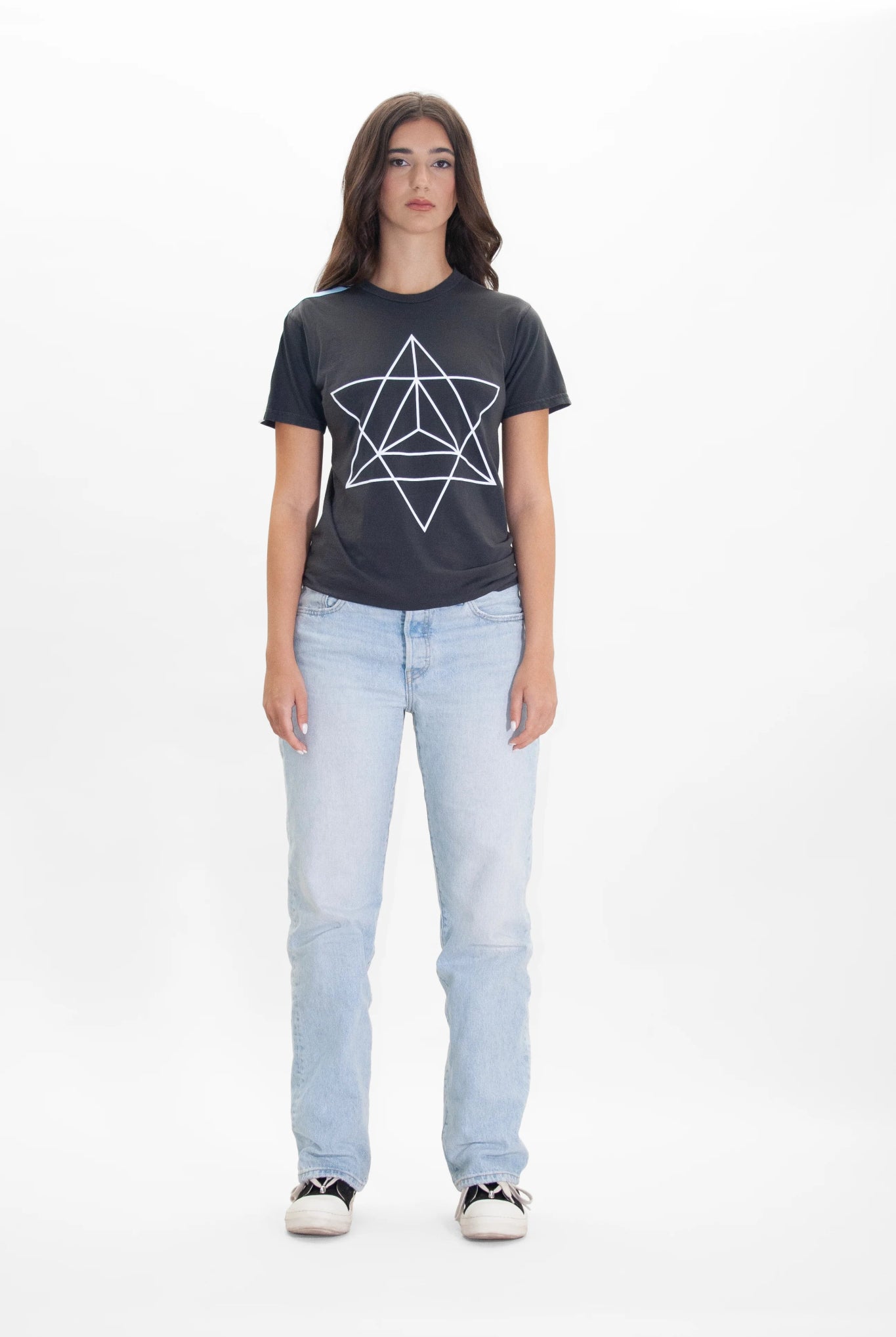

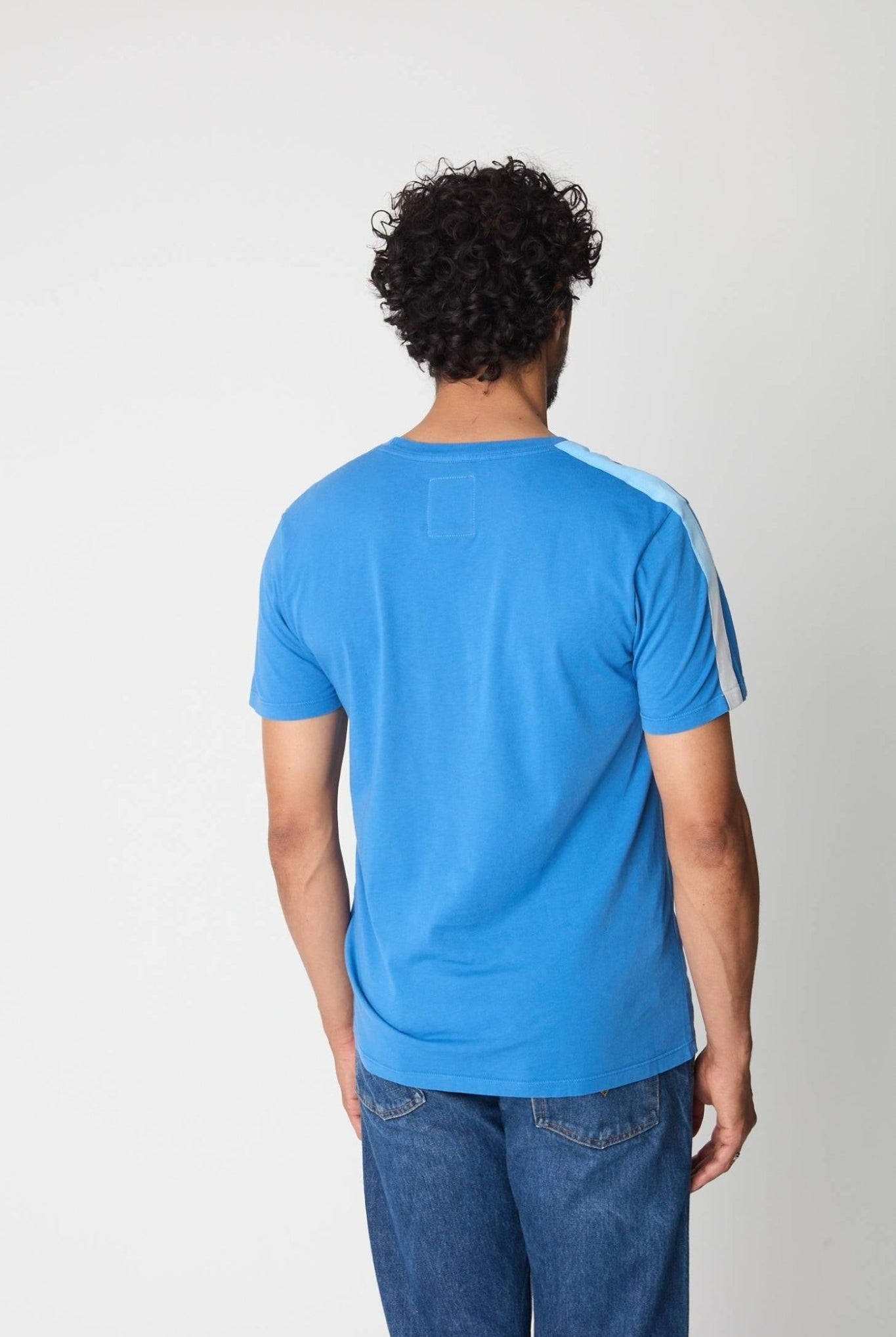
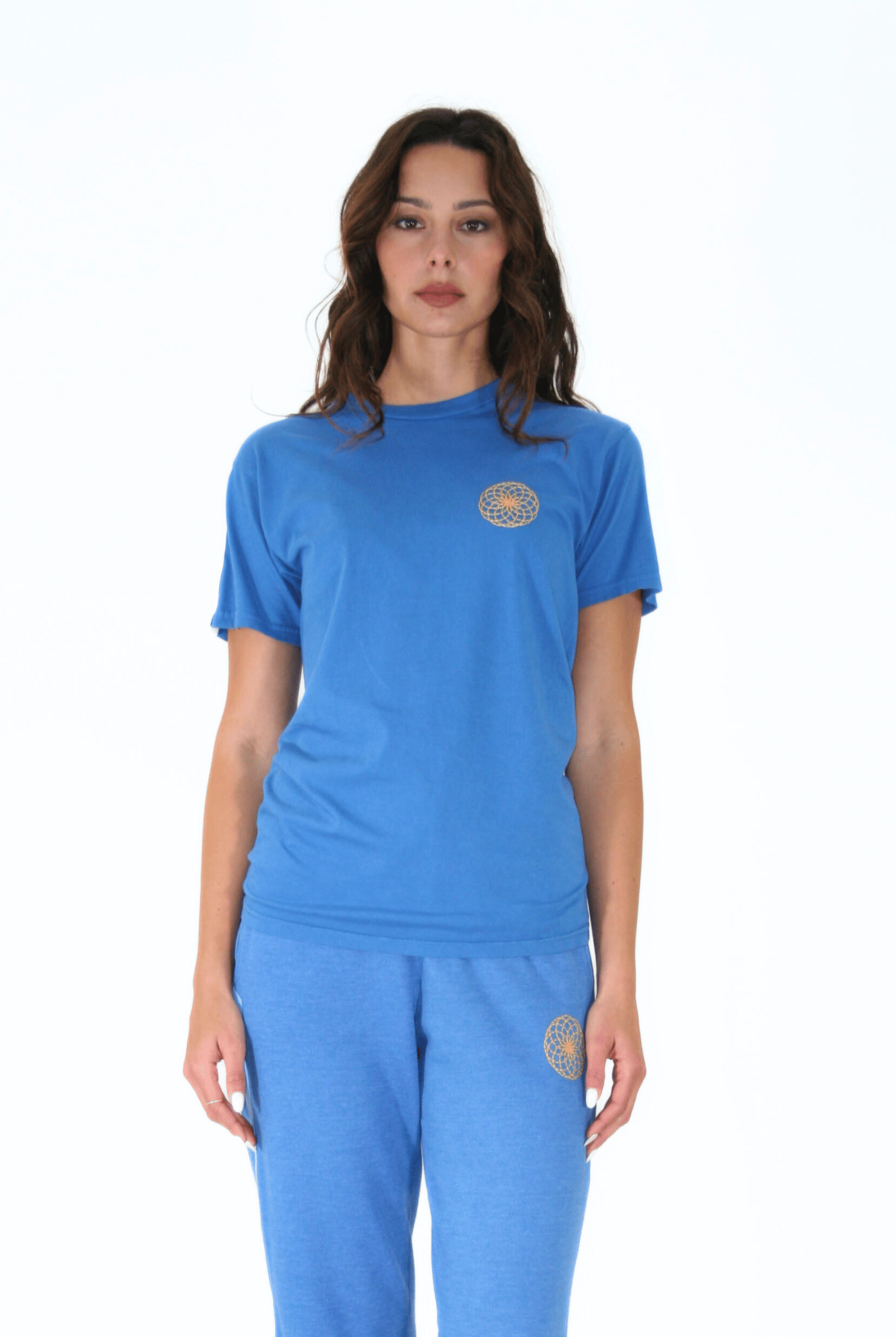
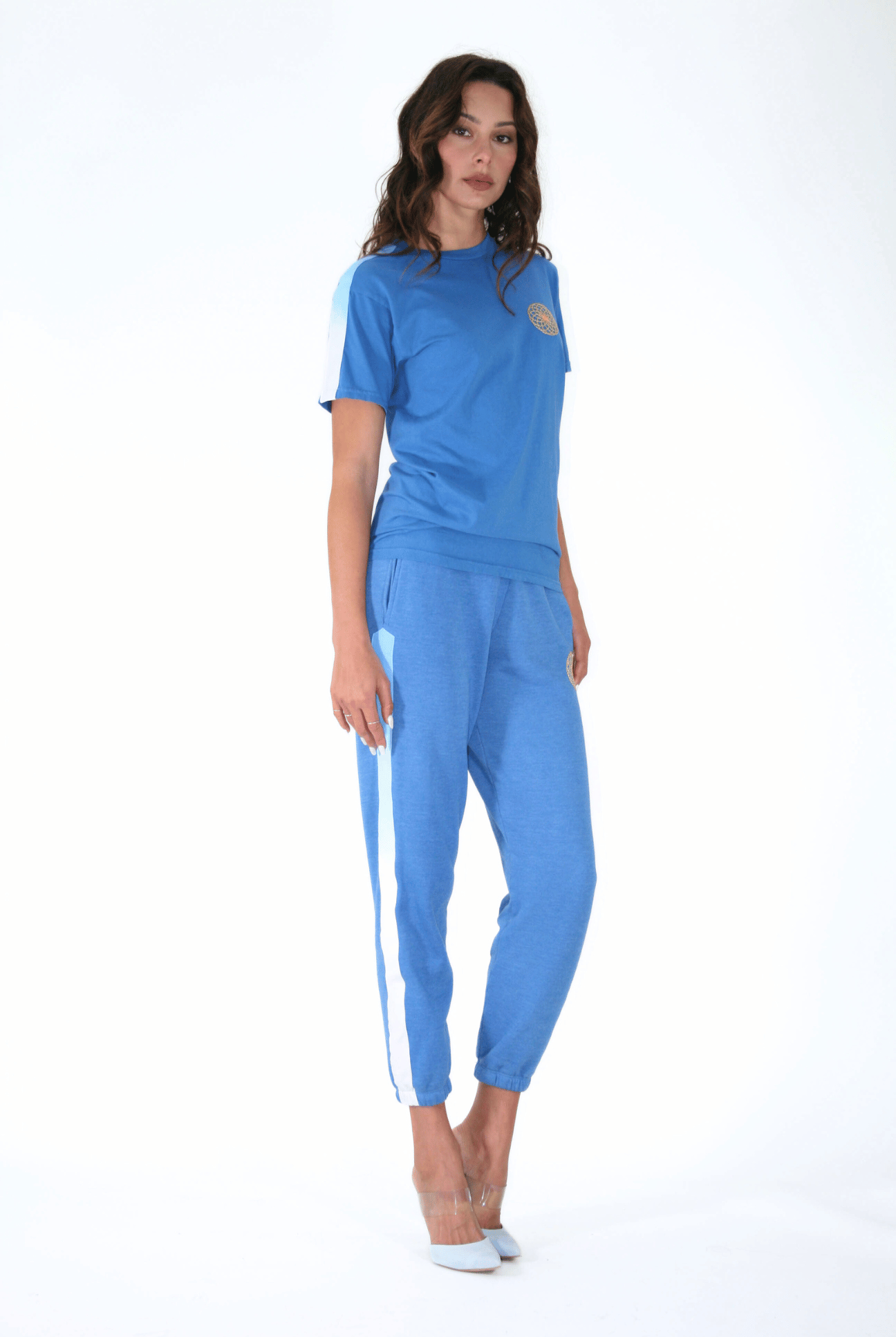
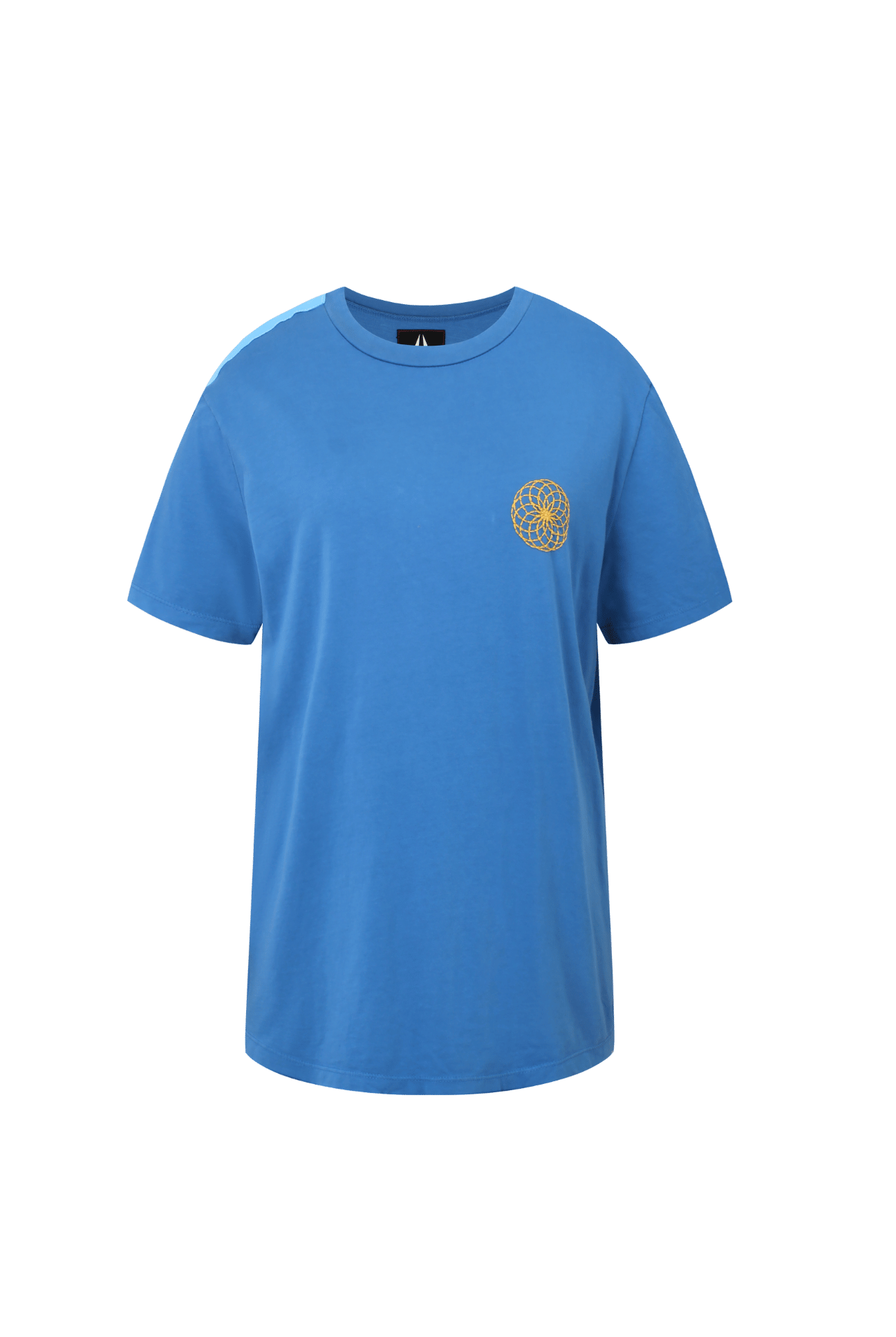














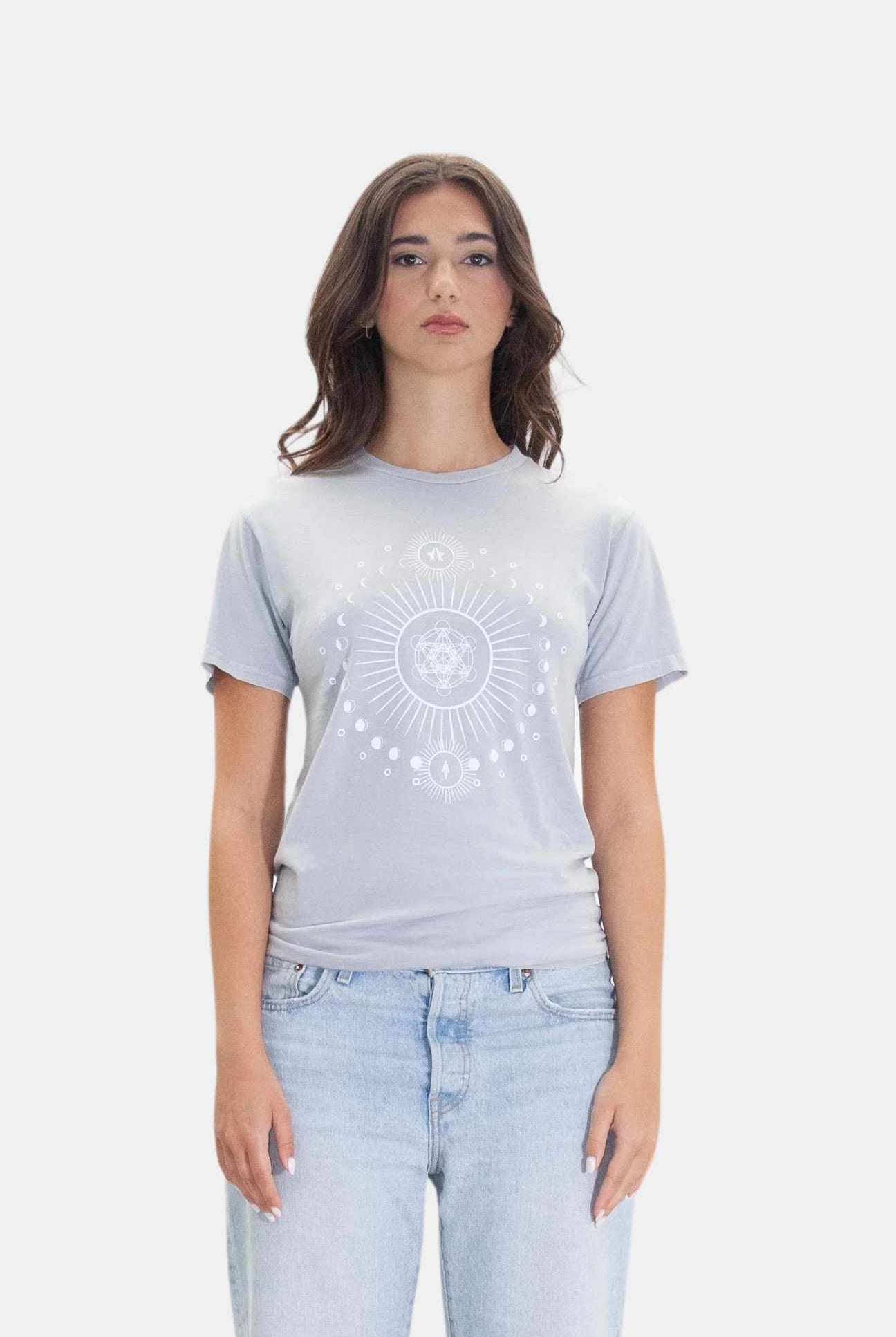
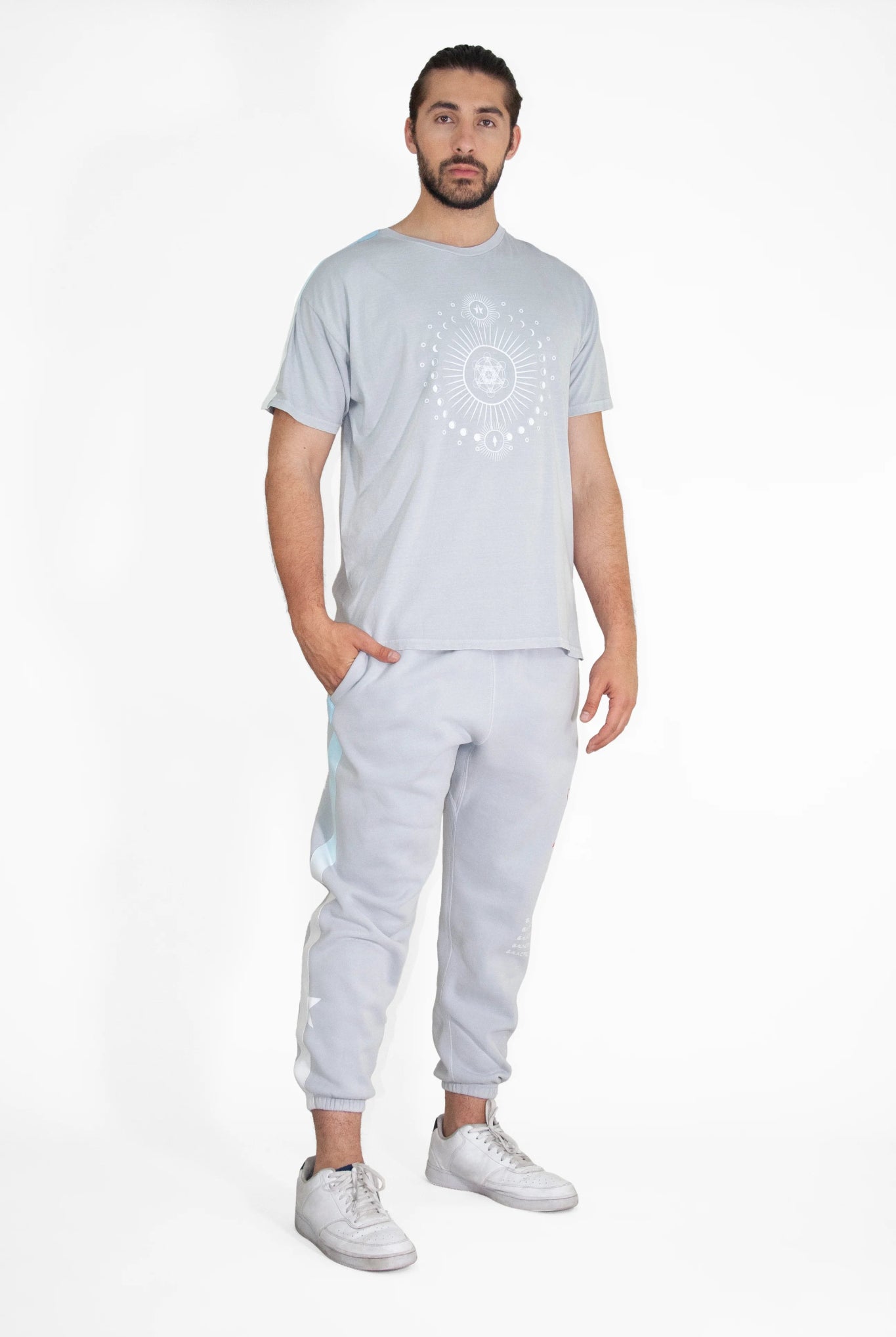



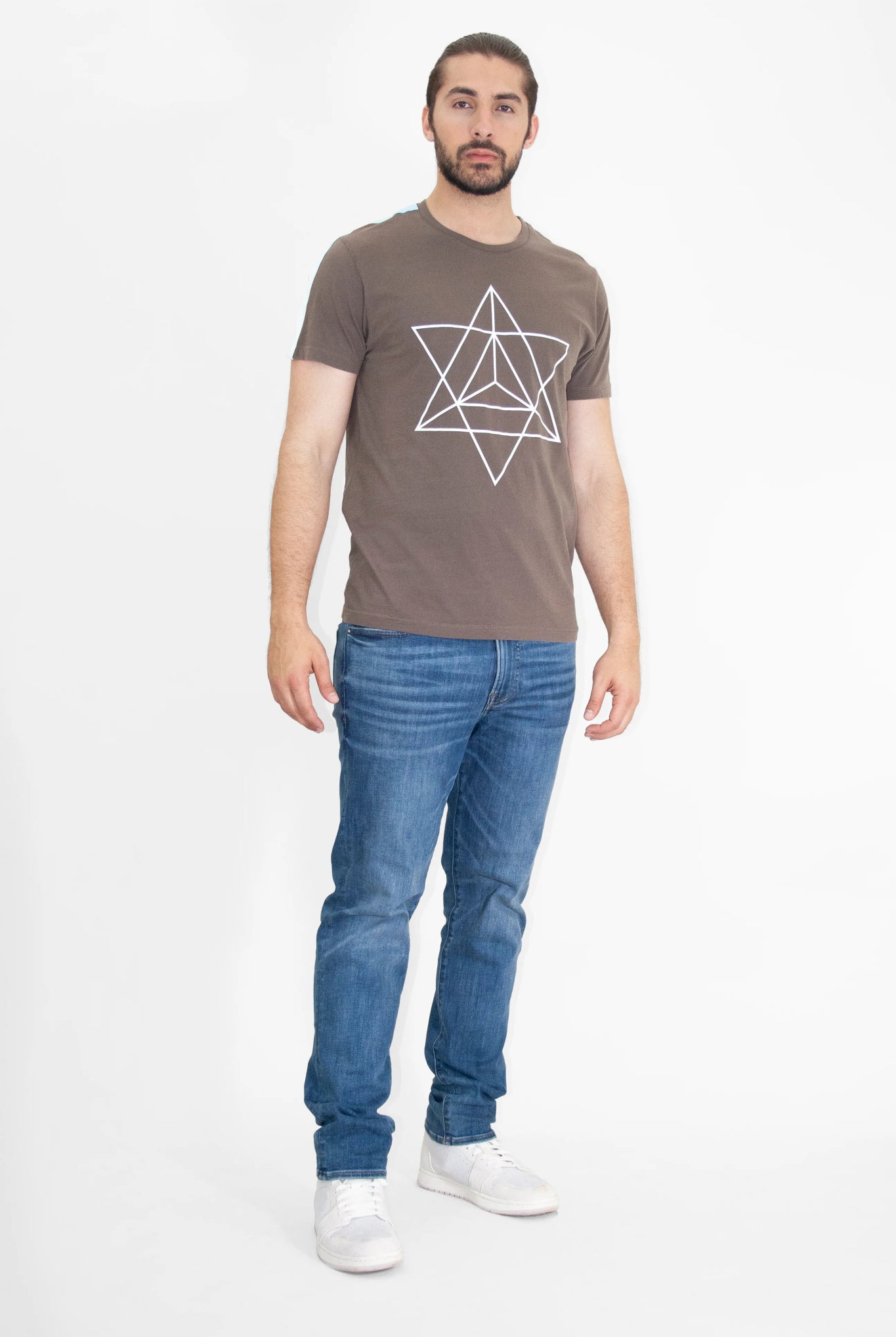







Explore the benefits of linen, from breathability and durability to its spiritual meaning, ancient roots, and reputation as a high-frequency fabric.

Non-toxic activewear is workout, lounge, and movement clothing designed to reduce exposure to chemicals commonly found in synthetic performance fabrics, including PFAS, BPA, harsh dyes, and antimicrobial finishes. Conventional garments frequently harbor PFAS, BPA, harsh dyes, and unnecessary antimicrobial or stain-resistant finishes. Non-toxic activewear favors honest labeling and purer fibers like organic cotton. Because workout clothing sits directly against your skin during periods of sweat and friction, choosing non-toxic activewear can help reduce unnecessary chemical exposure while supporting environmental sustainability.

Why Activewear Raises More Chemical Concerns Than Everyday Clothing
Activewear raises more chemical concerns than everyday clothing because it is worn close to the skin during periods of sweat, high body heat, and physical friction, which can increase exposure to chemical finishes and coatings.
A study led by researchers at the National Institute for Occupational Safety and Health (NIOSH) found that silver, which is often used in anti-odor treatments, can actually release from treated fabrics when exposed to artificial sweat and saliva conditions. These risks are most relevant for the tight, long-wear pieces that sit closest to you: leggings, sports bras, compression tops, yoga sets, and sweatpants.
Common Chemicals to Avoid in Non-Toxic Activewear
PFAS (Water, Stain, and Oil resistance)
When shopping for non-toxic activewear, one of the primary concerns is the presence of PFAS (per- and polyfluoroalkyl substances). Often referred to as ‘forever chemicals’ because they don’t easily break down, these substances are frequently added to workout clothing to make the fabric repel water and stains.
The National Institute of Environmental Health Sciences (NIEHS) notes that PFAS are highly persistent in both the environment and human body, and research links long-term exposure to a variety of immune, liver, thyroid, reproductive, developmental, and cancer-related concerns.
BPA (Sports Bras, Athletic Shirts, Shorts)
BPA is another chemical that frequently appears in athletic clothing, particularly in clothing made from spandex and polyester to help set the dye and improve the fabric’s lifespan. The Center for Environmental Health (CEH) recently found high levels of BPA in several popular brands of sports bras and athletic shirts, with several exceeding California's Prop 65 safe-harbor limits. Because BPA can be absorbed directly through the skin, wearing tight, sweat-soaked clothing containing this chemical raises significant exposure concerns.
Endocrine-Disrupting Chemicals
Many of the synthetic finishes applied to workout gear fall under the broader category of endocrine disruptors. These are substances that can mimic, block, or interfere with your body’s natural hormone production. When you exercise, your pores open up and your skin becomes much more permeable. This means that even very low-dose exposures to these materials during a prolonged workout or yoga session can have an impact on your health.
Antimicrobial and Odor-Control Finishes
To prevent gym clothes from smelling over time, many conventional brands treat their fabrics with heavy antimicrobial and odor-control finishes. While these treatments might keep the garments smelling fresh, they often rely on harsh chemical agents or heavy metals like silver nanoparticles. When these treatments sit directly against warm, sweating skin, there’s a risk that the chemical agents can transfer to your body, potentially disrupting your skin's natural, healthy microbiome in the pursuit of odor control.
Synthetic Microfiber Shedding
Beyond chemical additives, the physical structure of conventional activewear presents an entirely different environmental issue. Materials like polyester, nylon, and acrylic are essentially plastic-based fabrics. Every time you run them through the washing machine, they shed tiny pieces of plastic known as microfibers. These microscopic particles easily bypass standard water filtration systems and enter the global water supply, making conventional activewear a leading source of secondary microplastic pollution.
Materials That Make Activewear Cleaner
When choosing non-toxic activewear, the materials used should be one of the most important factors in your decision.
Organic Cotton
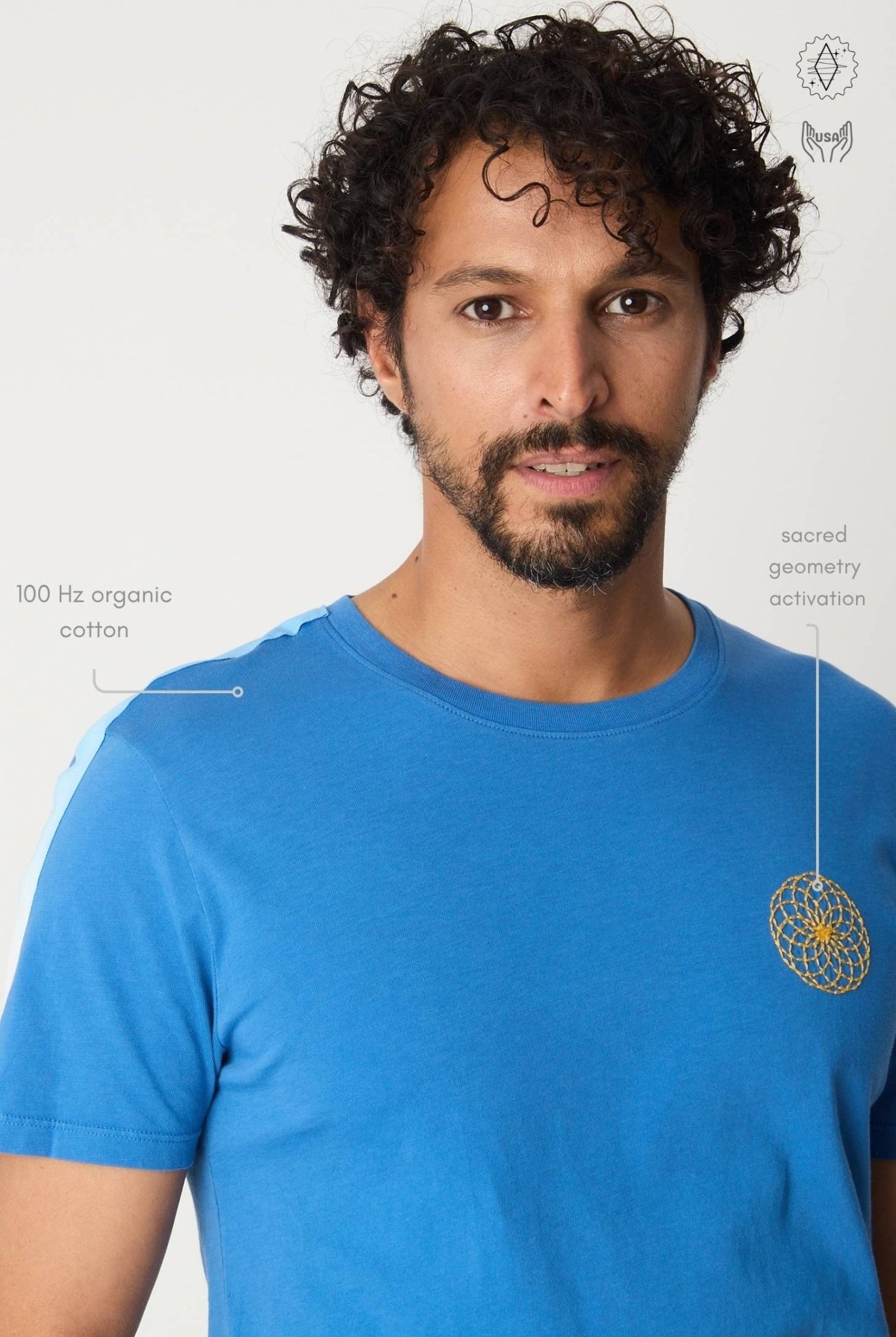
Organic cotton is one of the best materials for non-toxic activewear because it is breathable, soft, and grown without synthetic pesticides or chemical fertilizers. Because it is grown under strict agricultural standards, it completely avoids the use of synthetic pesticides, chemical fertilizers, and genetically modified organisms. For the wearer, this means the fabric is highly breathable, soft, and gentle against the skin, without carrying the hidden chemical residue found in conventional farming.
Recycled Polyester
Recycled polyester can be a lower-impact alternative to virgin polyester because it reduces demand for new plastic production while keeping existing materials out of landfills. While recycled blends offer necessary durability and stretch for activewear, they should be chosen thoughtfully and washed with care.
Lower-Impact Dyes
The dyeing process is often one of the most chemically intensive stages of clothing production. Opting for garments colored with lower-impact dyes ensures that fewer heavy metals and toxic byproducts touch your skin or enter the waterways. Always look for clear, transparent material labeling from brands rather than trusting vague marketing phrases like ‘chemical-free.’
Key Features of Genuinely Non-Toxic Activewear
Look for these features when shopping for non-toxic activewear to help identify safer, lower-toxin workout clothing:
- Organic or lower-impact fibers as the primary material
- PFAS-free construction, using water or stain resistance only when genuinely needed
- BPA-conscious manufacturing, especially for sports bras and tight synthetic pieces
- Safer, low-impact dyes
- No unnecessary antimicrobial, anti-odor, or insect-repellent treatments
- Durable construction designed to last
- Qualified claims backed by transparent labeling

How Non-Toxic Activewear Benefits You and the Planet
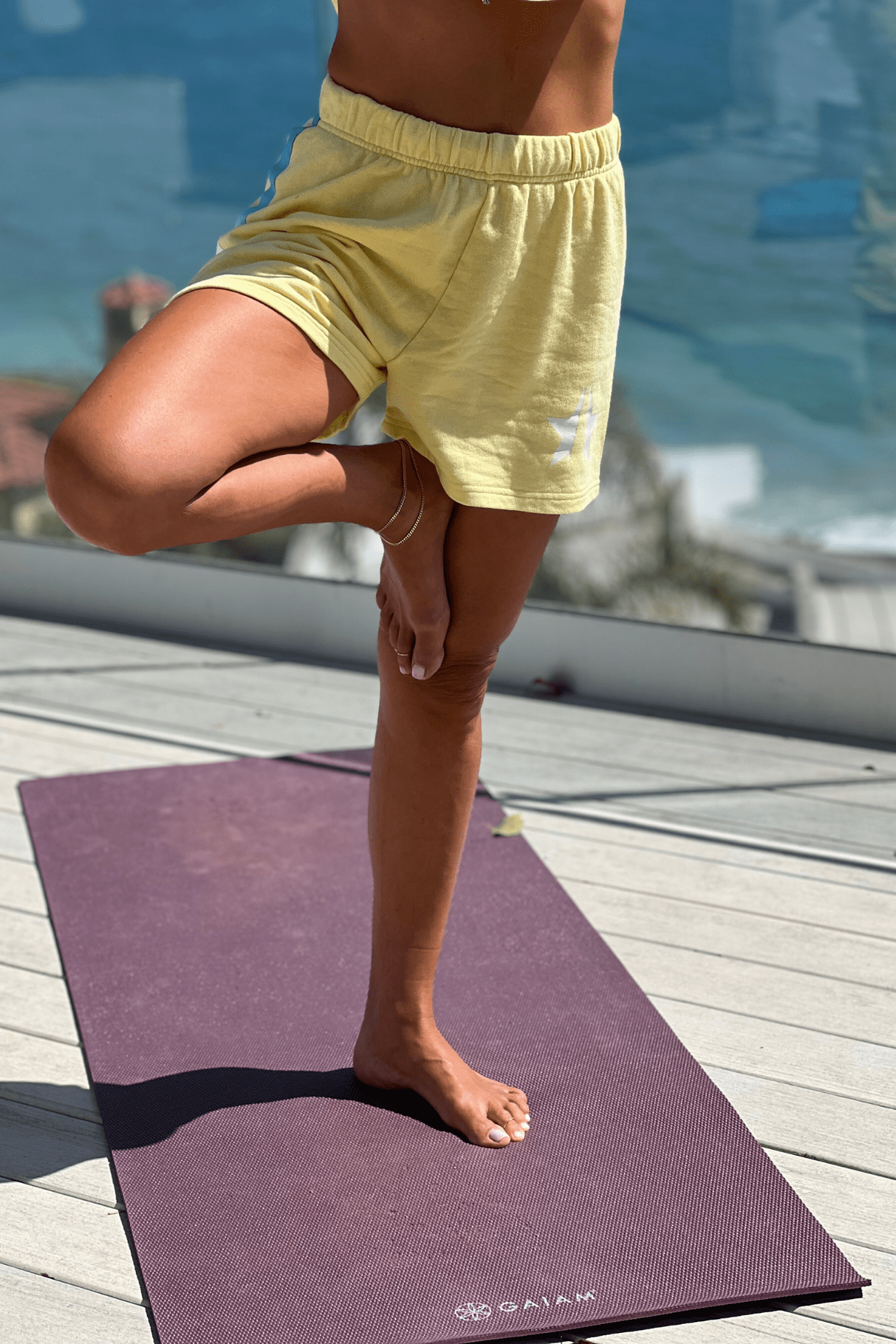
Choosing non-toxic activewear offers benefits for both personal health and environmental sustainability. For your body, it actively reduces your unnecessary exposure to harsh substances where cleaner options readily exist. For the planet, it means supporting fewer plastic-based fibers, demanding more durable garments, and establishing washing habits that cut down on microplastic shedding.
At GFL, we recognize that the garments you wear interact continuously with your personal energy field. When you choose materials free from harsh synthetics and toxic dyes, you are actively respecting your physical vessel. Moving, resting, and sweating in clean apparel is an extension of a mindful lifestyle, ensuring your clothing genuinely supports your overall well-being rather than taxing your system.
How Regulations Are Pushing Toxins Out of Activewear
Several U.S. states are introducing regulations that restrict chemicals such as PFAS in clothing and textile products.
States are beginning to strictly target the use of forever chemicals in everyday clothing. California, for instance, introduced AB 1817 to explicitly restrict the inclusion of PFAS in textile articles. Colorado’s SB24-081 places firm restrictions and mandates clear disclosures for PFAS in certain outdoor apparel. Washington has also integrated clothing into its Safer Products program to prevent manufacturers from adding these chemicals. This legislative wave is a hopeful turning point for fashion.
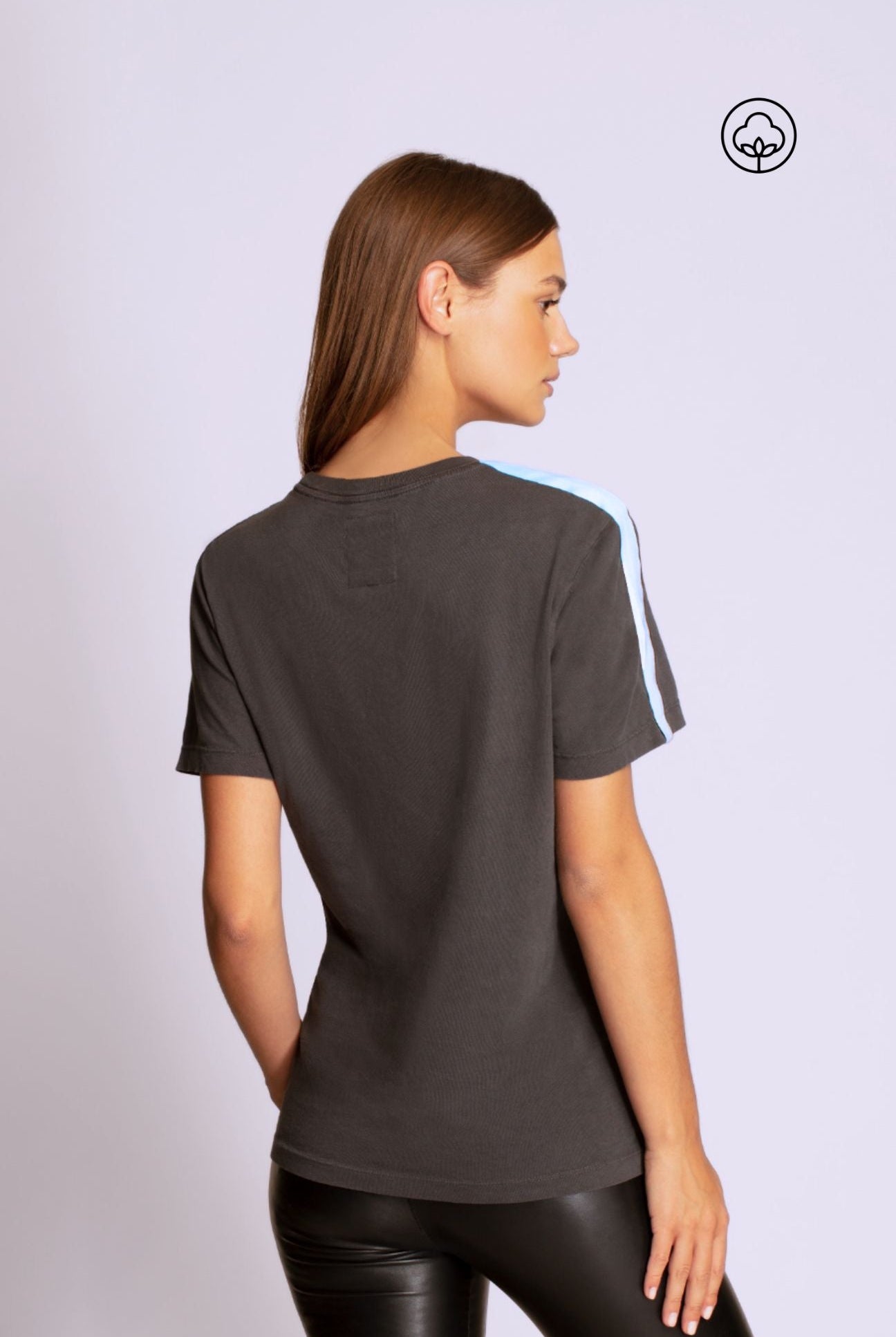
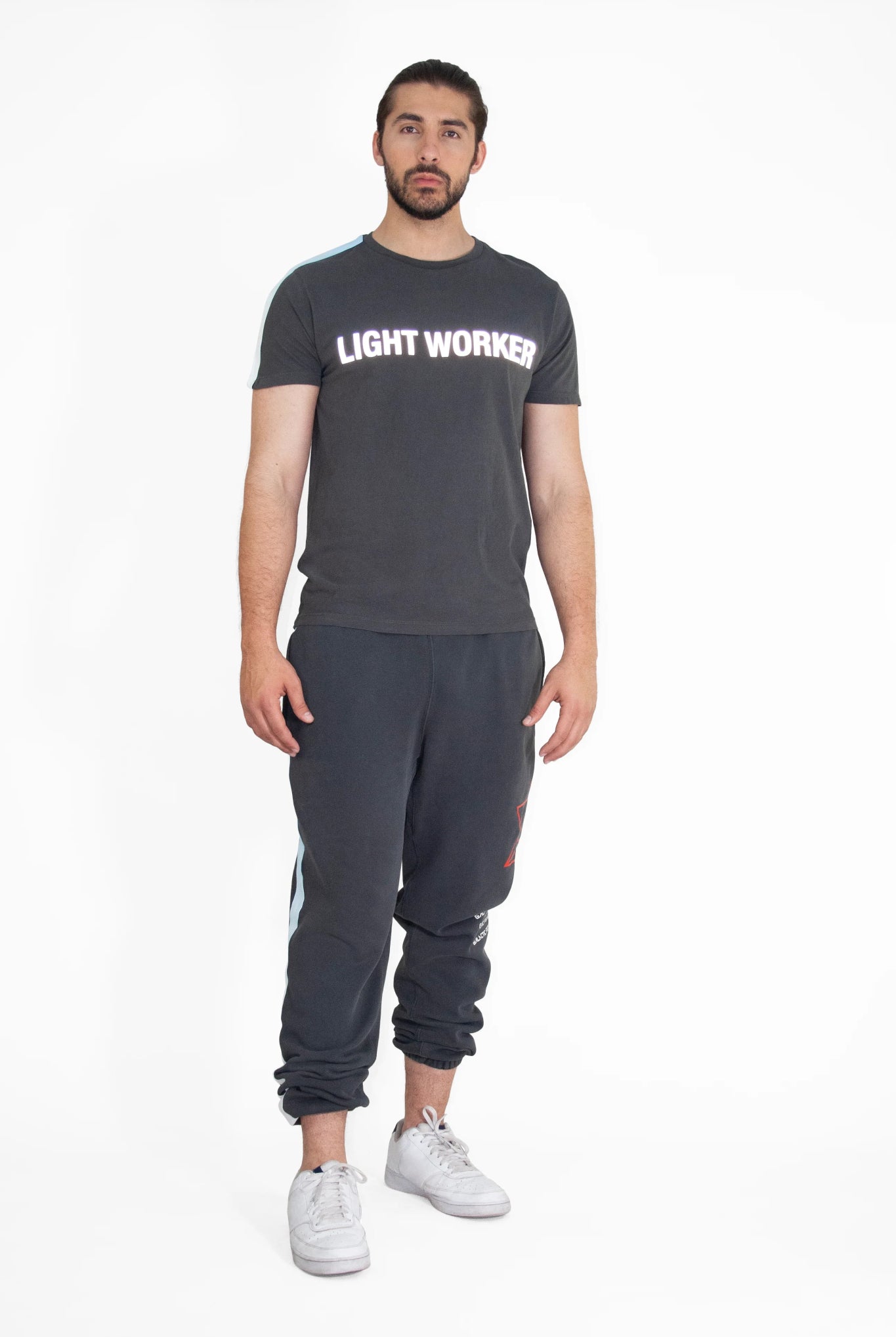
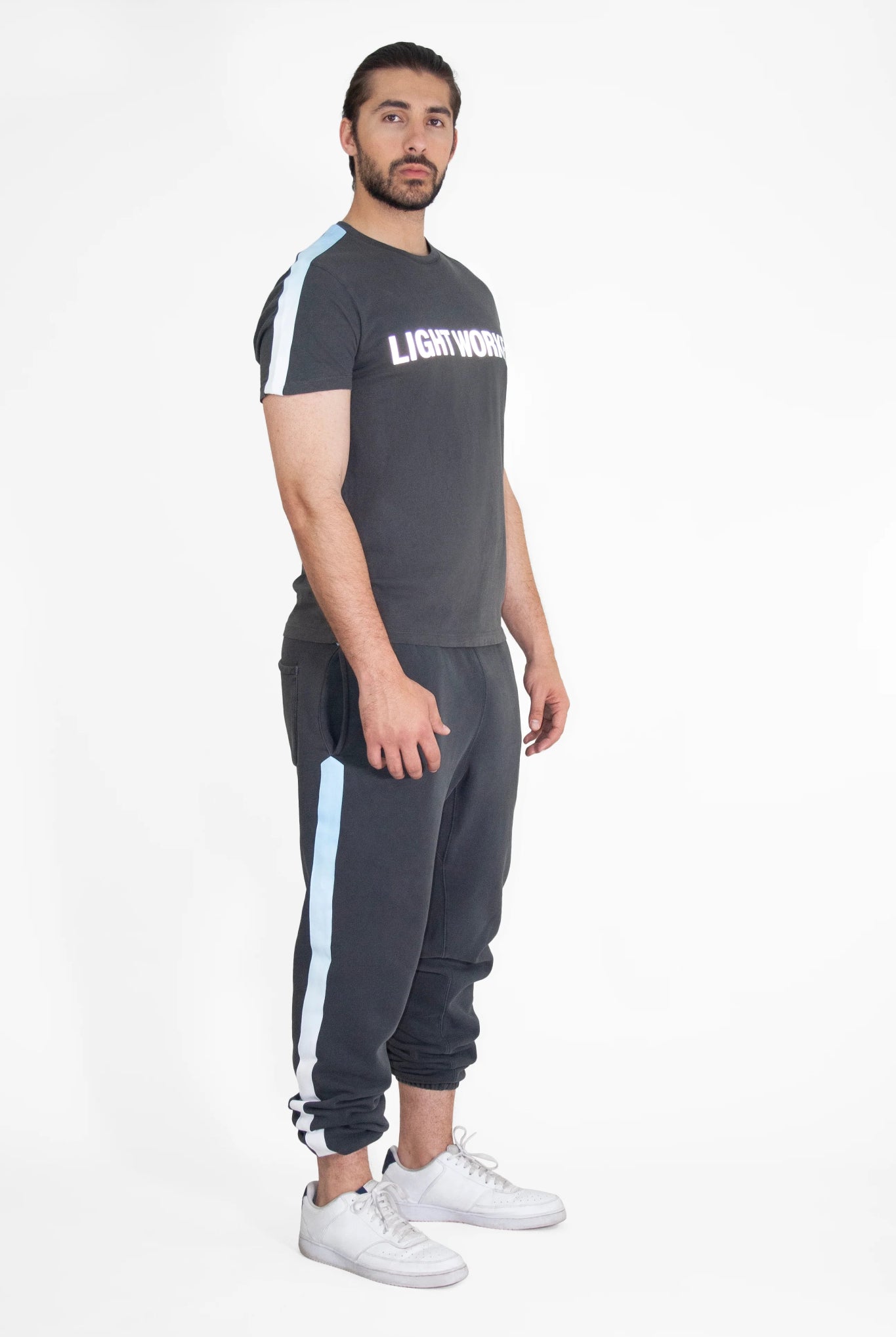
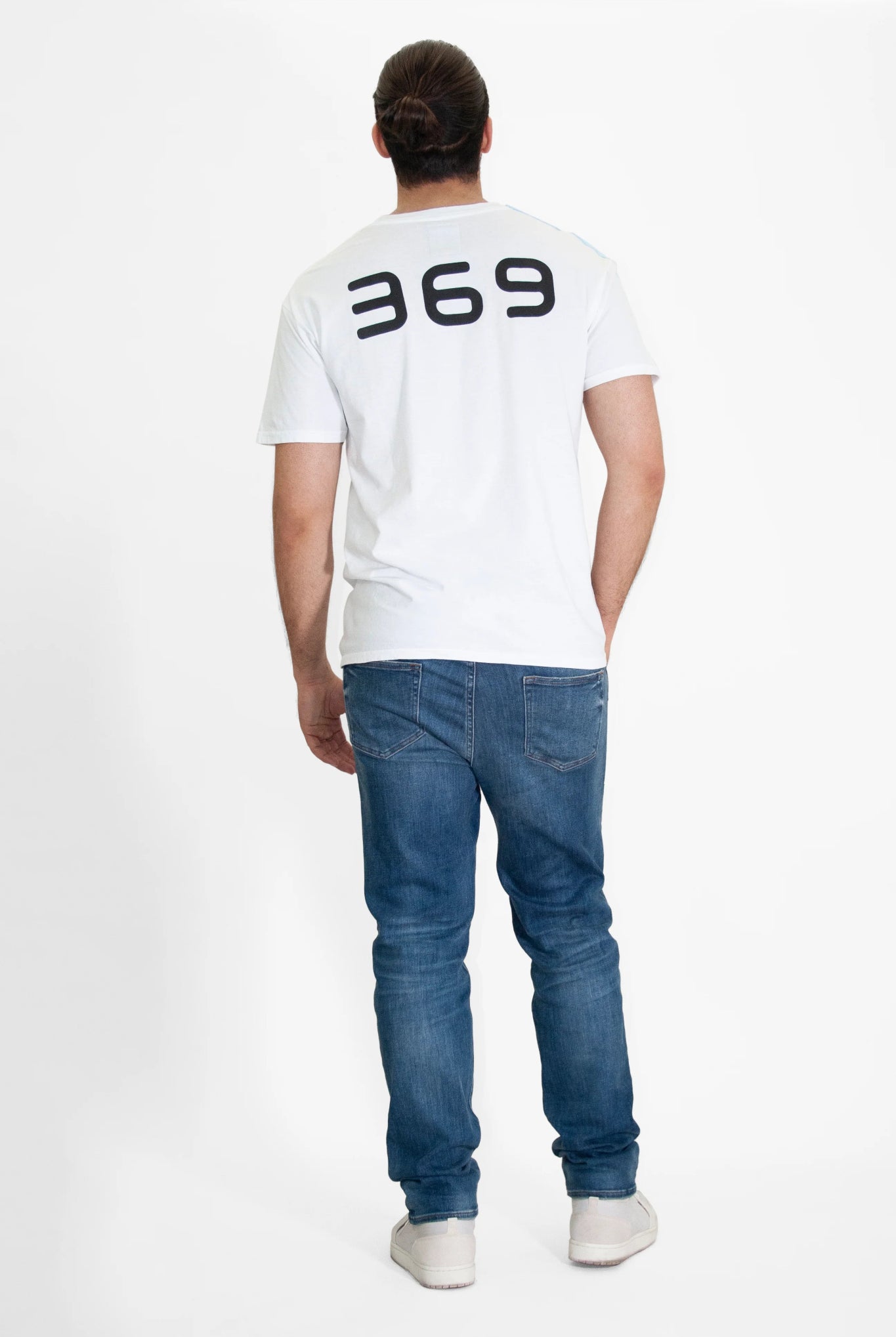
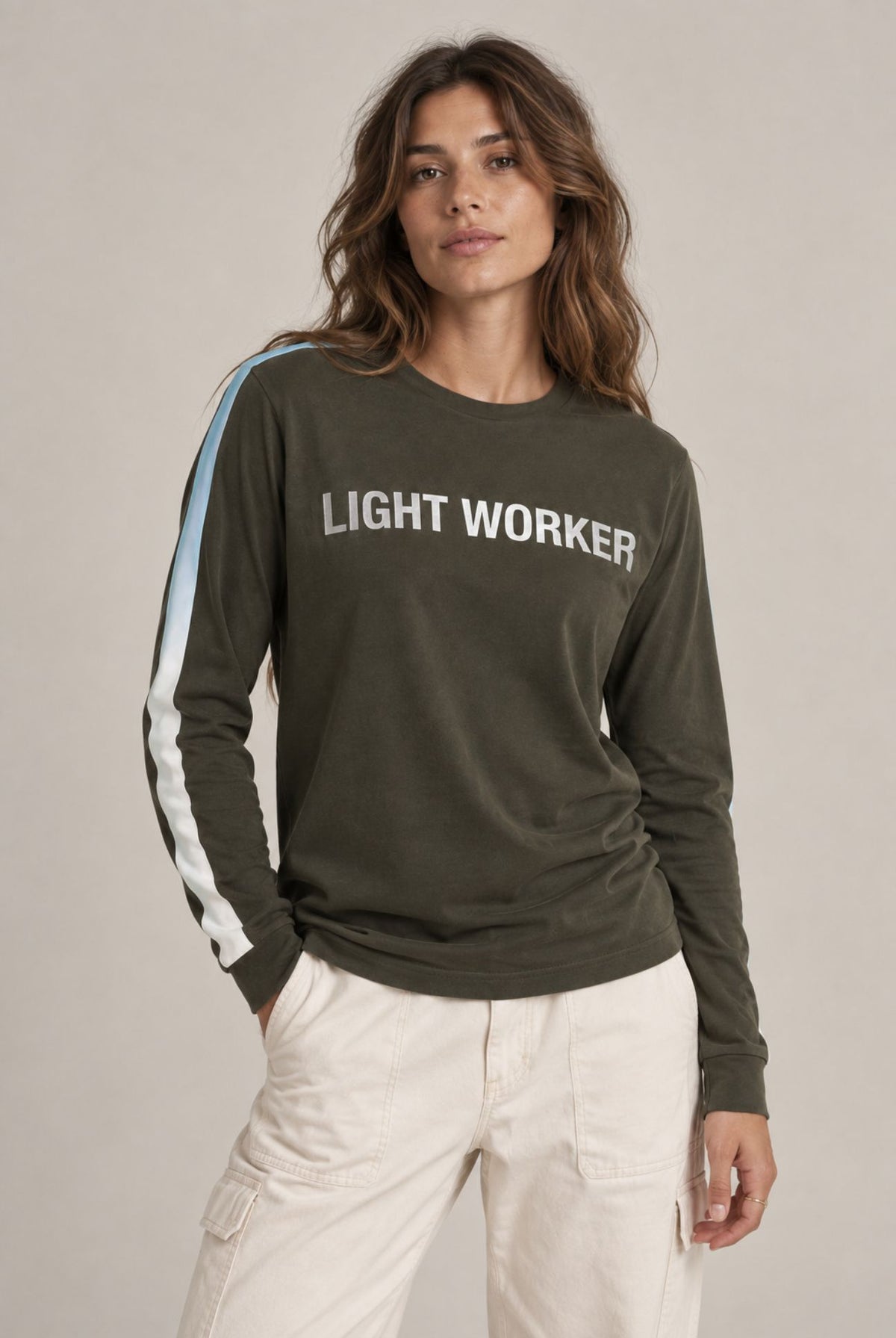
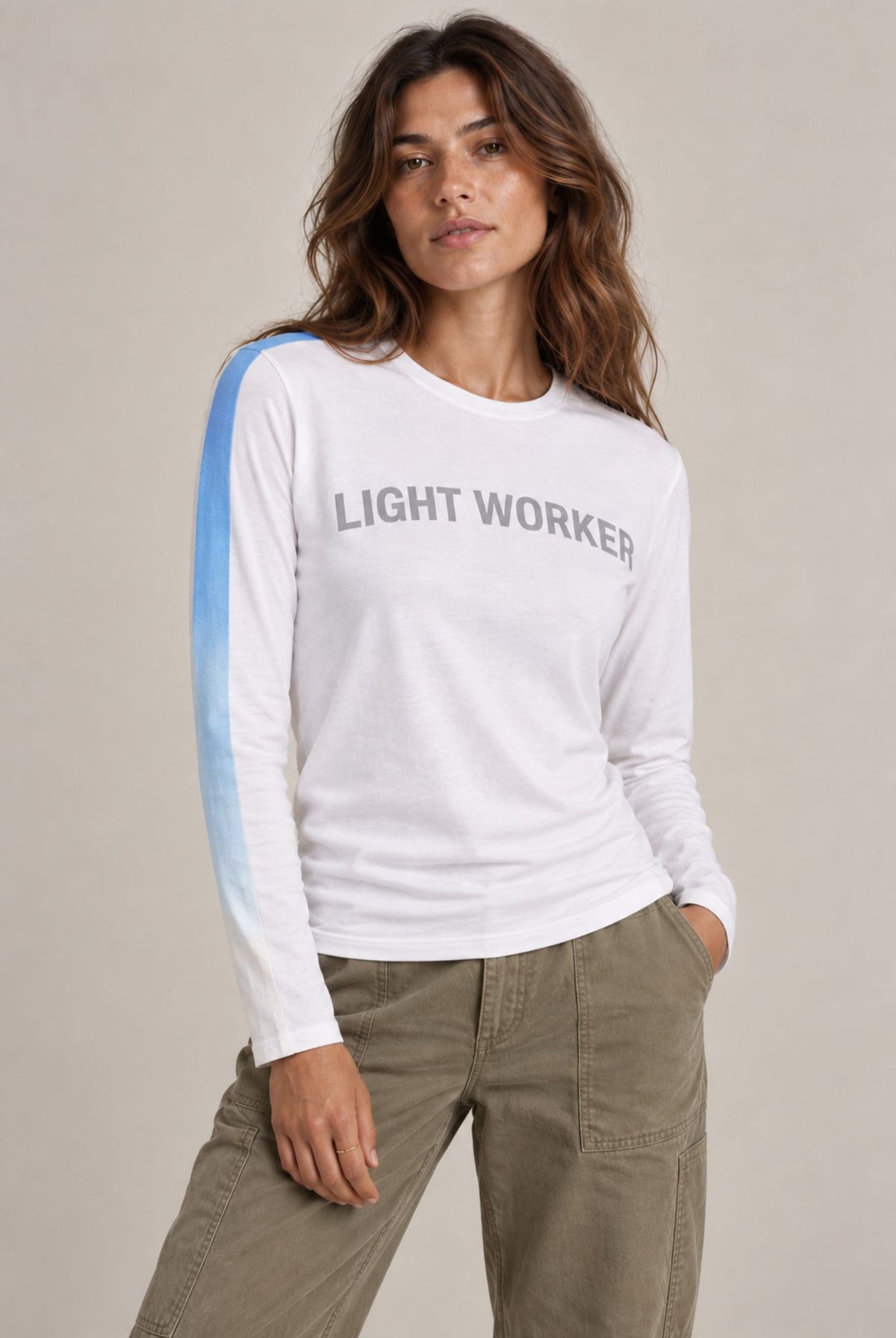
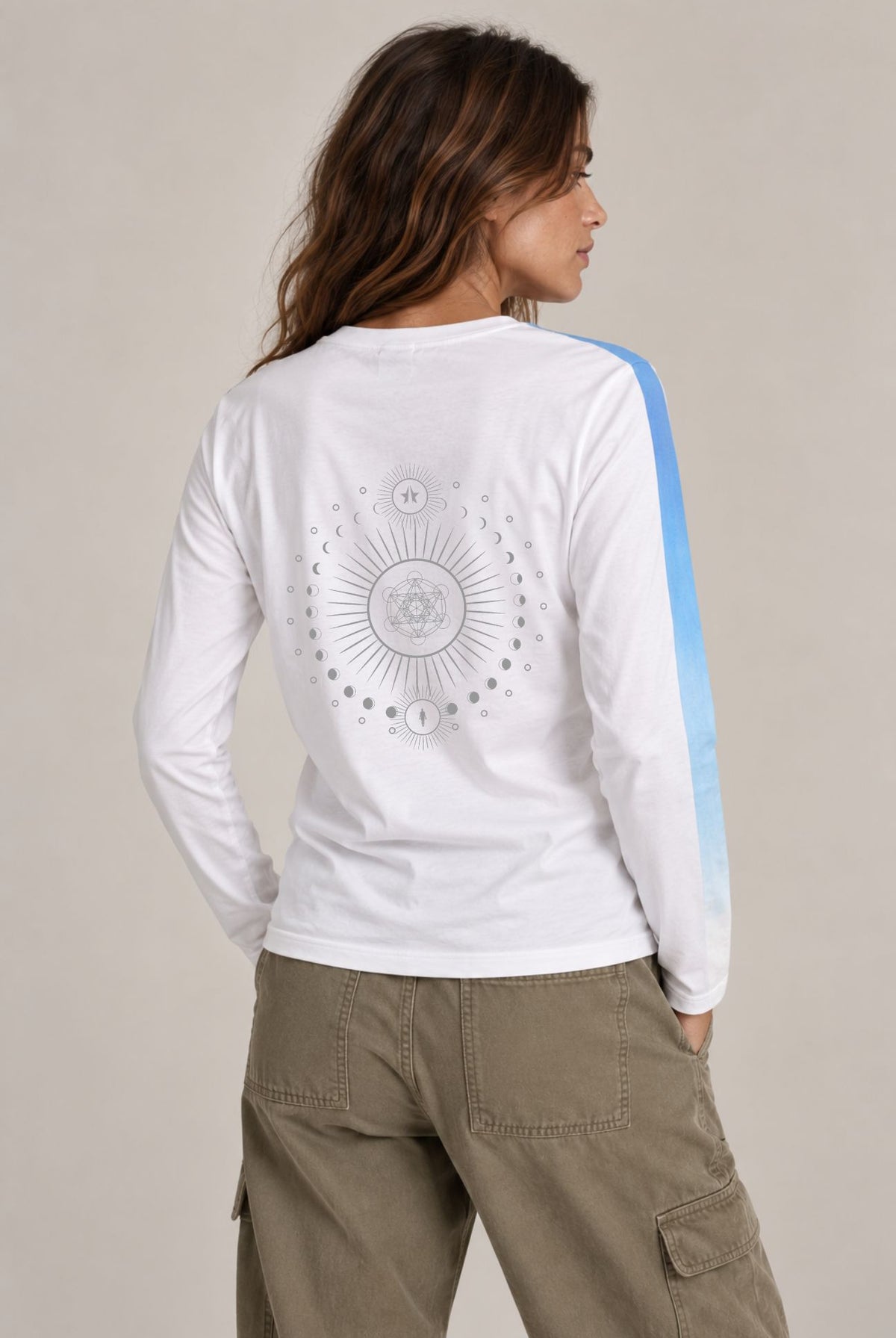
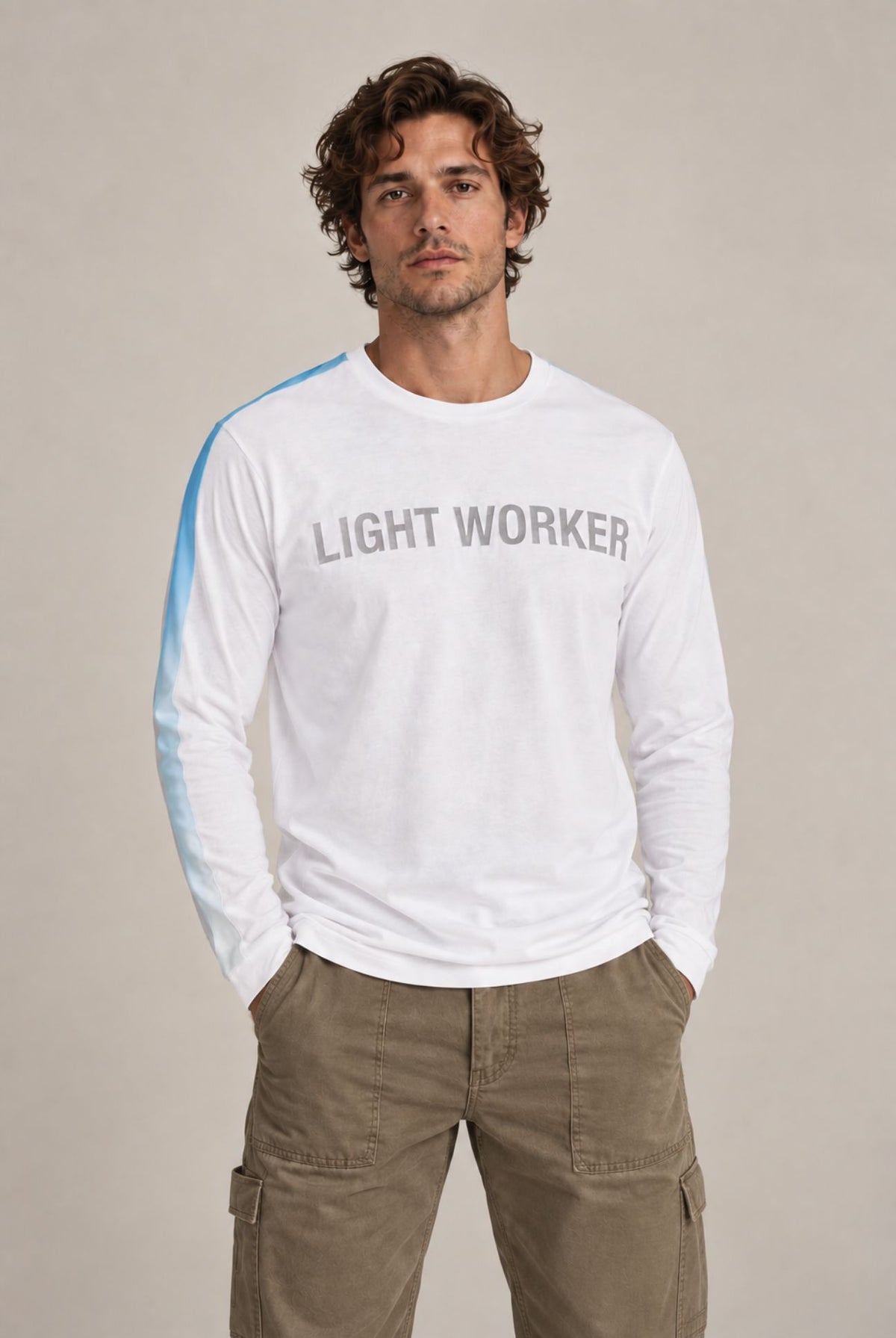
Detox Your Closet With Our Organic Cotton Collection
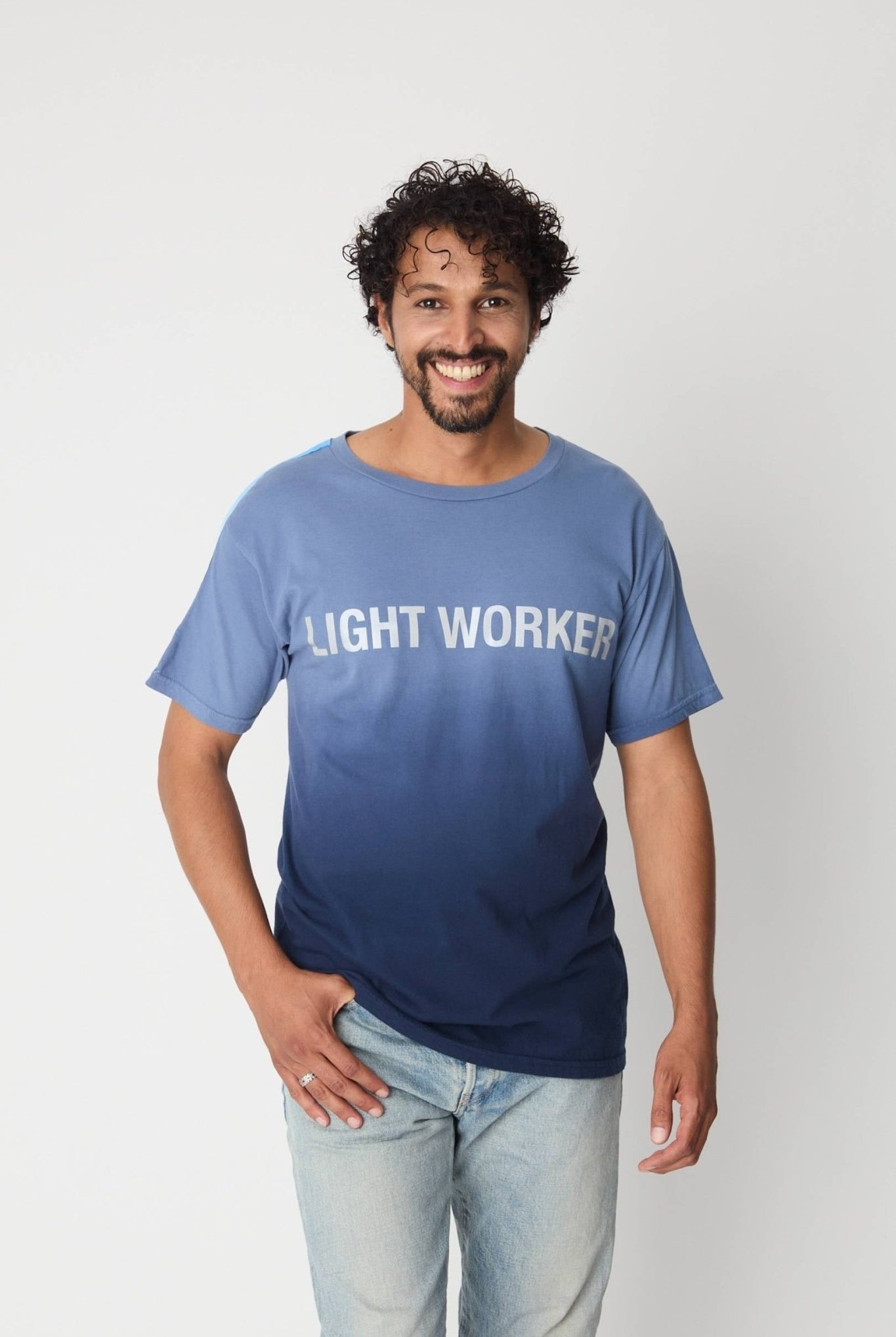
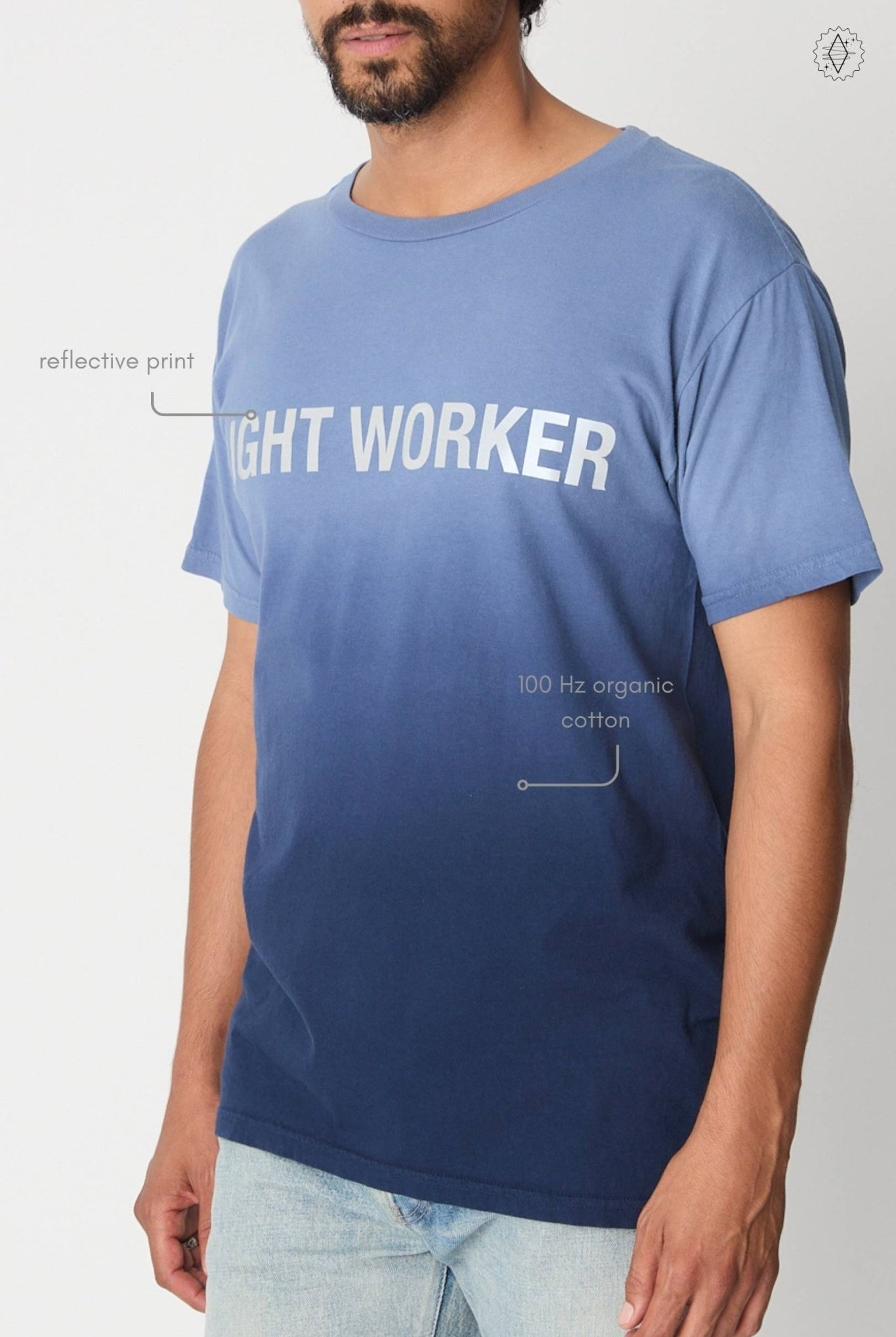
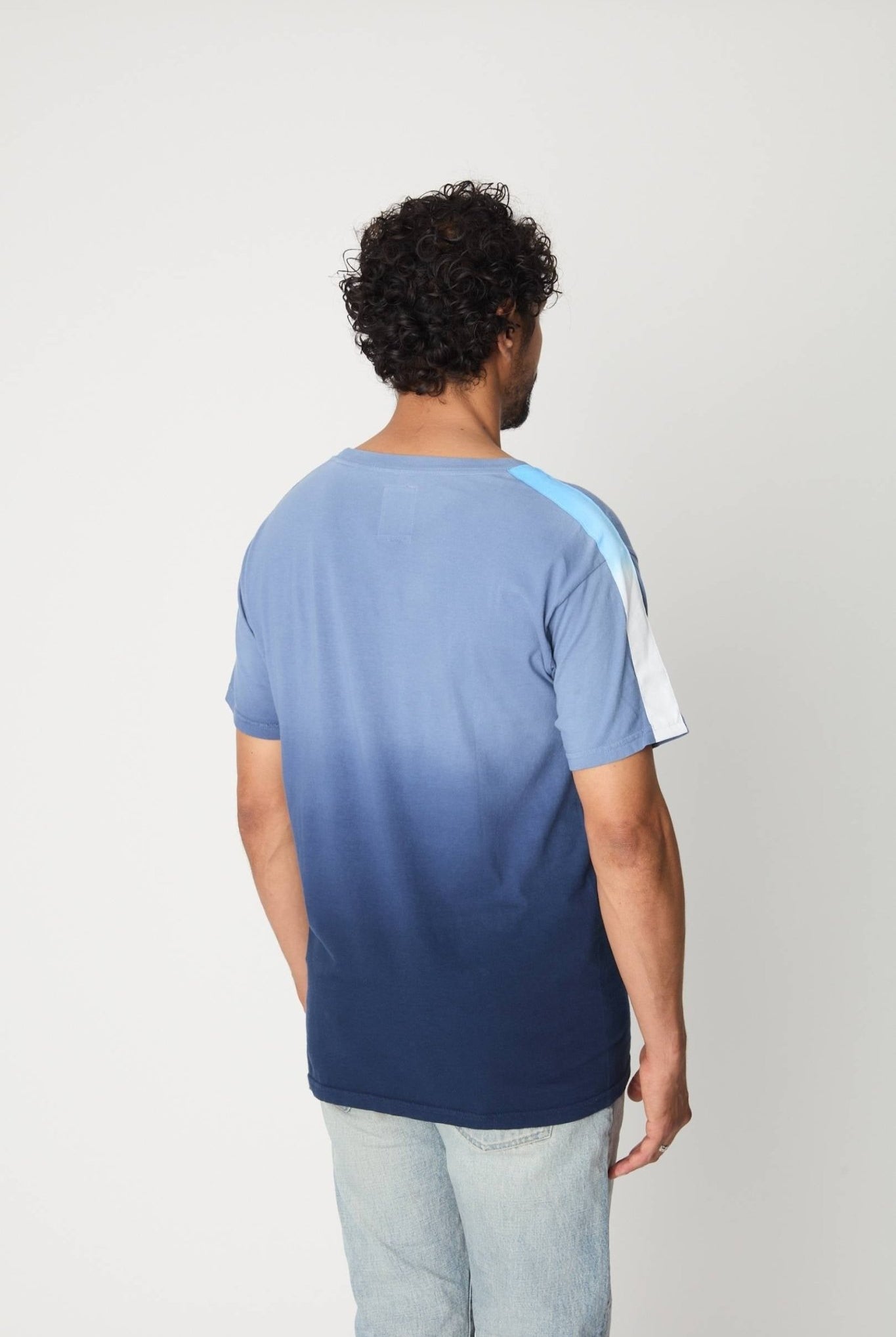
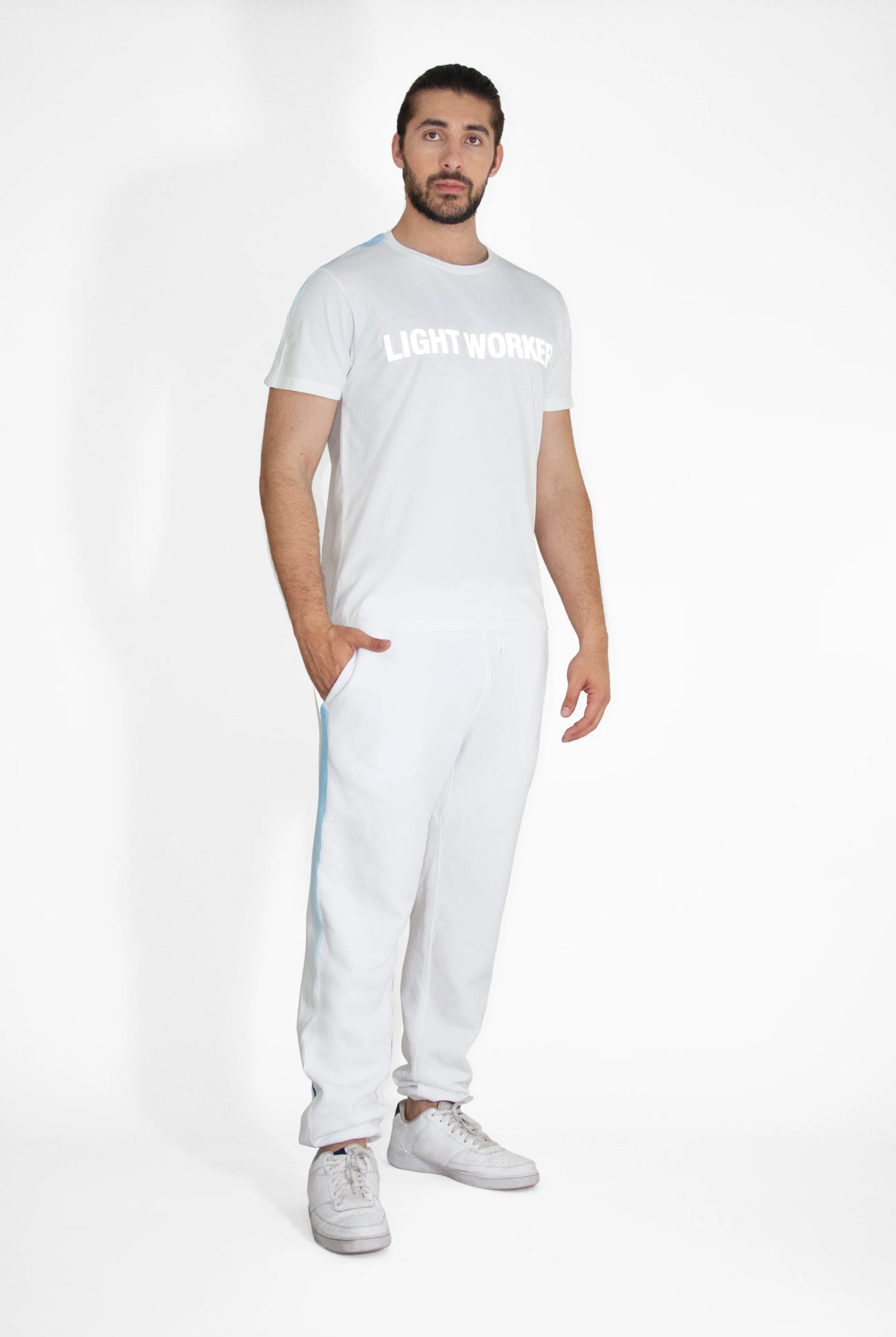
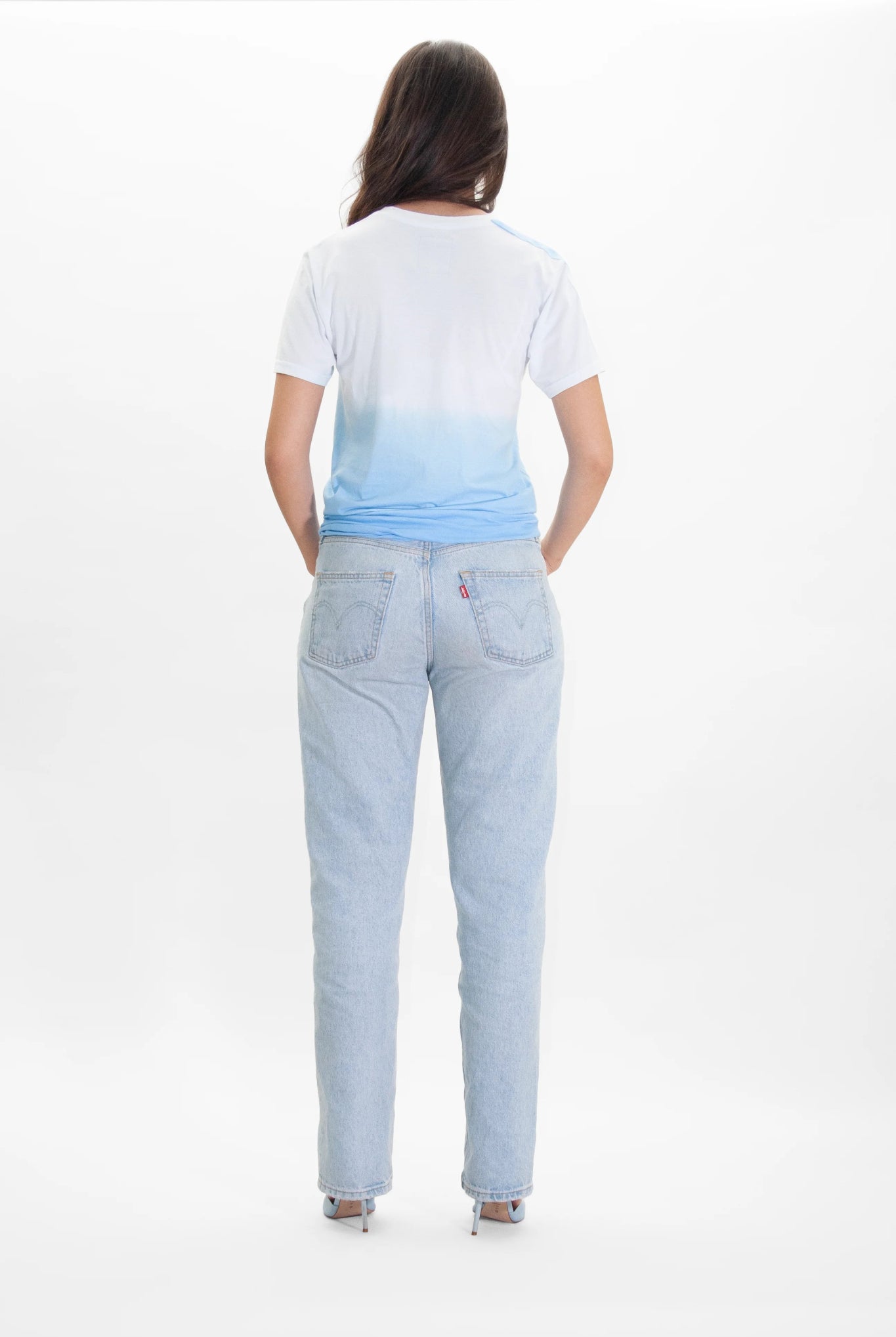
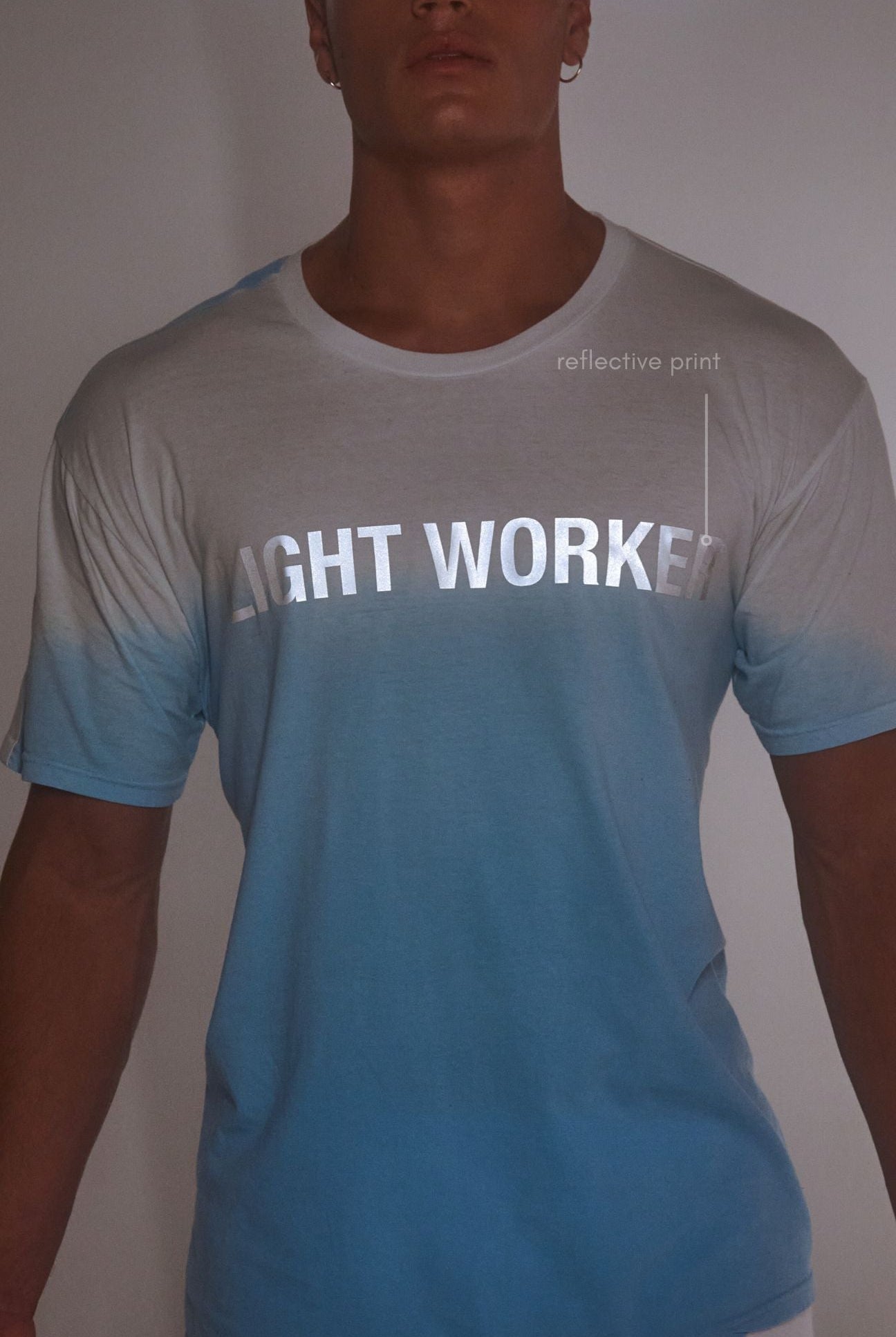
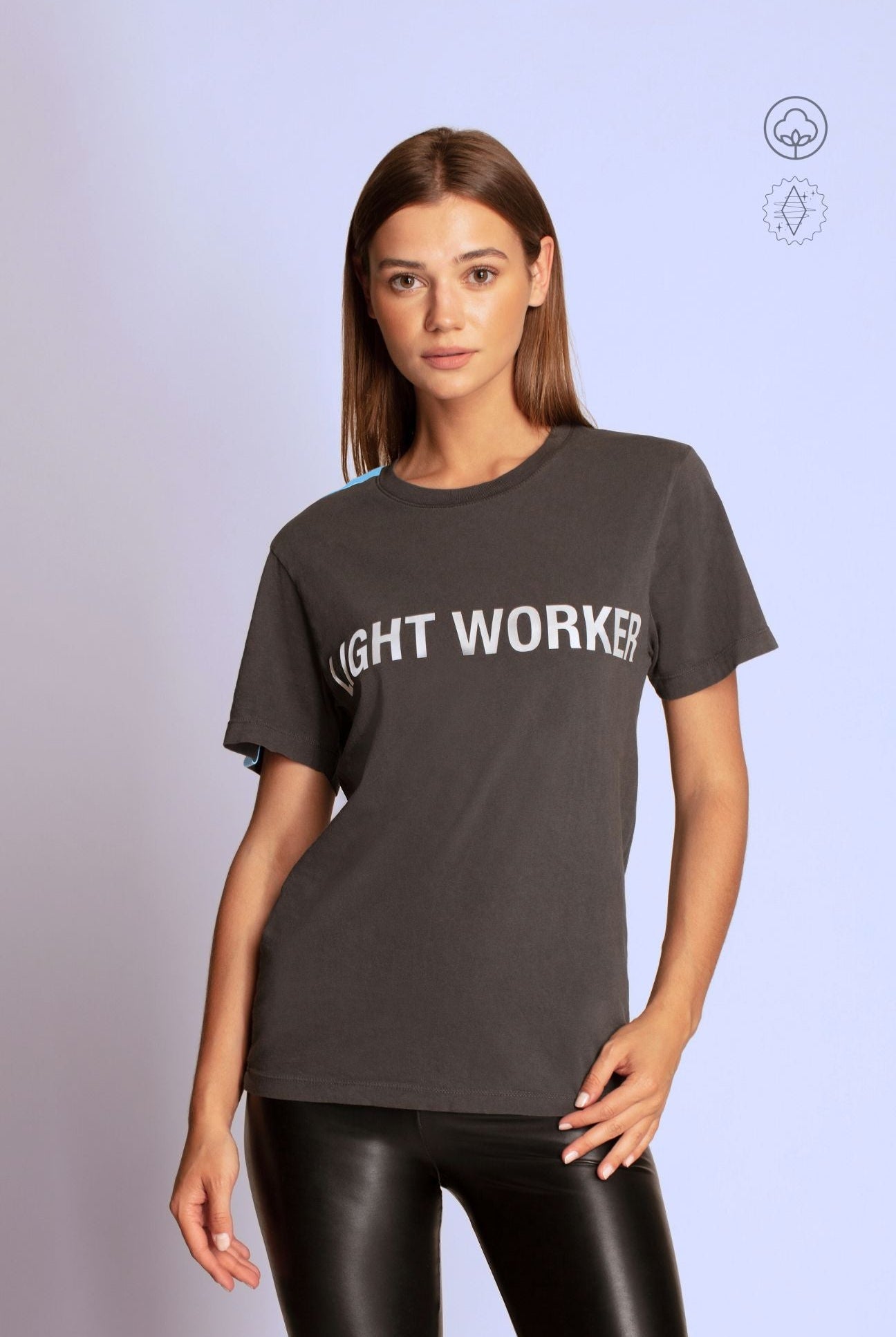
Your physical practice is a fundamental part of your mindful lifestyle. The clothing you wear during a workout or meditation should naturally support your health rather than introduce unnecessary chemical risks. At GFL, we design our apparel with this very standard in mind.
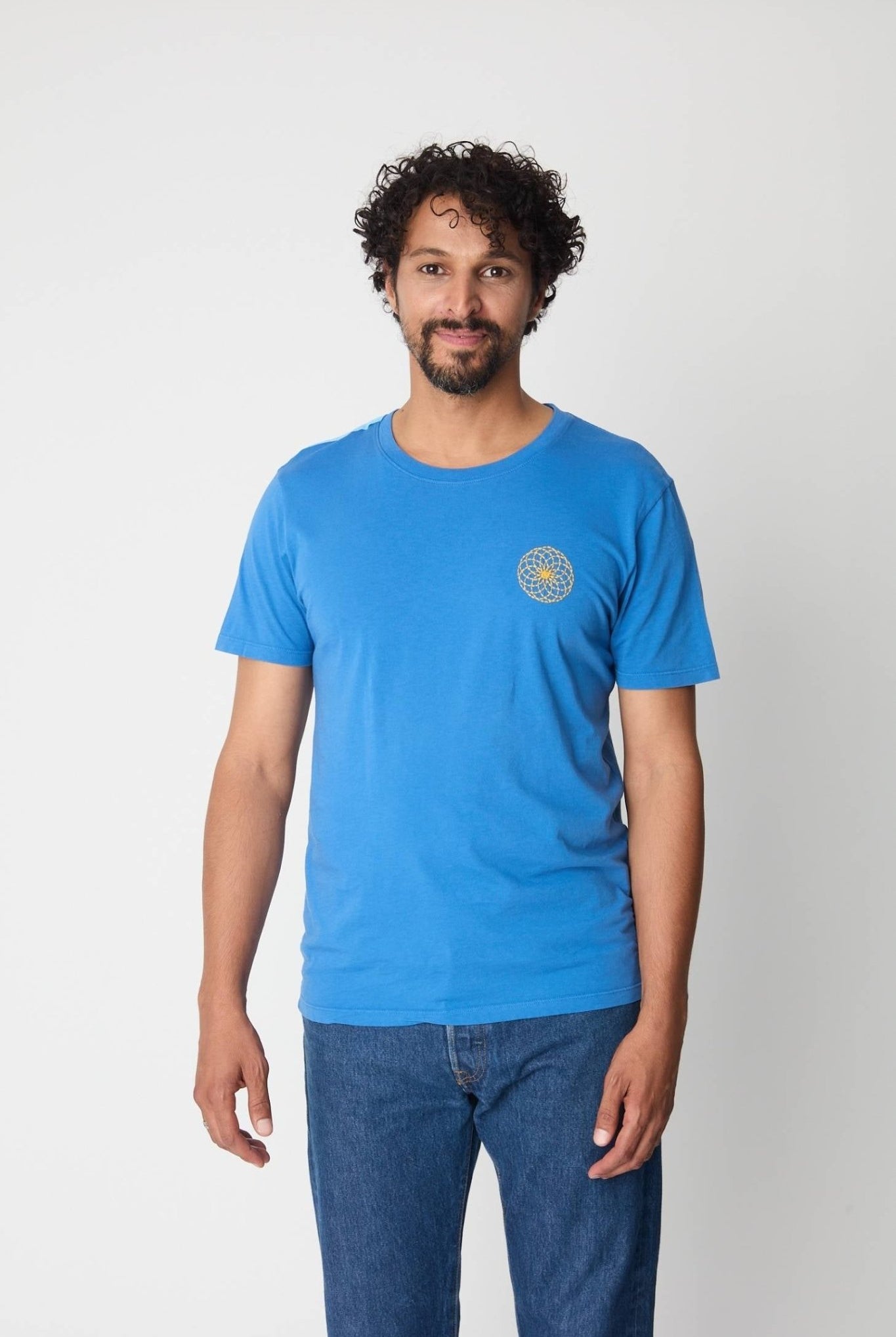
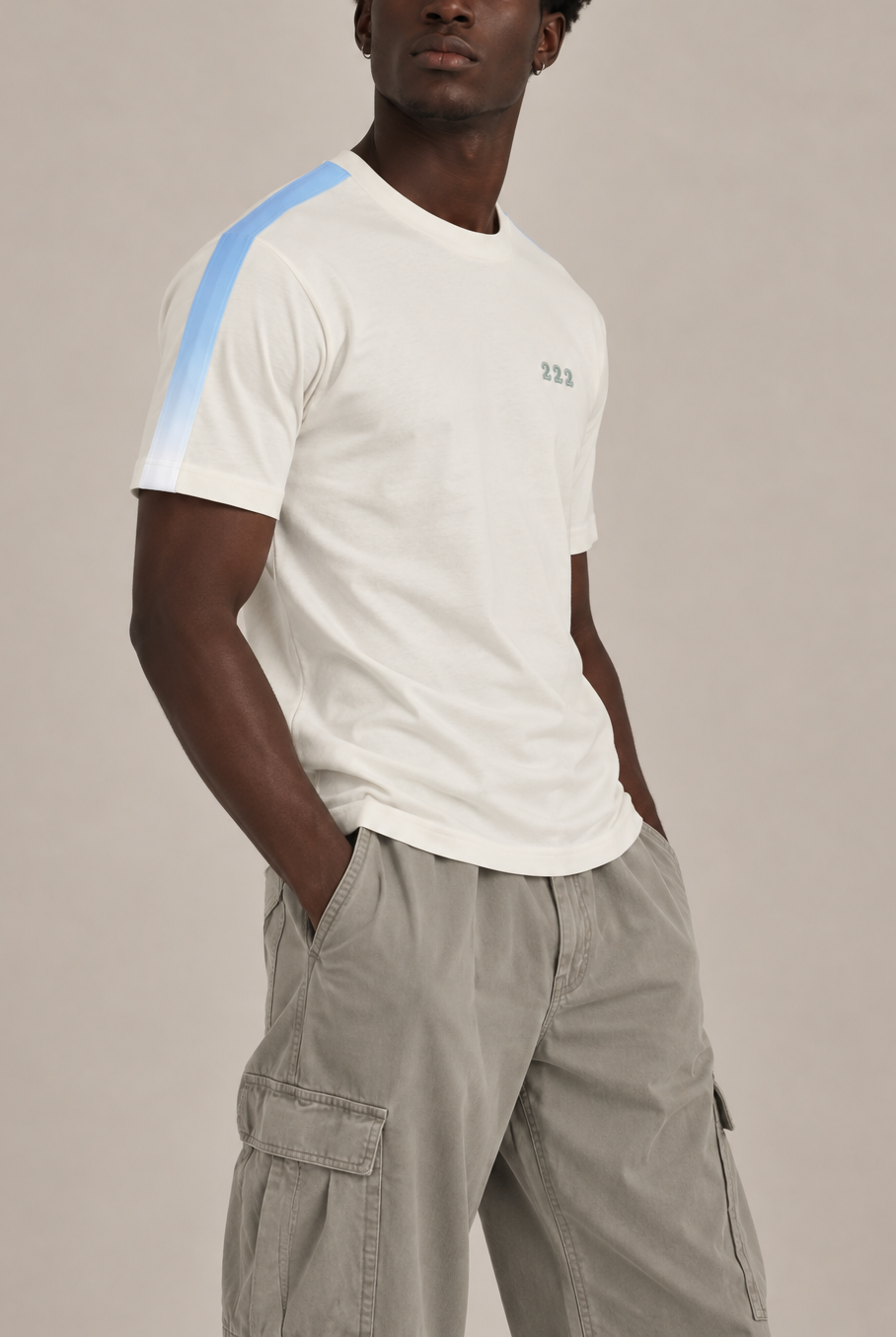
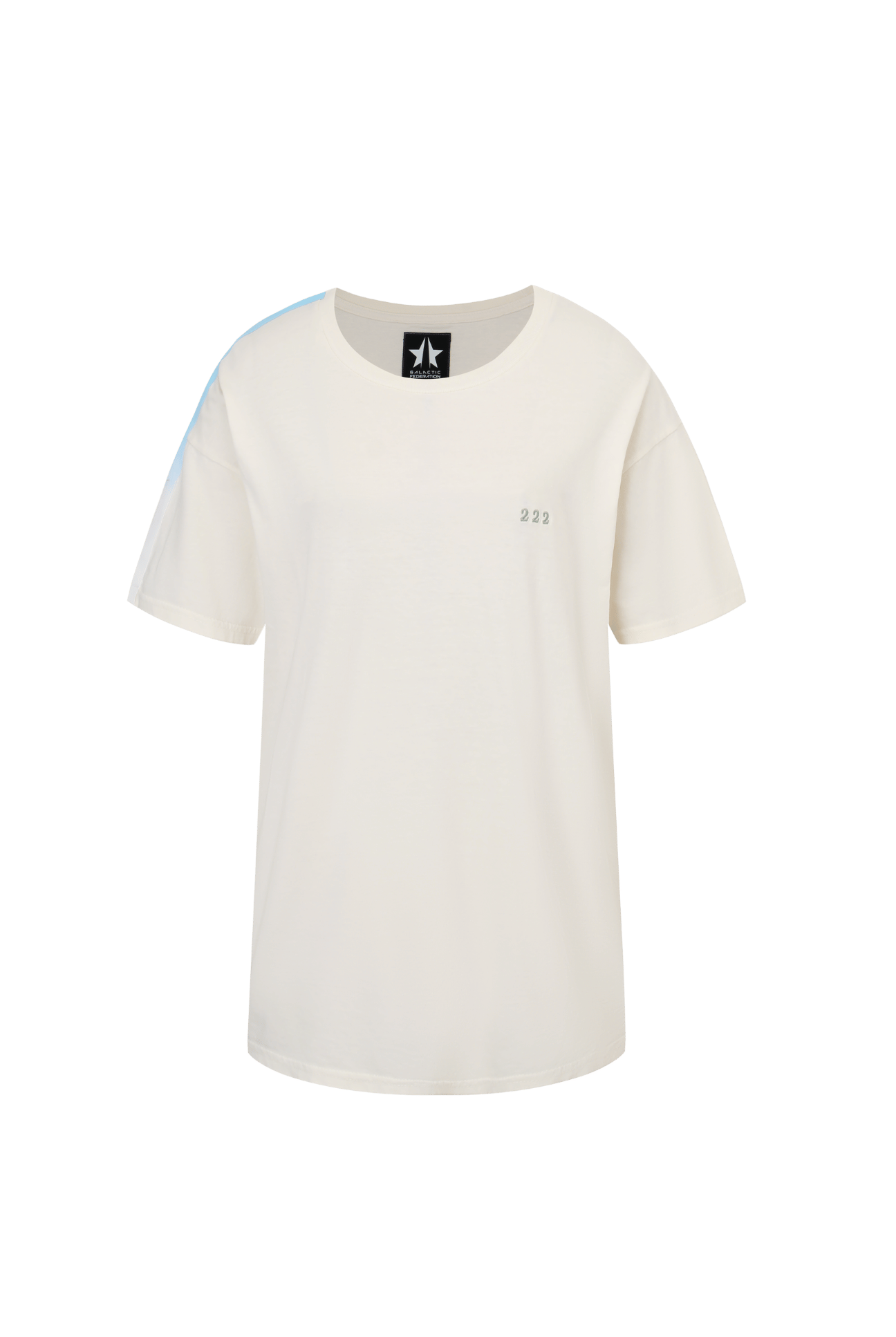
We invite you to choose cleaner, more breathable, organic cotton pieces that move effortlessly with your body. By integrating mindfully crafted clothing into your routine, you ensure your daily movement stays grounded in safety and respect for the environment. Explore our Organic Cotton Collection today.
Published
Updated
Frequently Asked Questions About Non-Toxic Activewear
-
Non-toxic activewear is not entirely ‘chemical-free,’ as all physical matter contains chemicals. The term means the clothing is intentionally manufactured to avoid harmful synthetic substances like PFAS, BPA, and harsh dyes, prioritizing safer and more transparent material choices.
-
Yes, organic cotton is one of the best materials for non-toxic activewear because it is breathable, soft against the skin, and grown without synthetic pesticides. This makes it ideal for low-intensity workouts, yoga, and daily movement.
-
Sports bras and leggings are a concern because they fit tightly against the skin and are often worn during periods of heat and sweat, increasing potential exposure to chemical finishes, dyes, and synthetic materials.
More About Galactic Federation of Light

Sustainable Machine-Washable Loungewear Fabrics
Explore sustainable machine-washable loungewear fabrics, including organic cotton and recycled blends, for durable, comfortable, easy-care lounge sets.
Spiritual Clothing Brands: How to Choose Meaningful Spiritual Clothing
A guide to spiritual clothing brands: what sets them apart, the symbols and colors they use, and 5 things to look for when choosing meaningful pieces.