Published
Updated
The clothes resting against your skin right now are not neutral. Every thread carries energy, origin story, and intention—or perhaps a complete lack of one. Environmentally conscious clothing refers to garments made with sustainable materials and low-impact production methods that reduce environmental harm. Most of us weren’t taught to think about clothing in this way; we were taught to think of trends, price tags, maybe quality.
But something is shifting. More people are starting to feel what they wear affects more than just how they look, but also how they feel, move, even how they relate to the world around them. Environmentally conscious clothing brands, including GFL, are moving toward a model where outer values, like planetary stewardship, align better with inner ones. Conscious fashion is becoming a new meeting point between sustainability and intention.
The Environmental Impact of Fast Fashion
Most clothing today comes with a cost.
The fashion and textiles industry currently accounts for somewhere between 2% and 8% of global greenhouse gas emissions. That’s not a small number. It puts fashion in the ranks of industries we usually think of as major polluters. The difference is how quickly clothing is produced, consumed, and discarded.
Water tells a similar story. Textile dyeing and finishing alone contribute about 20% of global industrial water pollution. Rivers in manufacturing regions often run tined with chemical runoff.
And then there’s waste. Less than 1% of old clothing gets recycled back into new clothing. The rest, around 73% of clothing materials, ends up landfilled or burned at the end of life. Synthetic textiles then break down, estimated to make up around 35% of primary microplastics entering our oceans.
The part that often gets missed here is that clothing itself isn’t the problem. Rather, the cycle is.
If a piece gets worn for years, repaired, lived in, and kept, its impact spreads out over time. It comes to be a part of your life instead of just passing through it arbitrarily. The real issue is the pace: buying quickly, discarding quickly, repeating that pattern.
If something is going to exist, be produced, and take resources to create, then it should matter. It should stay; it should mean something to the person wearing it.
It’s easy enough to treat these as distant problems. But if you’re someone who thinks about energy and alignment, what touches your skin becomes part of your field. Choosing environmentally conscious clothing isn’t only about reducing harm but about choosing pieces that are worth keeping.


What Makes a Brand Truly ‘Environmentally Conscious’?
Not every brand throwing around the word ‘sustainable’ is actually practicing it. That word gets used loosely, sometimes as a marketing layer rather than something built into how the company actually operates.
So what should you actually look for?
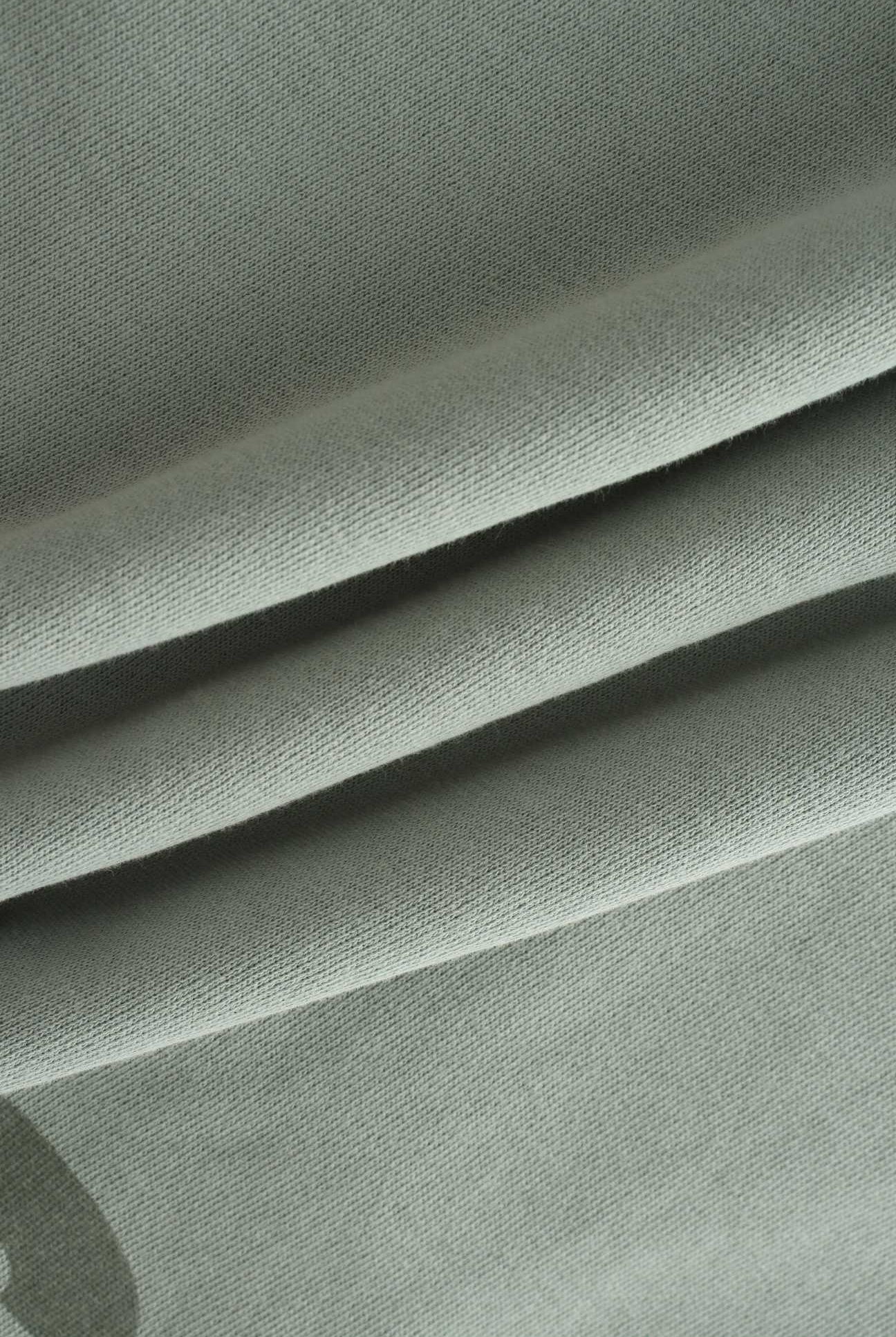
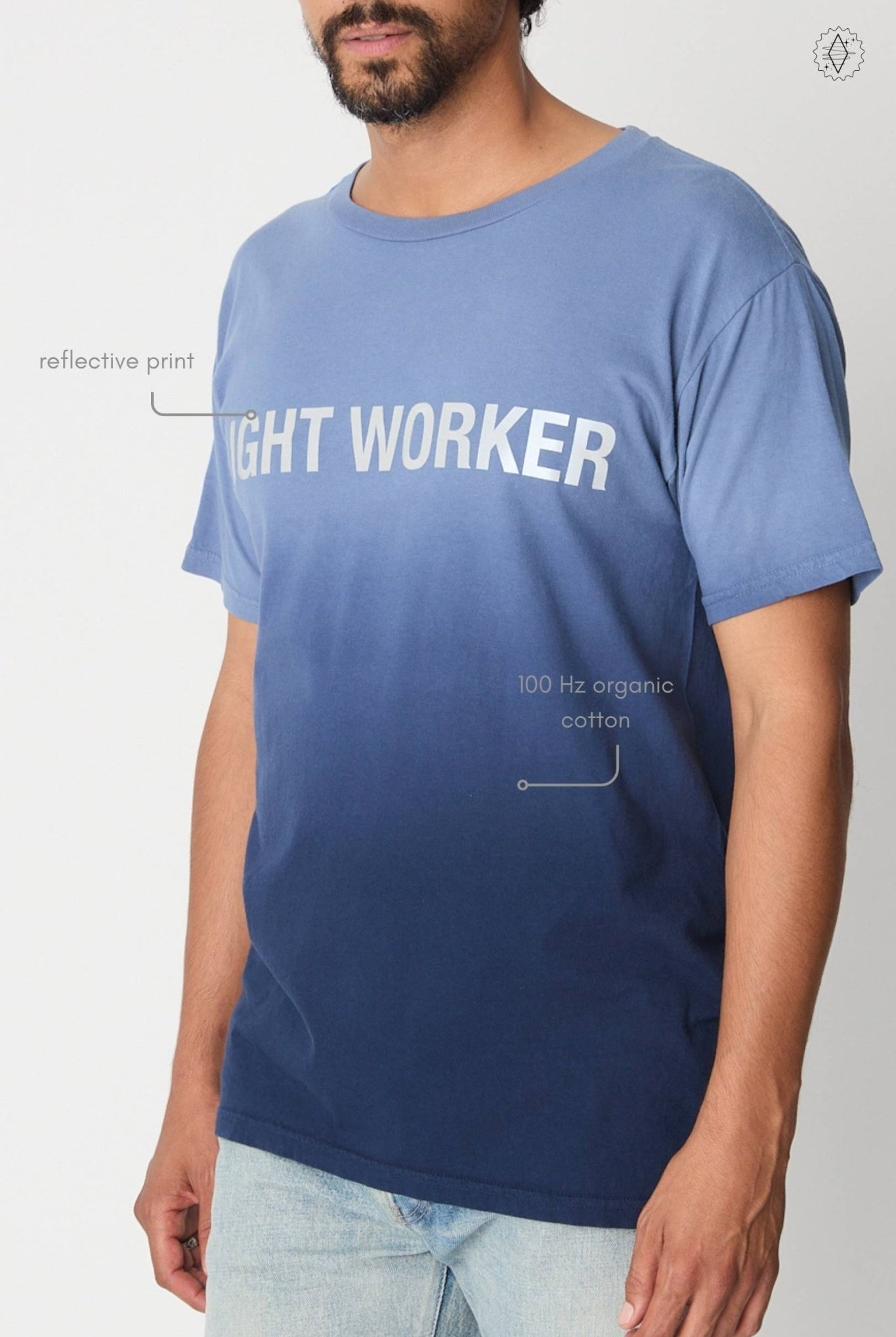
Material choice is one of the biggest factors. Environmentally conscious clothing often starts with organic or low-impact materials (organic cotton, hemp, recycled fibers). These reduce pesticide use, limit water contamination, and wreak way less long-term damage on ecosystems.
Research from the Organic Center and Iowa State University has shown organic cotton measurably reduces pesticide load, water contamination, and ecosystem damage across the entire production chain. That includes the soil, the water, and the people involved in growing and processing it.
Greenwashing is certainly an issue. Some brands highlight one ‘eco-friendly’ feature while ignoring everything else. A conscious consumer looks past the label and looks for resonance between a brand’s claims and its full picture—how things are sourced, made, and ultimately disposed of.

The Spiritual Dimension of Conscious Clothing
If you believe, like we do, that everything vibrates, then clothing isn’t exempt. The fibers, dyes, process; it all contributes to what you’re putting on your body every day.
Some spiritual traditions suggest that synthetic, chemically processed garments may feel less aligned with the body compared to natural fibers. Natural fibers like cotton or raw silk, on the other hand, have long been recognized by ancient wisdom like Ayurveda traditions to be most supportive of physical and energetic health.
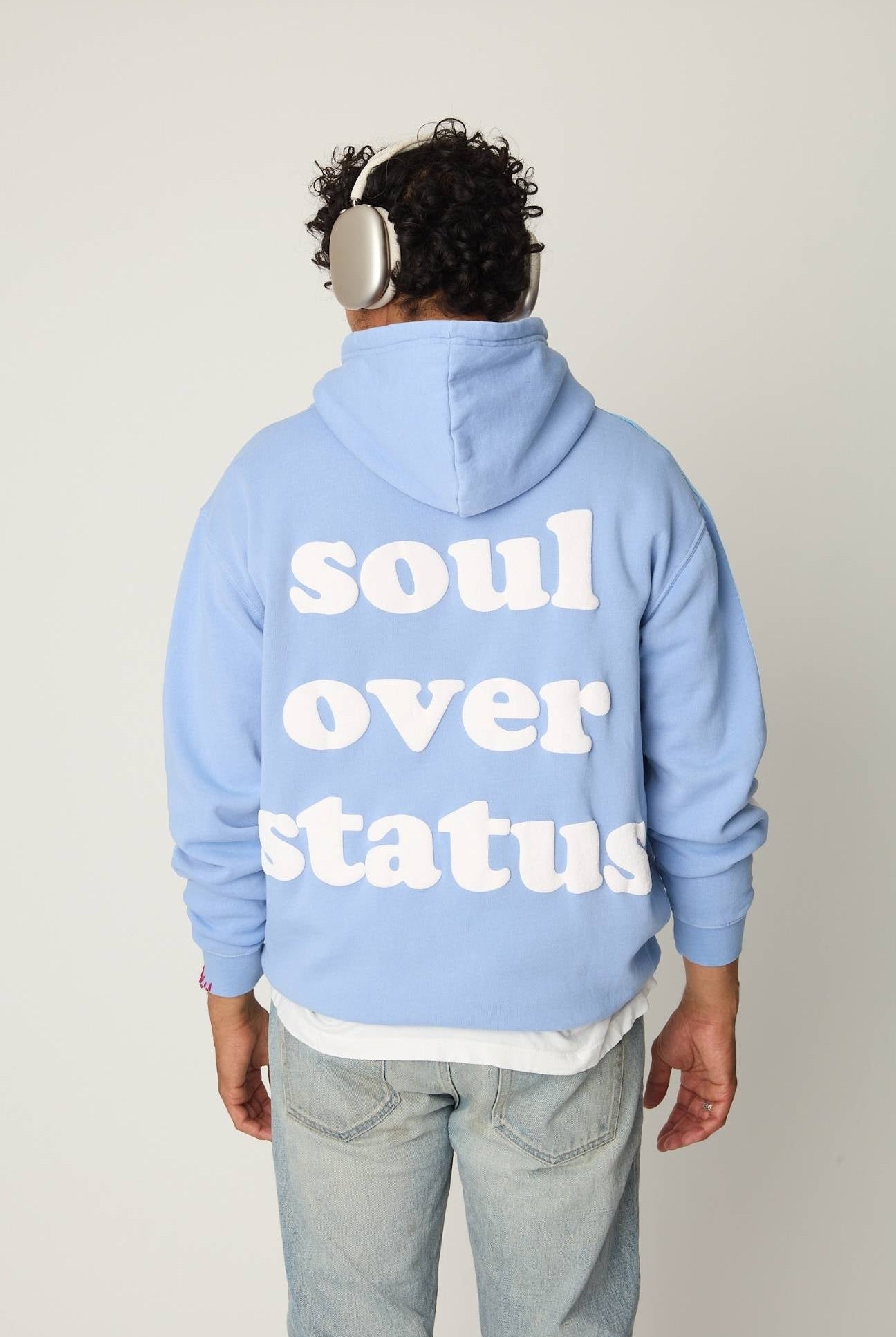
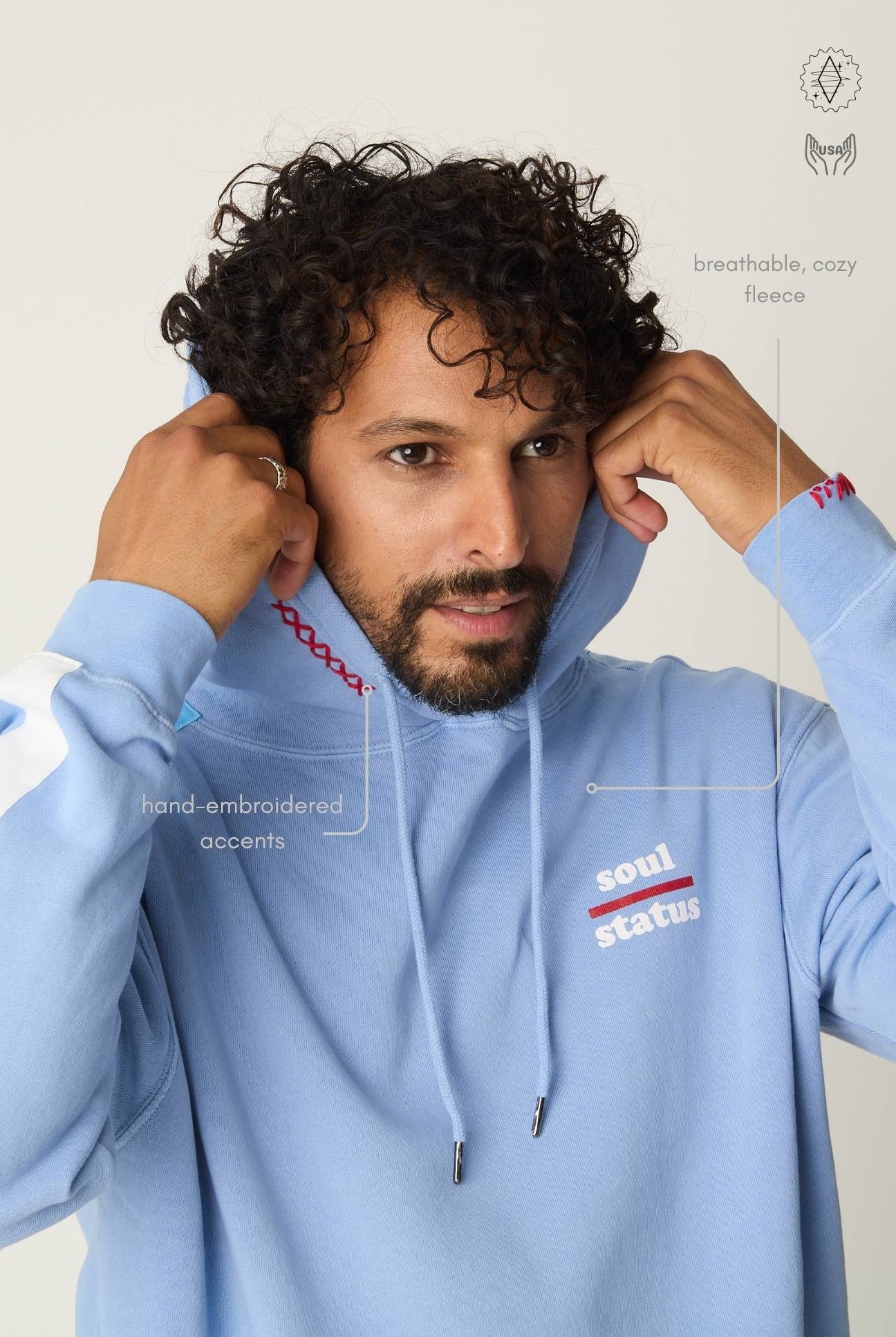
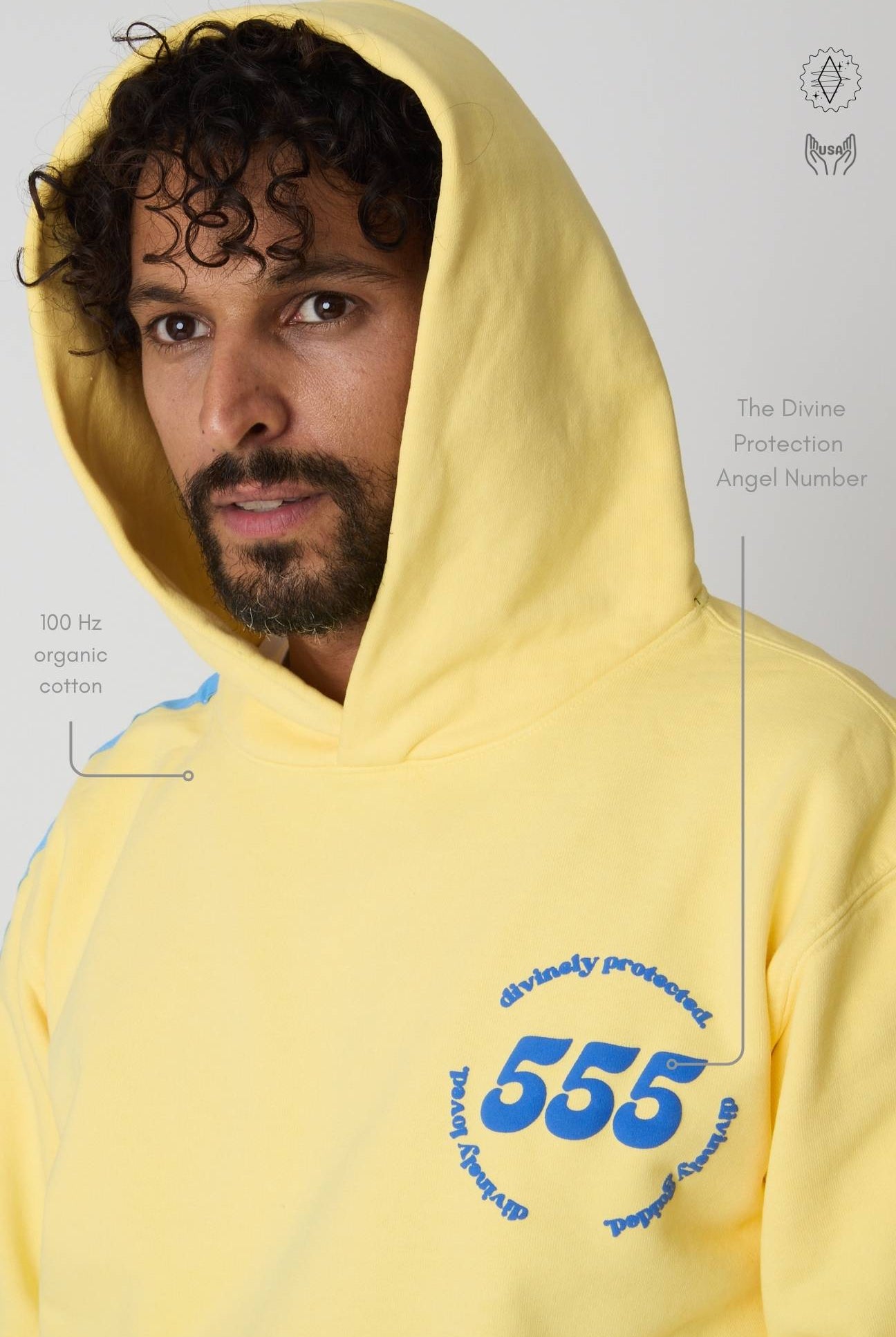
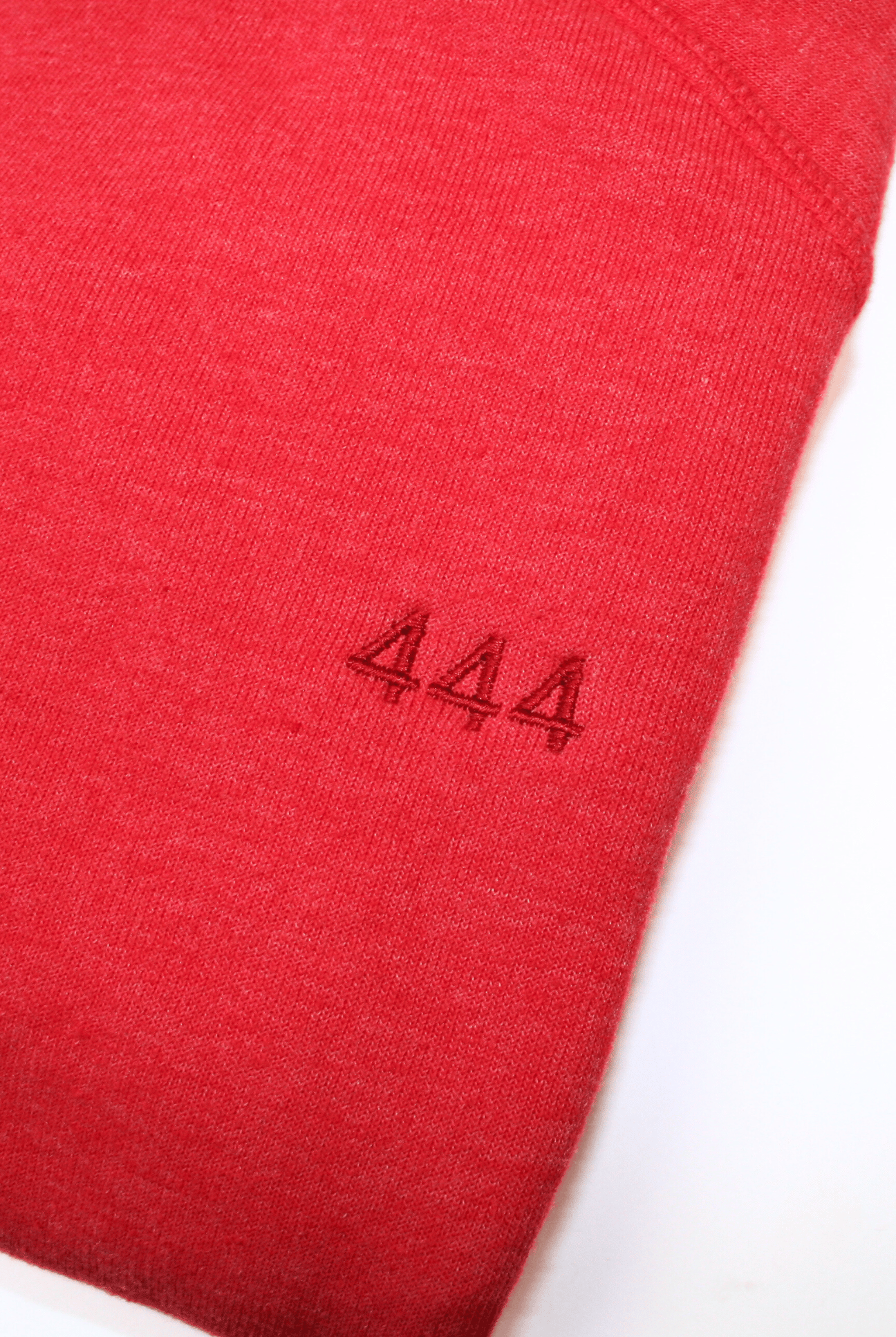
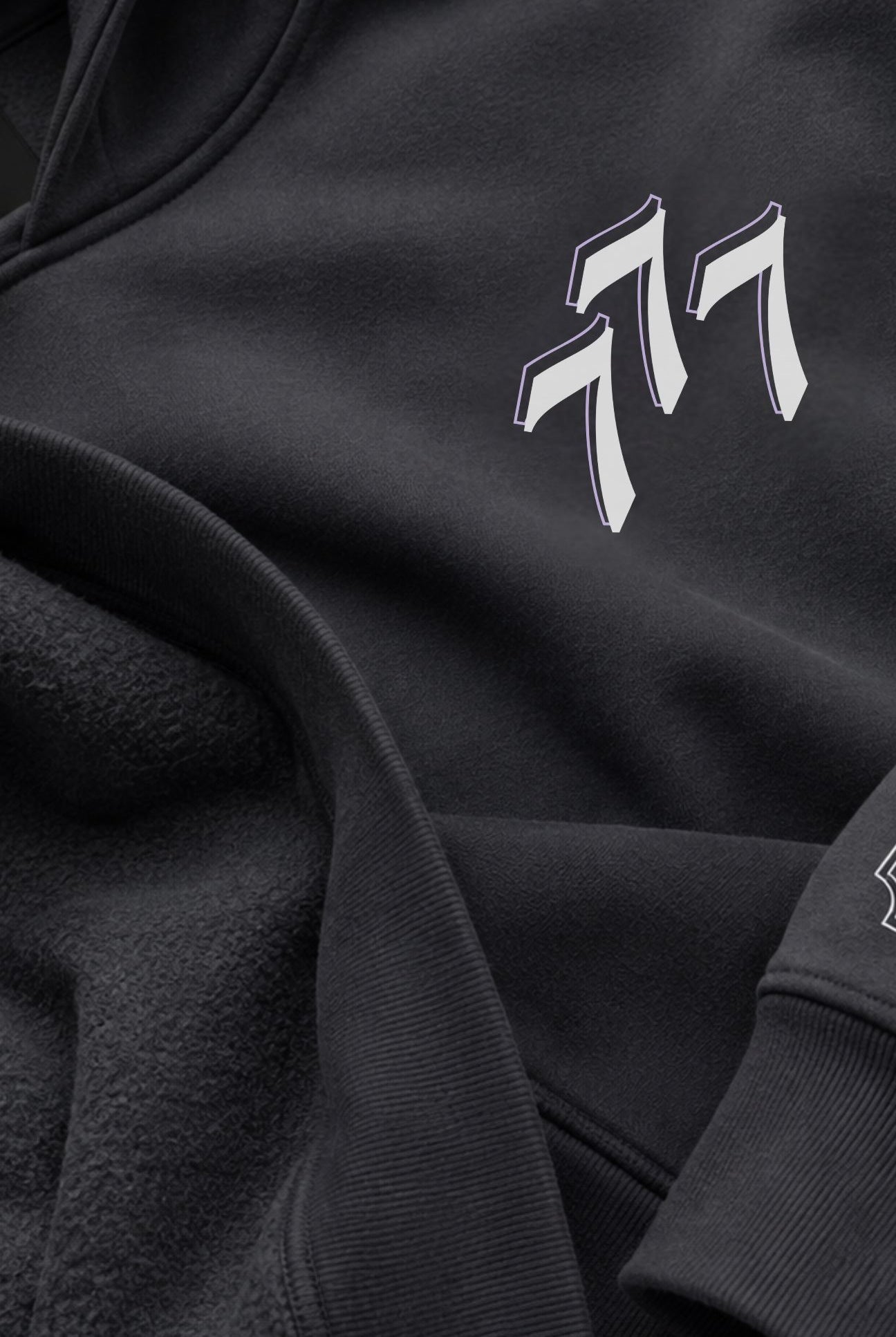
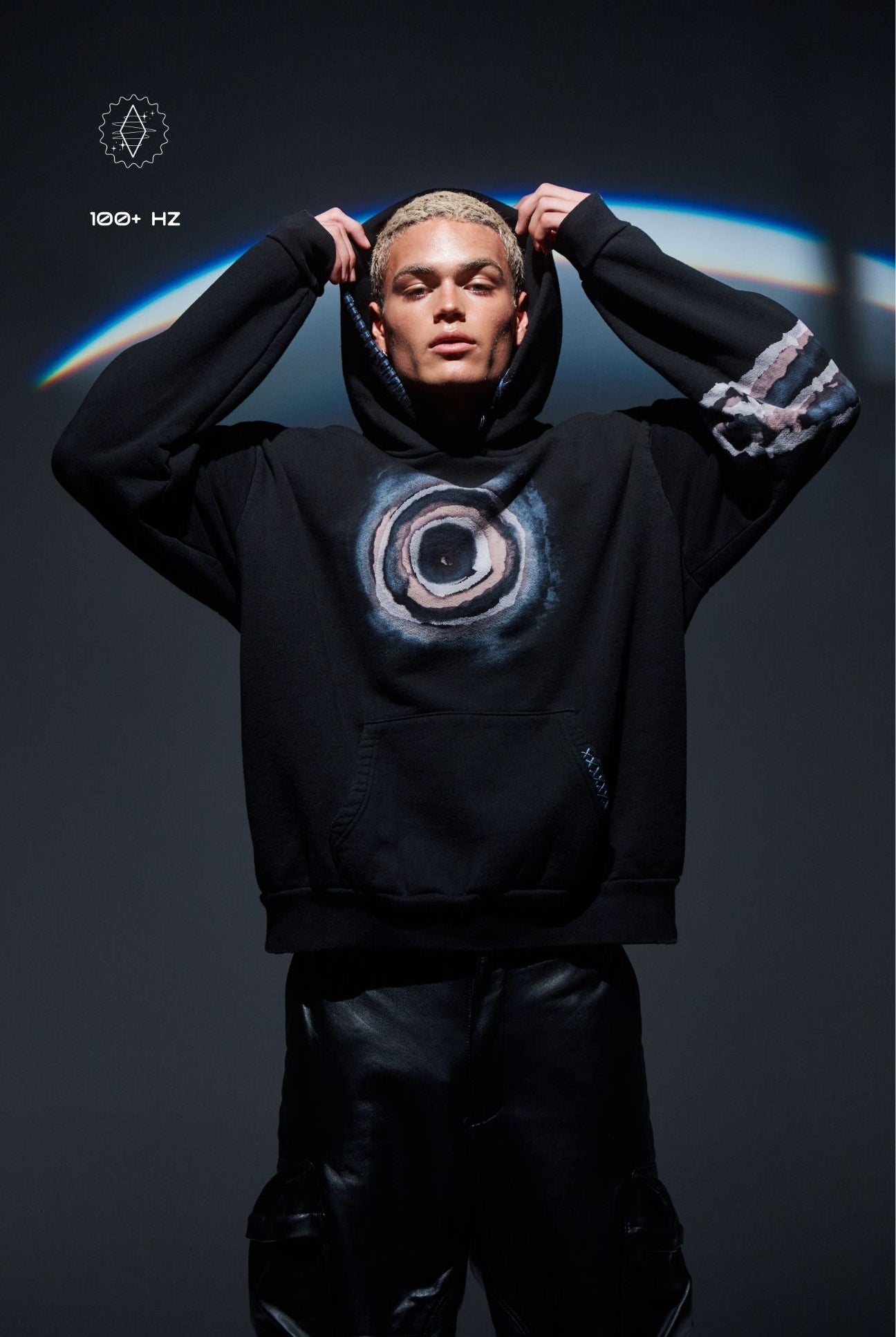
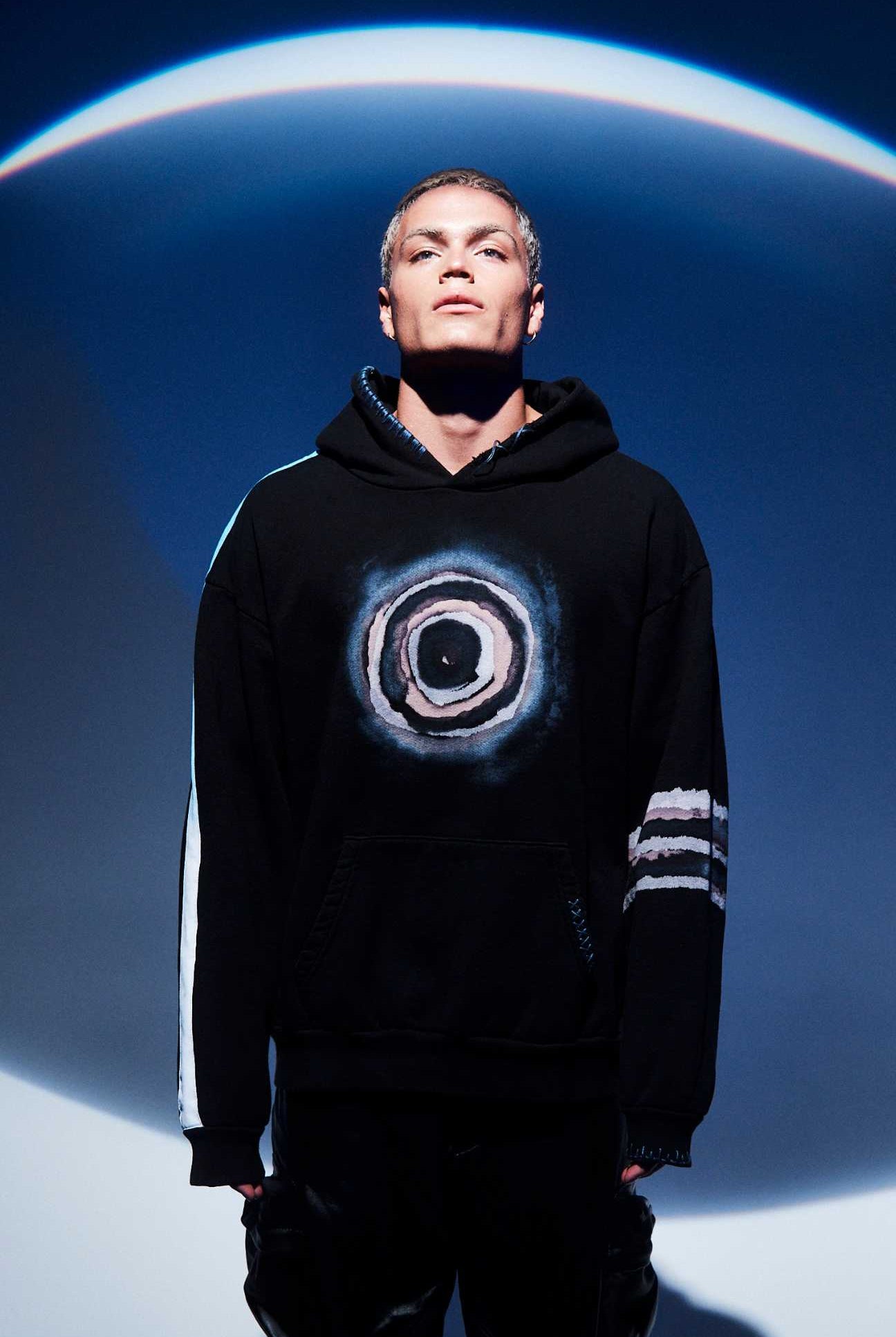
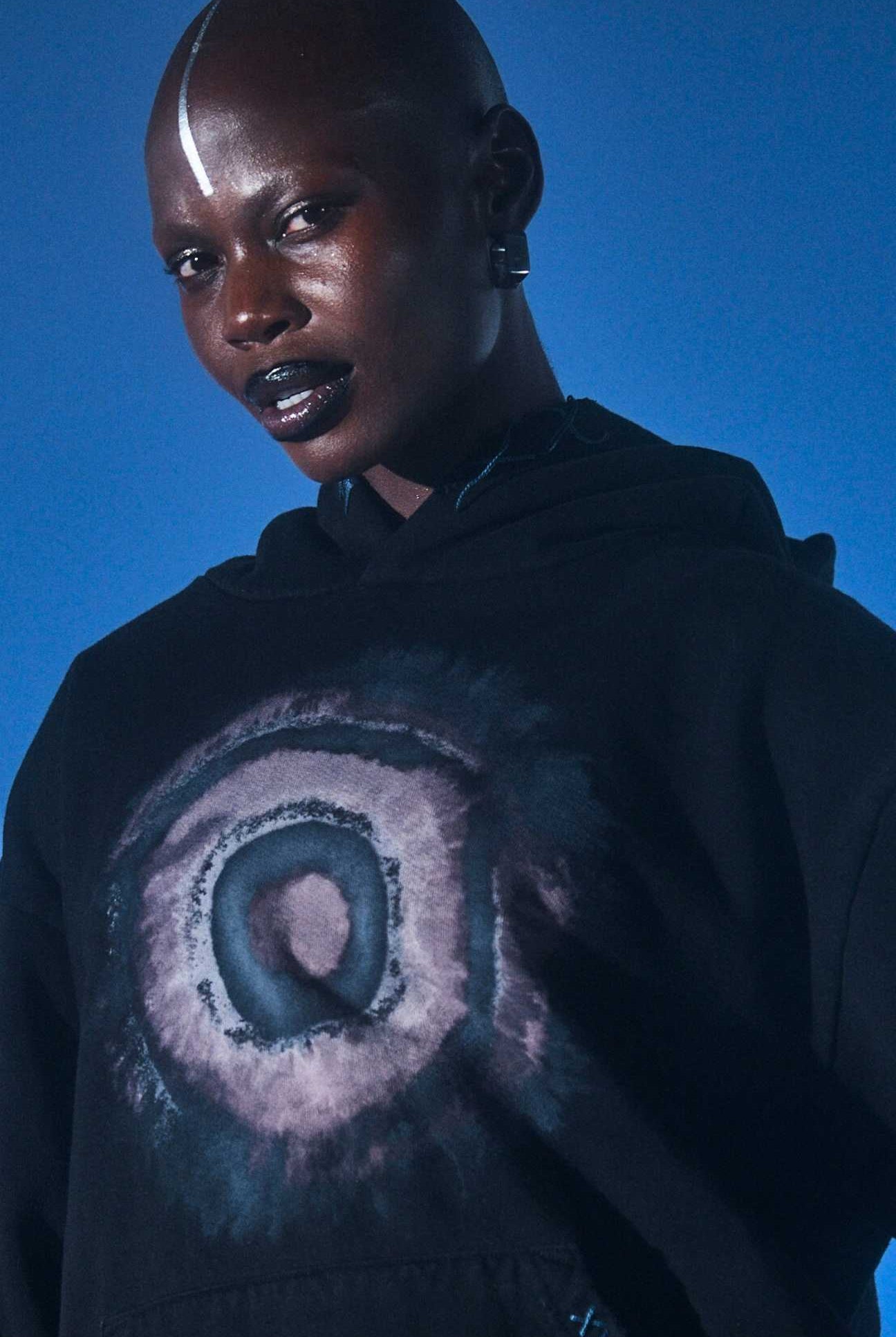
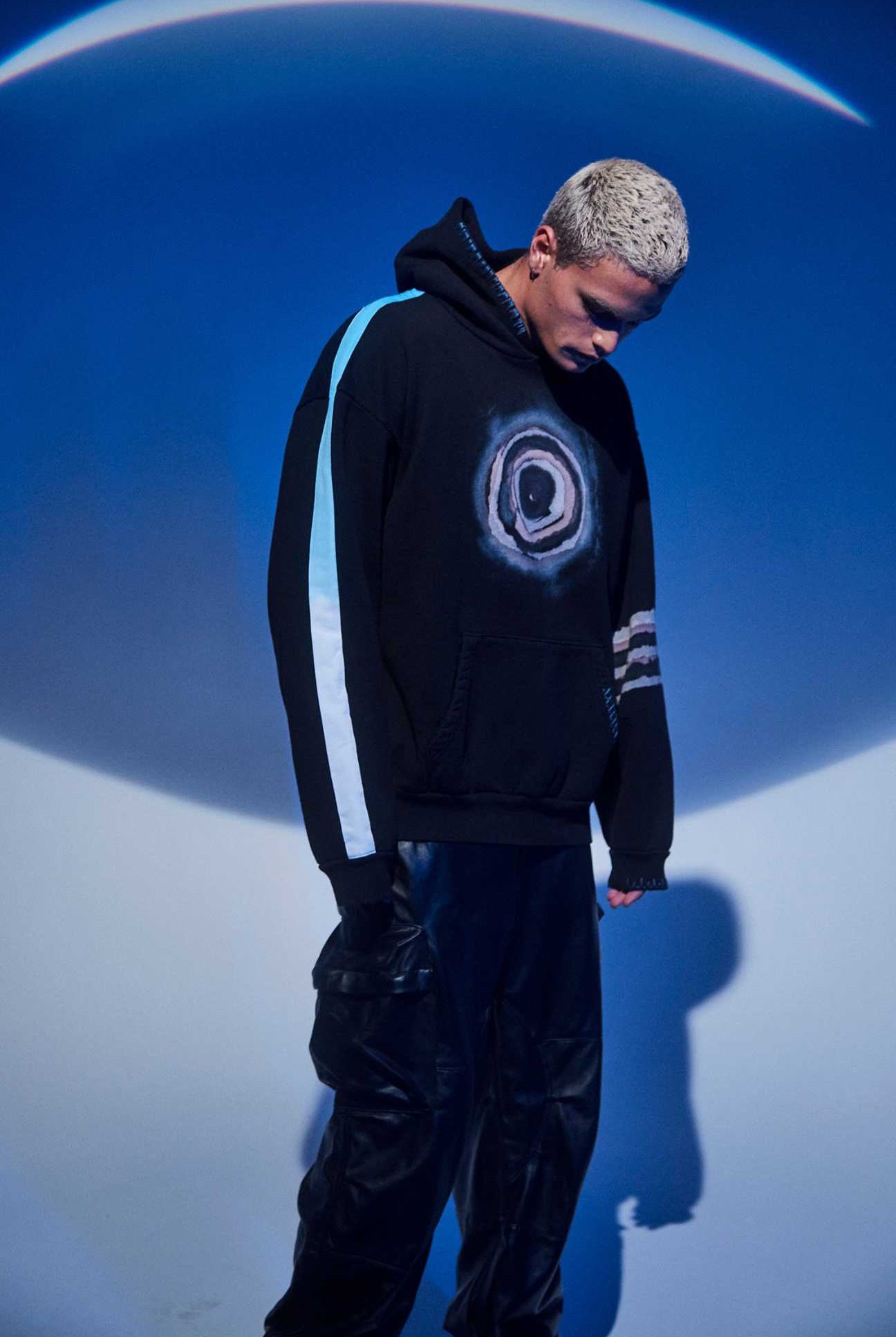
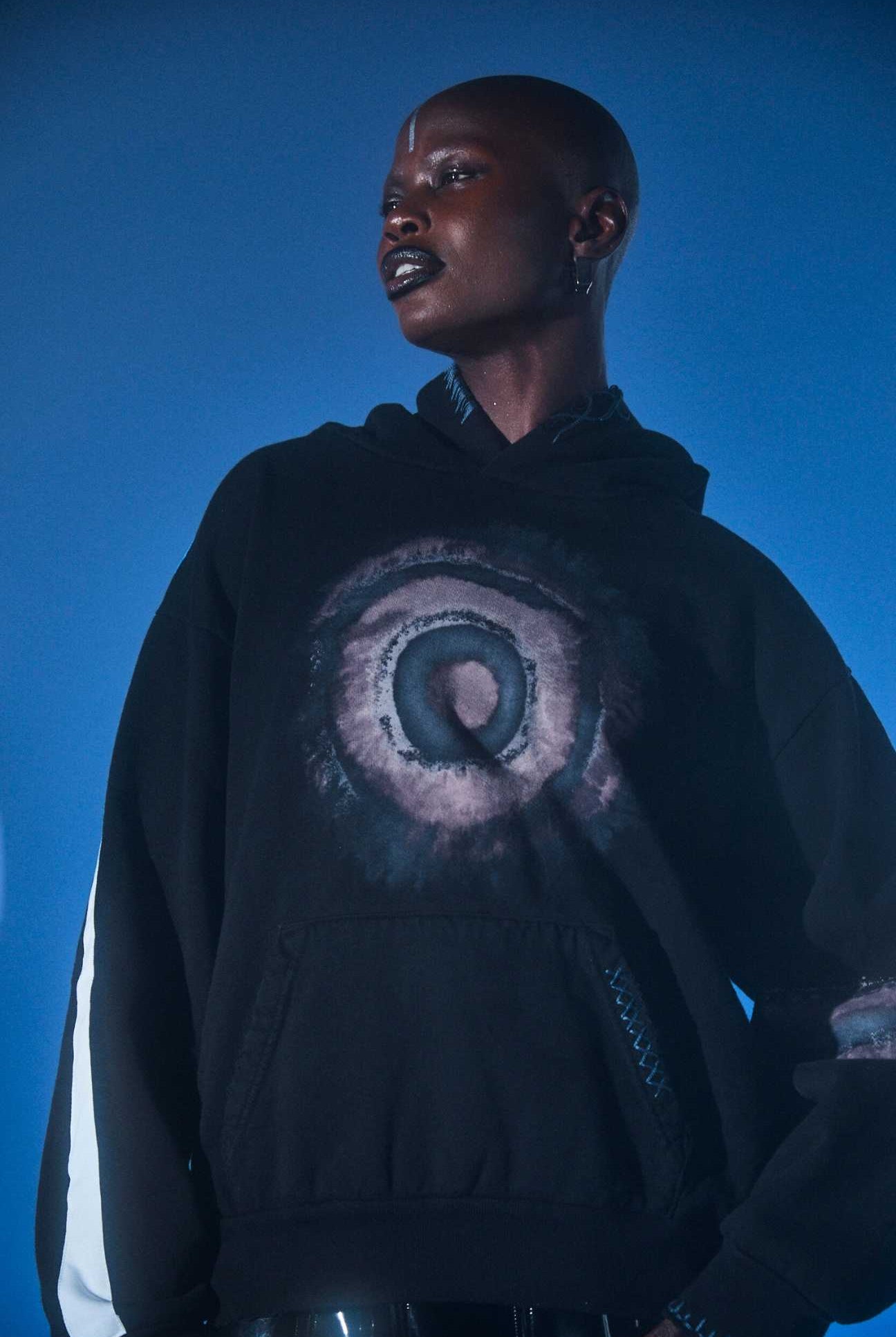
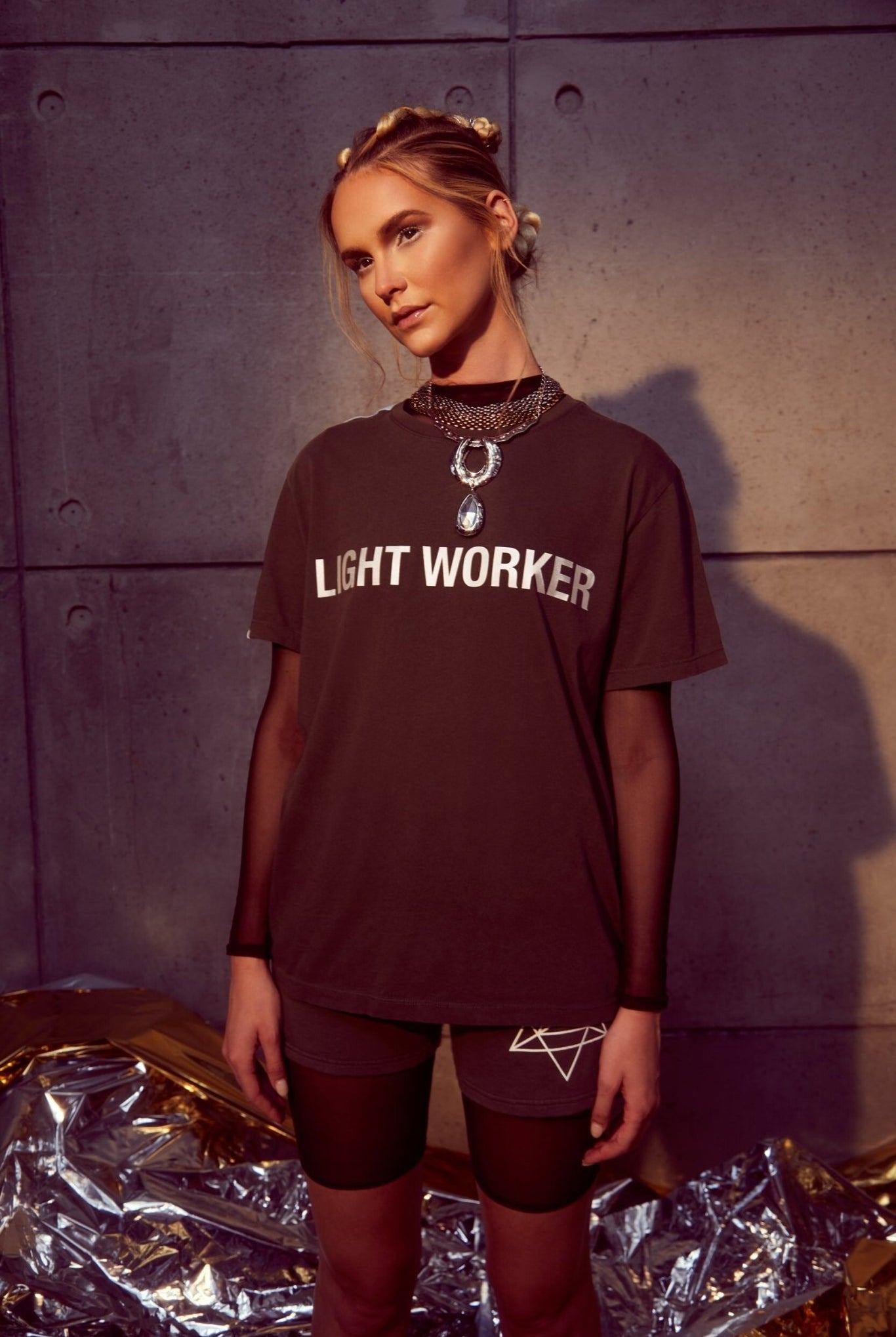
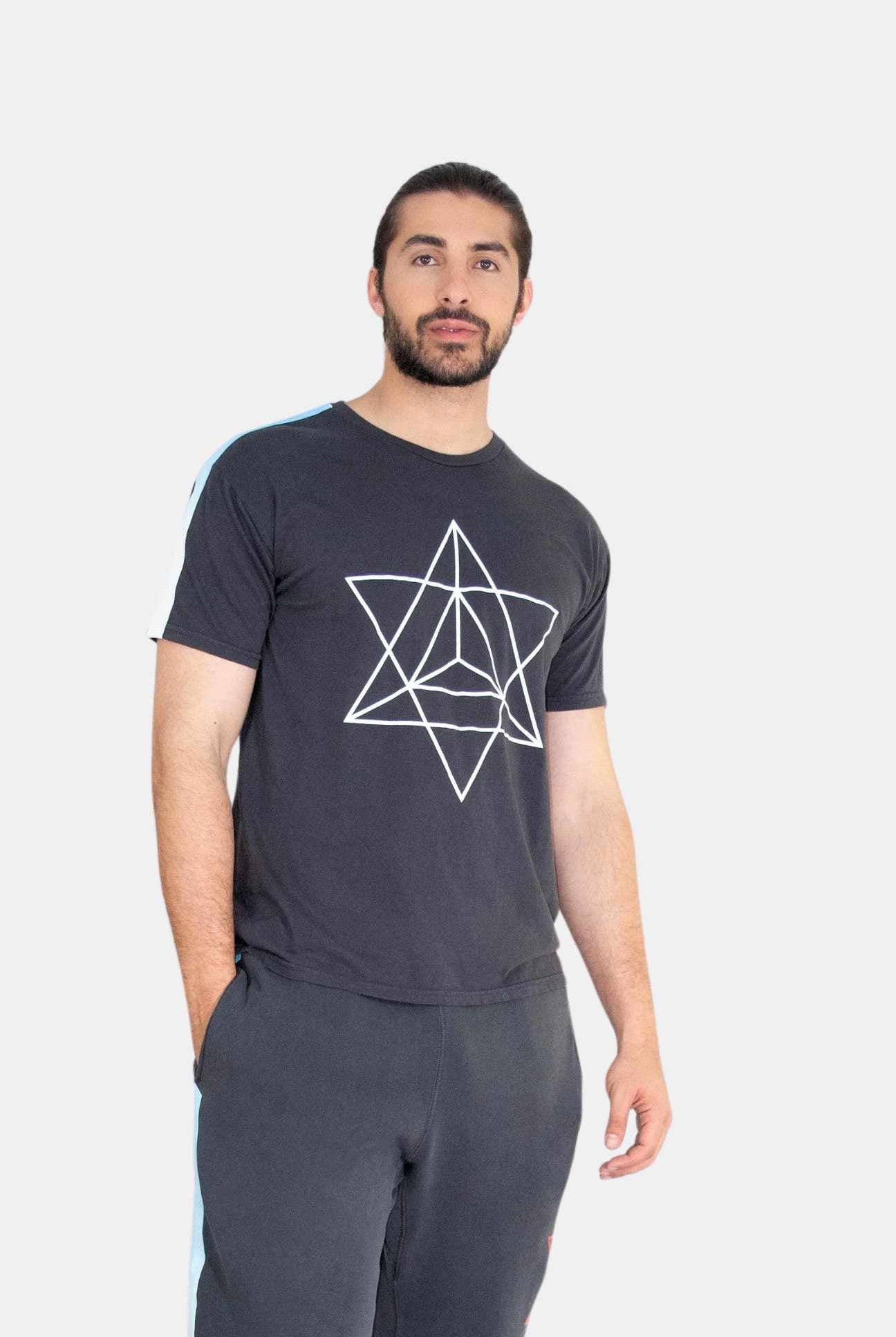
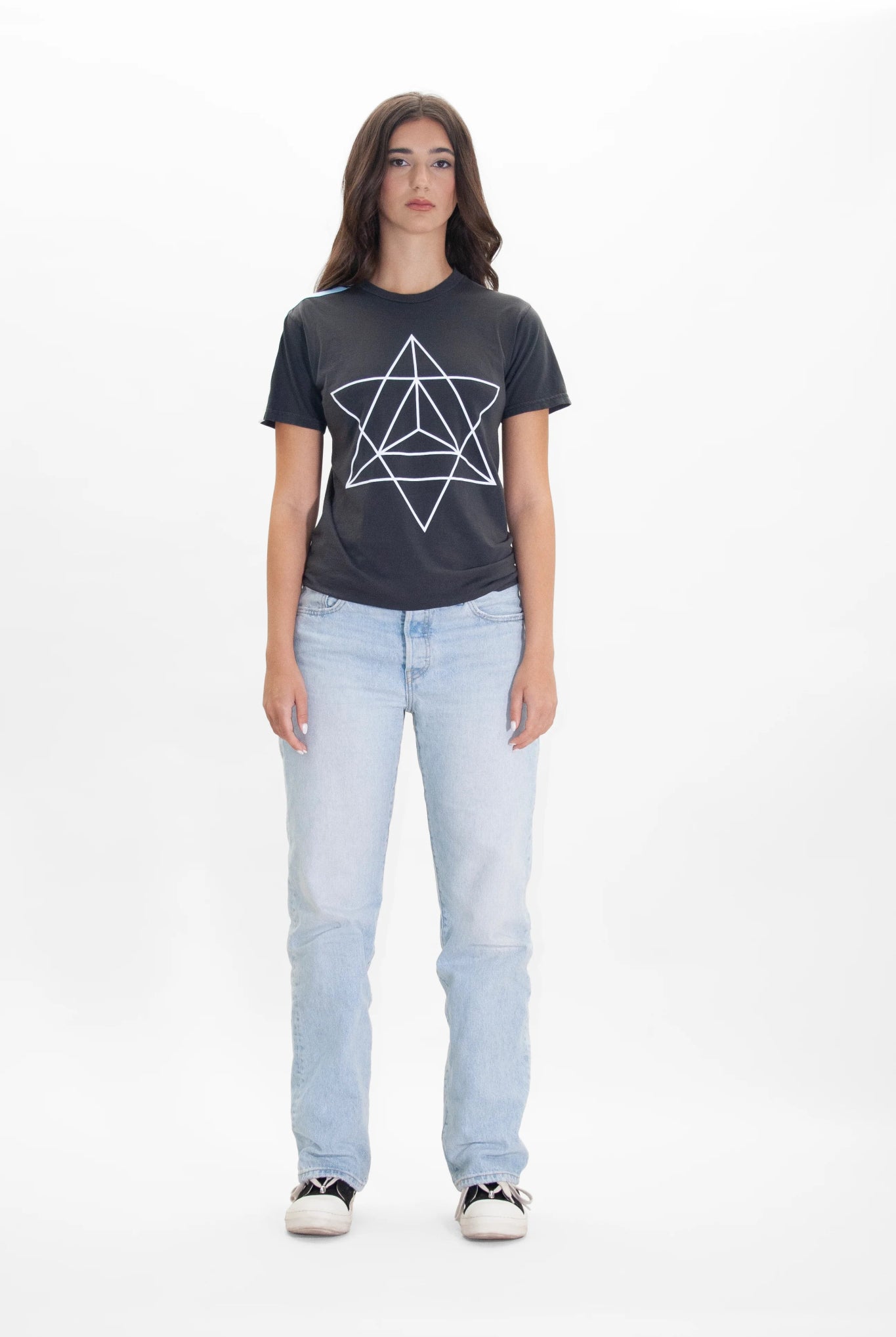
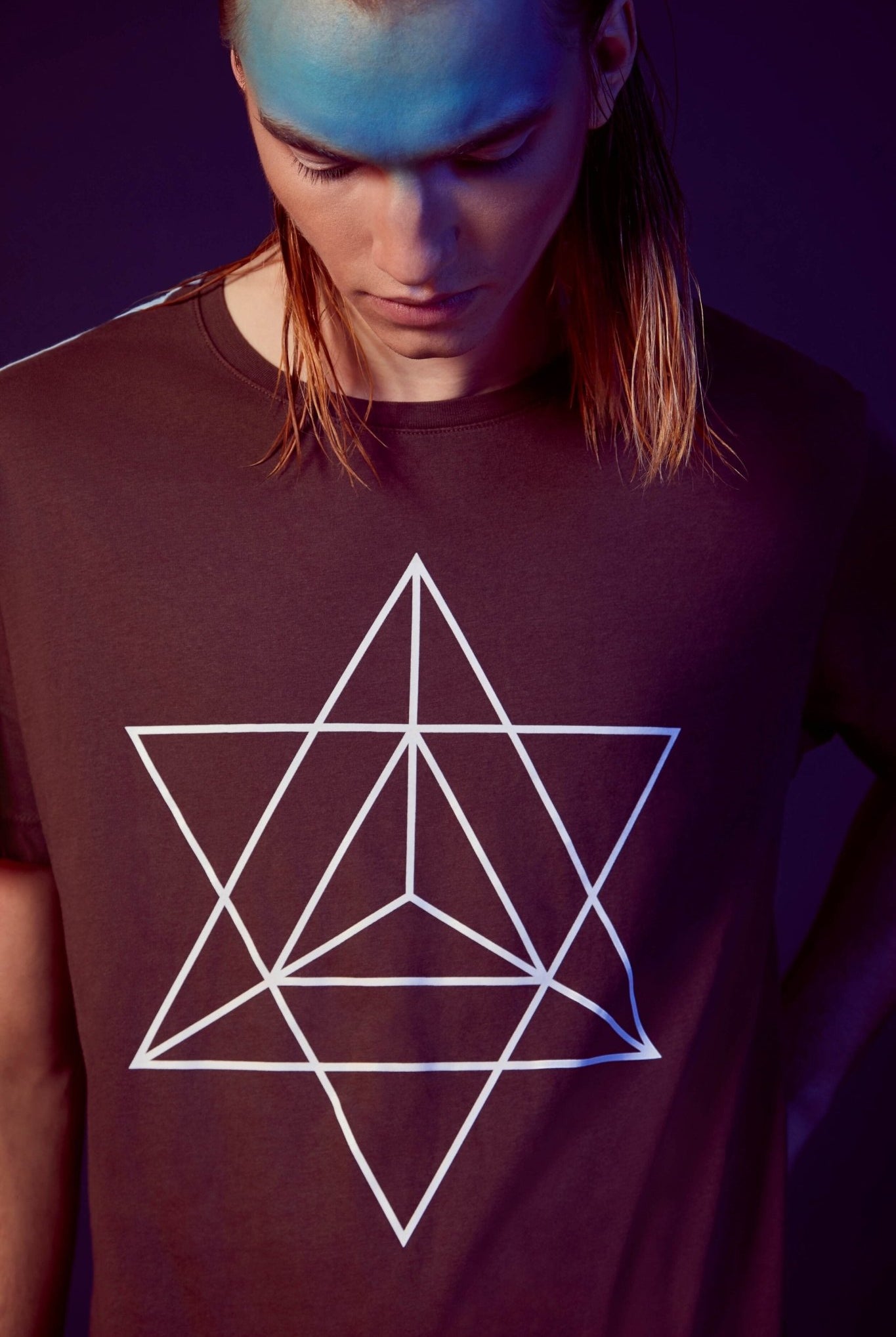
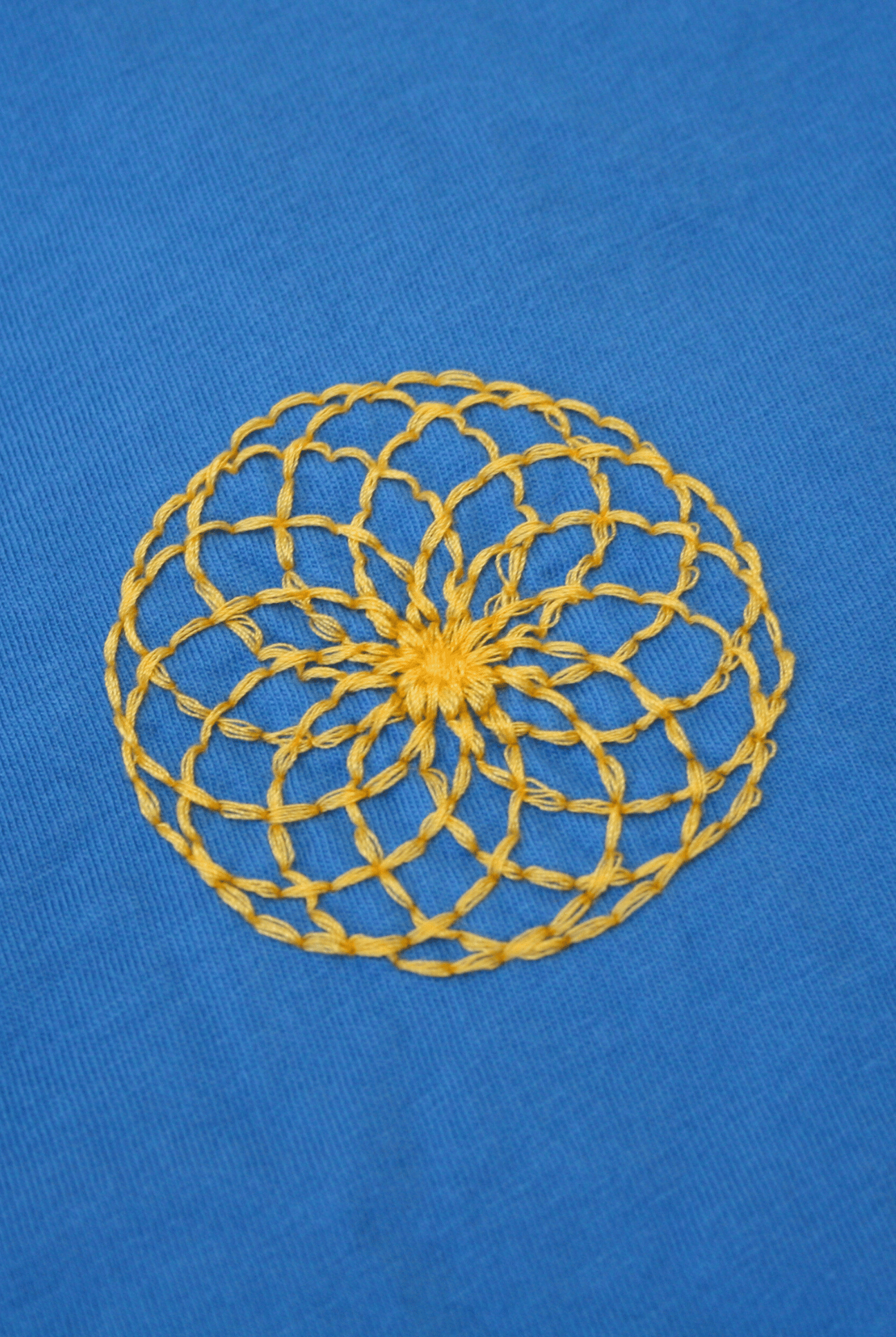
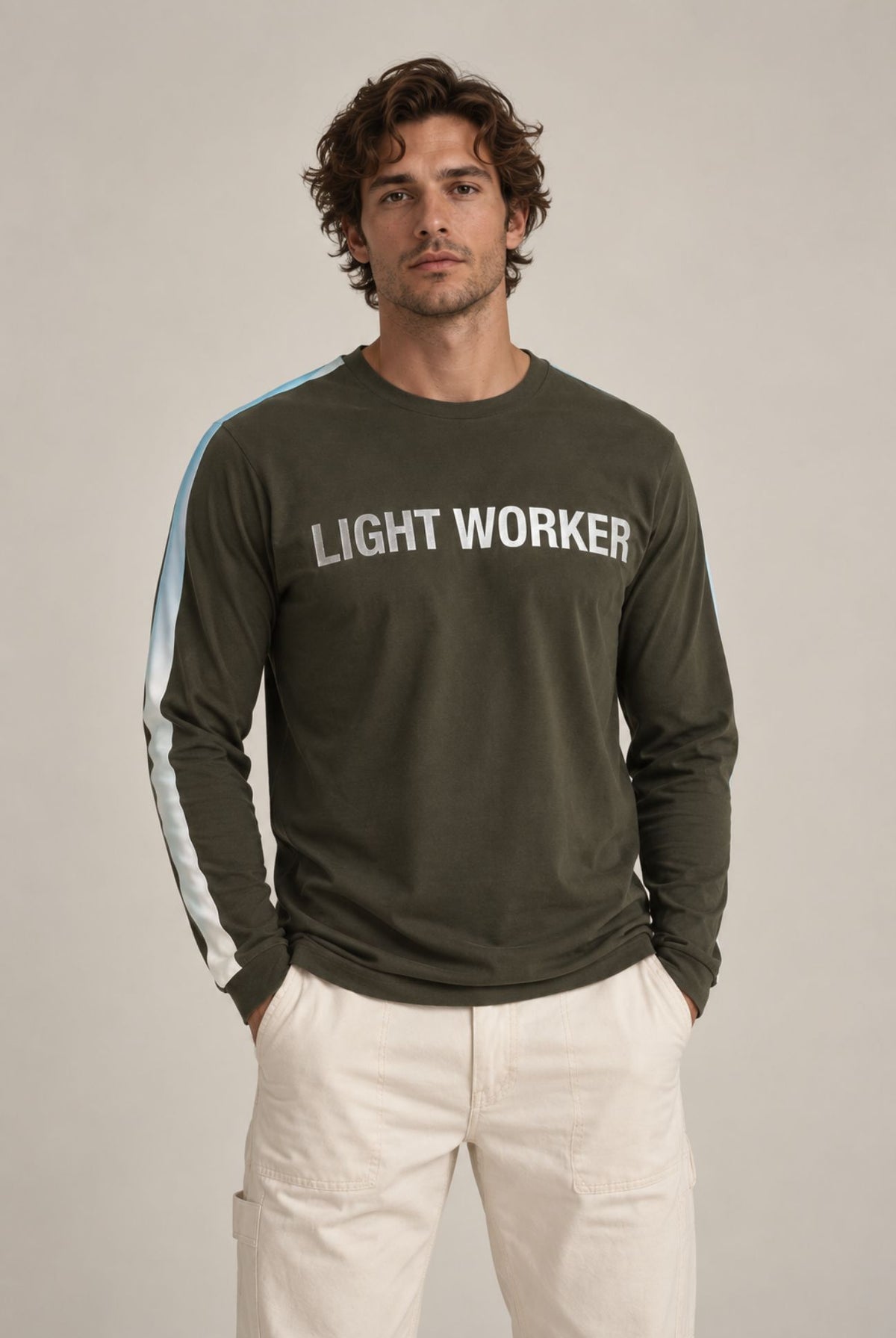
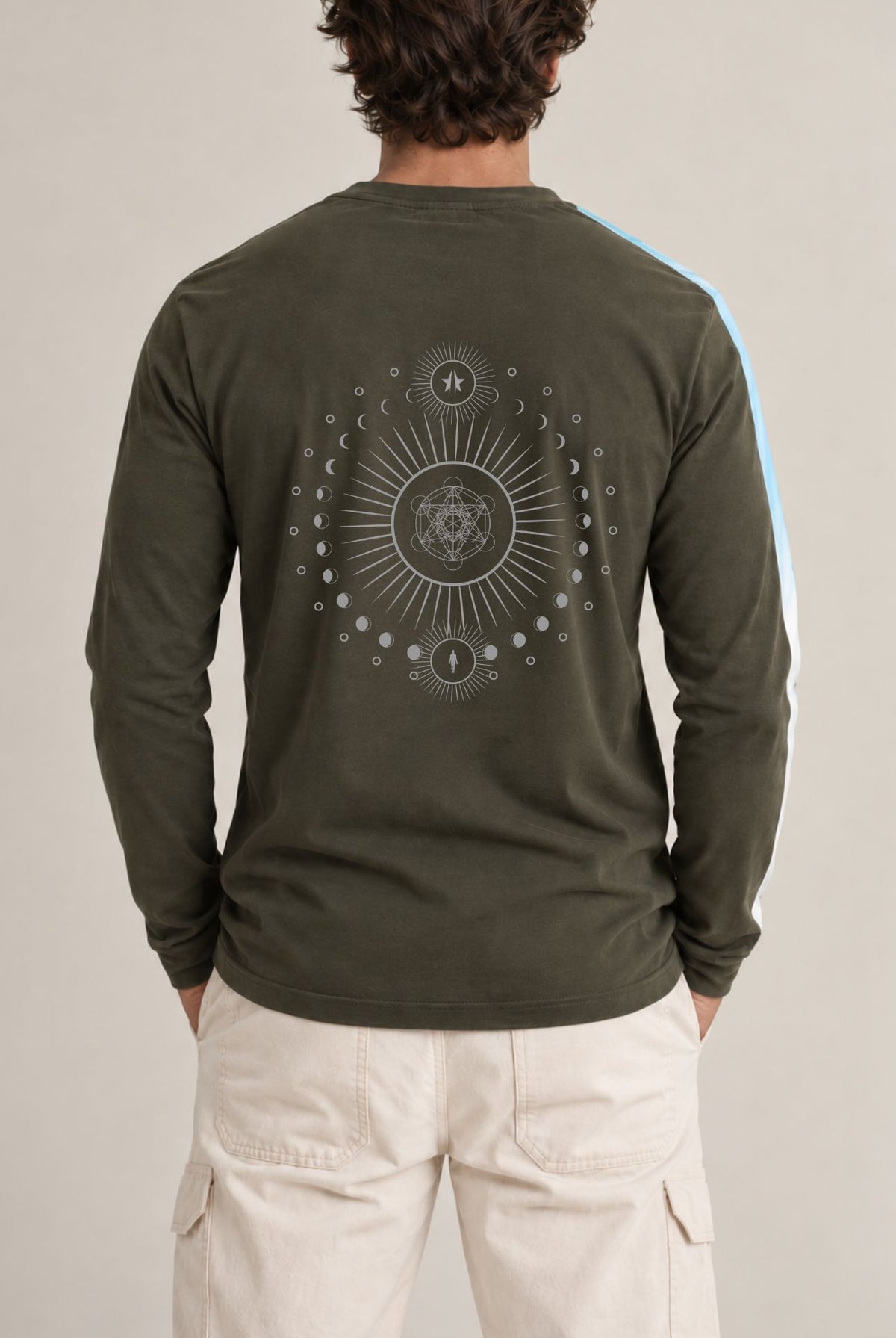
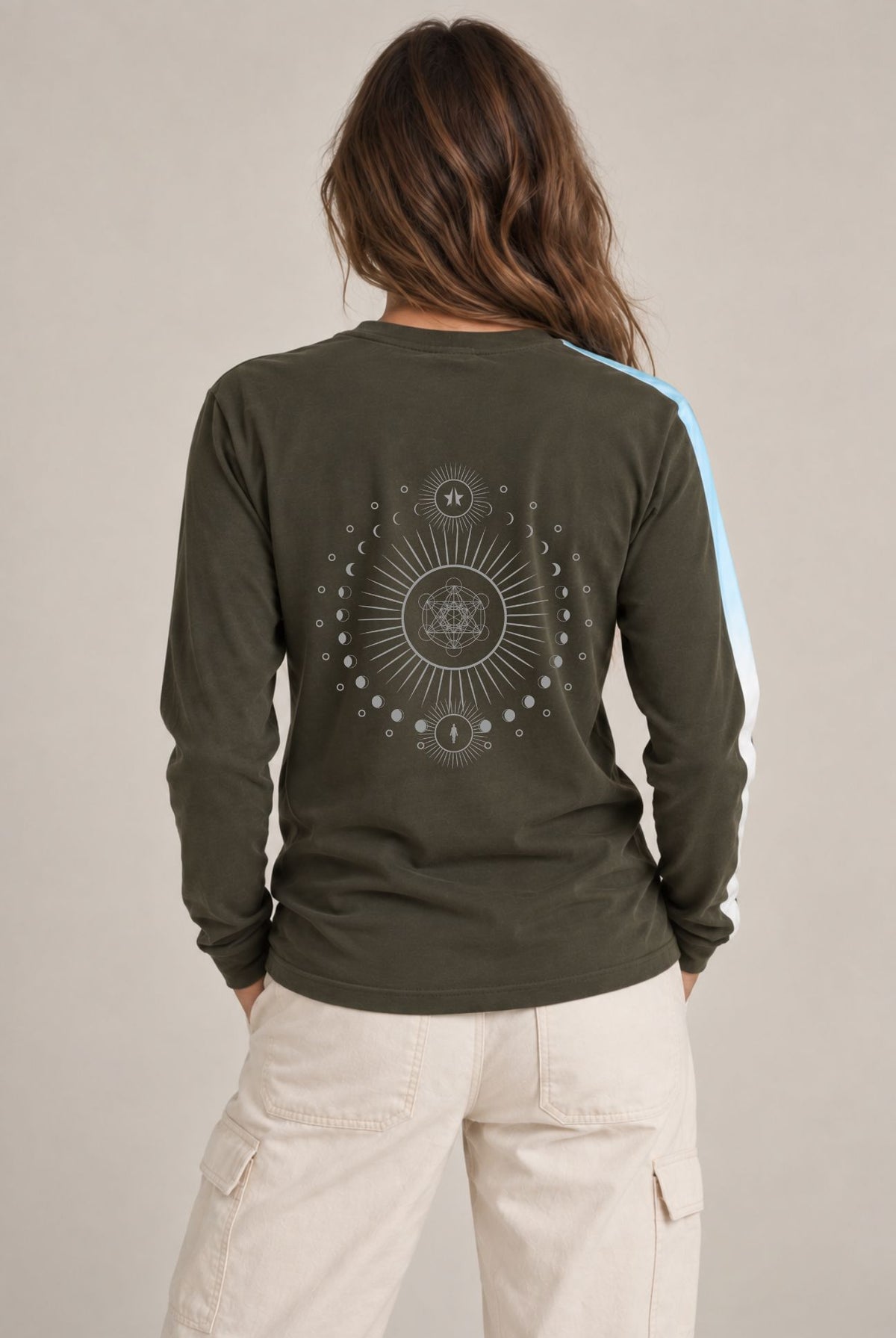
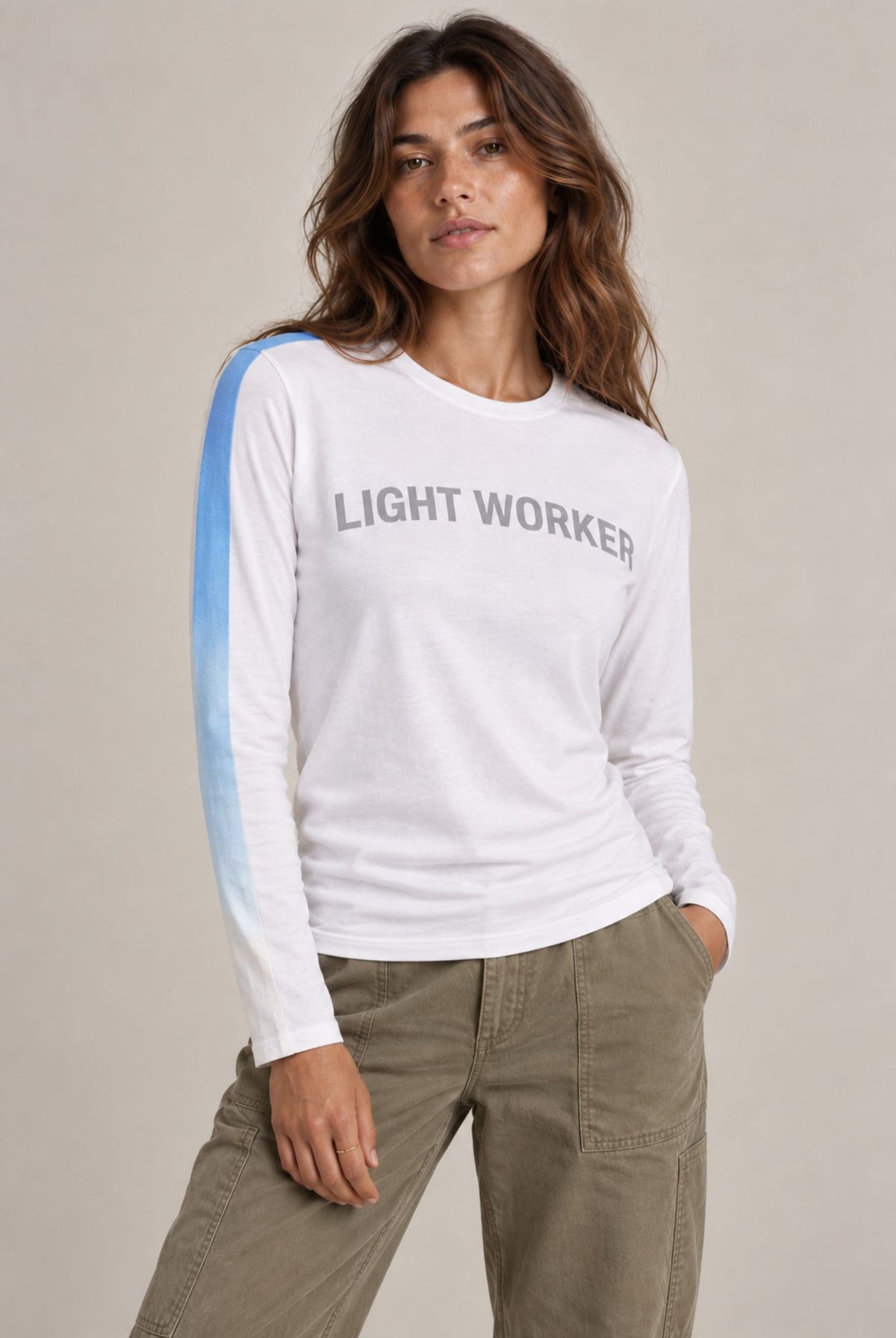
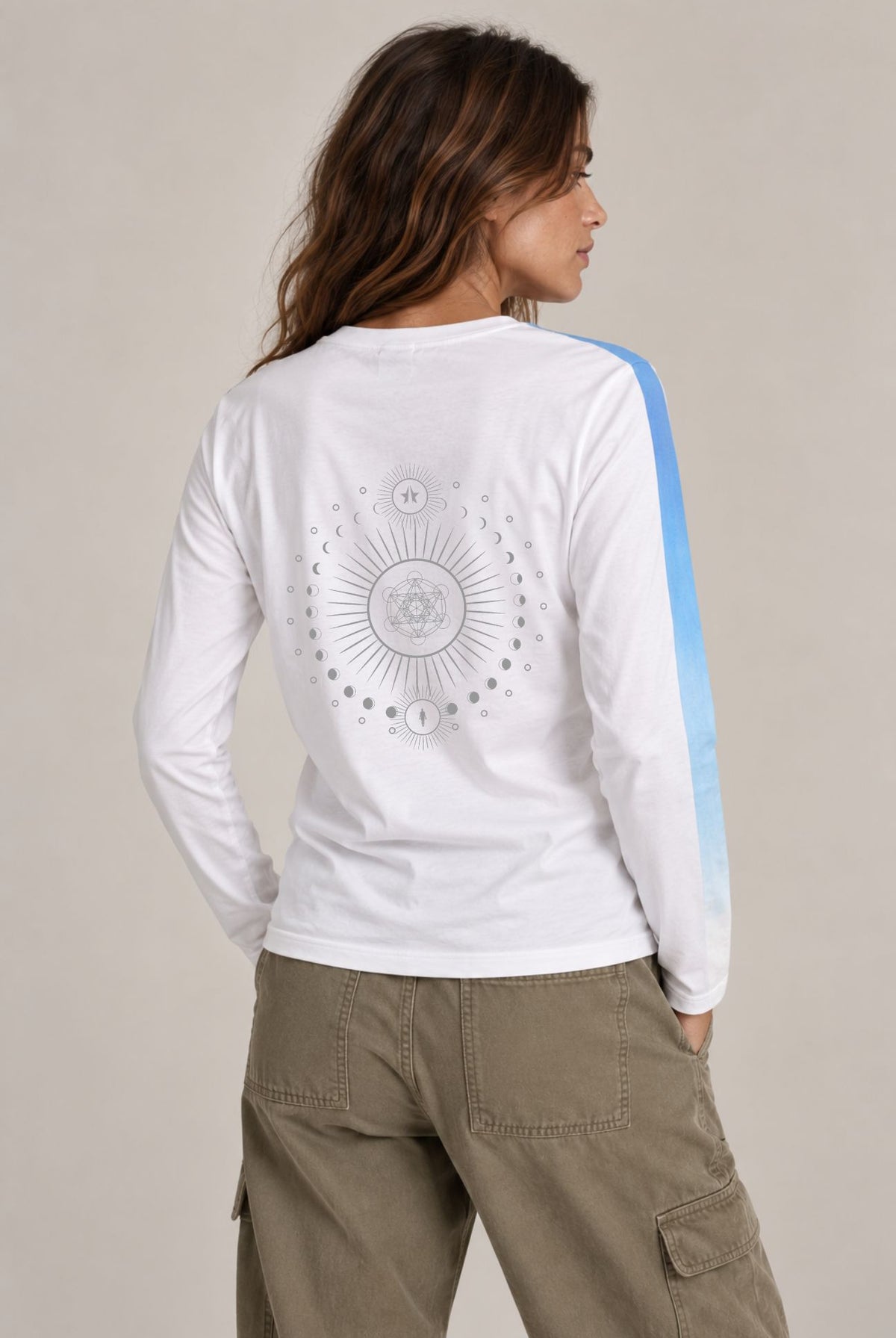
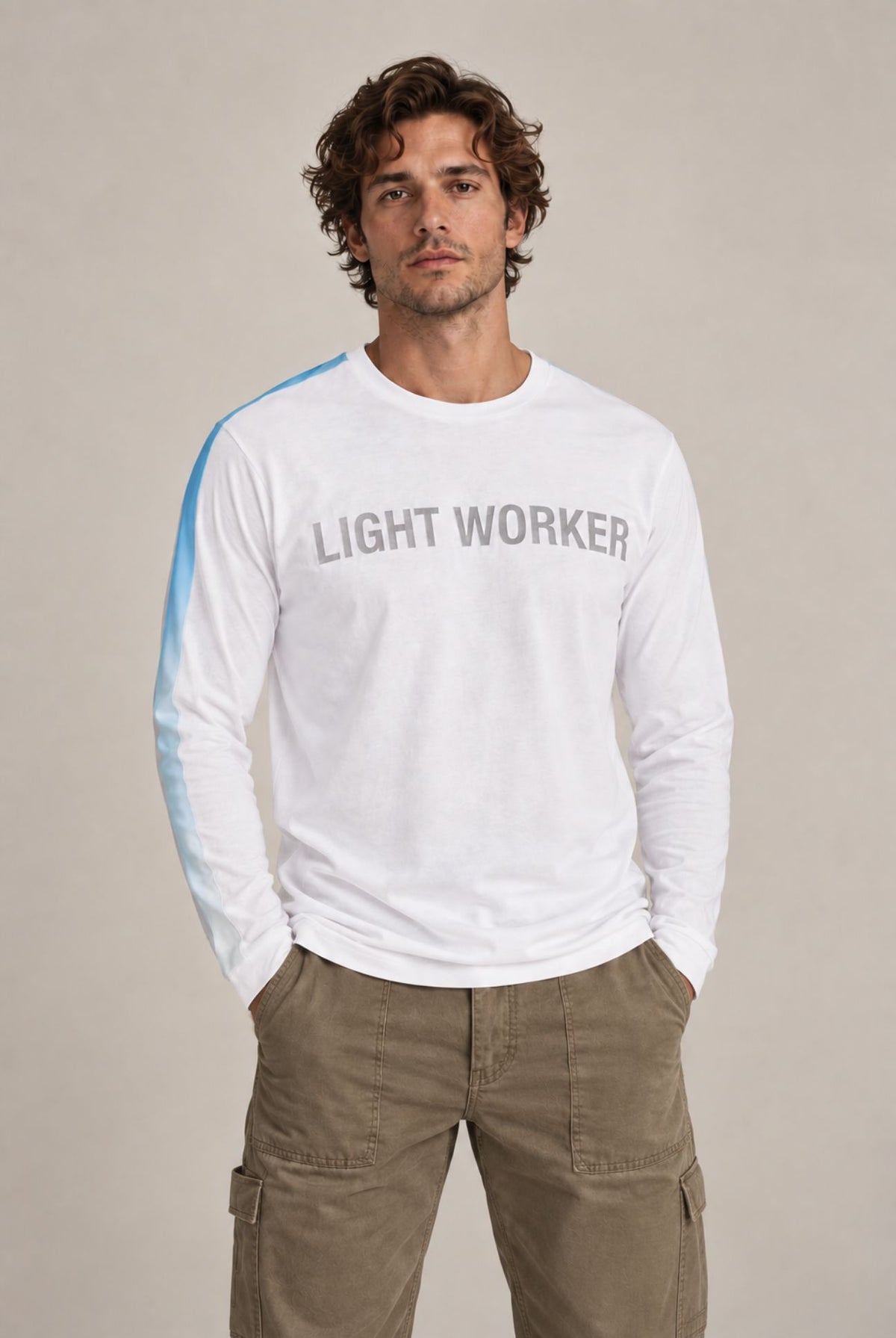
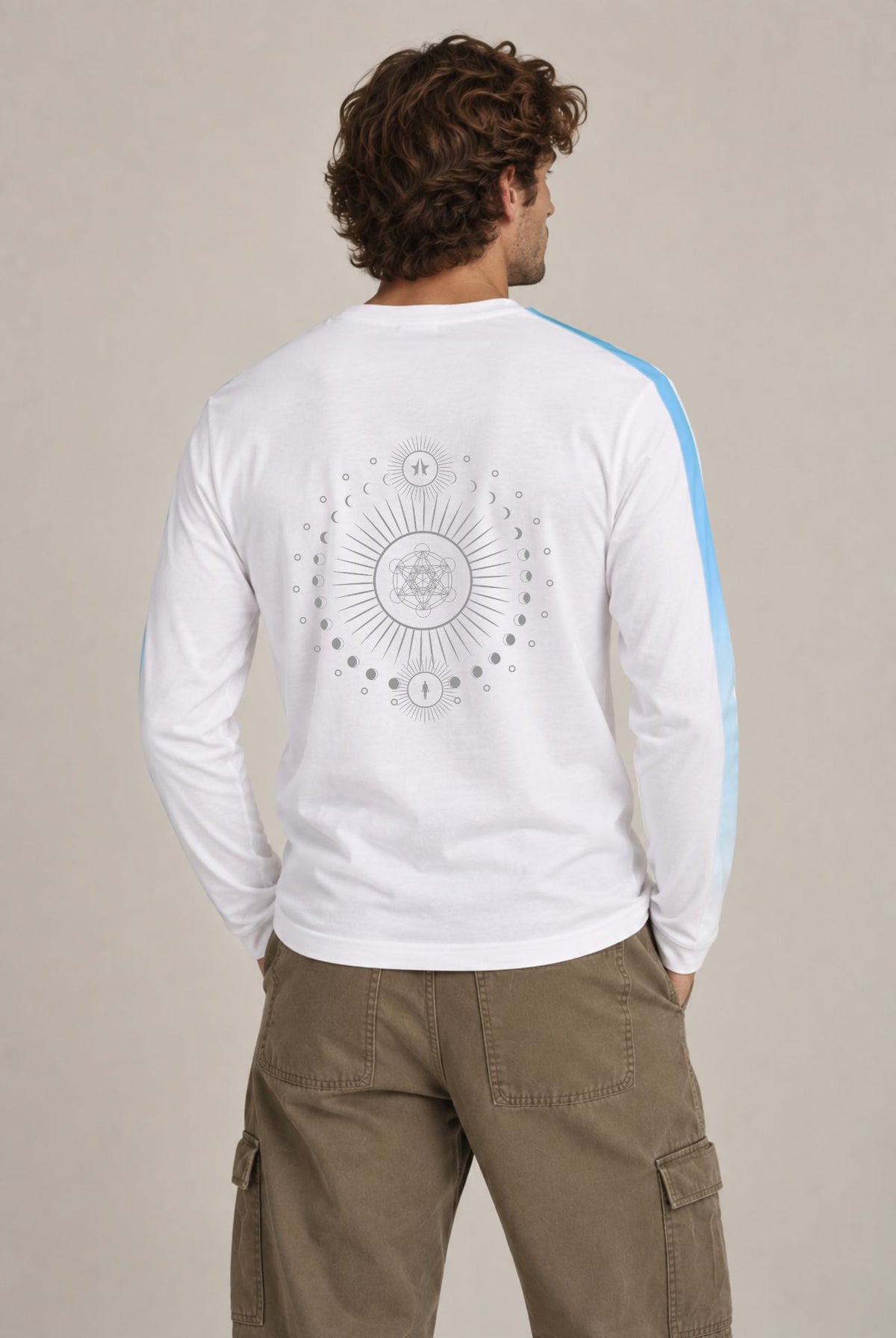
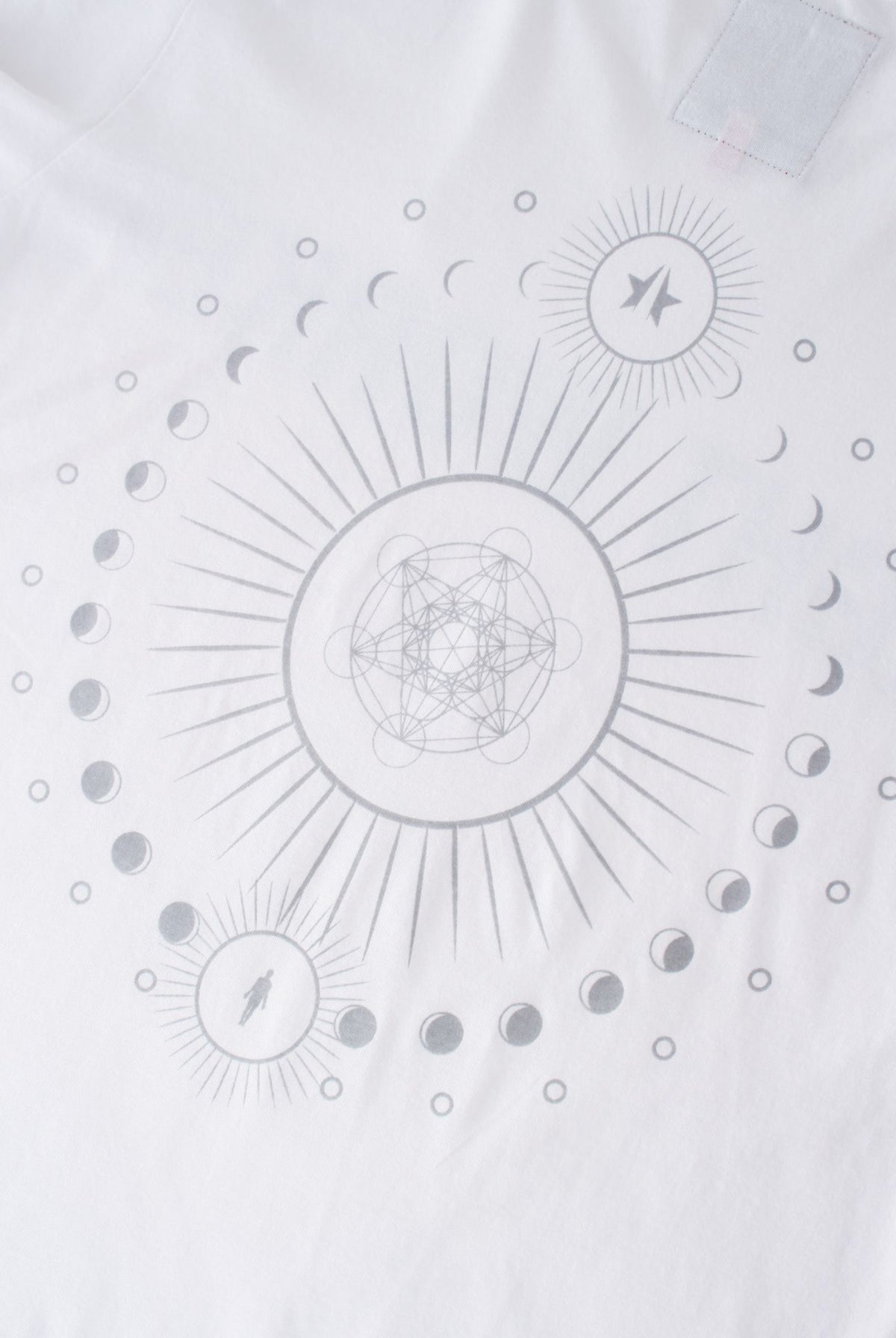
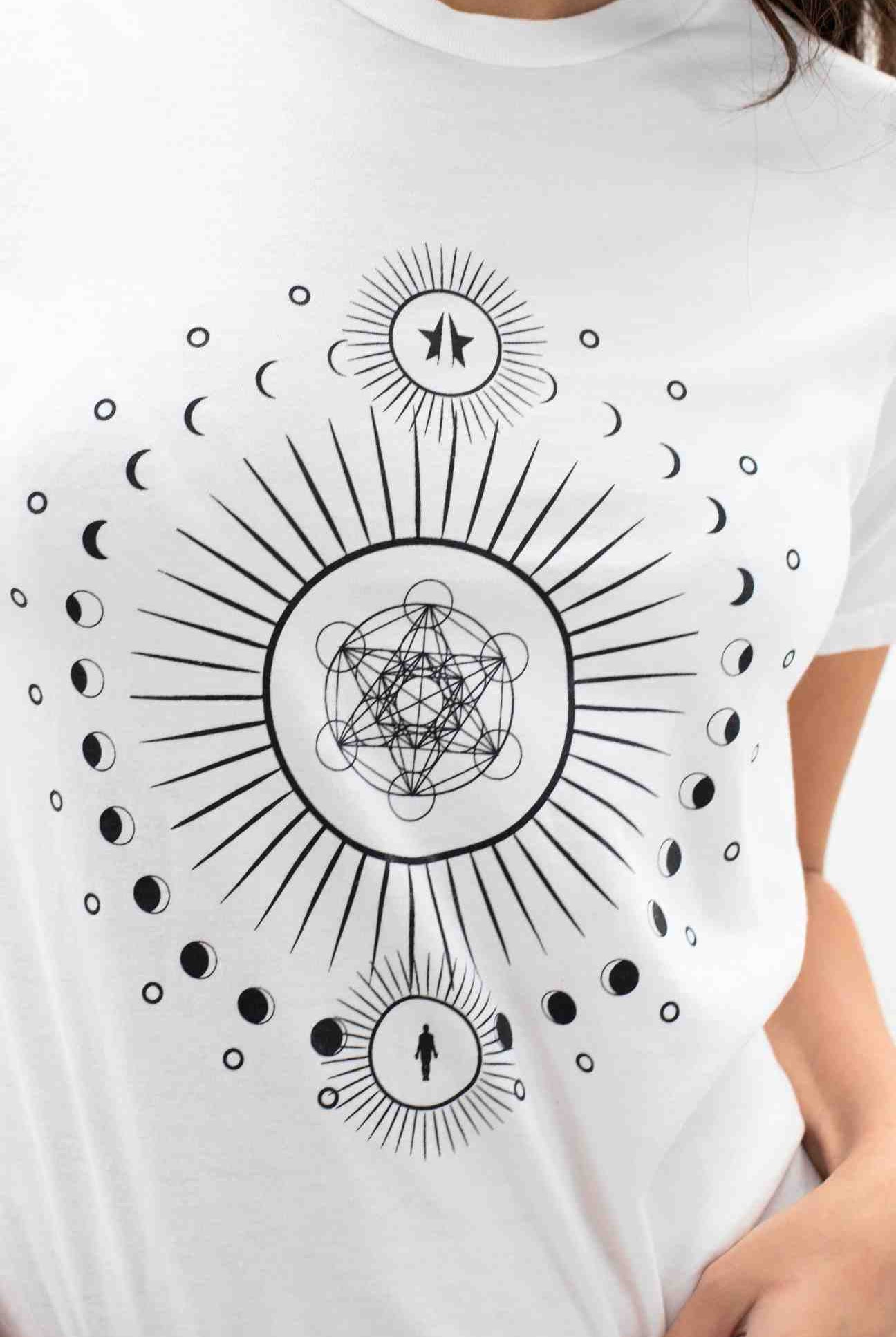
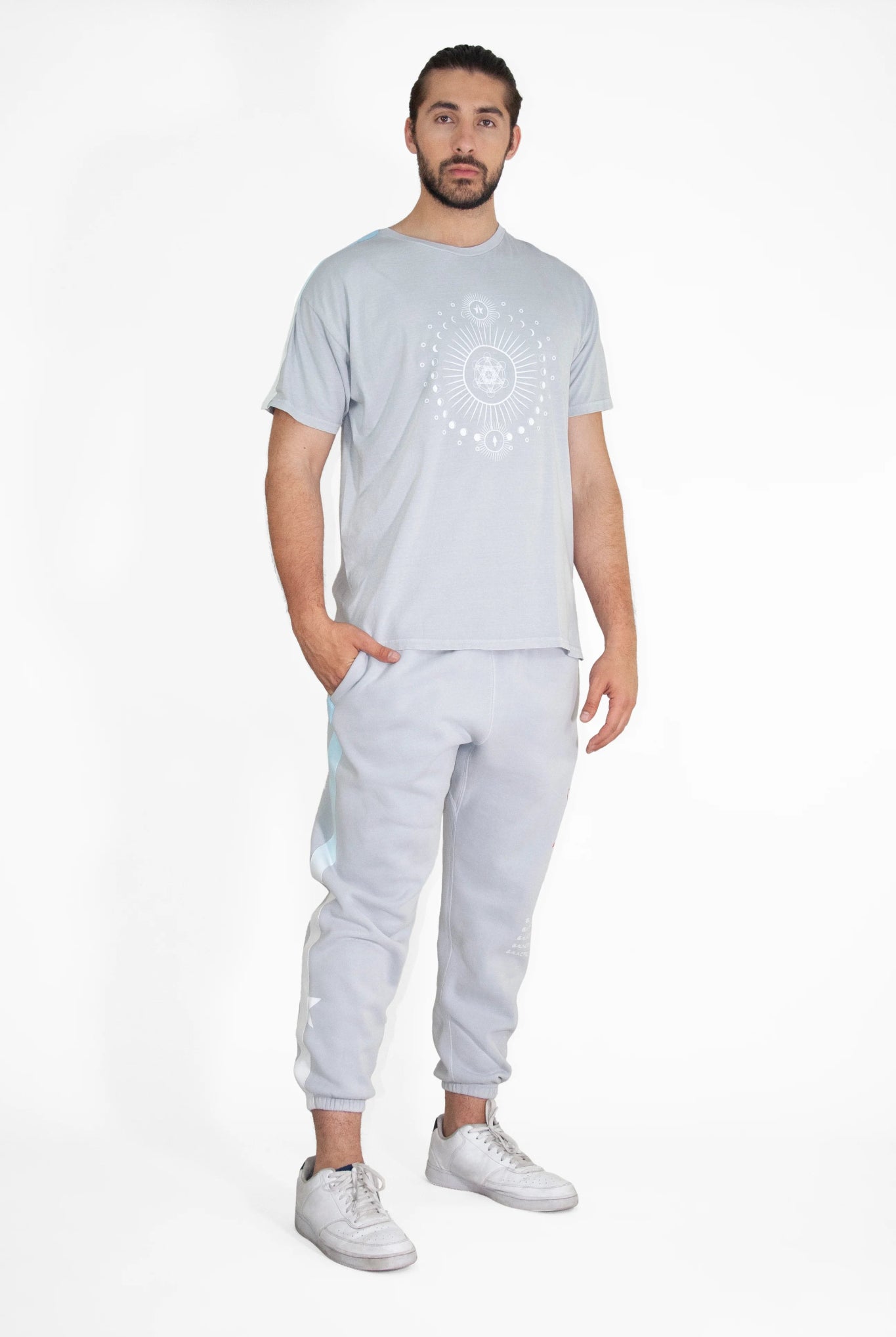
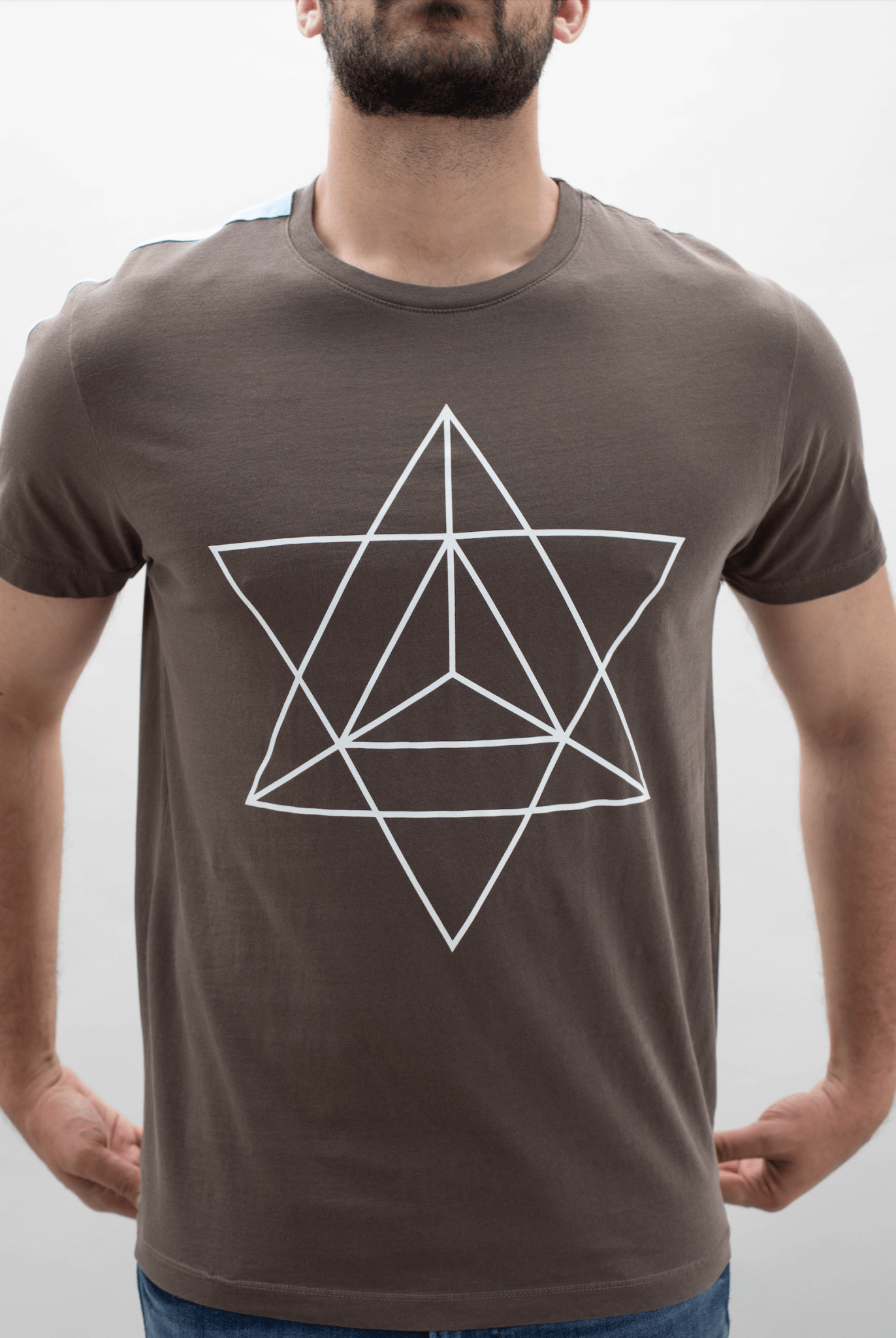
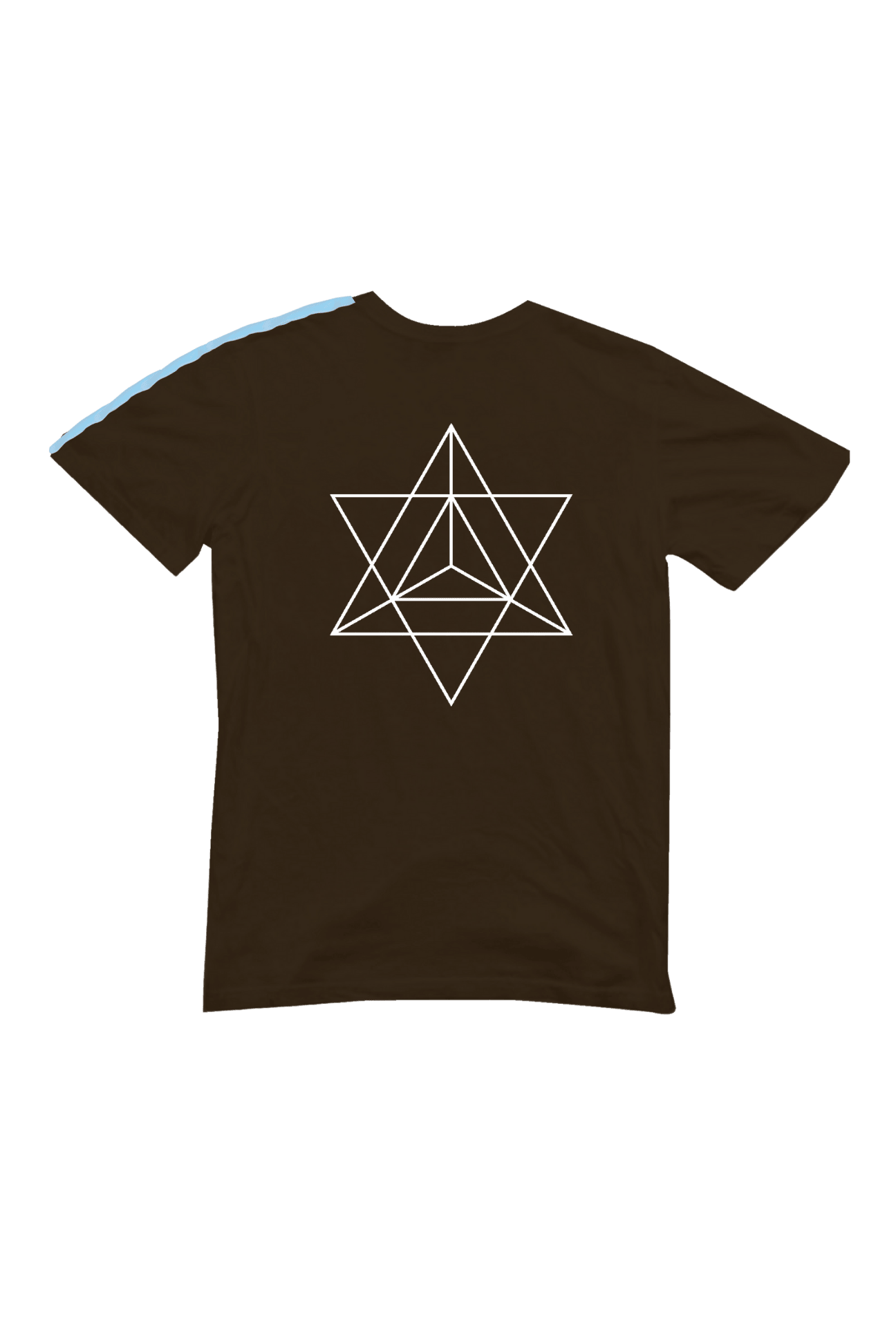
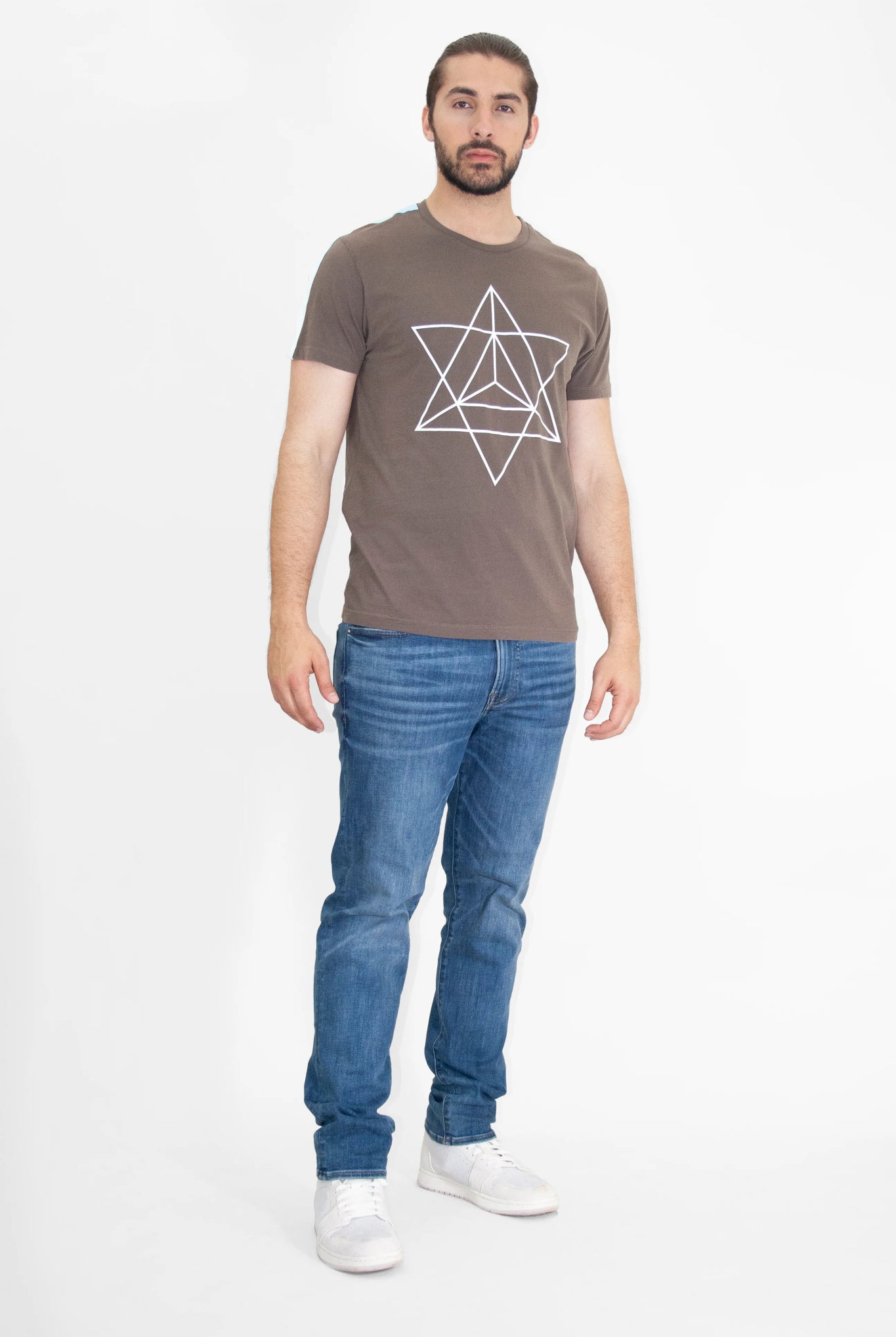
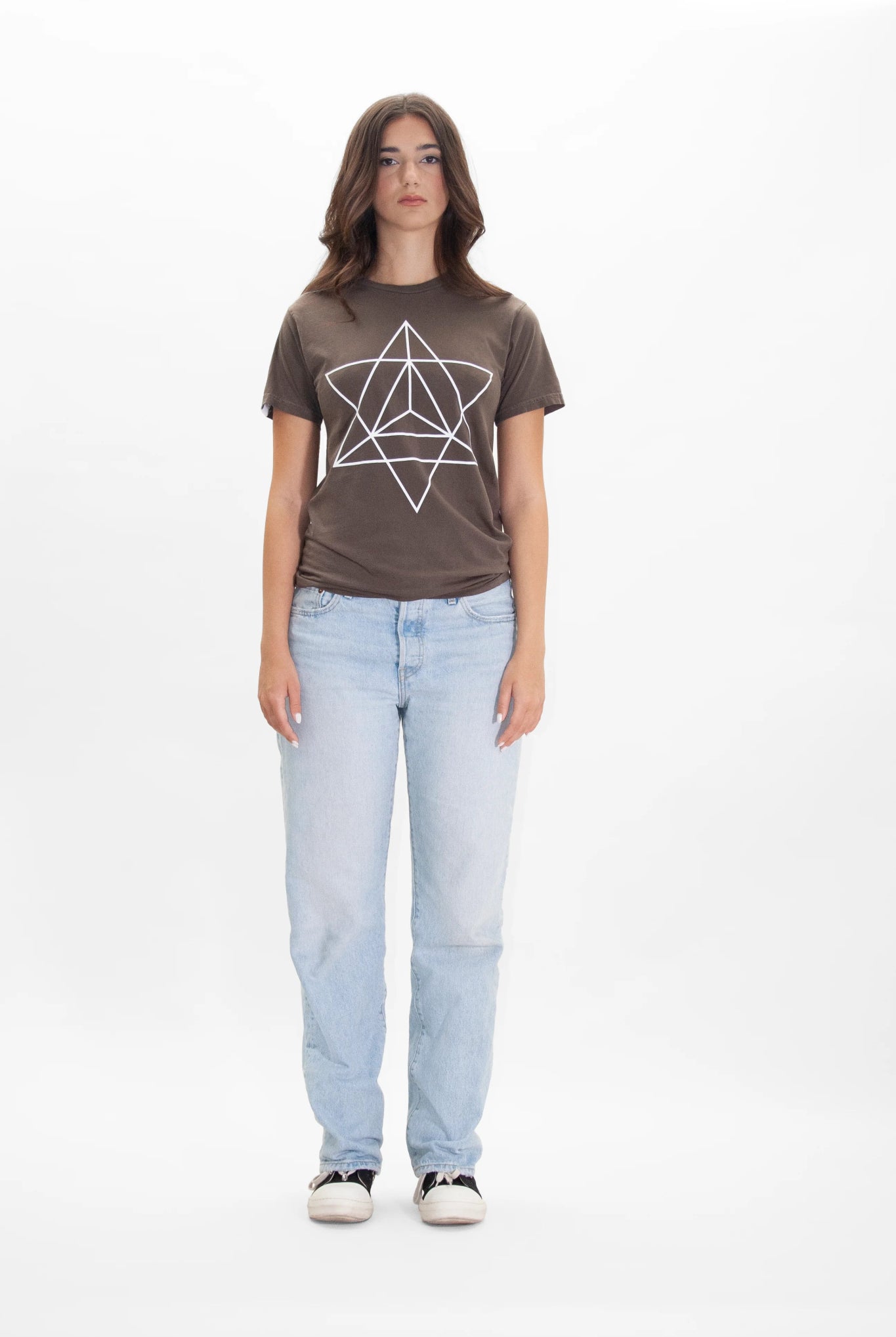
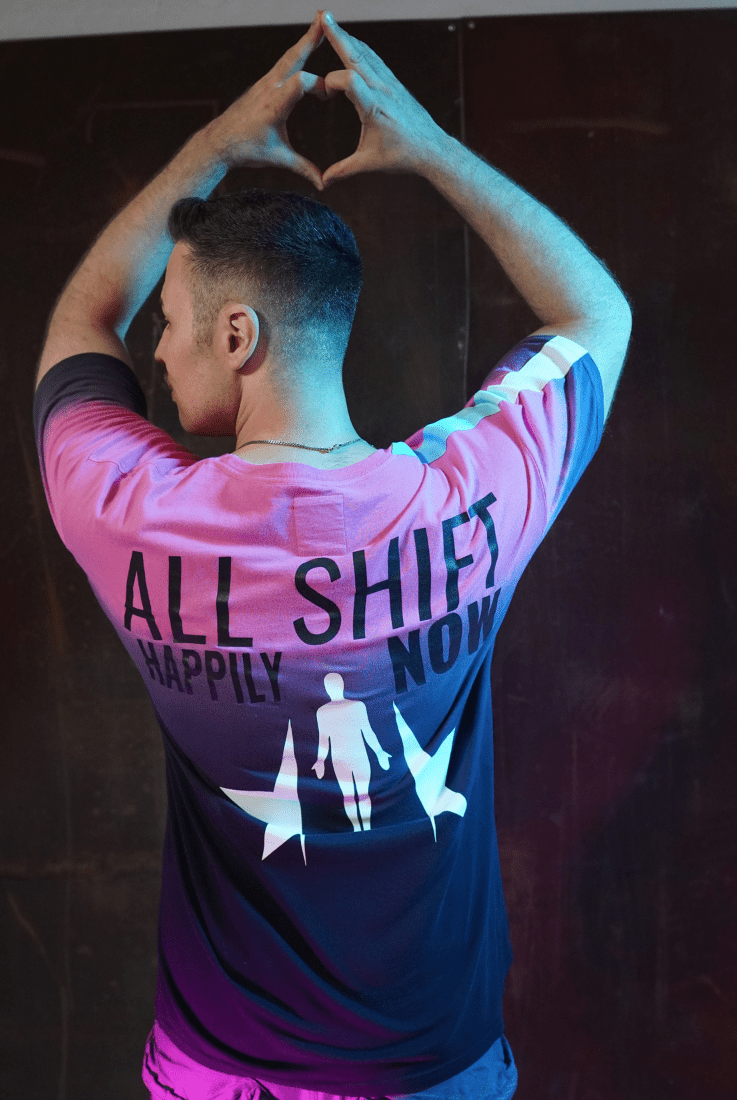
At GFL, our goal isn’t only to reduce harm, but to create garments that carry with them a different sort of presence, through organic materials, symbolic design, and processes like photonic light infusion that aim to bring a higher level of intention into what you wear.
What the Conscious Fashion Movement Is Getting Right
Something has certainly shifted in the last decade. The global sustainable fashion market was valued at about $10.4 billion in 2024 and is projected to reach roughly $22.5 billion by 2032.
That growth, of course, doesn’t happen without demand. People are asking more questions now, about where their clothes came from, how they’re made, what impact they have.
There’s also a stronger push for transparency. Consumers want real and specific information rather than vague claims. They want to understand materials, sourcing, labor conditions.
And where GFL steps in is by adding something most brands don’t even touch. Most conscious brands stop at the environmental and ethical, but at GFL, we add the spiritual layer through sacred symbolism and photonic light infusion.
How to Build a More Conscious Wardrobe
This doesn’t have to be overwhelming. You don’t need to (nor should you) throw everything out and start over. It’s more about small and steady steps.
Start with materials. If you can, look for natural fabrics like cotton. Synthetics like polyester shed microplastics and can carry chemical residue that stay uncomfortably close to your skin.
It’s a tired phrase, but choose quality over quantity. Fast fashion trains us to buy often and discard fast; slowing that down to buy fewer and better pieces that actually align with who you are changes your relationship to what you wear.
Look into the brands themselves. What do they stand for beyond aesthetics? Do they share how their products are made?
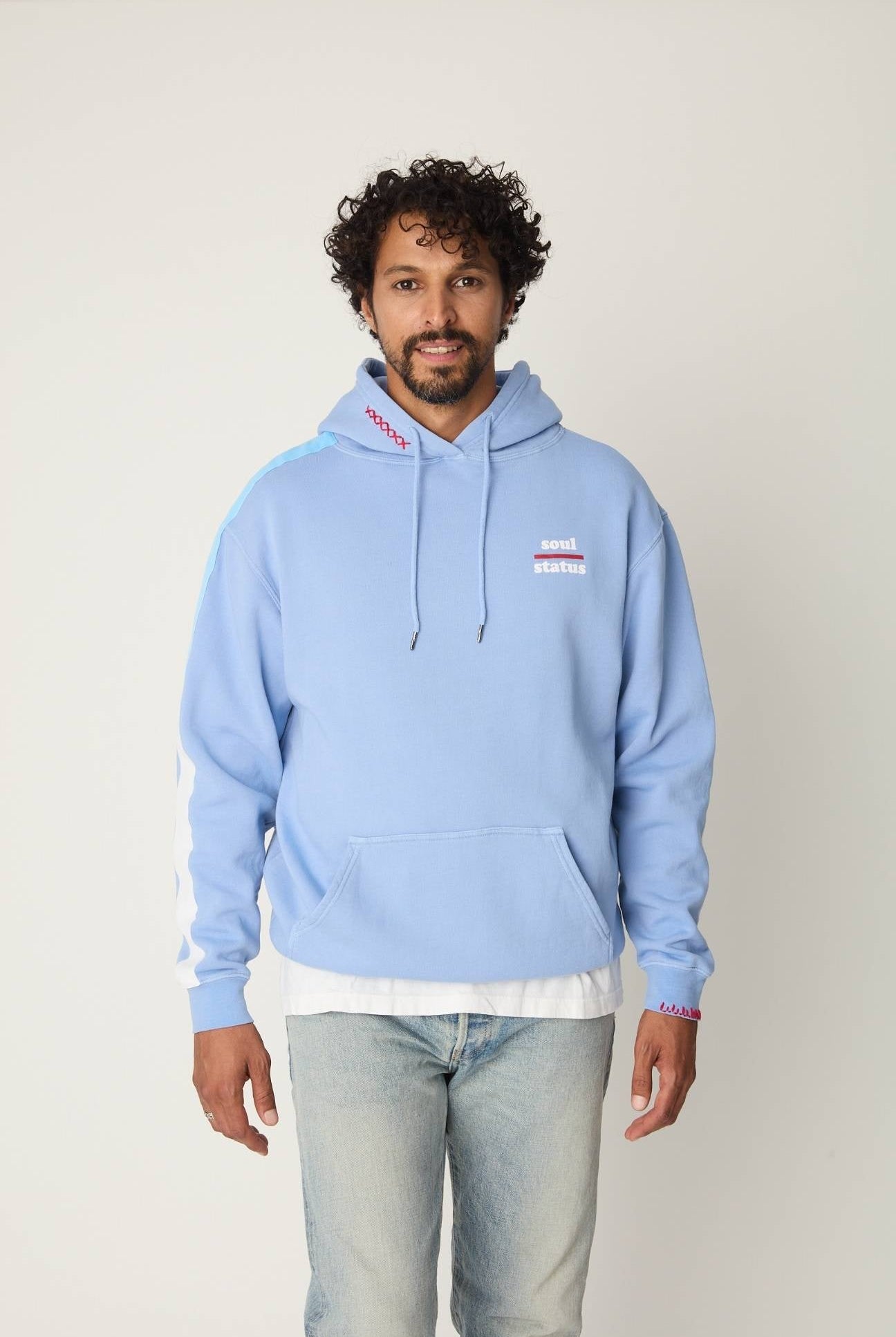
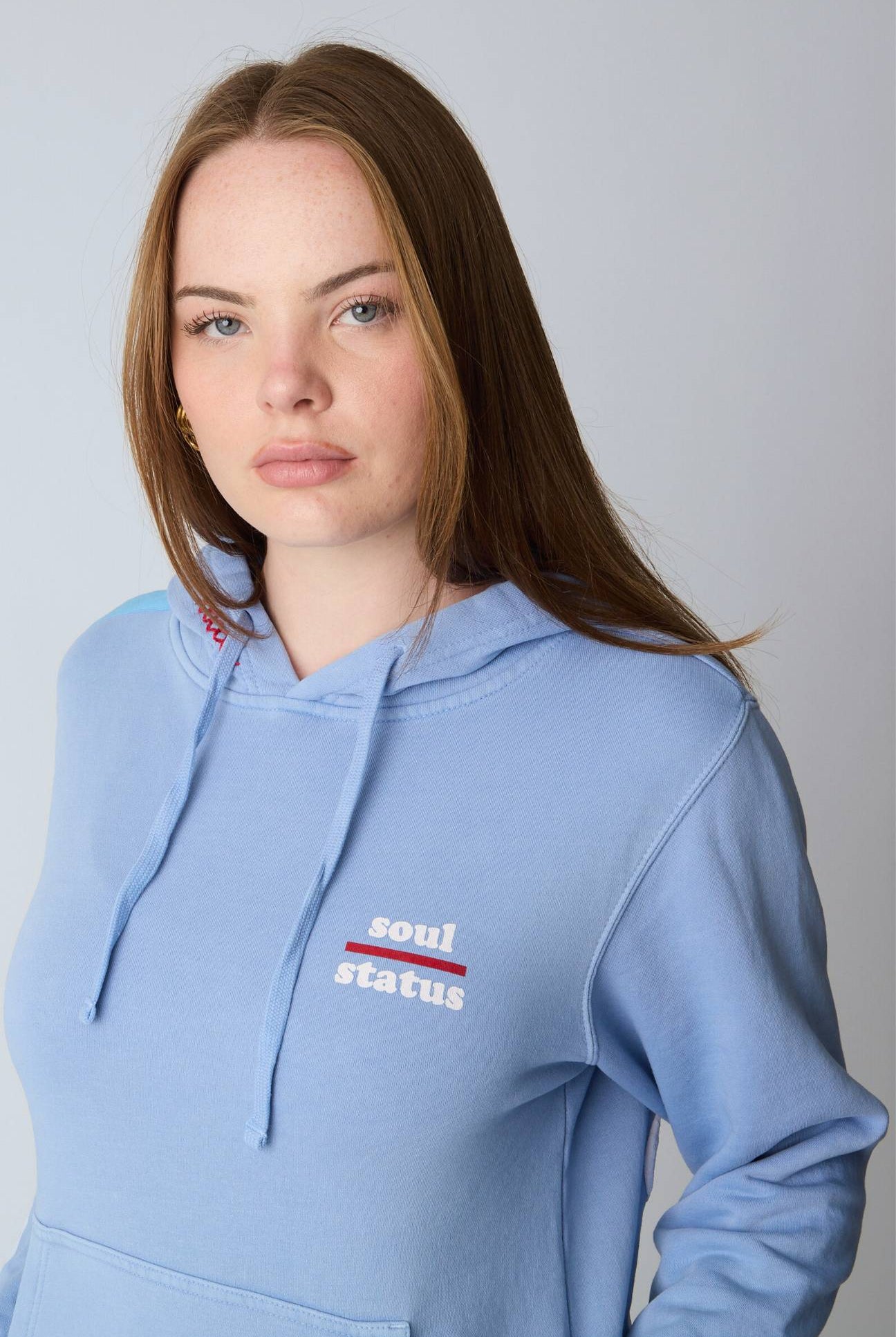
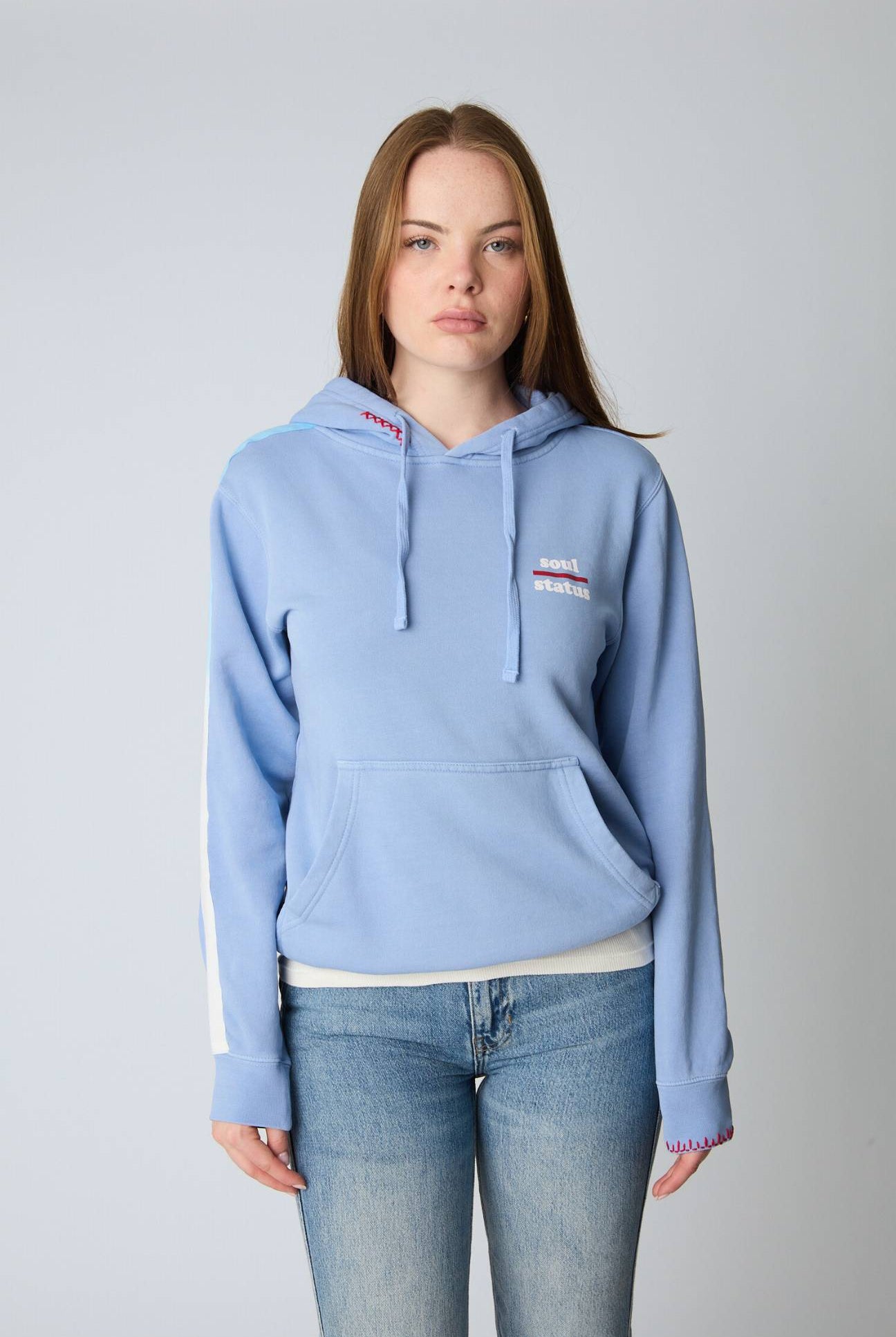
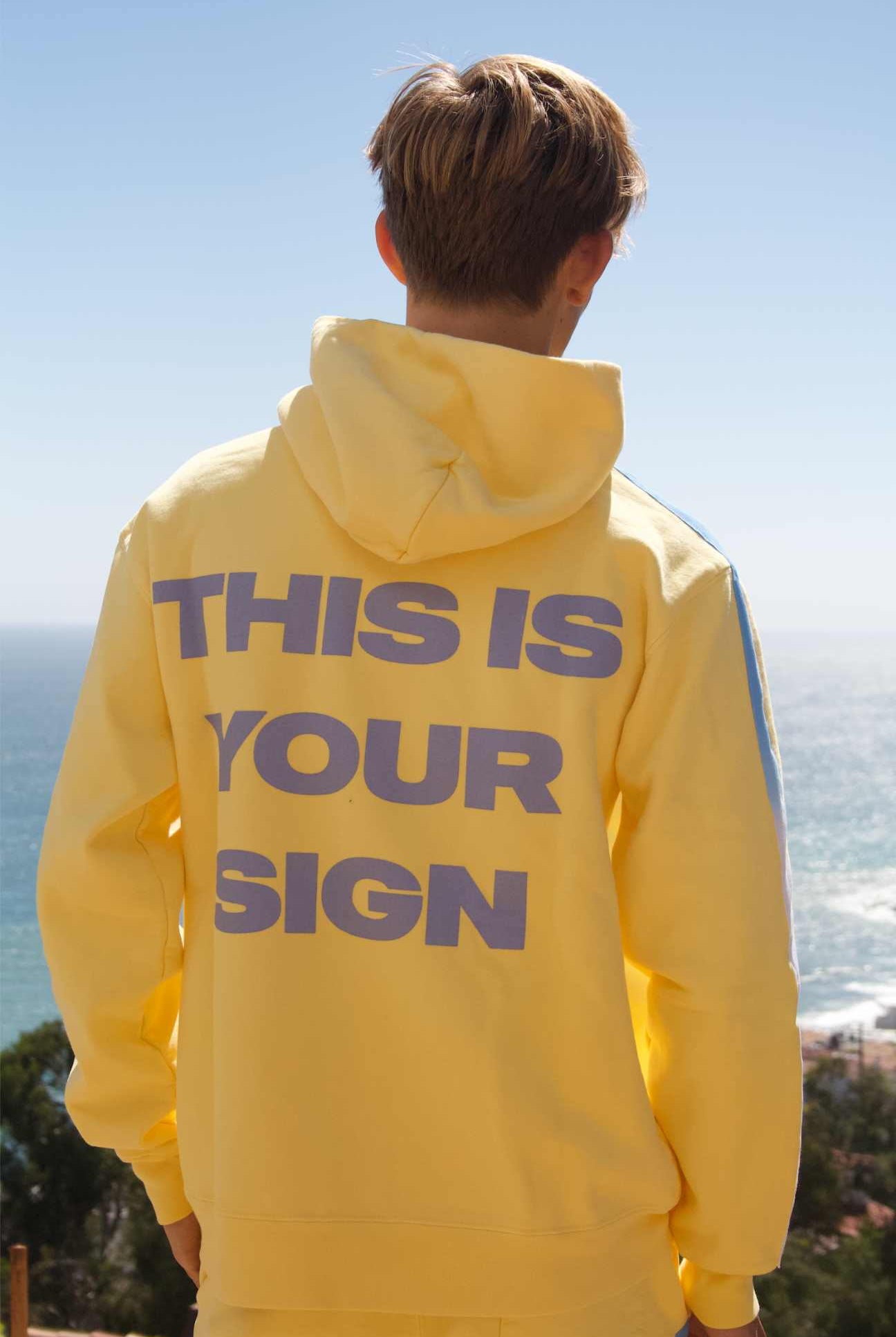
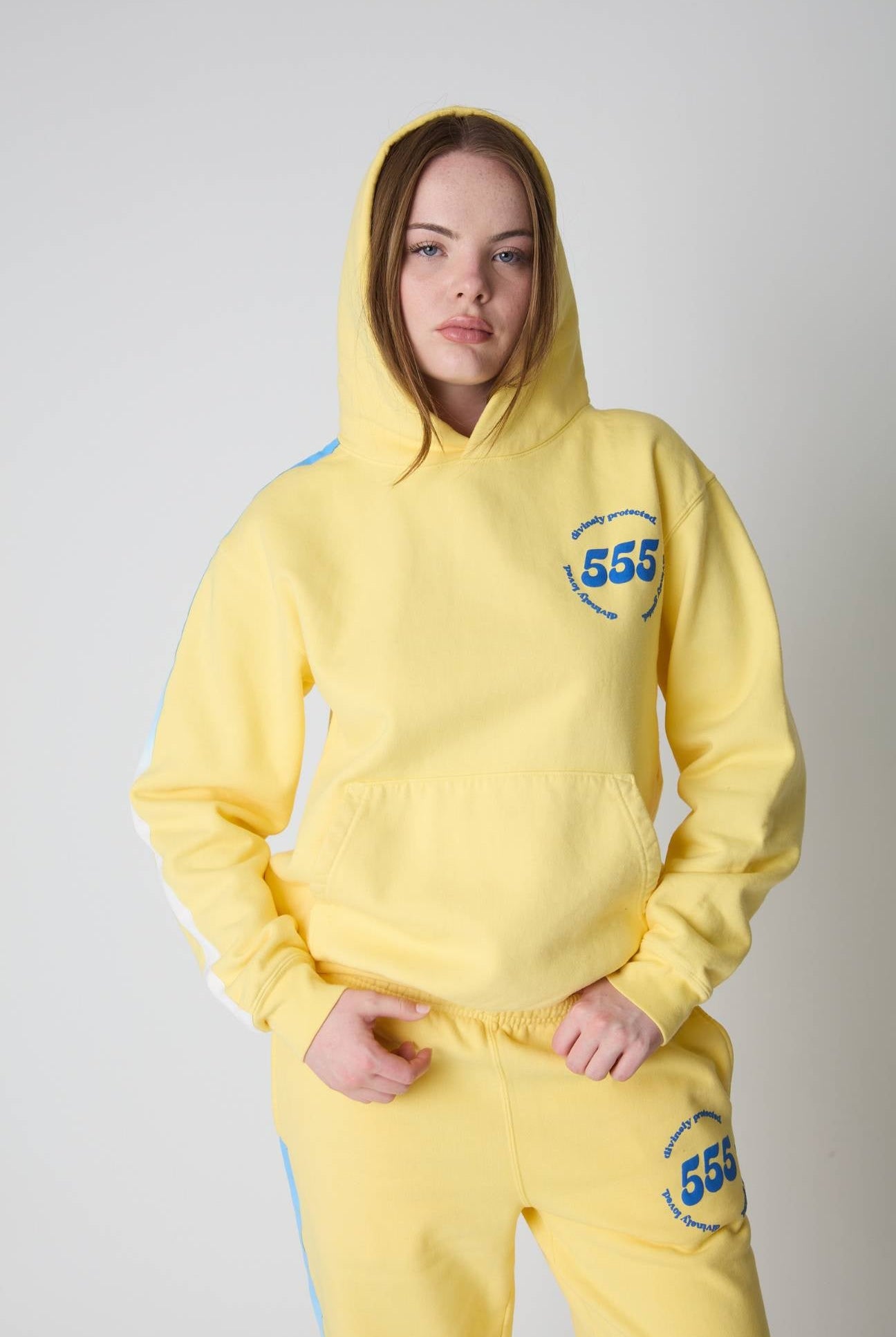
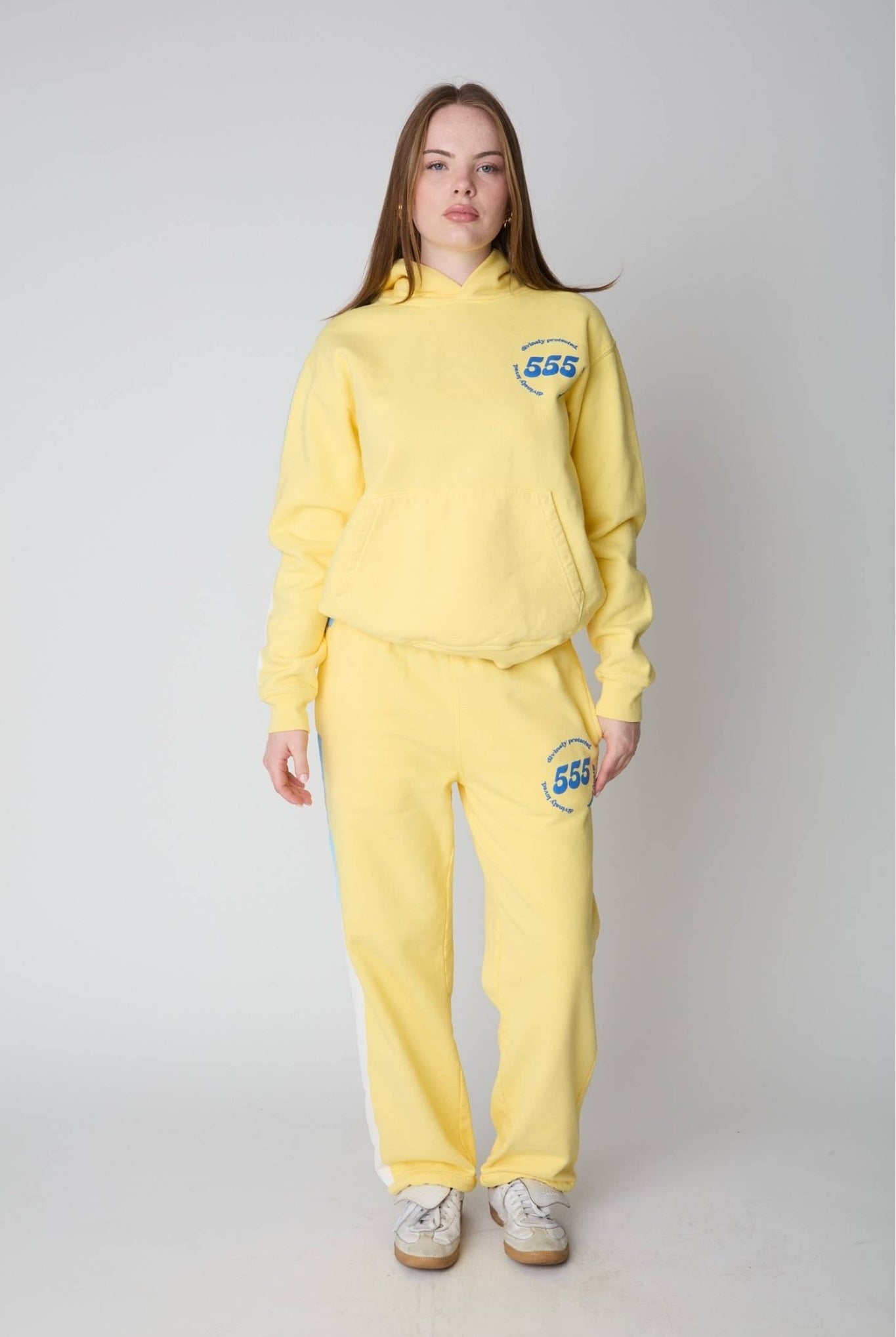
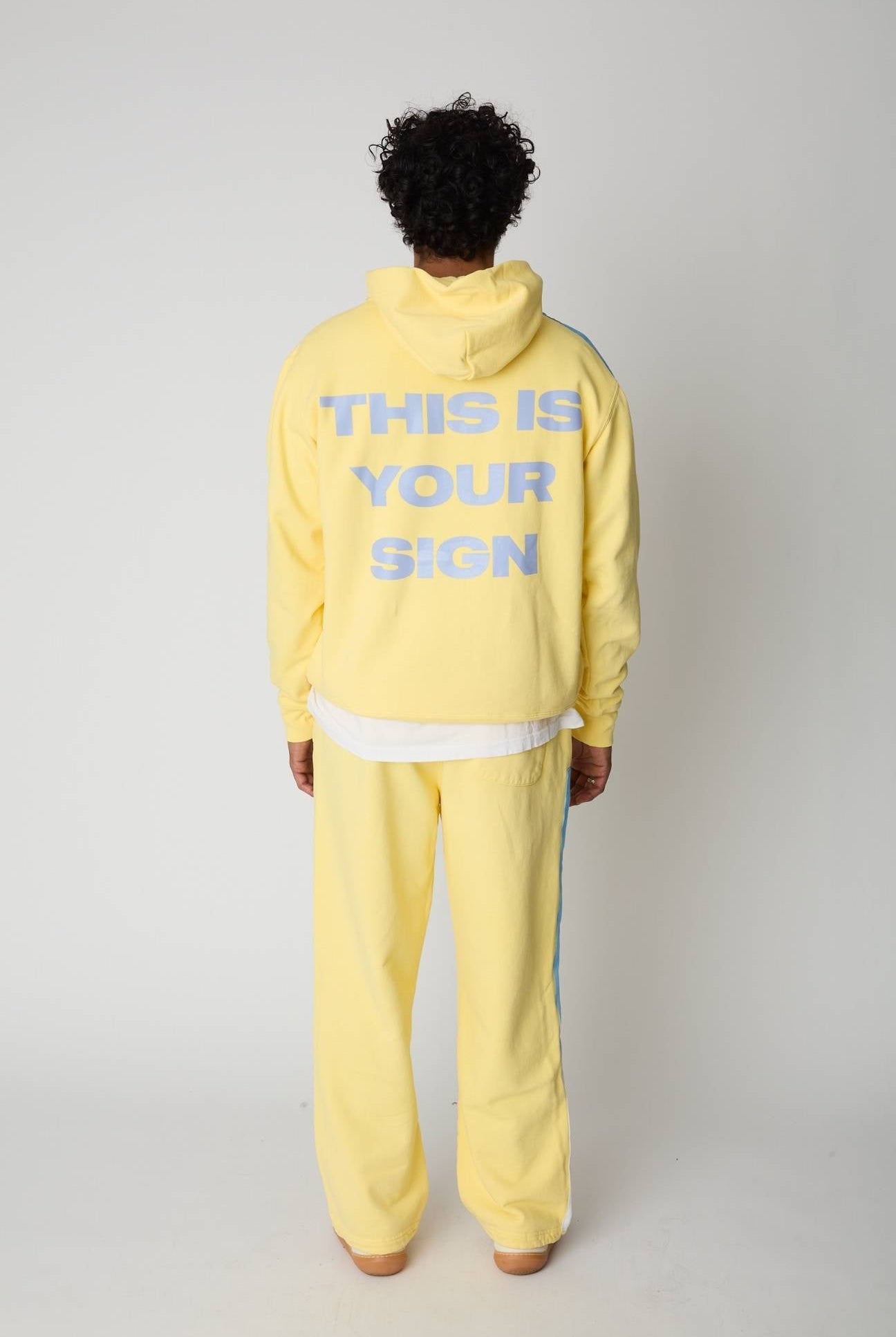
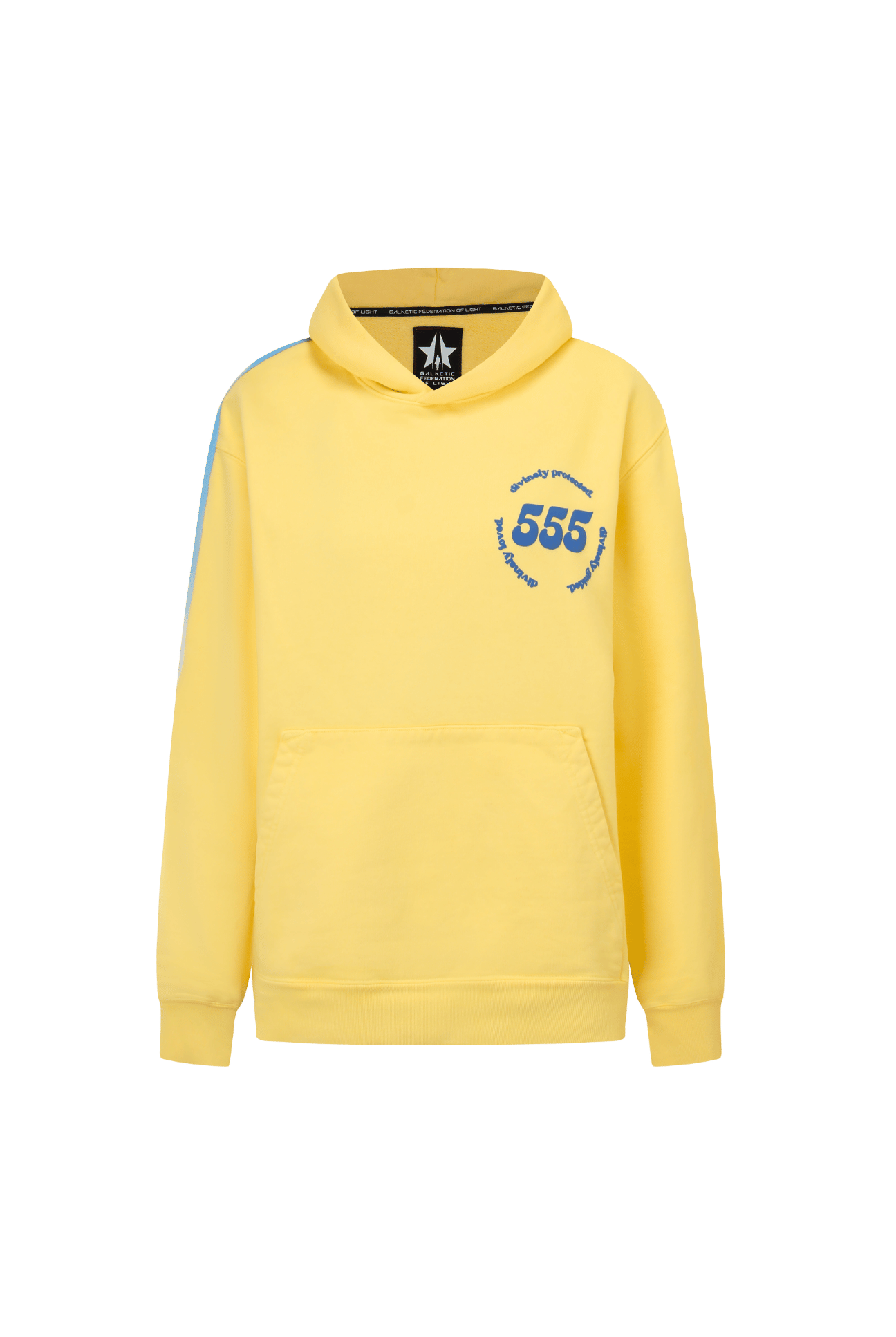
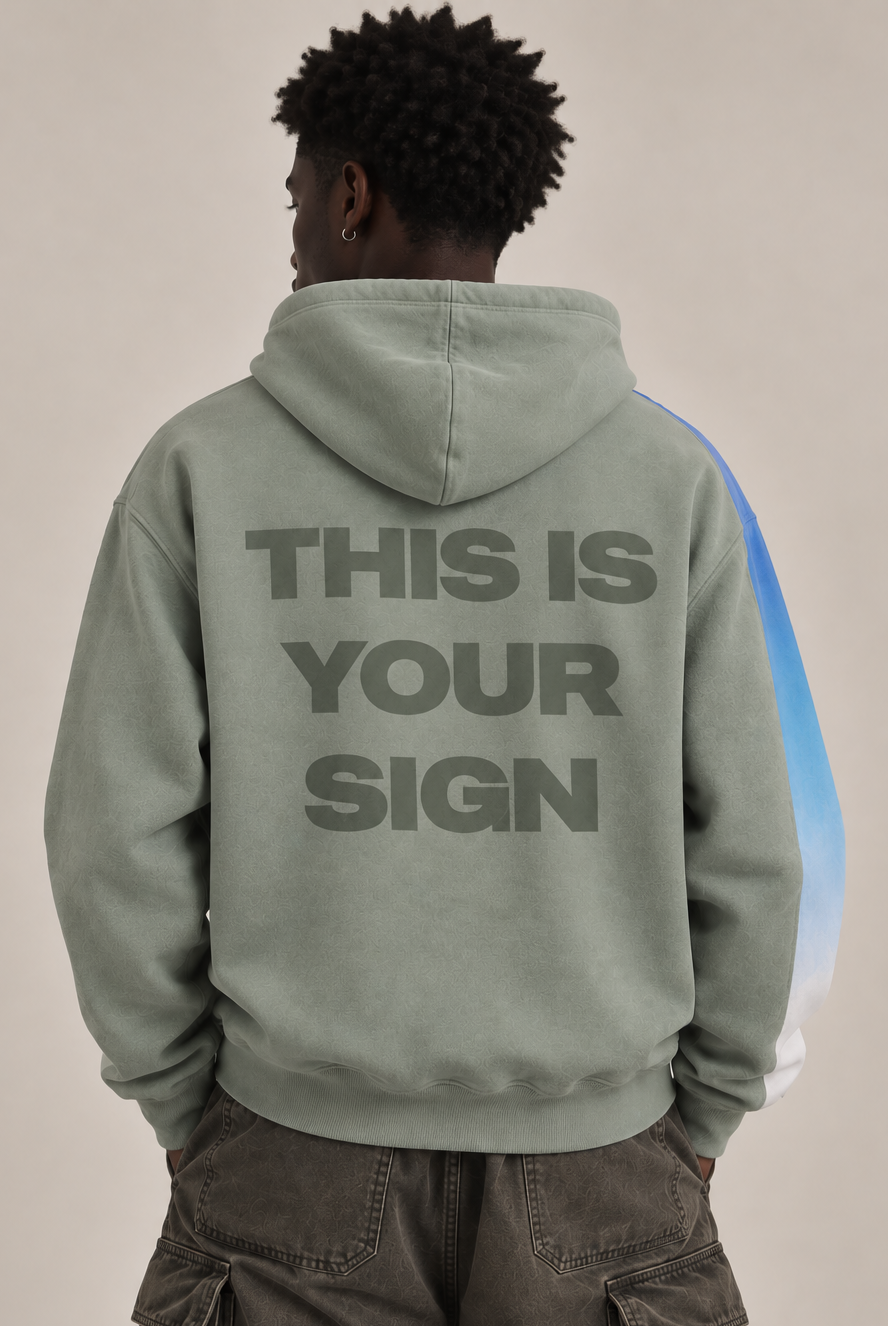
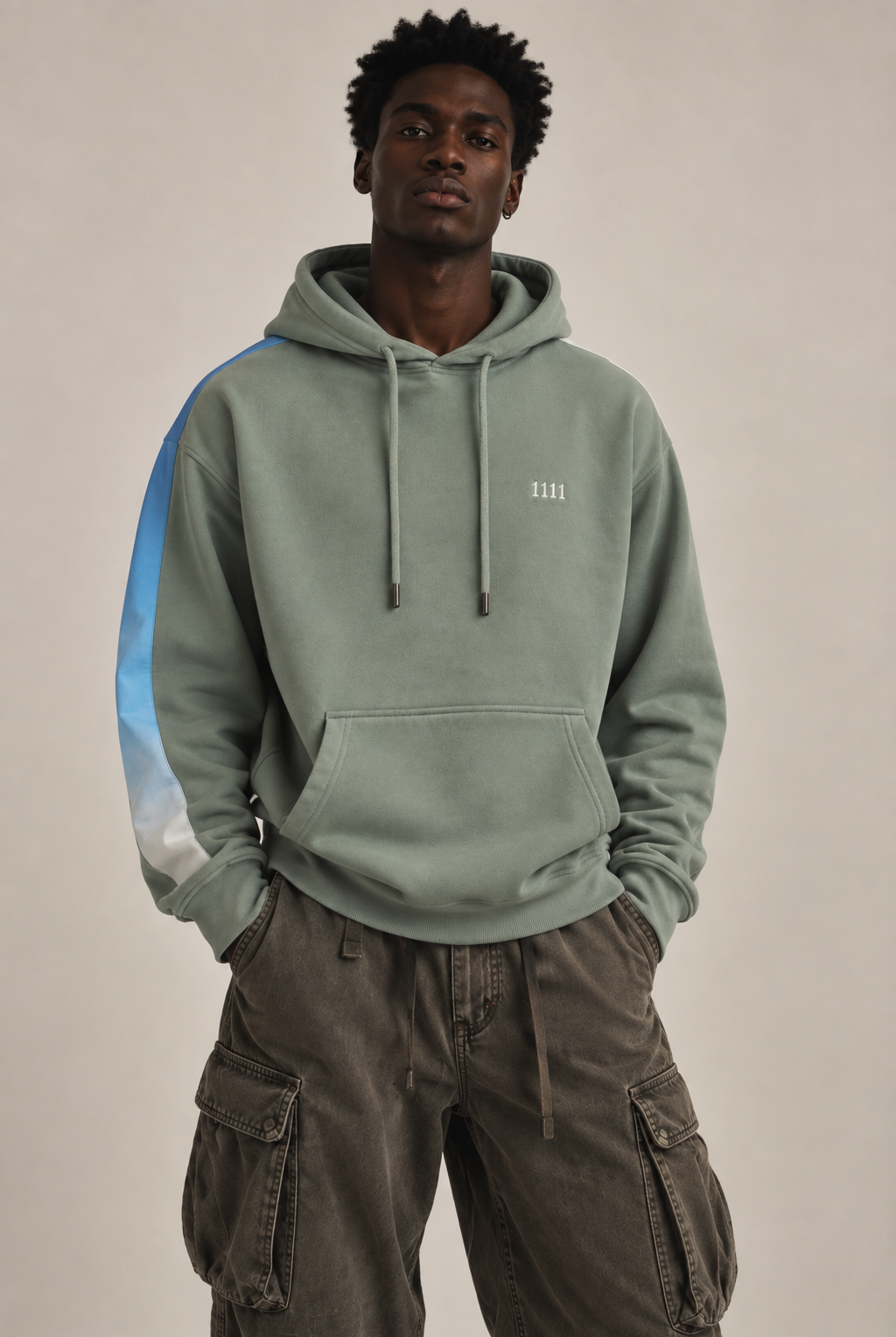
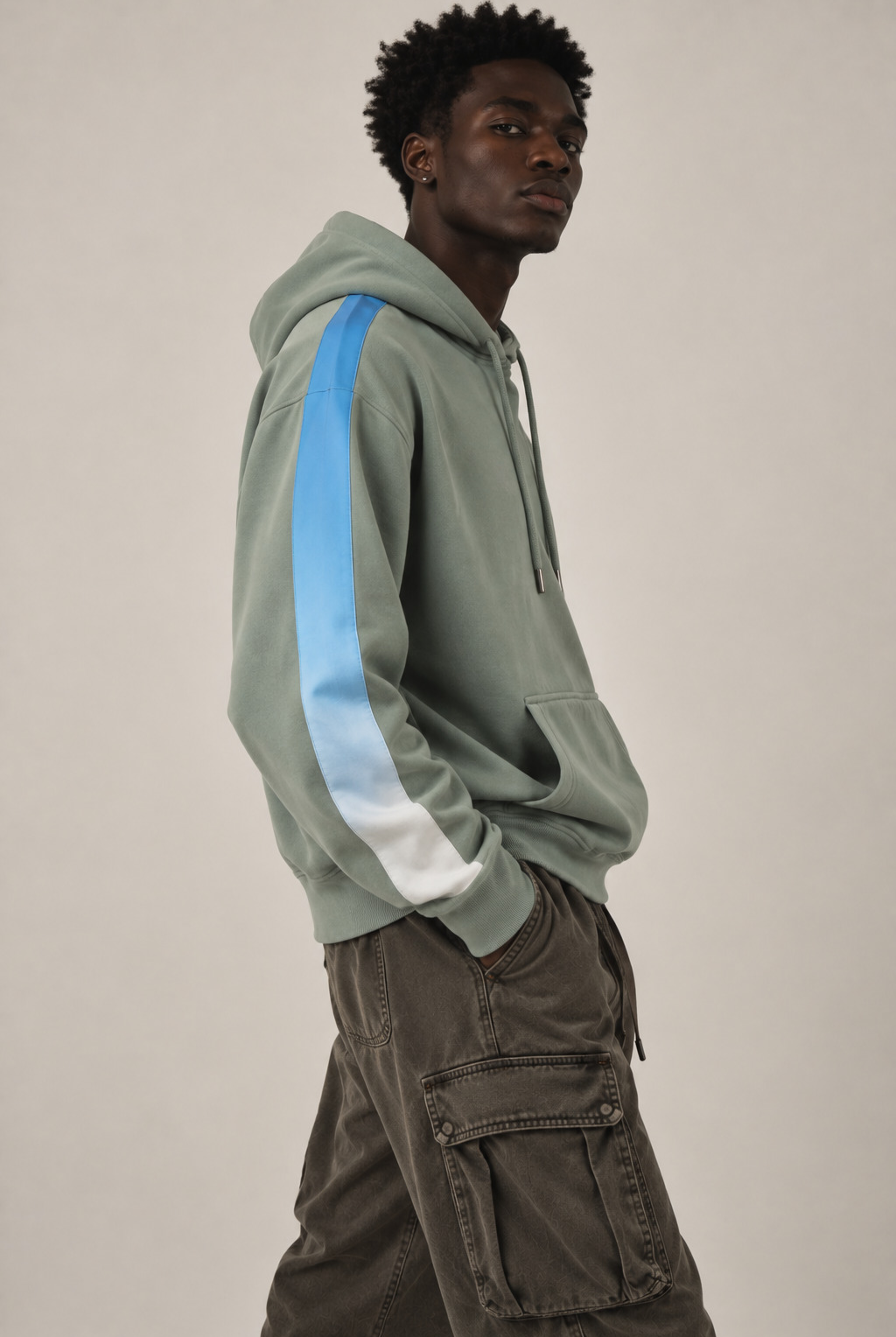
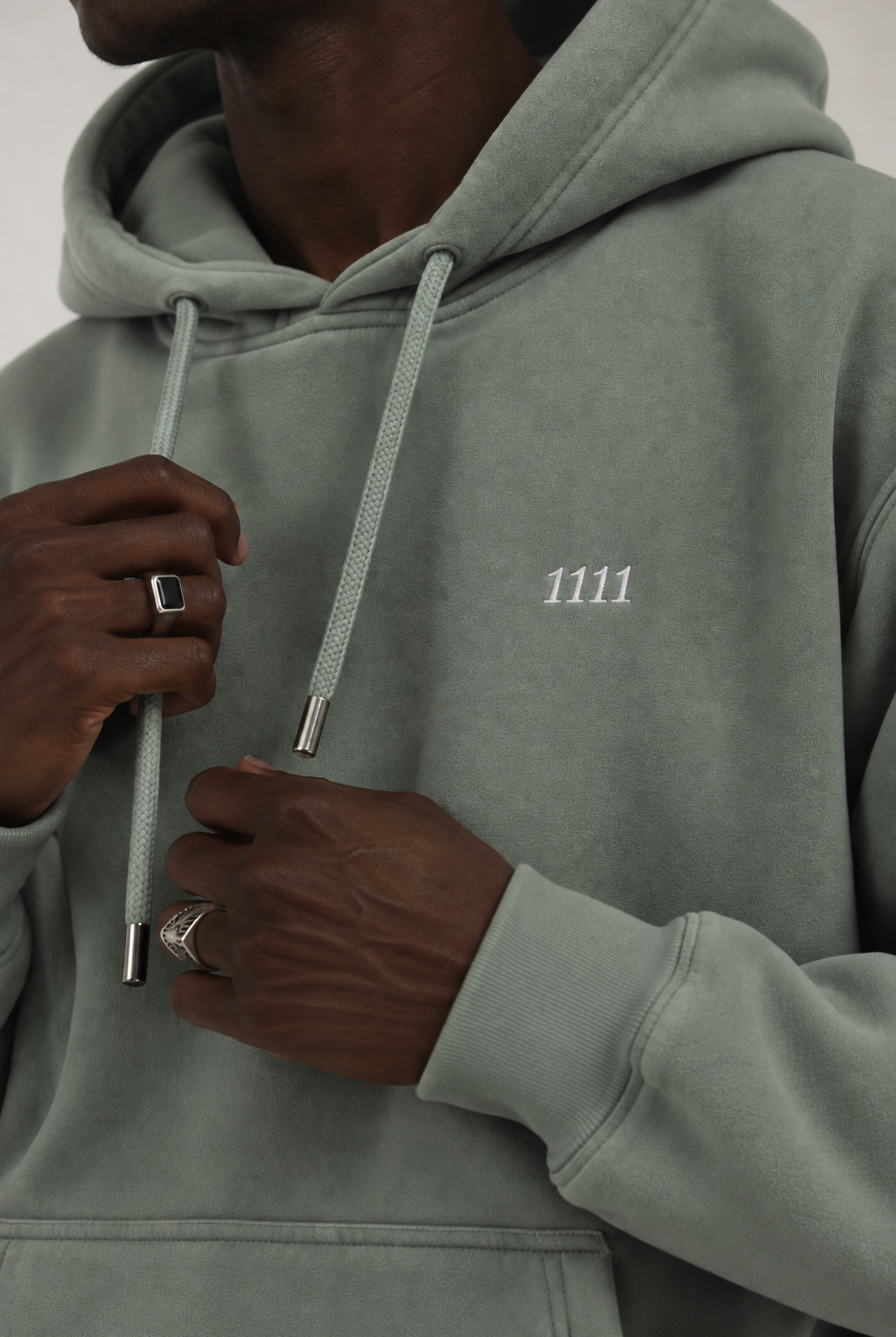
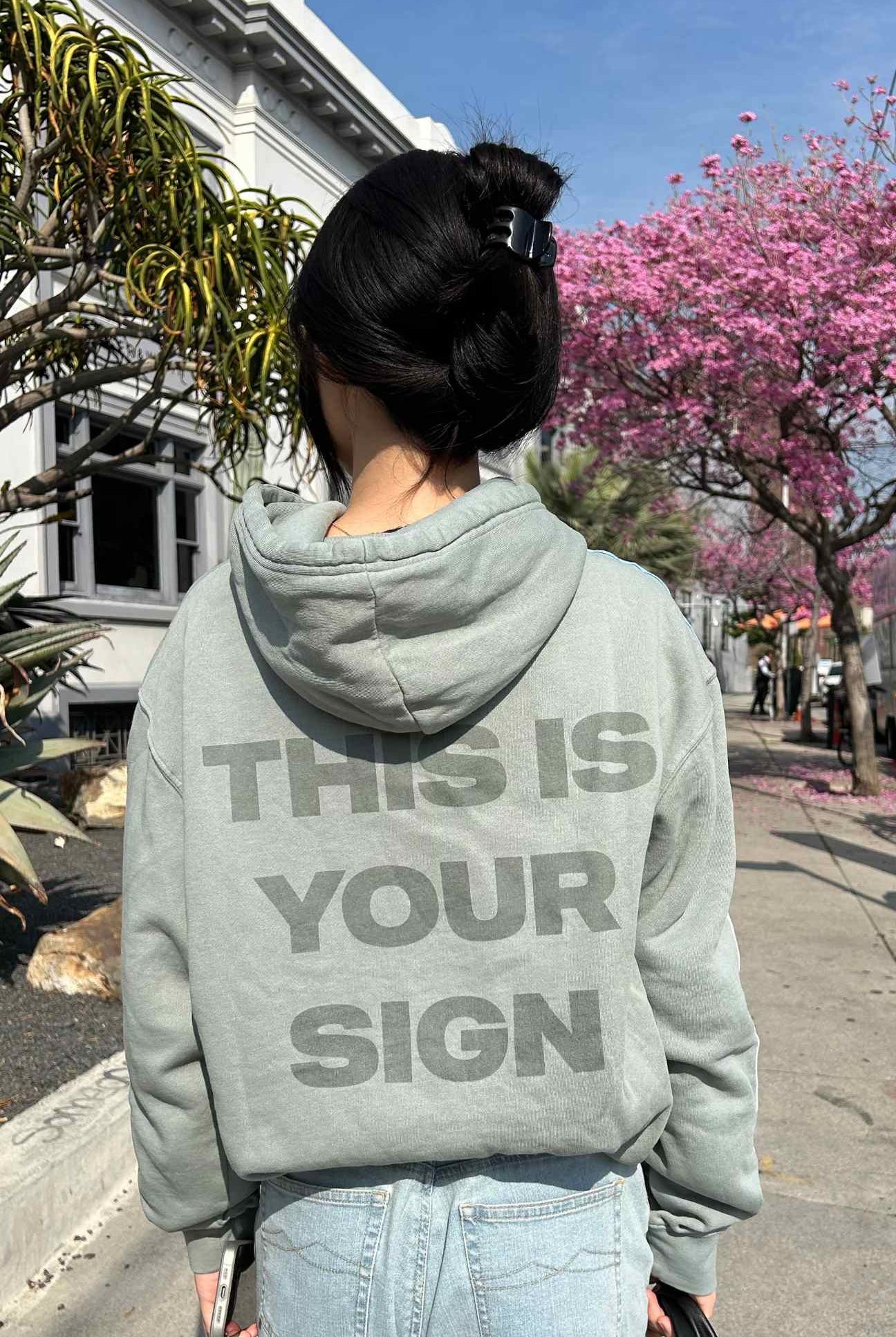
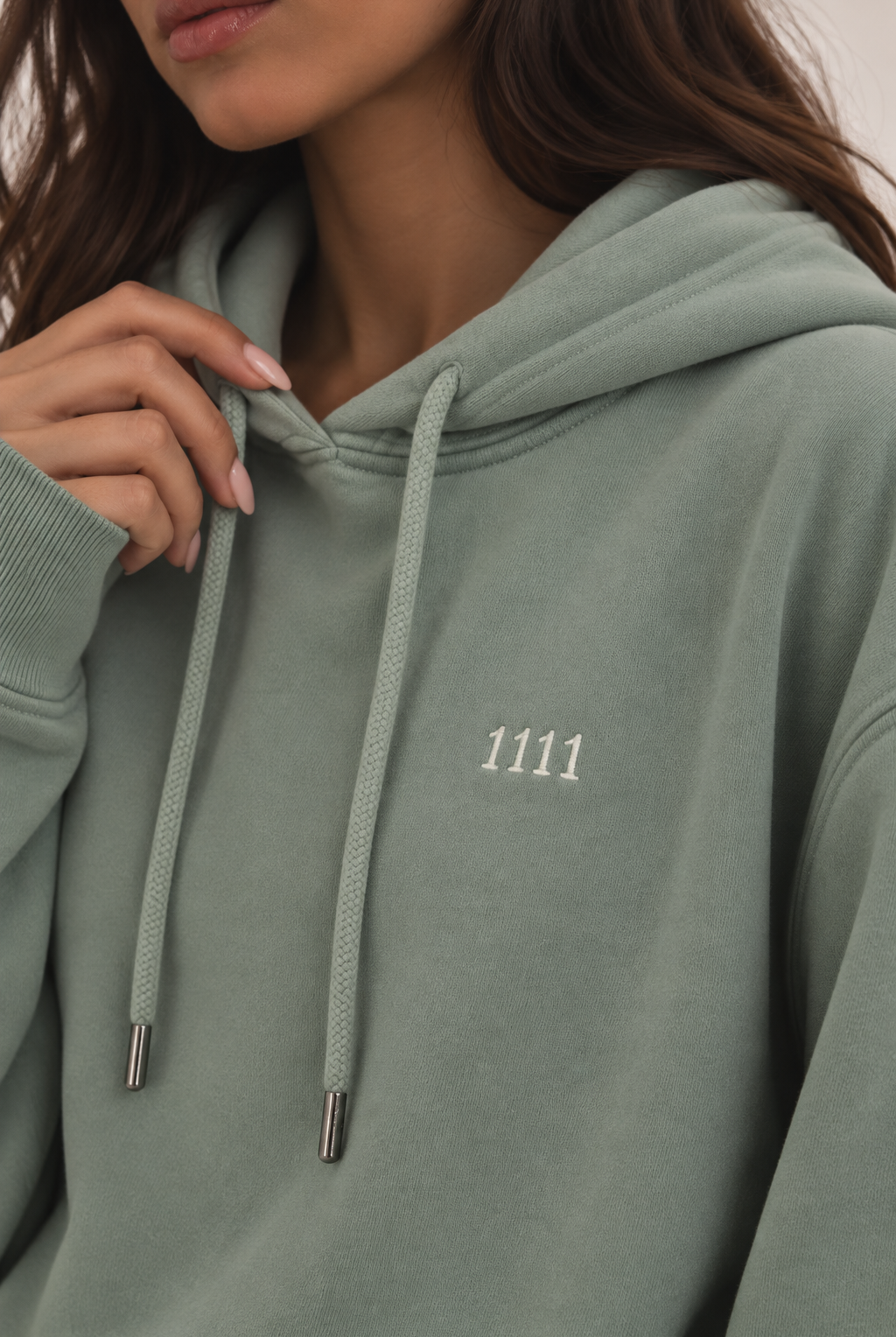
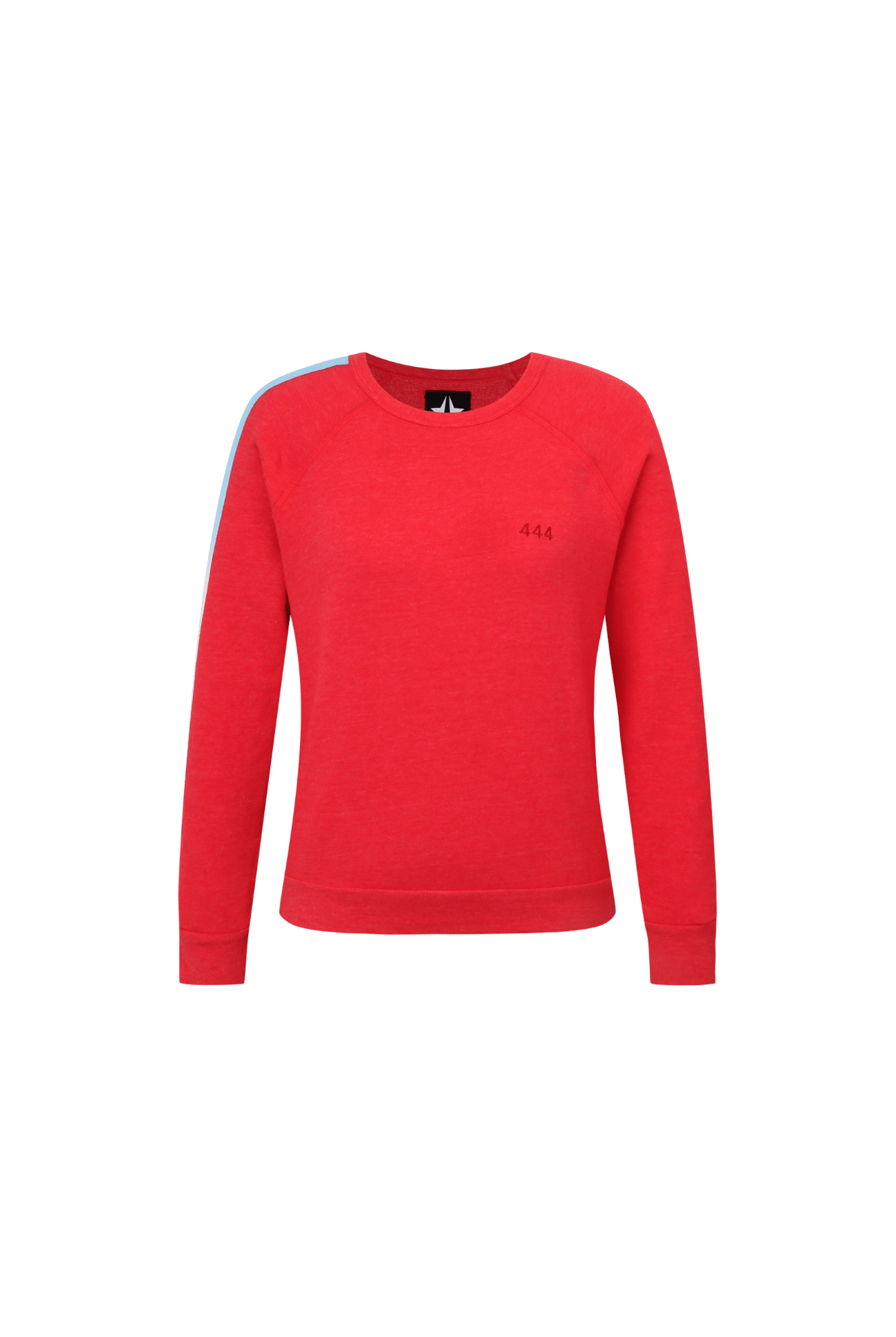
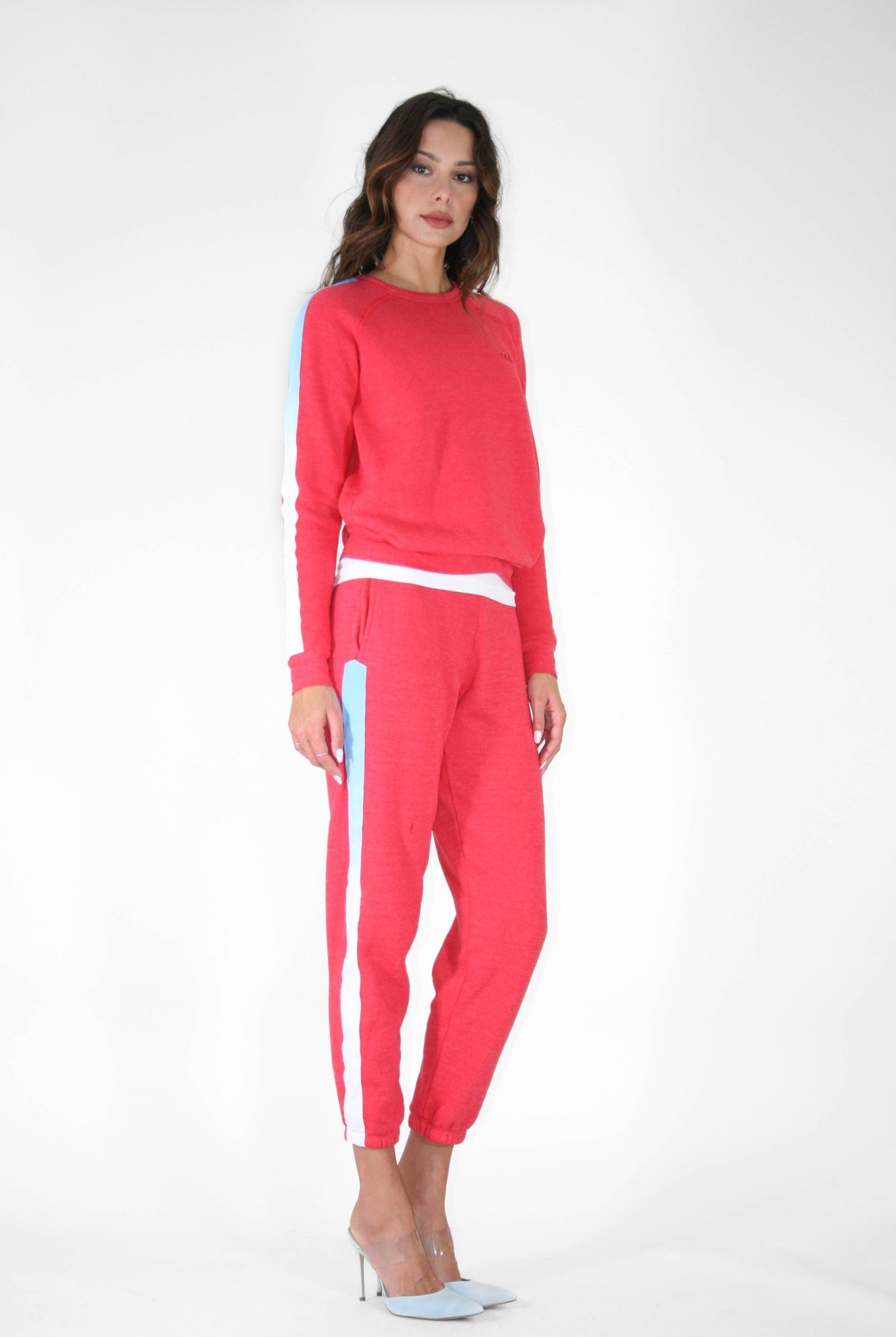
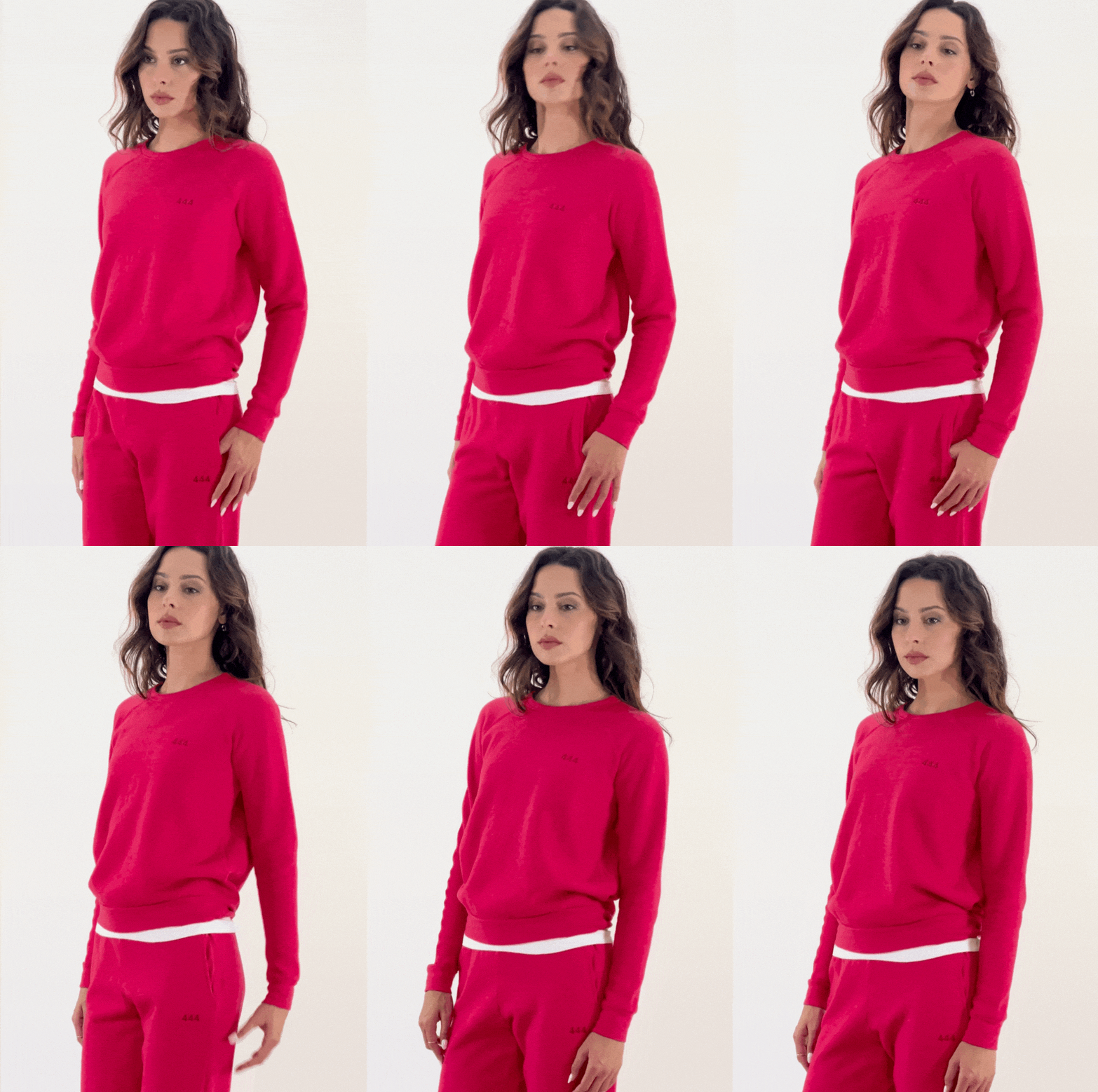
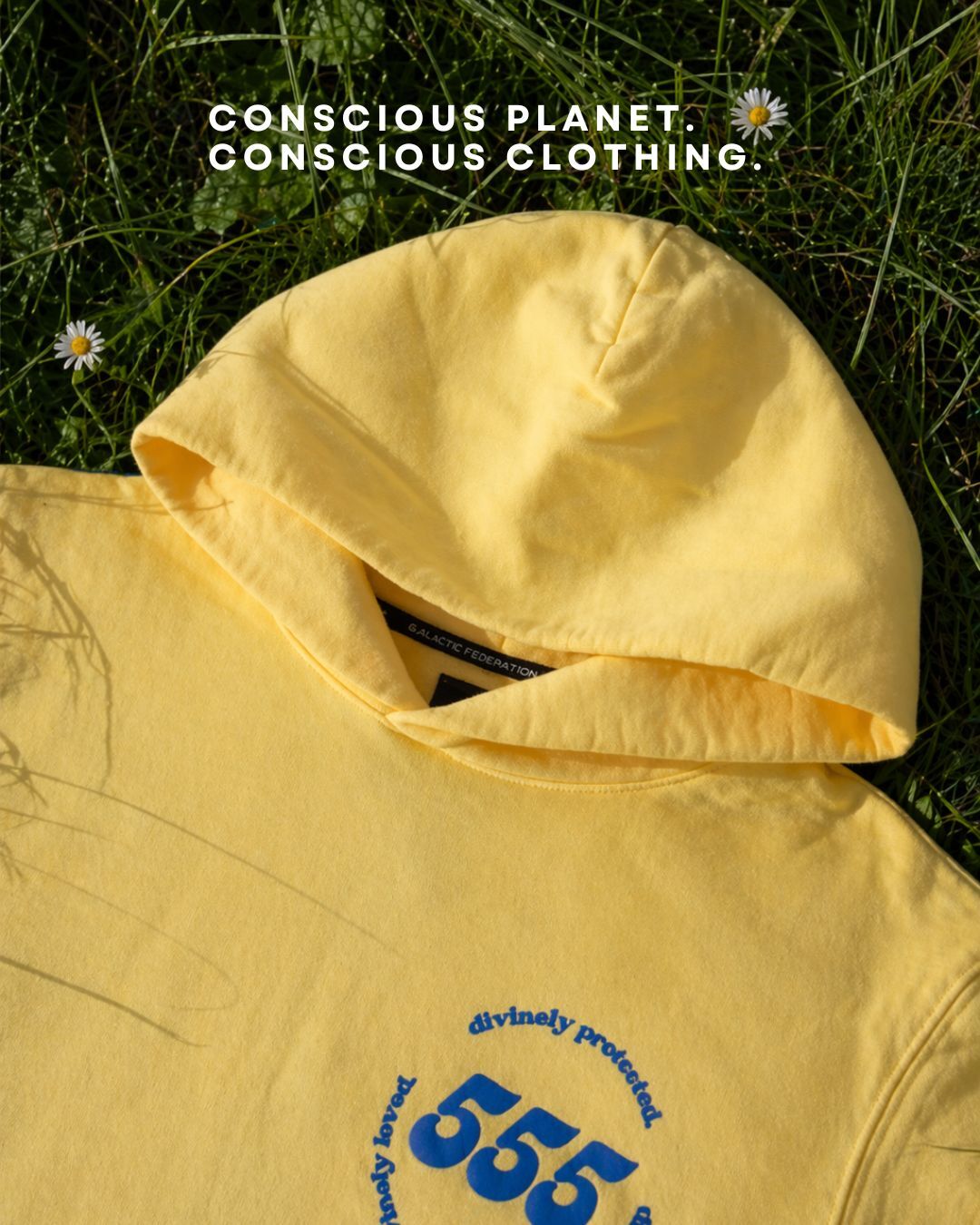
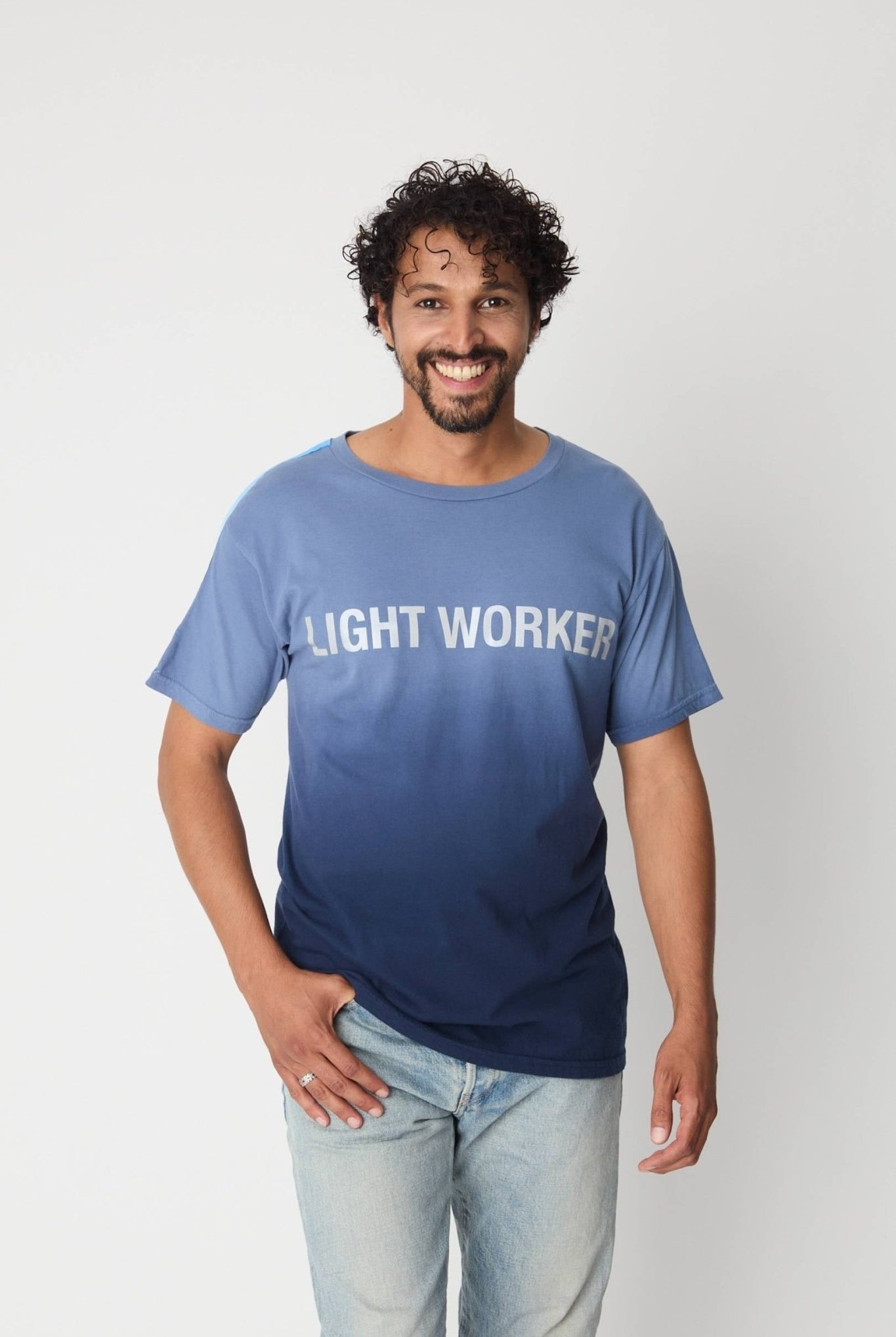
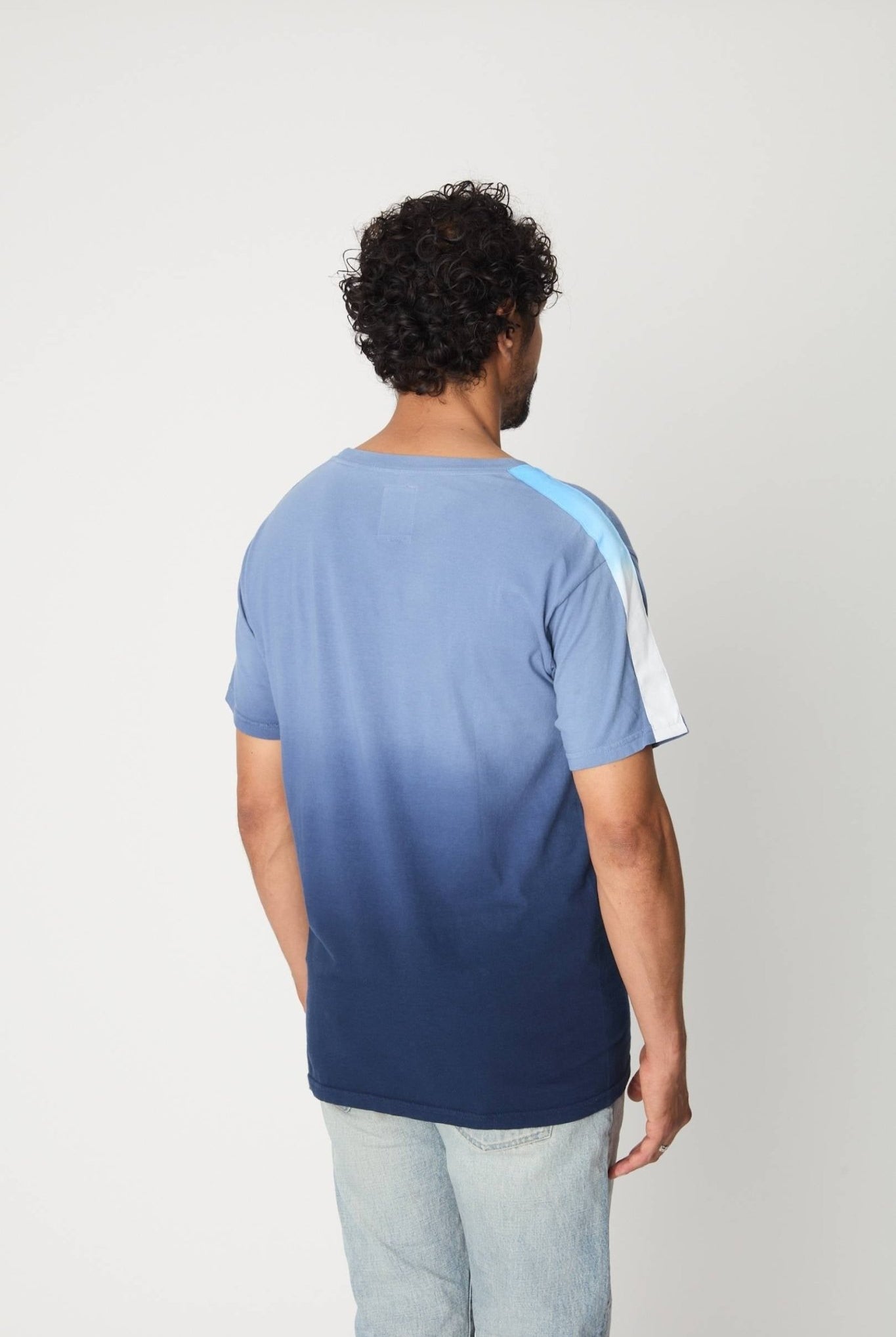
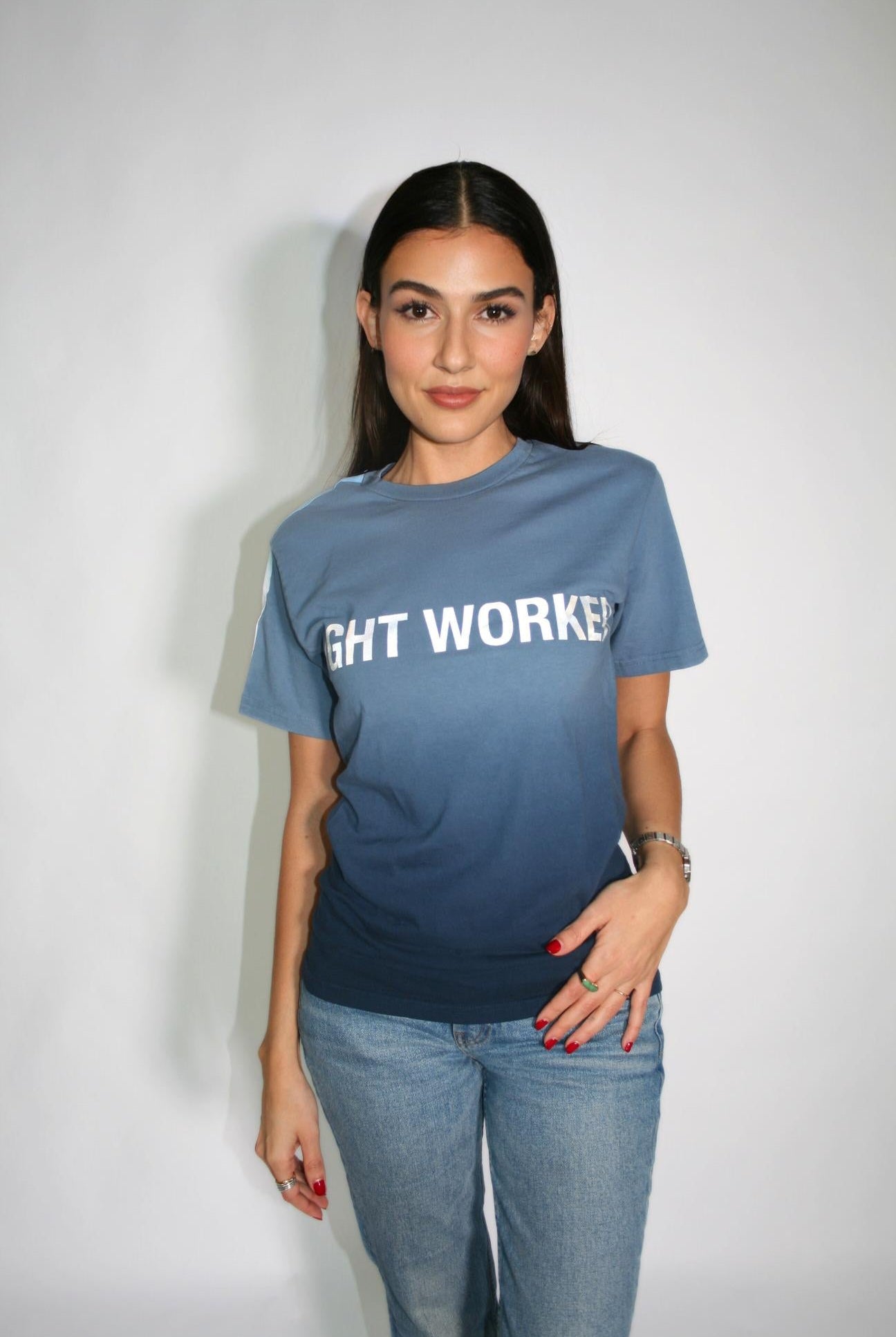
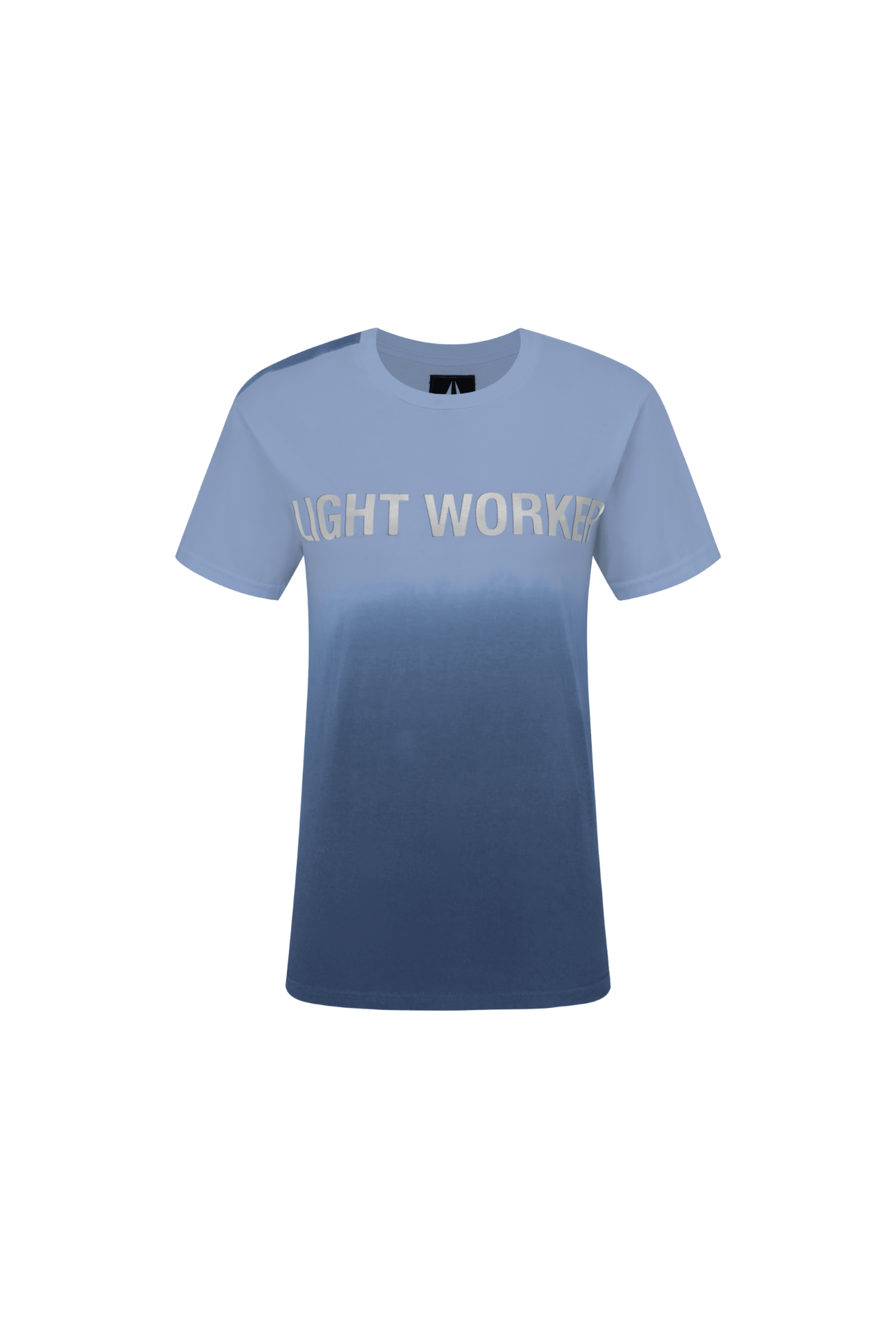
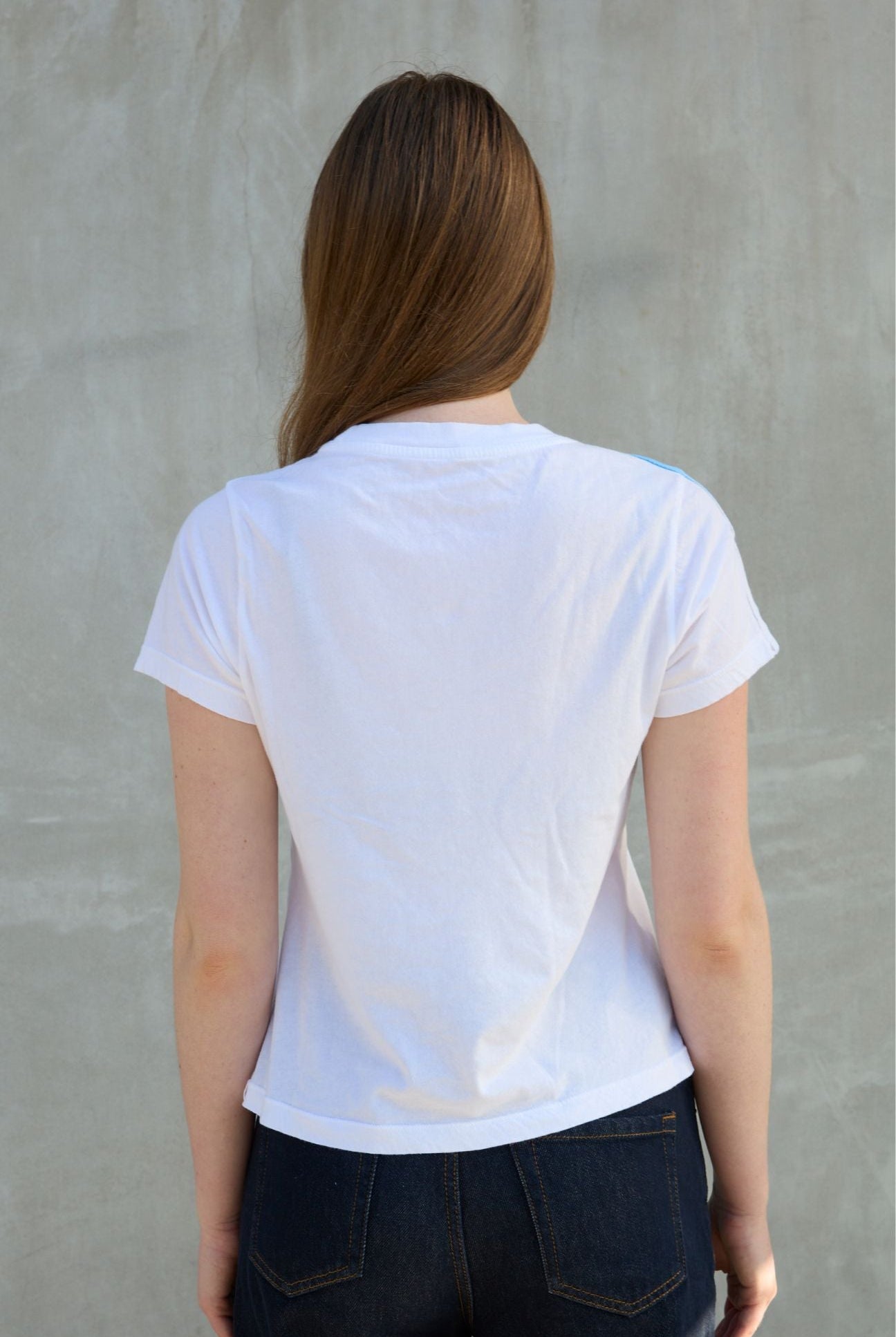
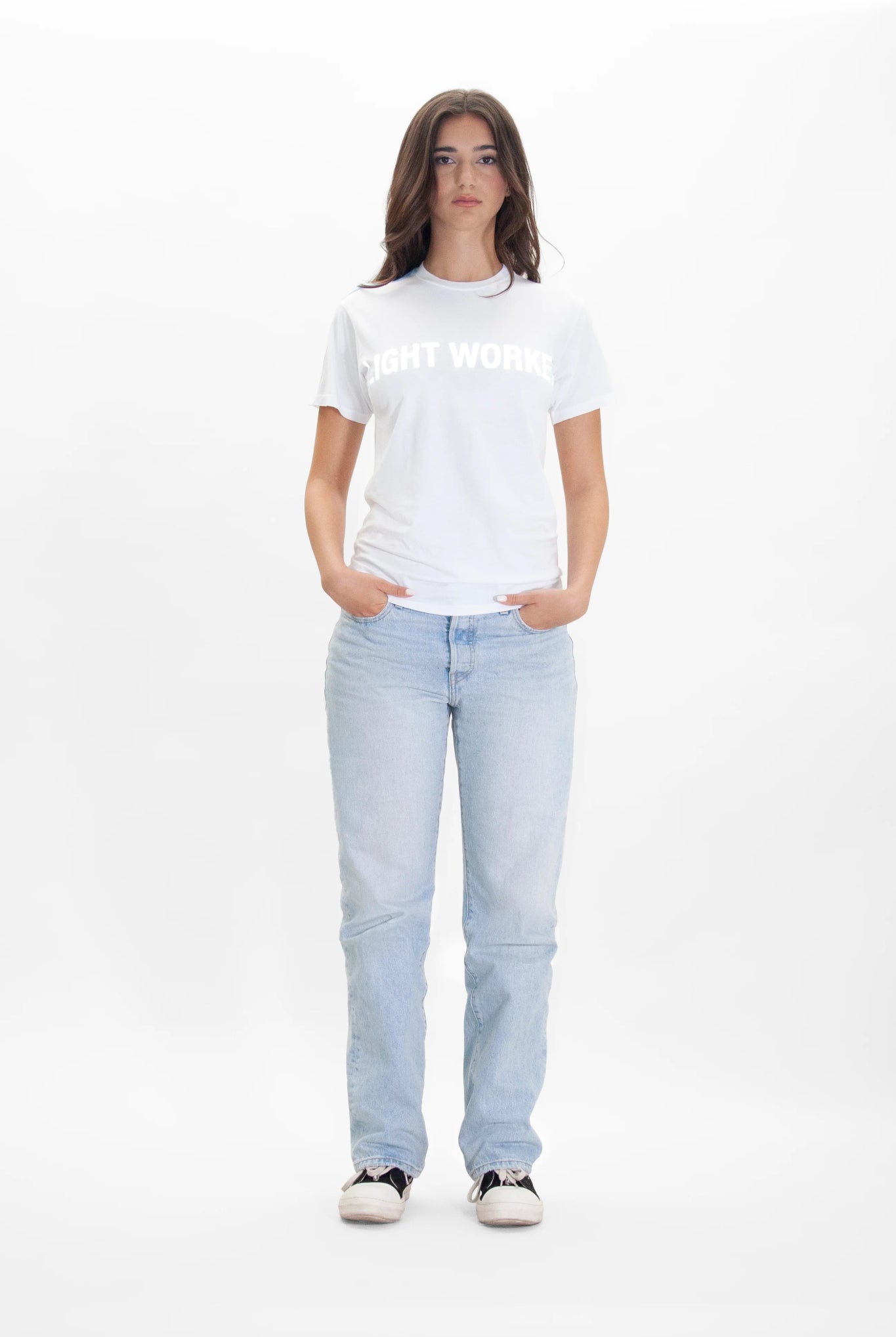
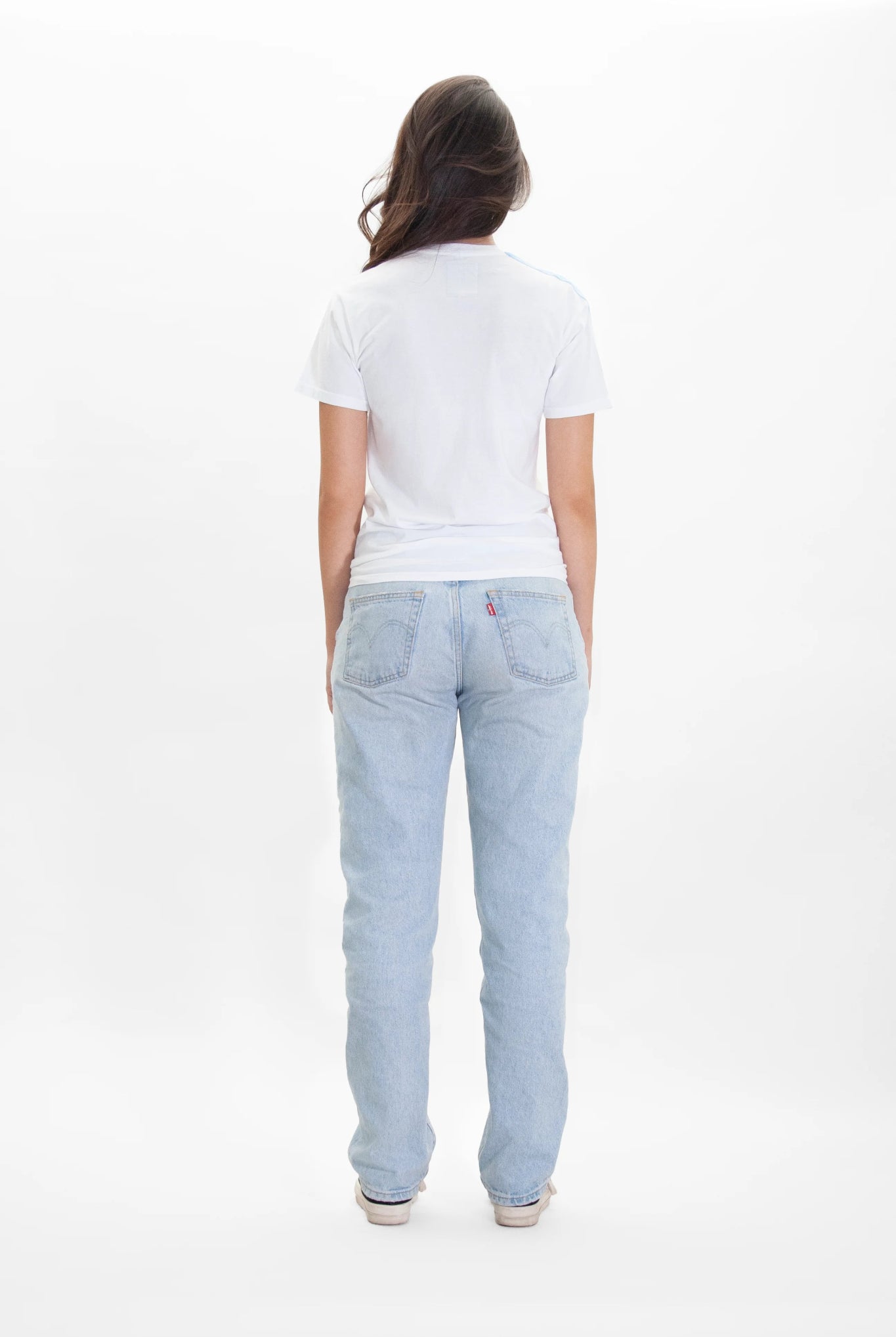
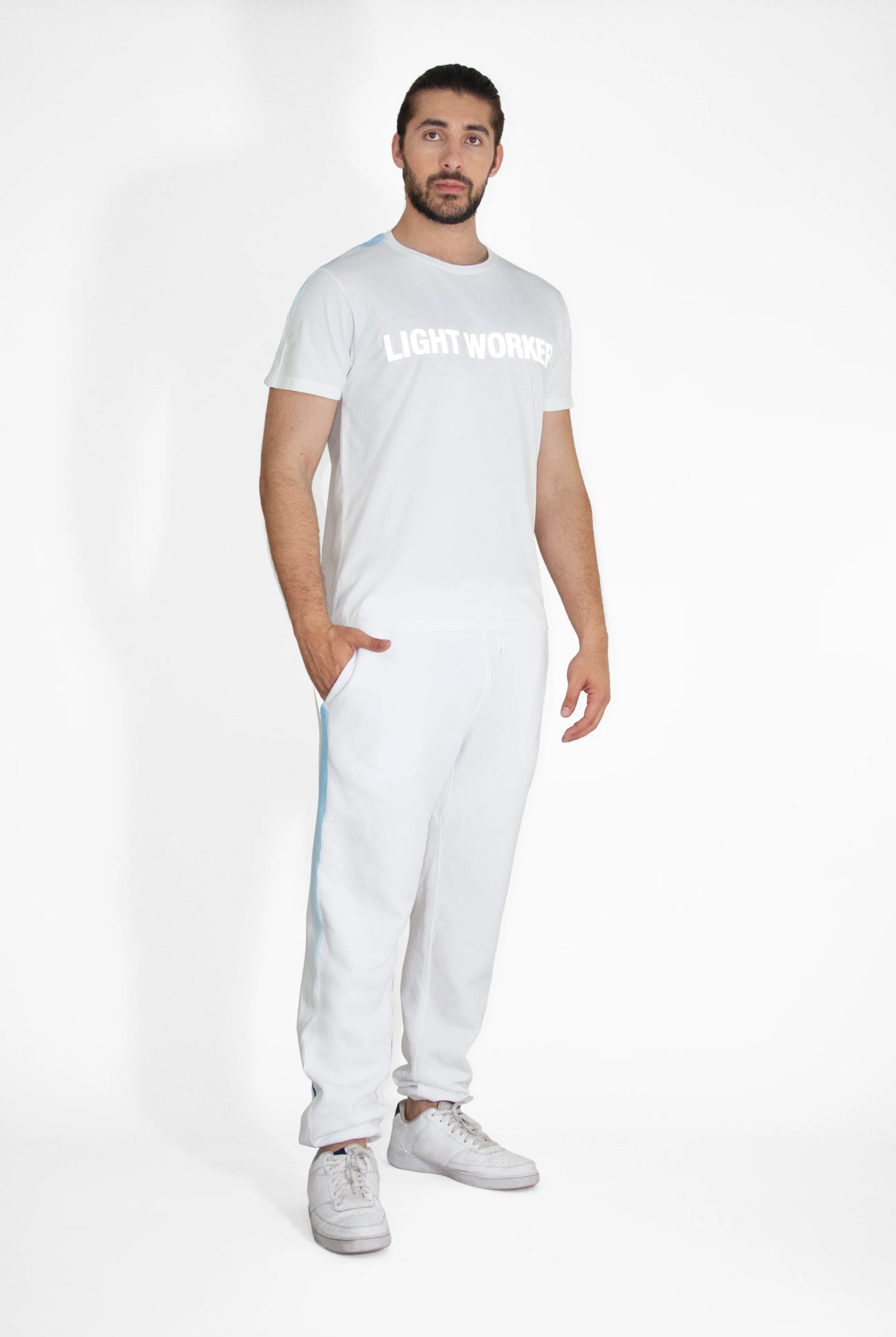
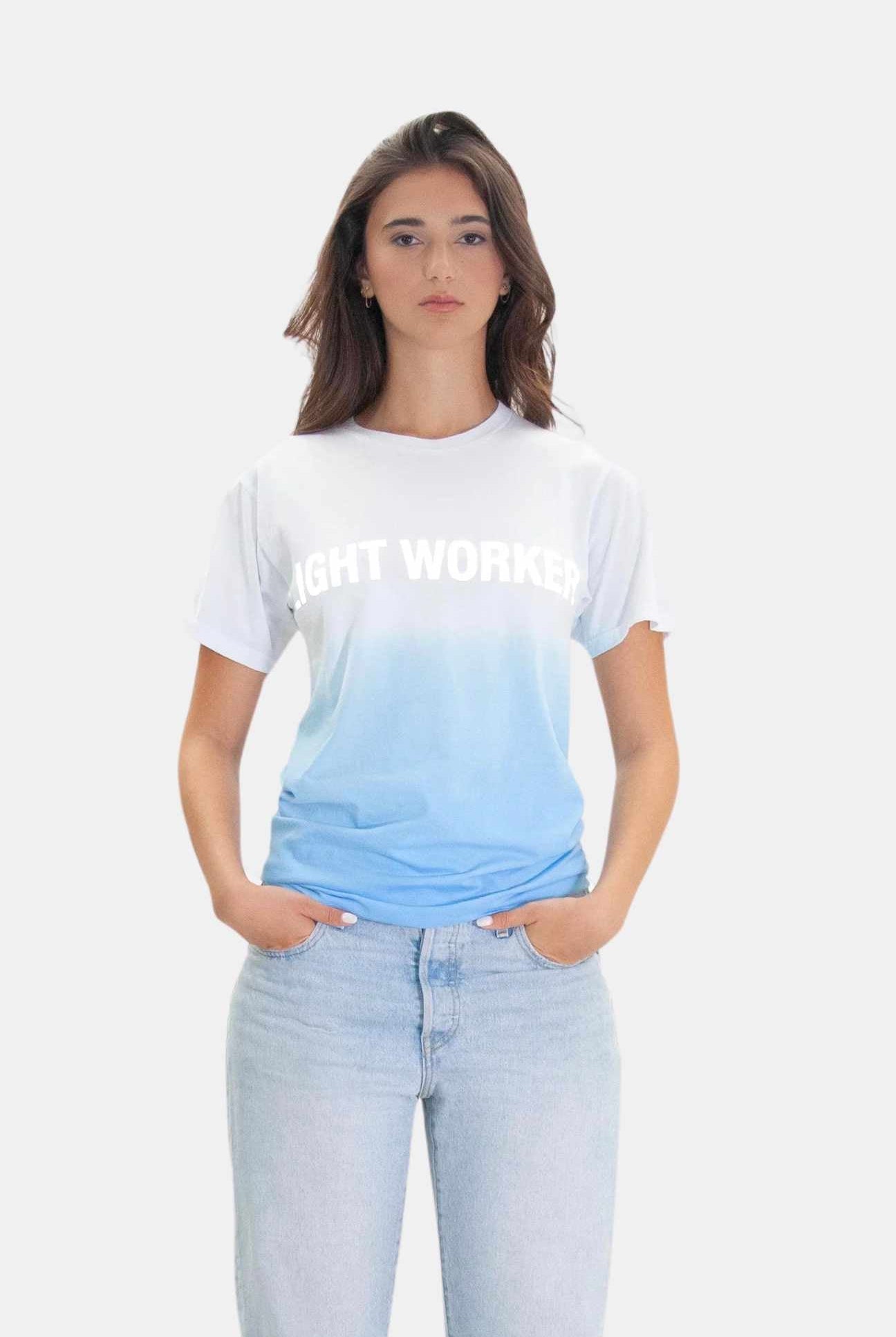
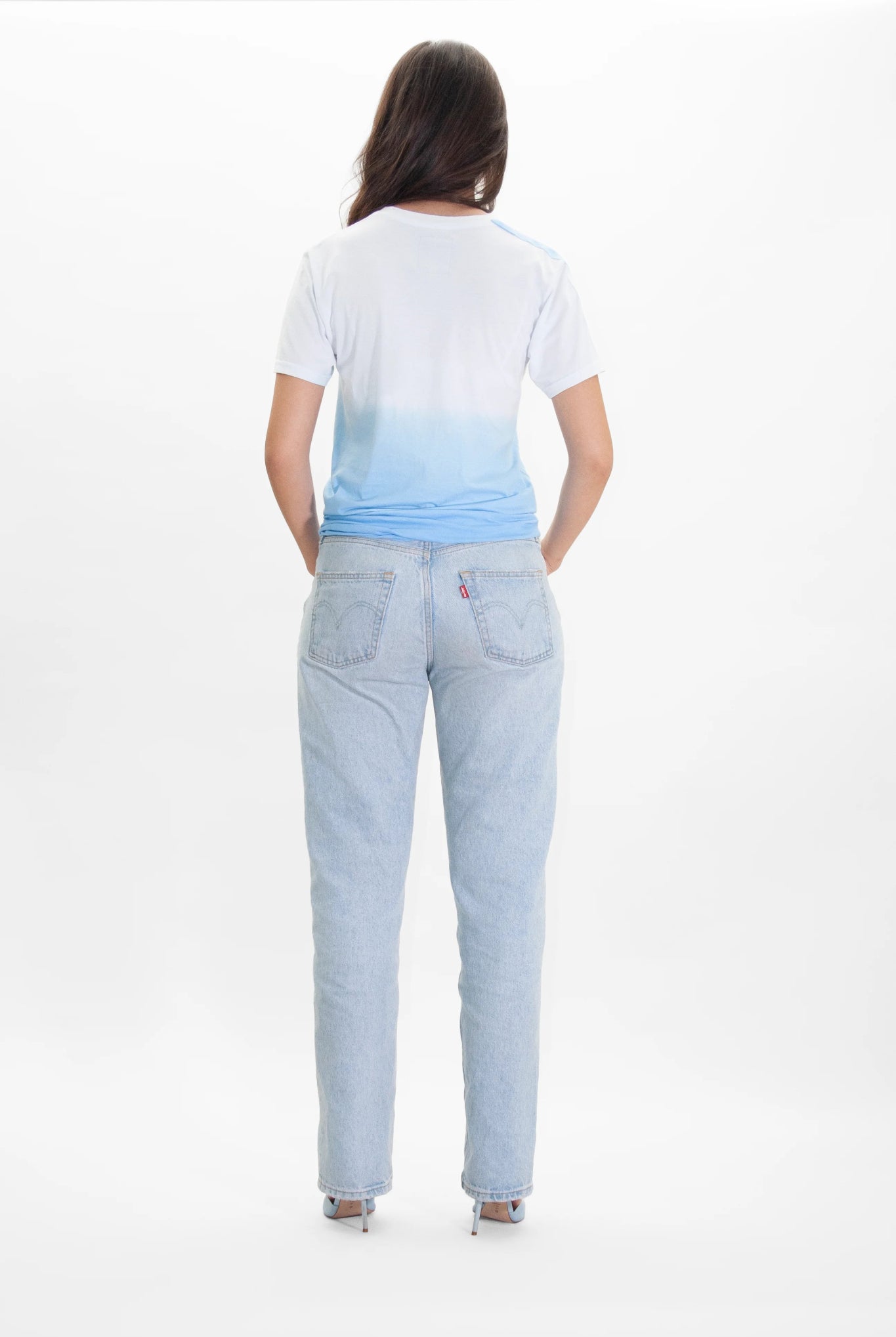
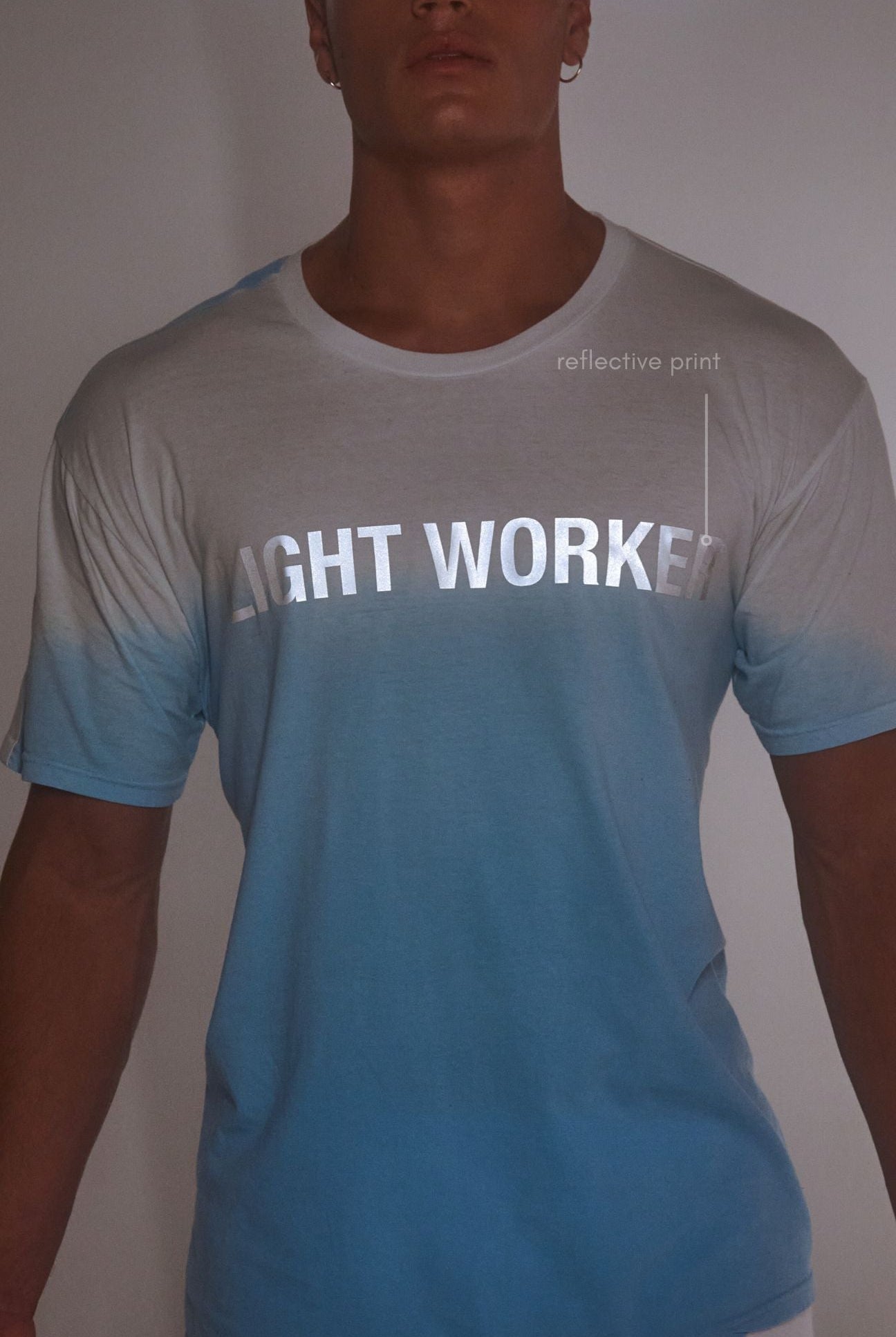
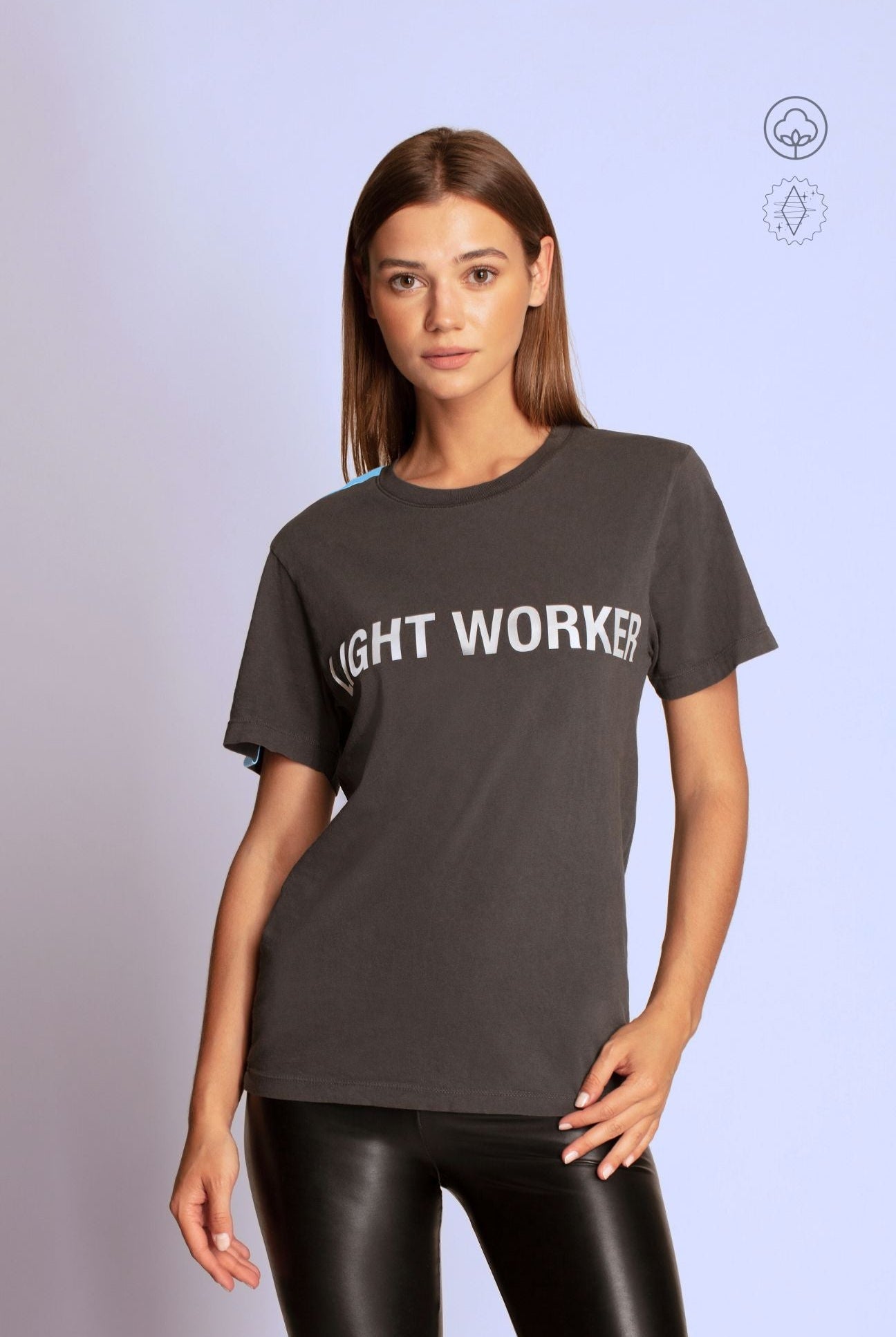
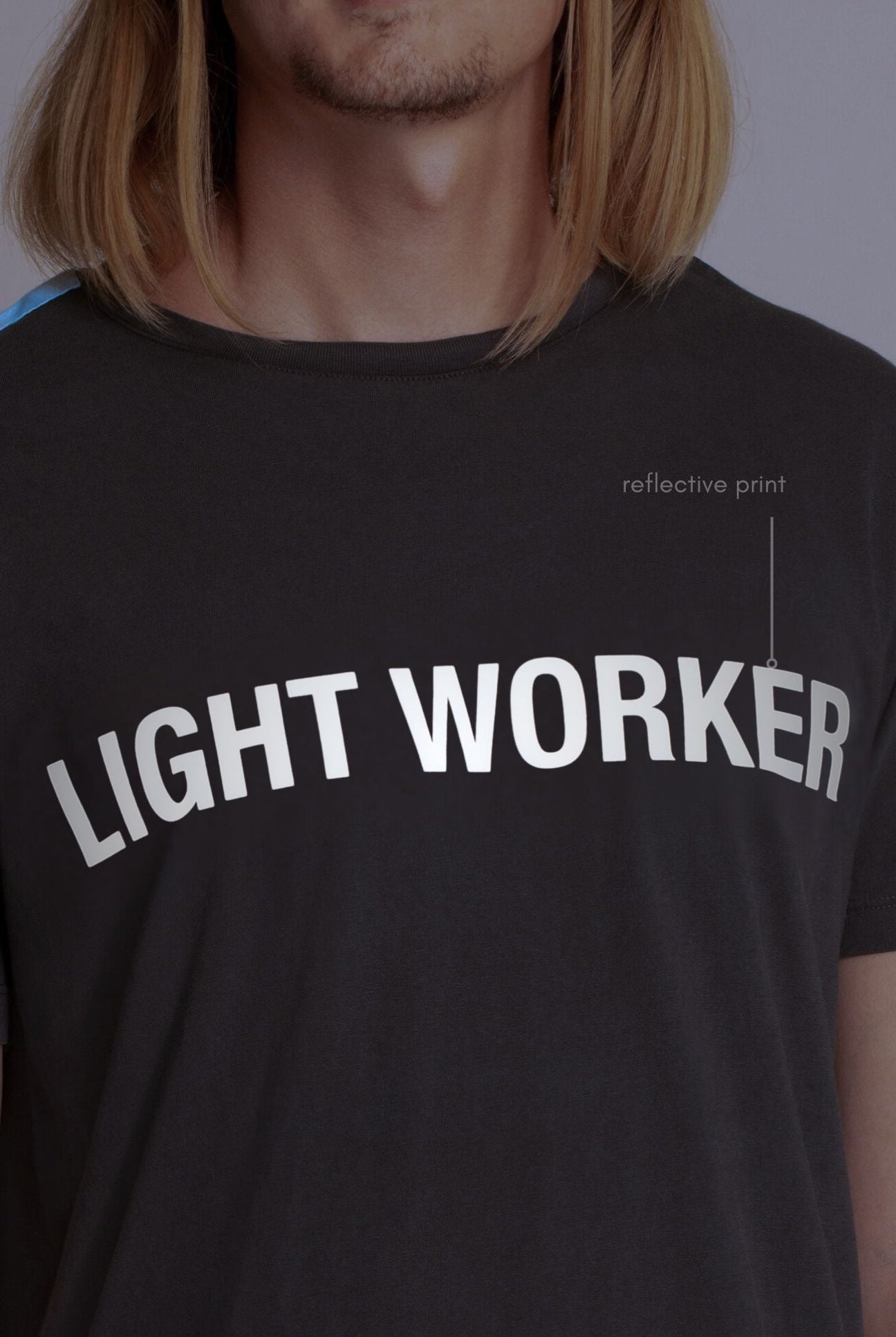
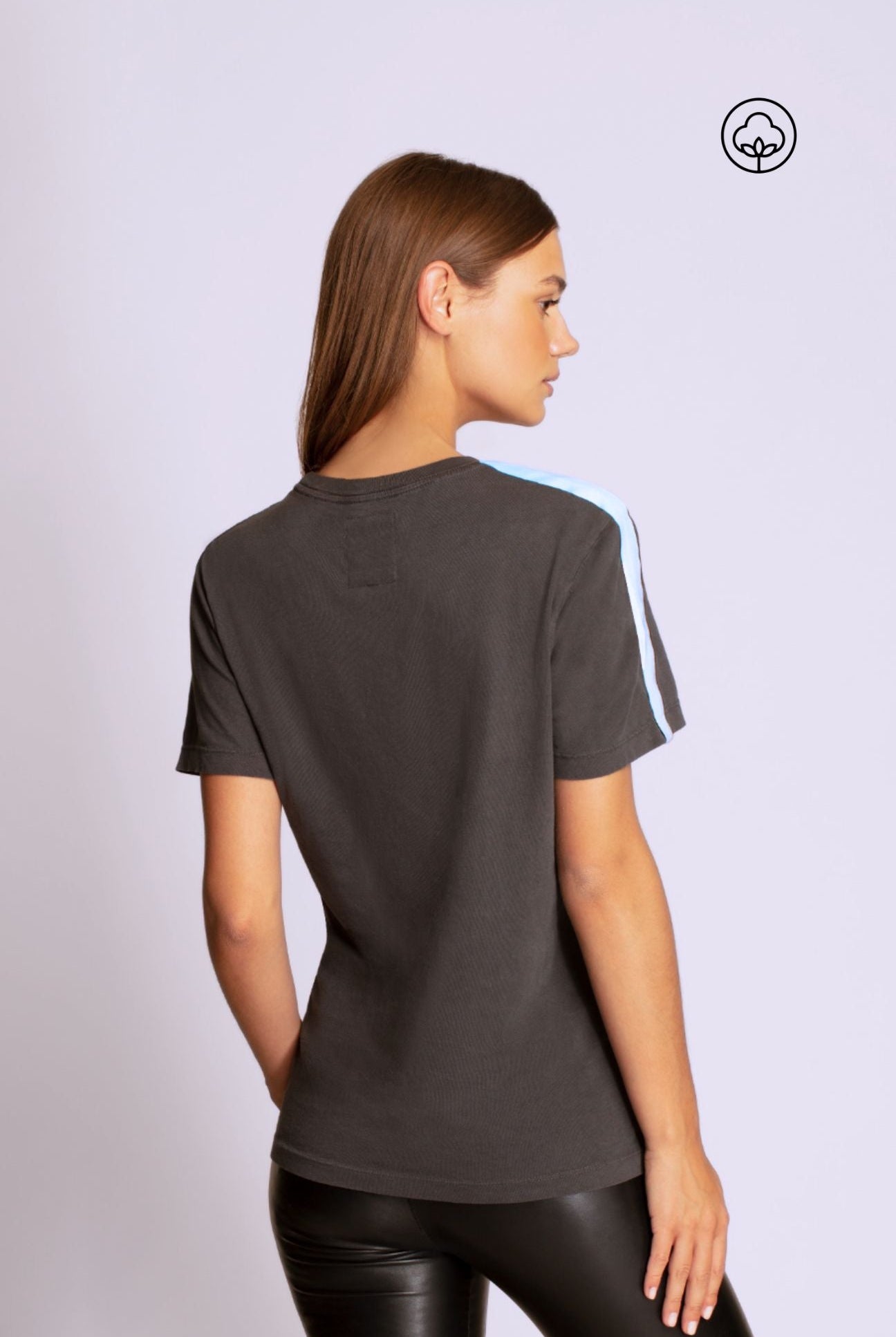
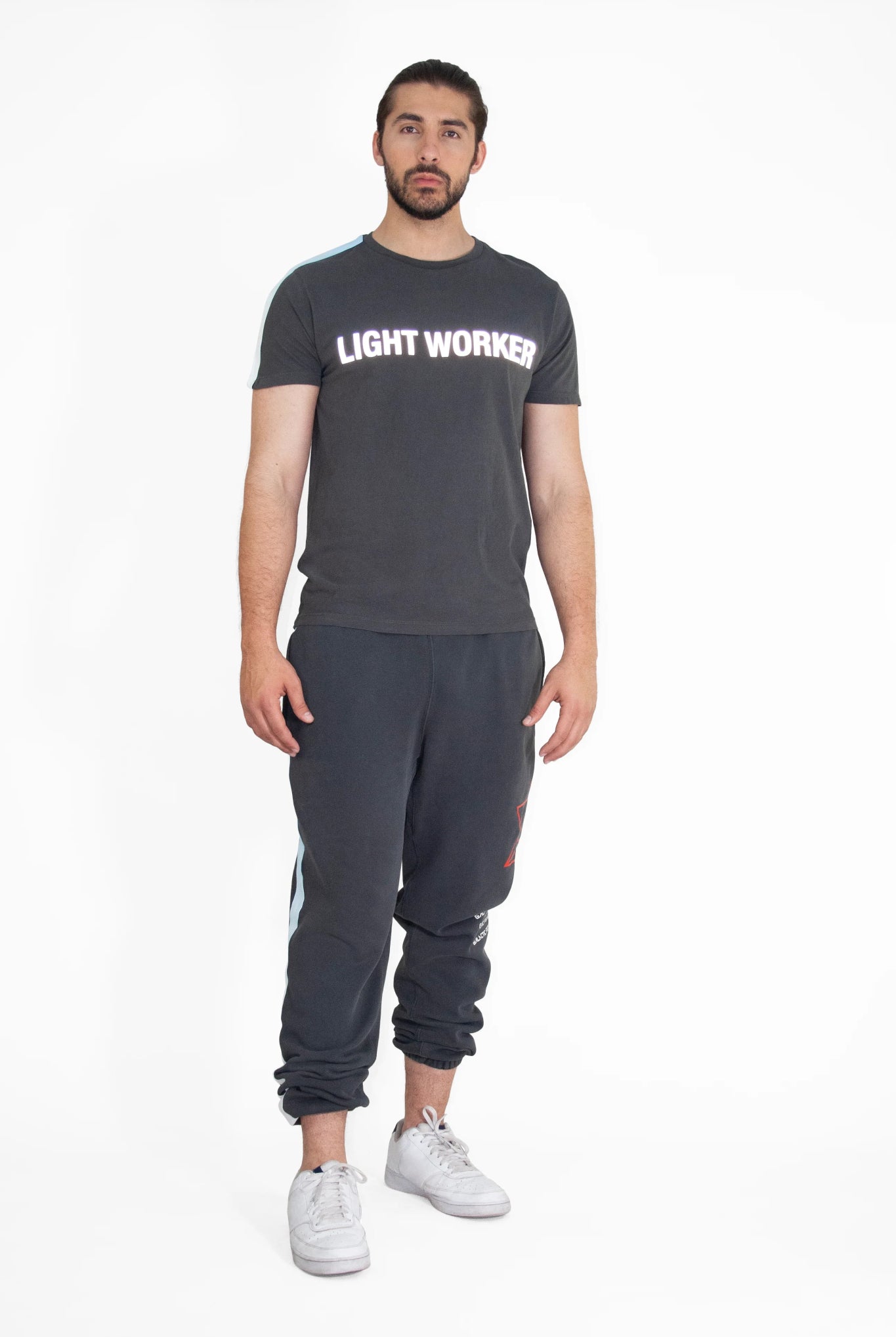
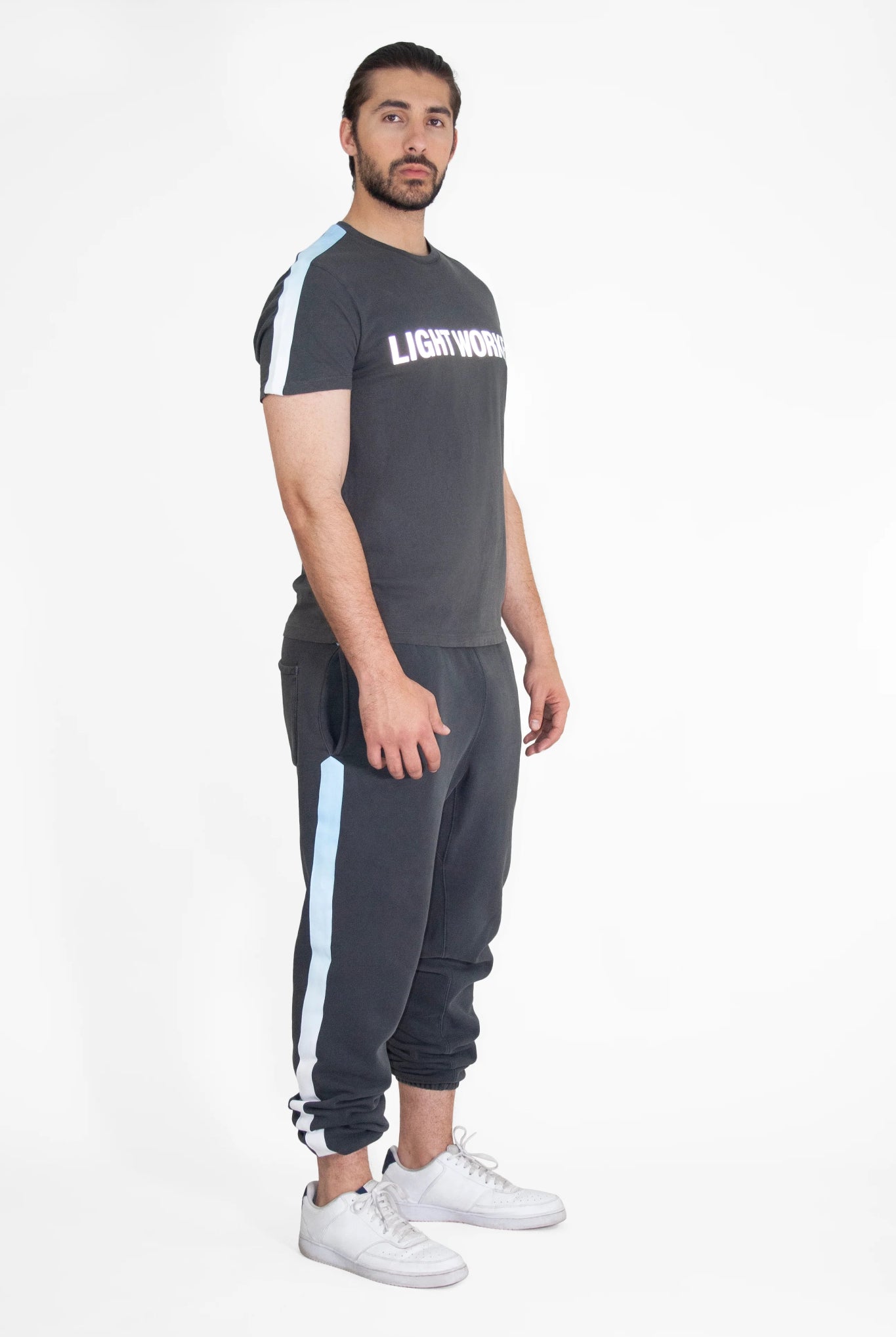
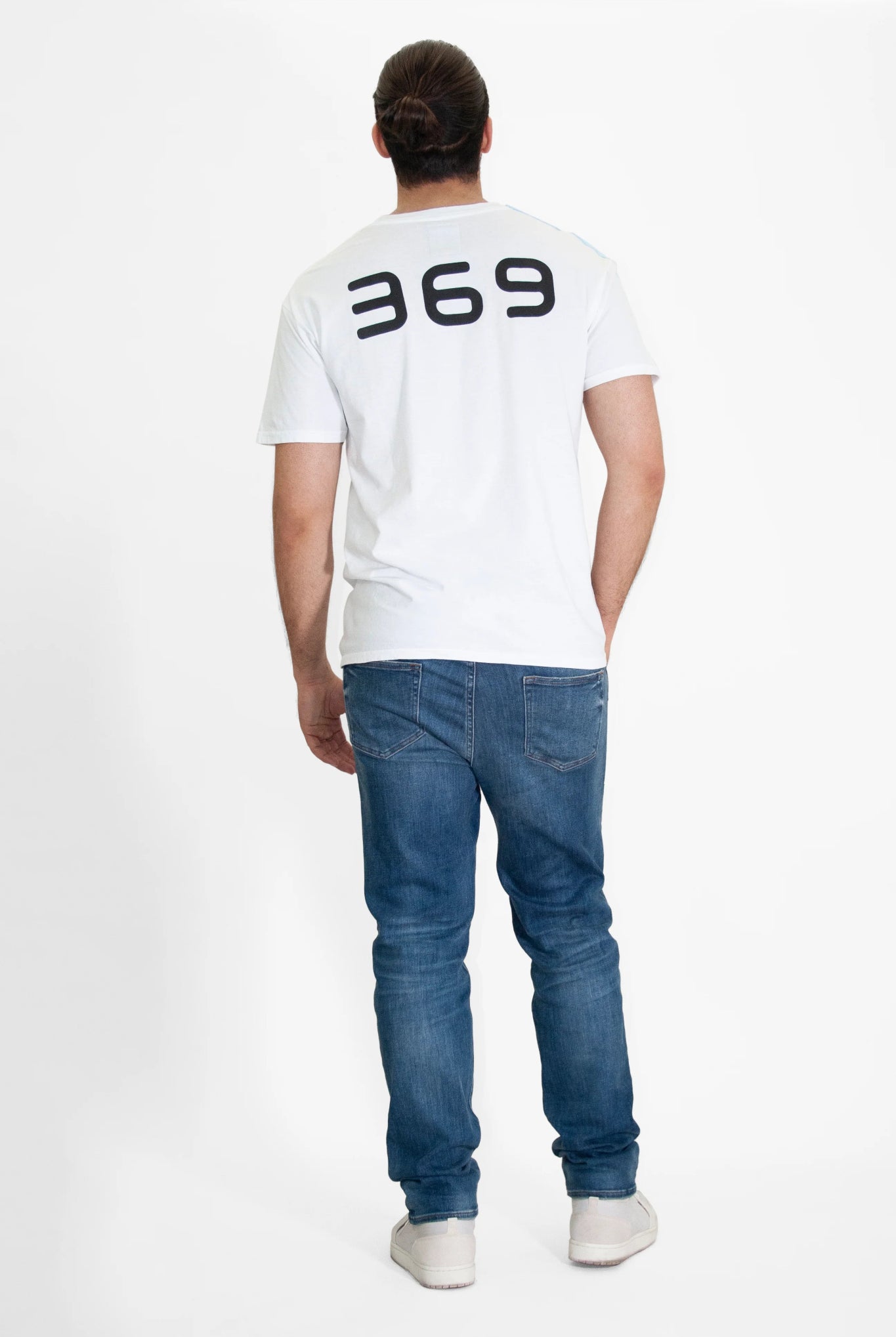
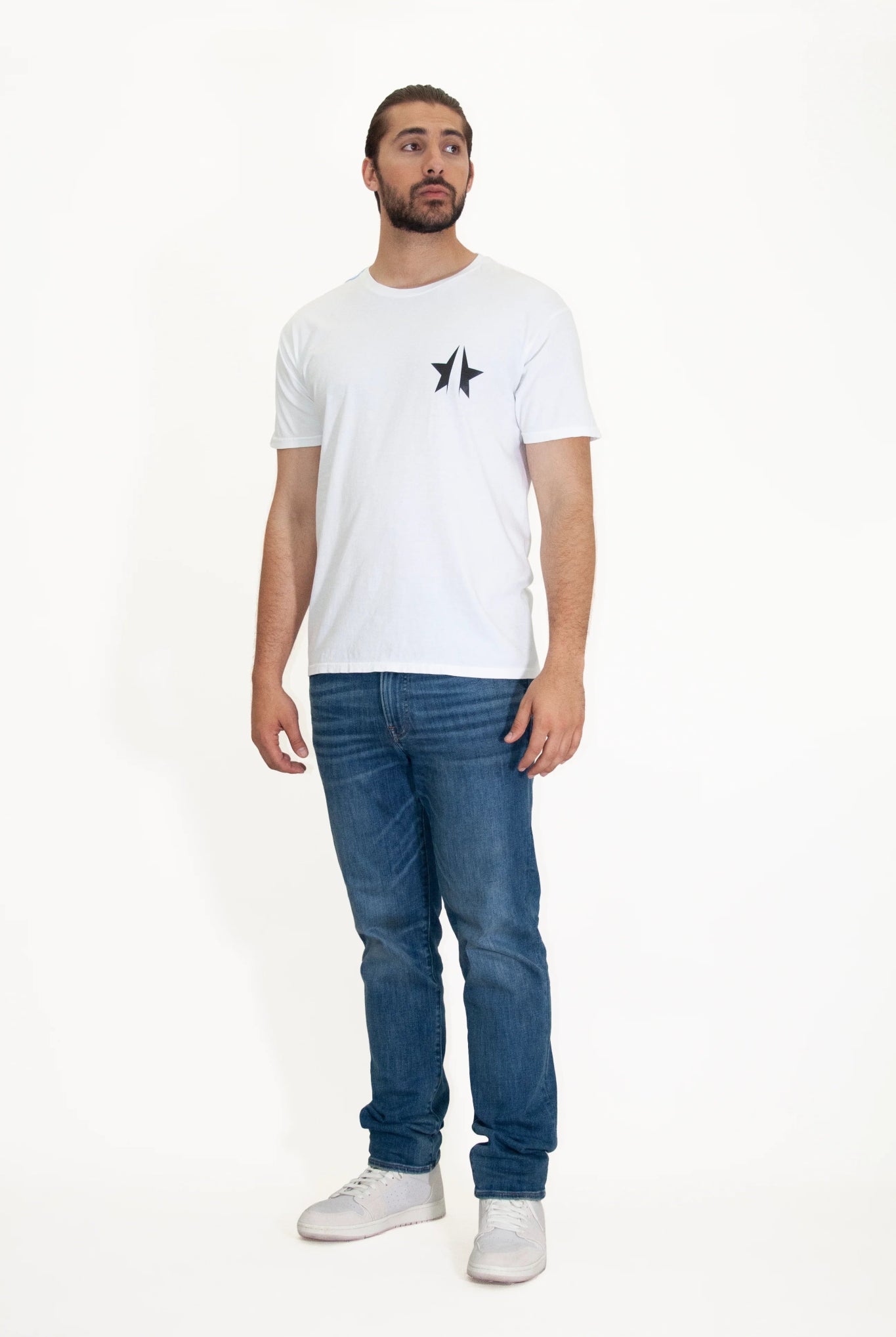
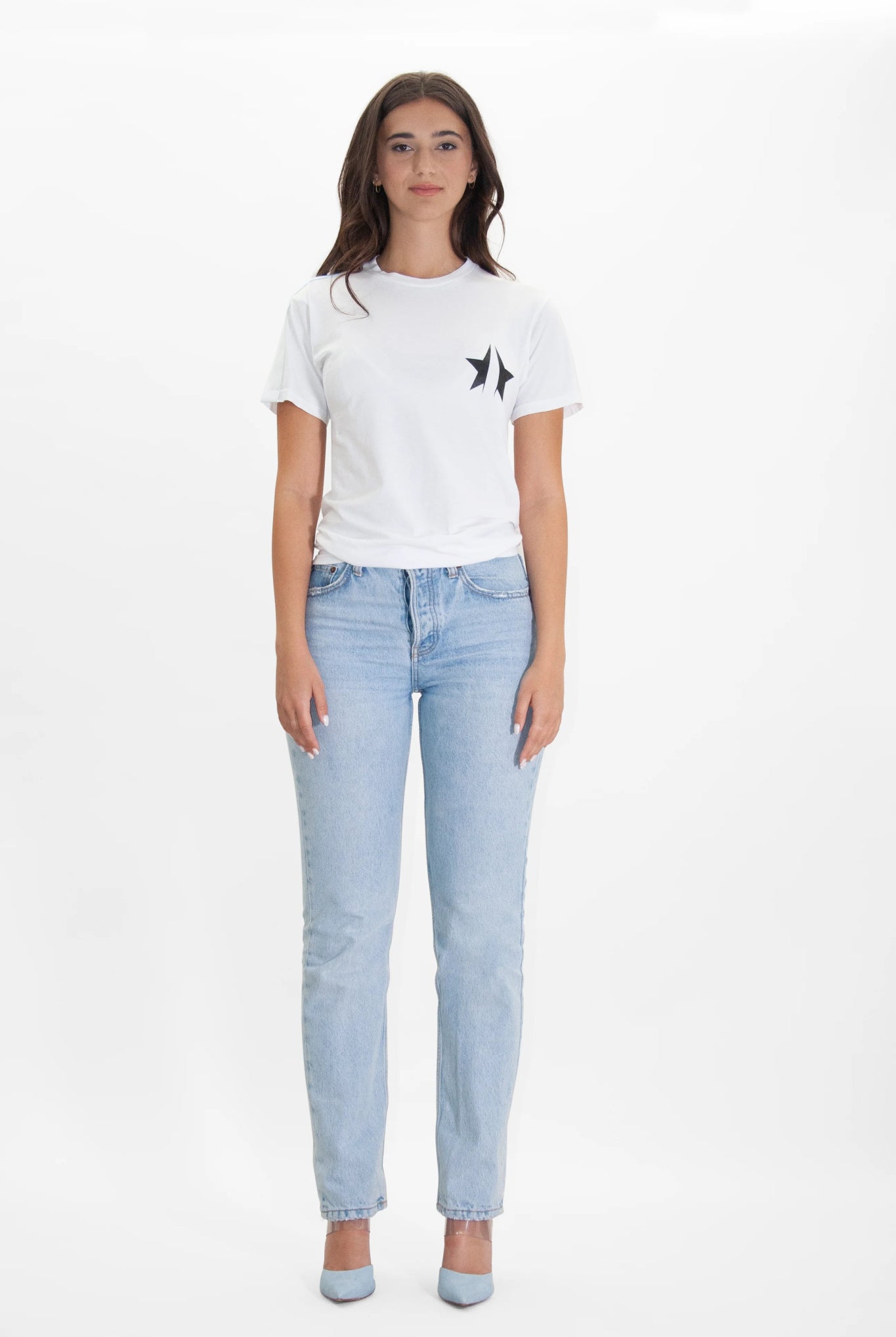
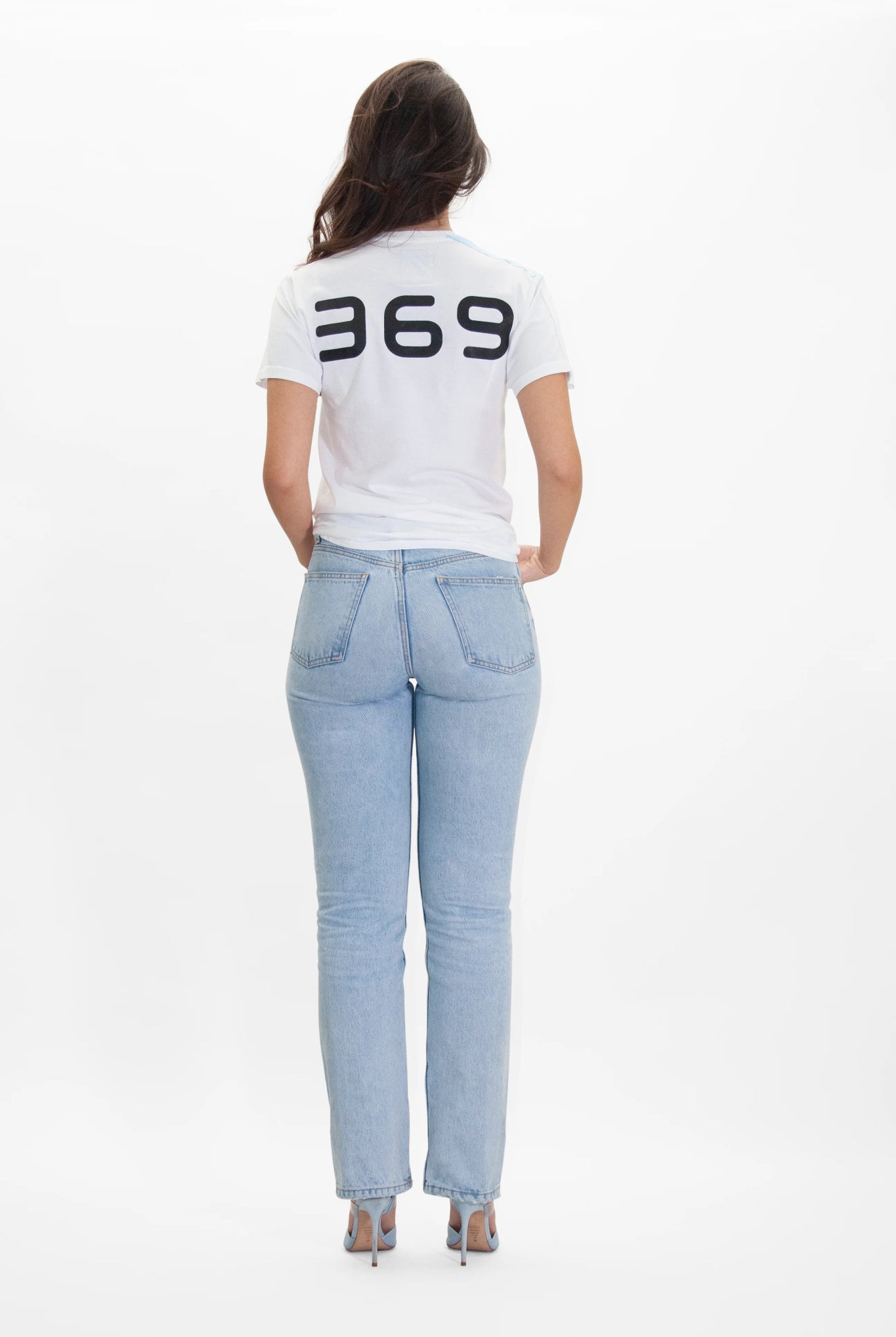
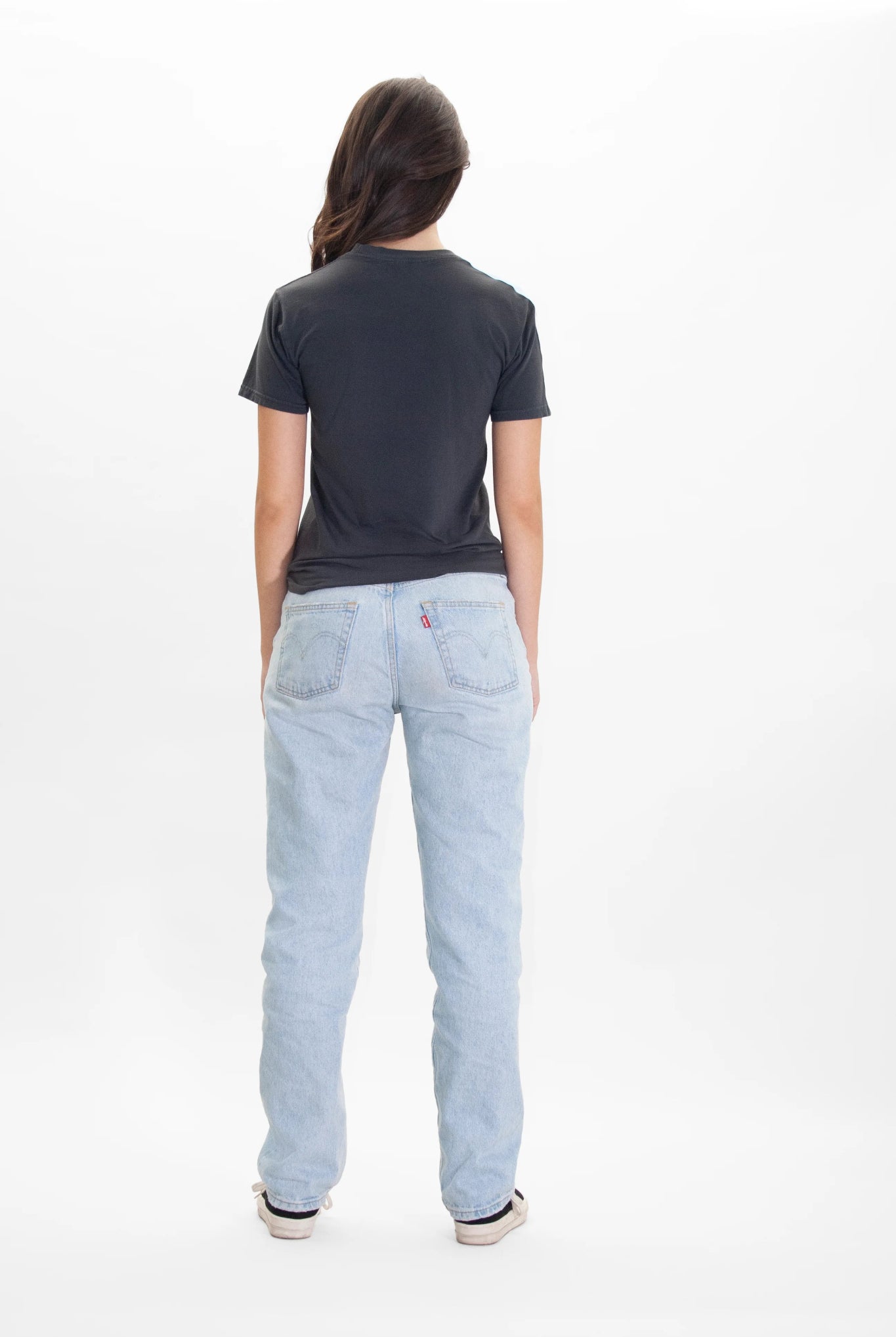
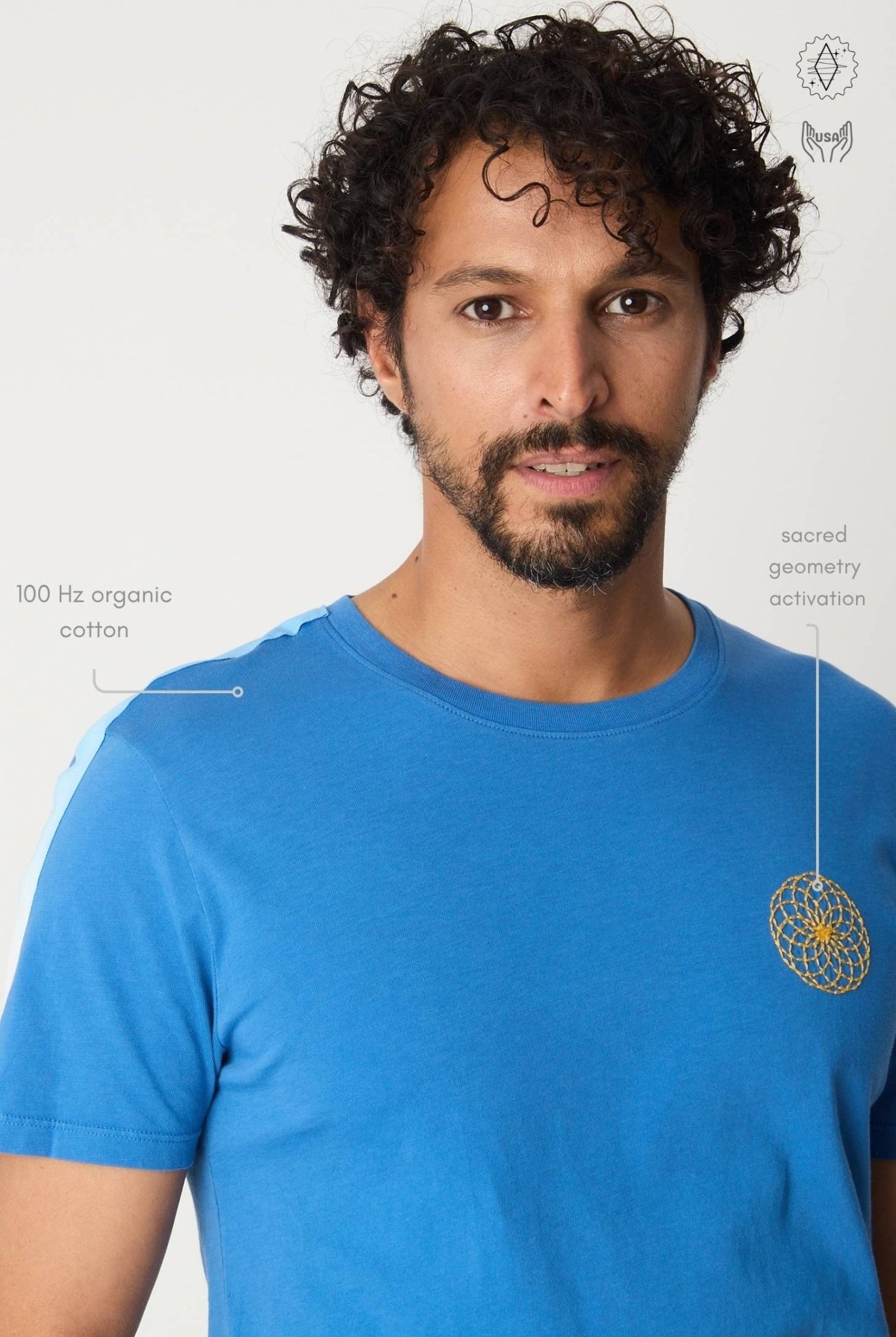
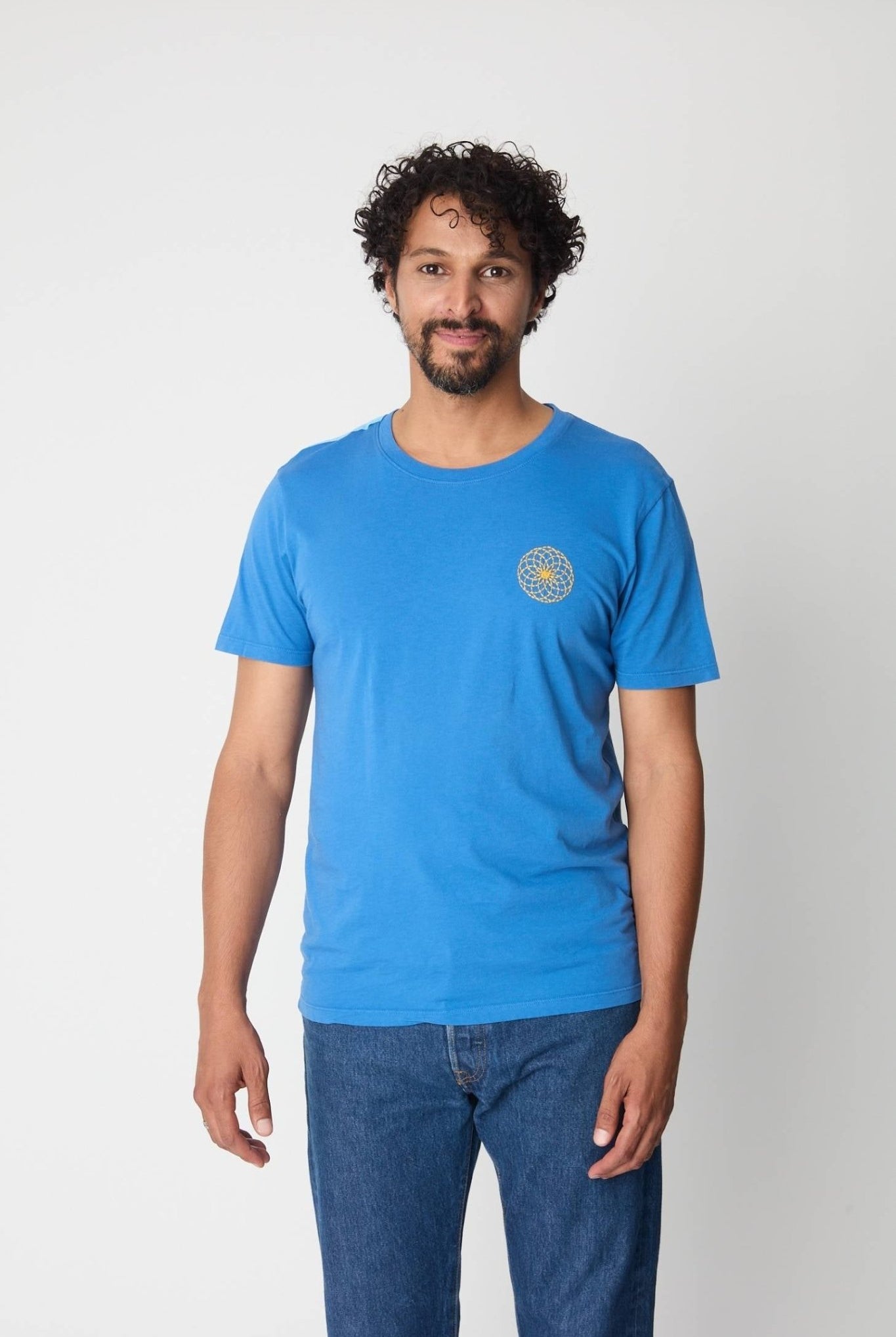
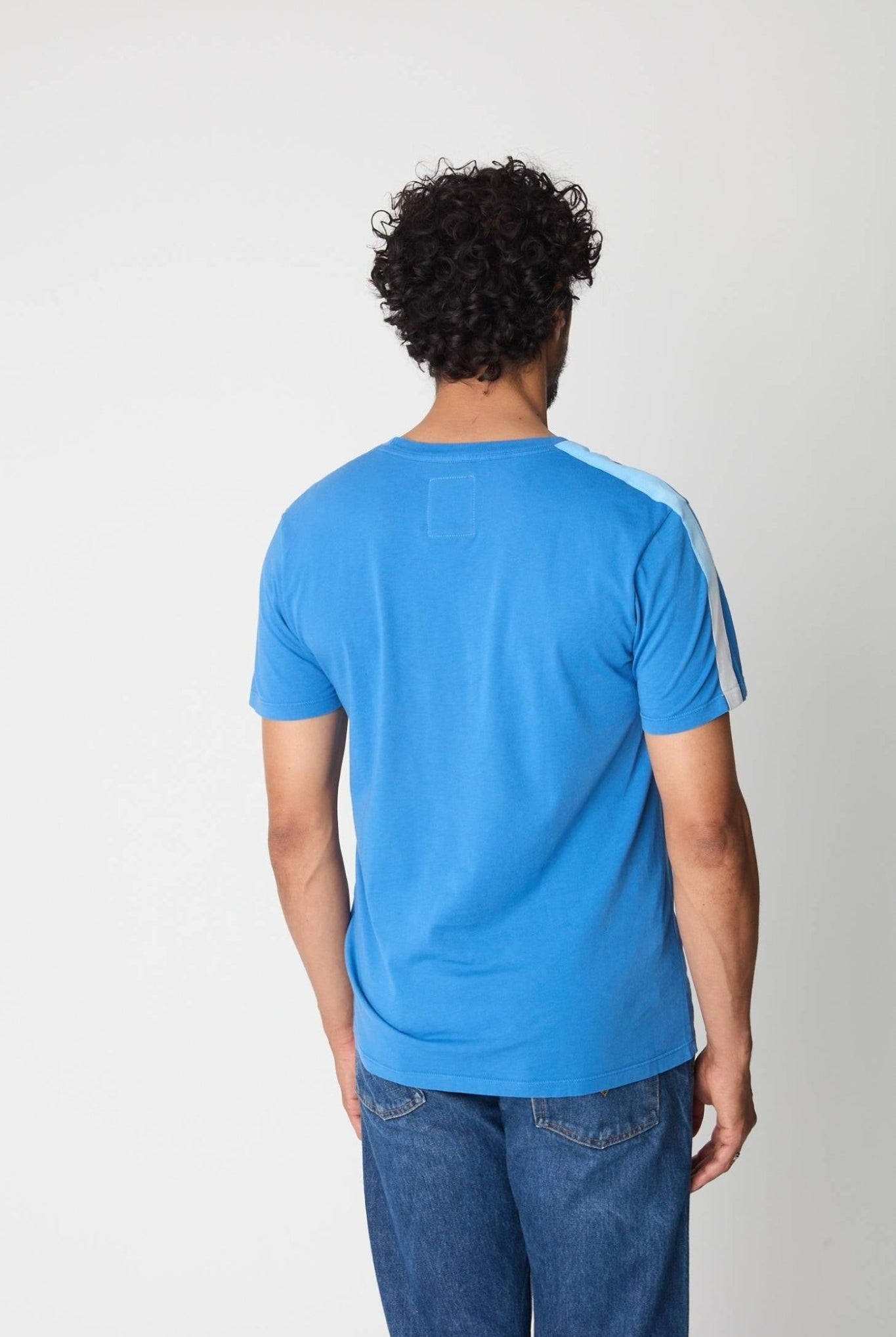
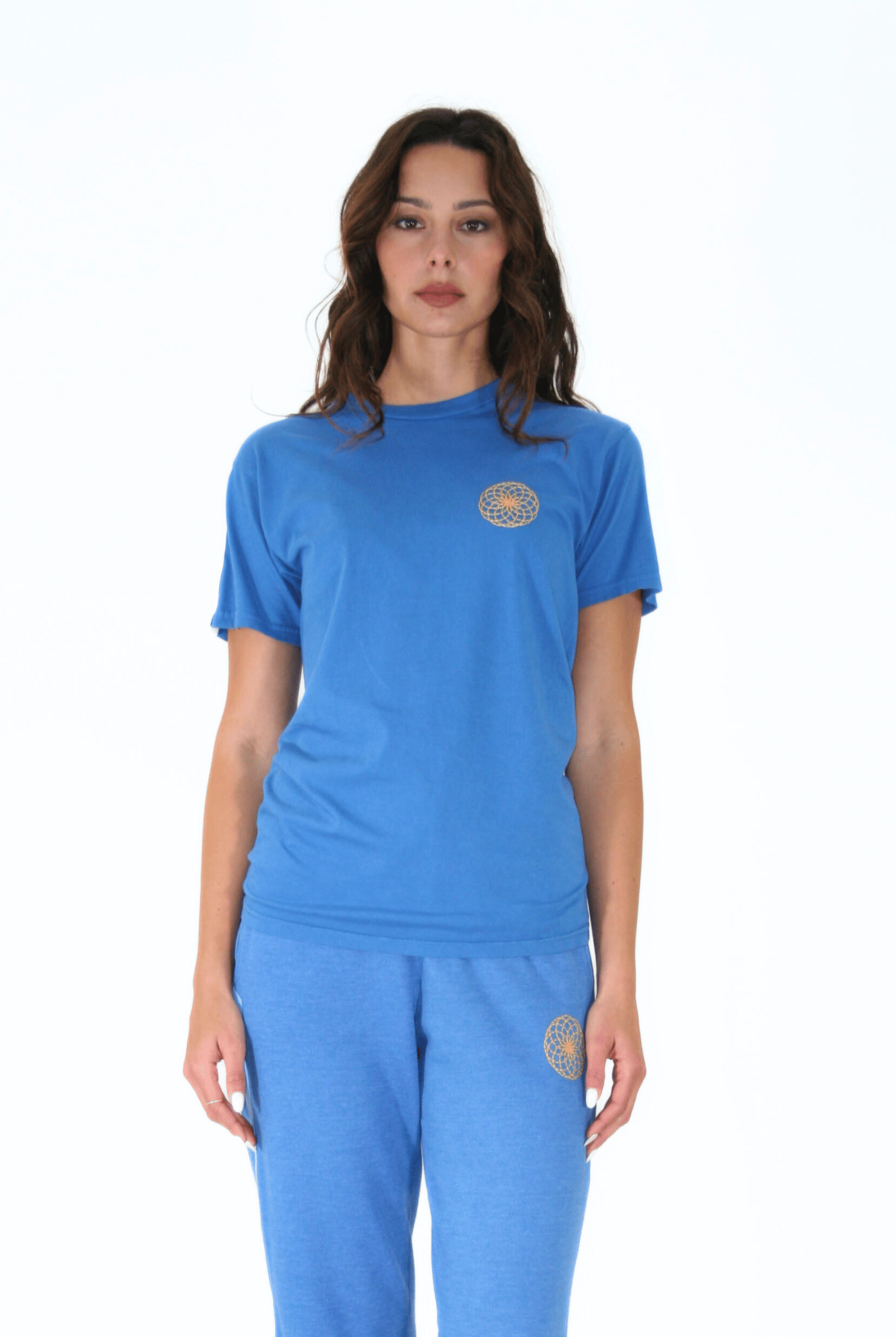
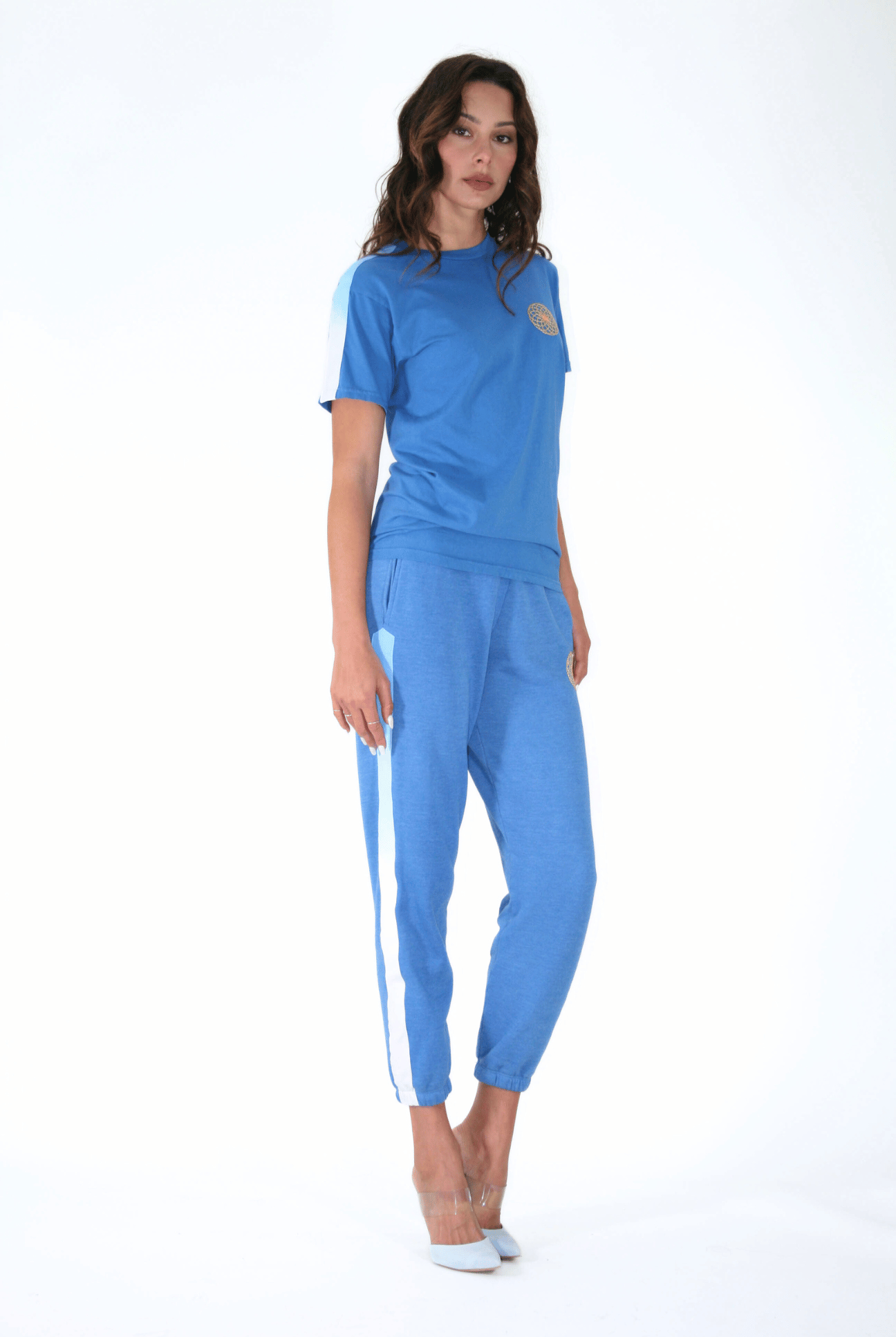
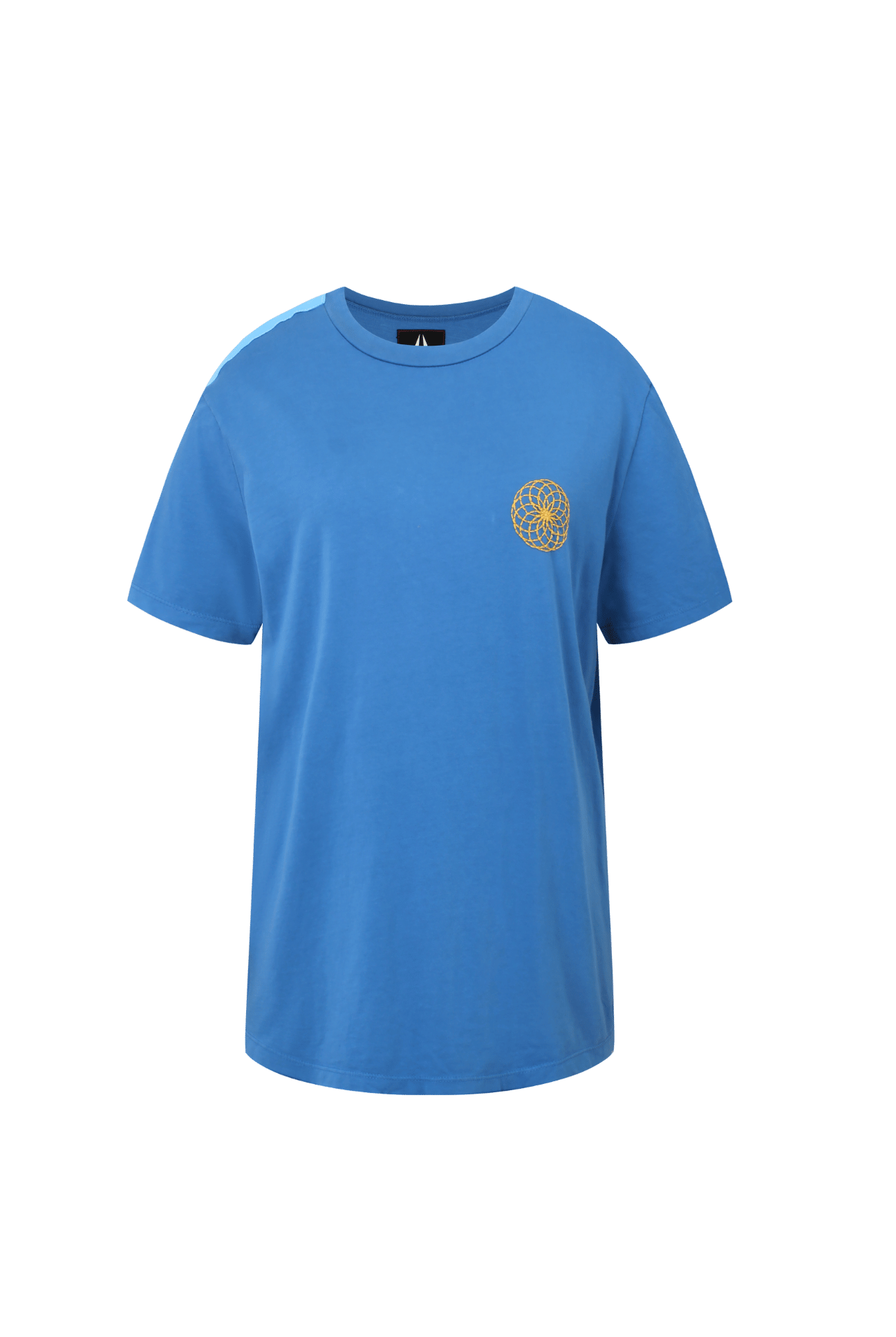
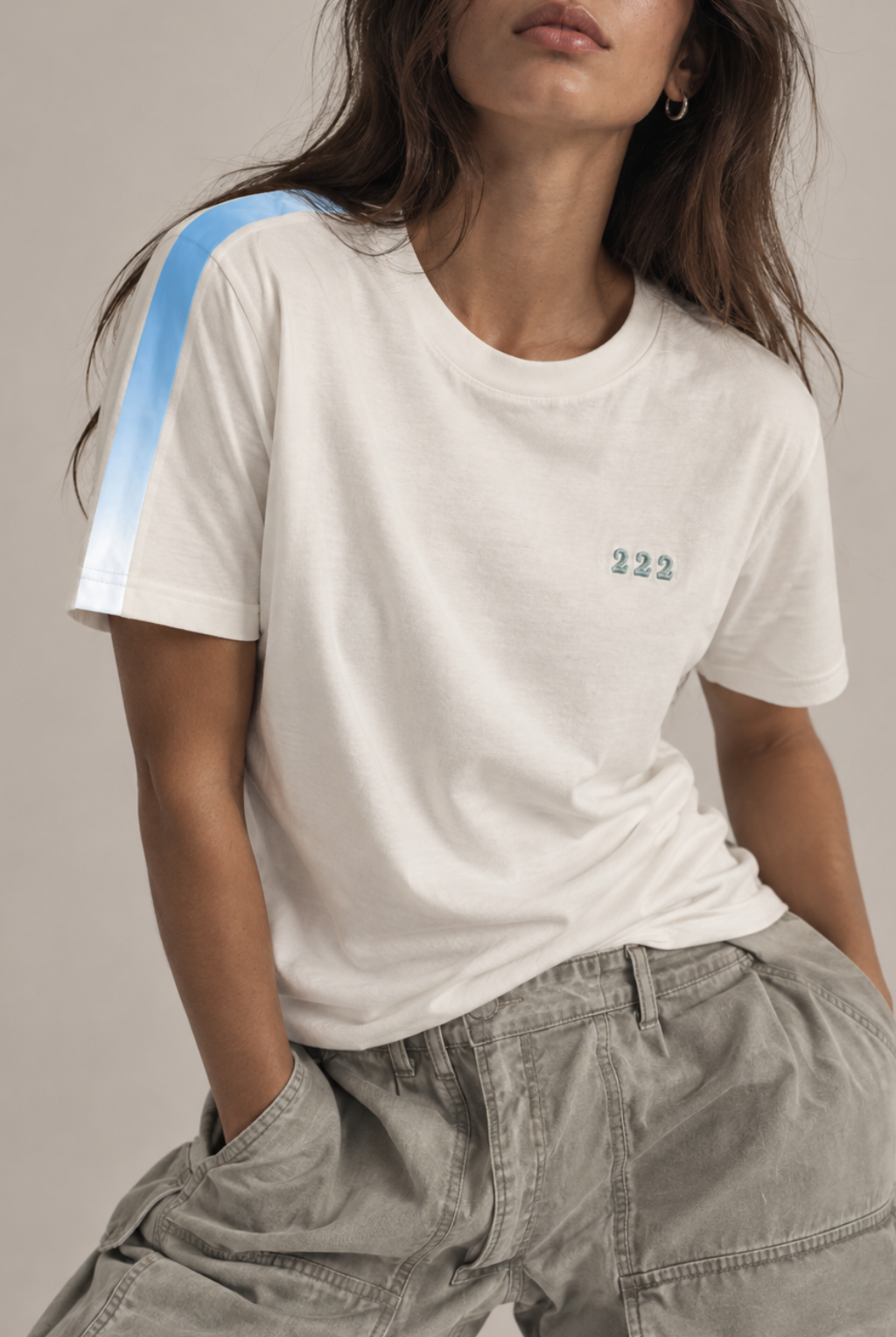
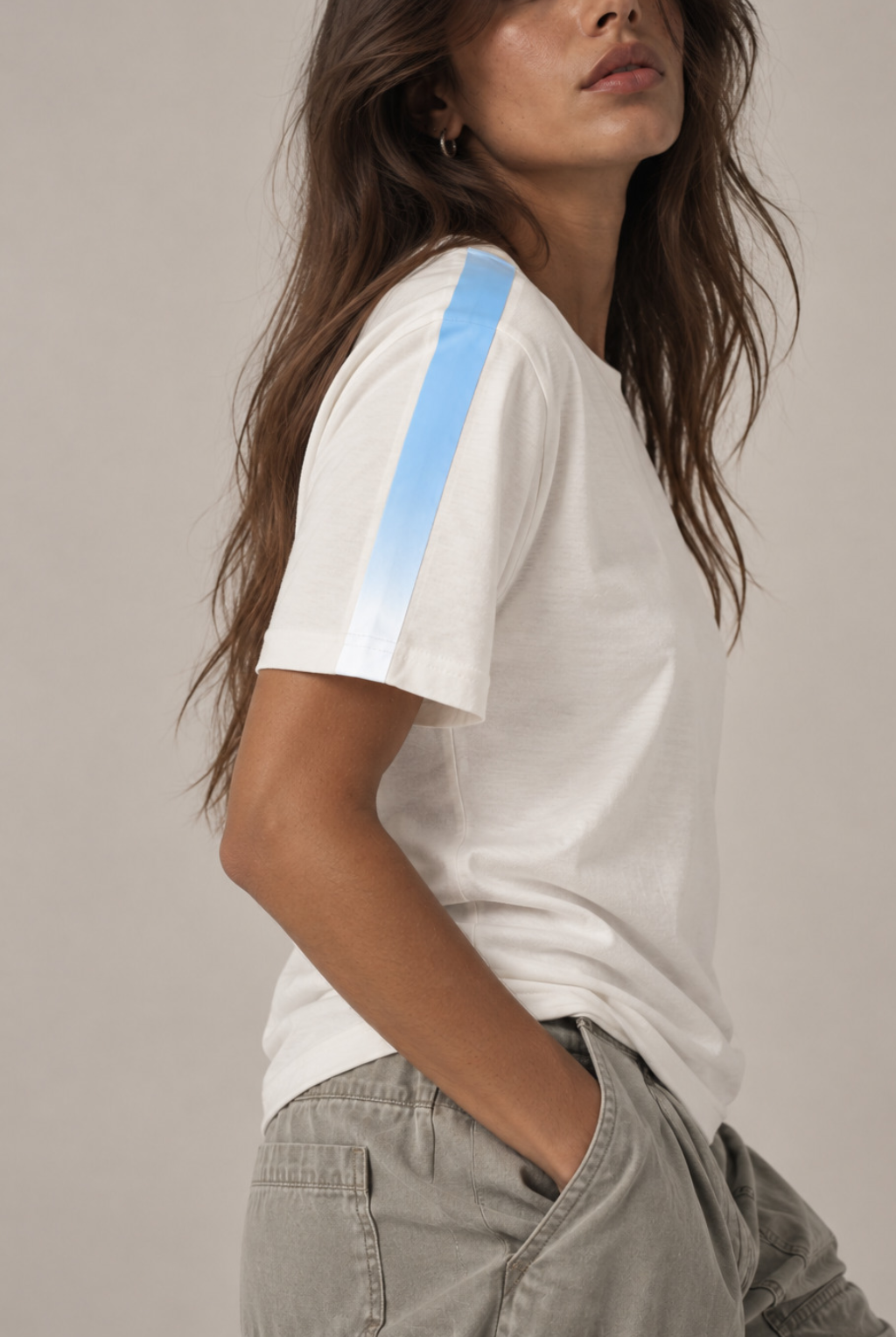
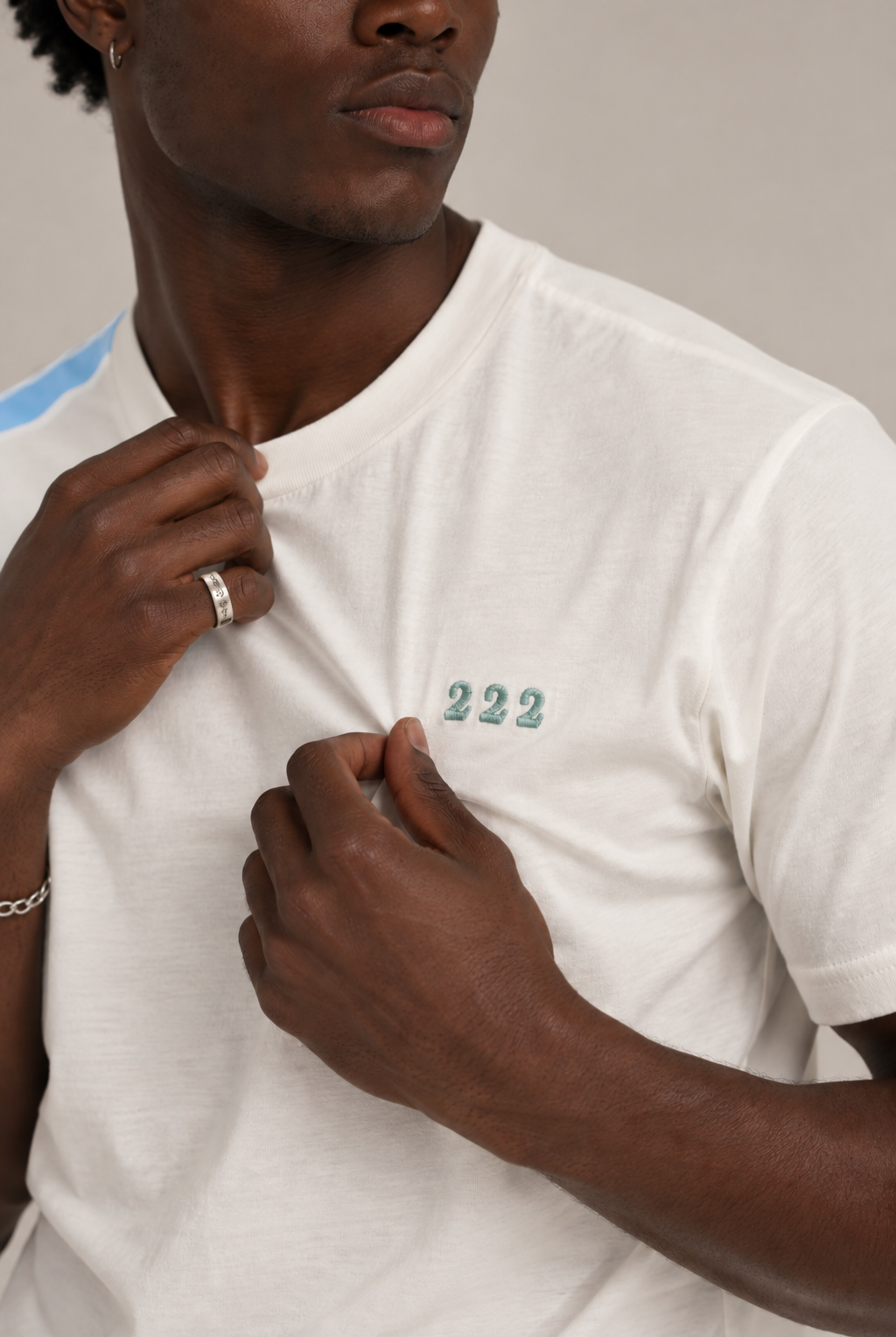
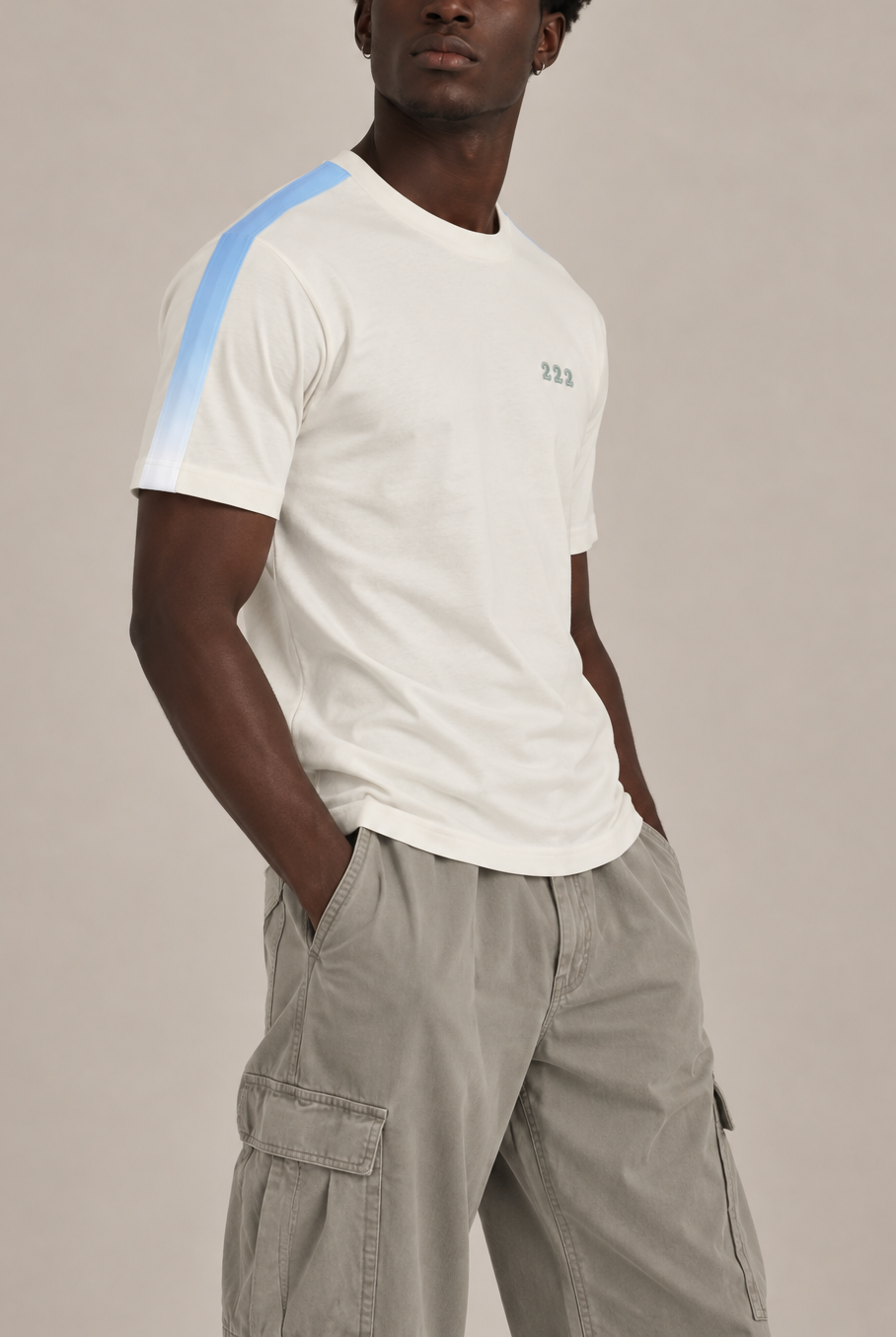
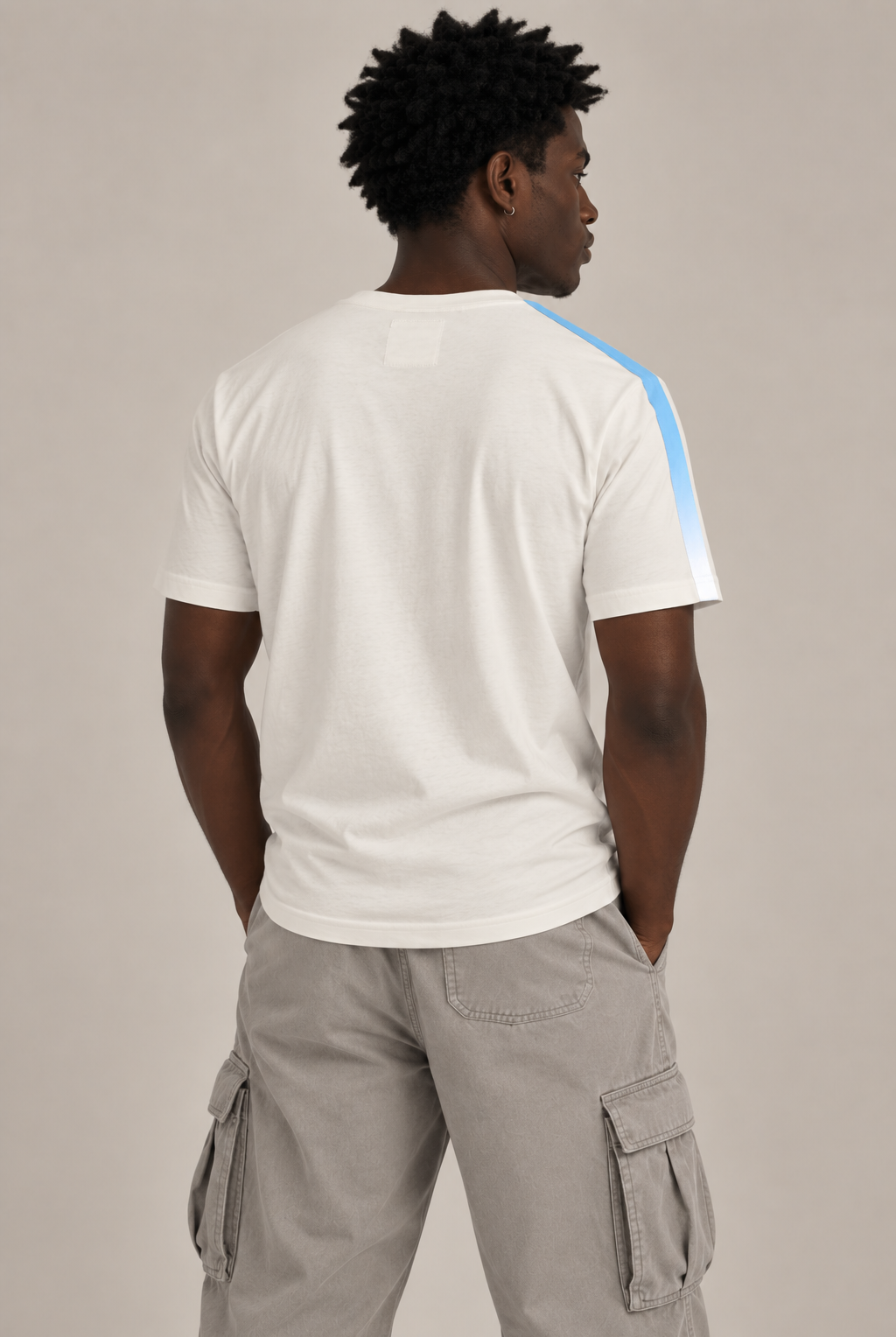
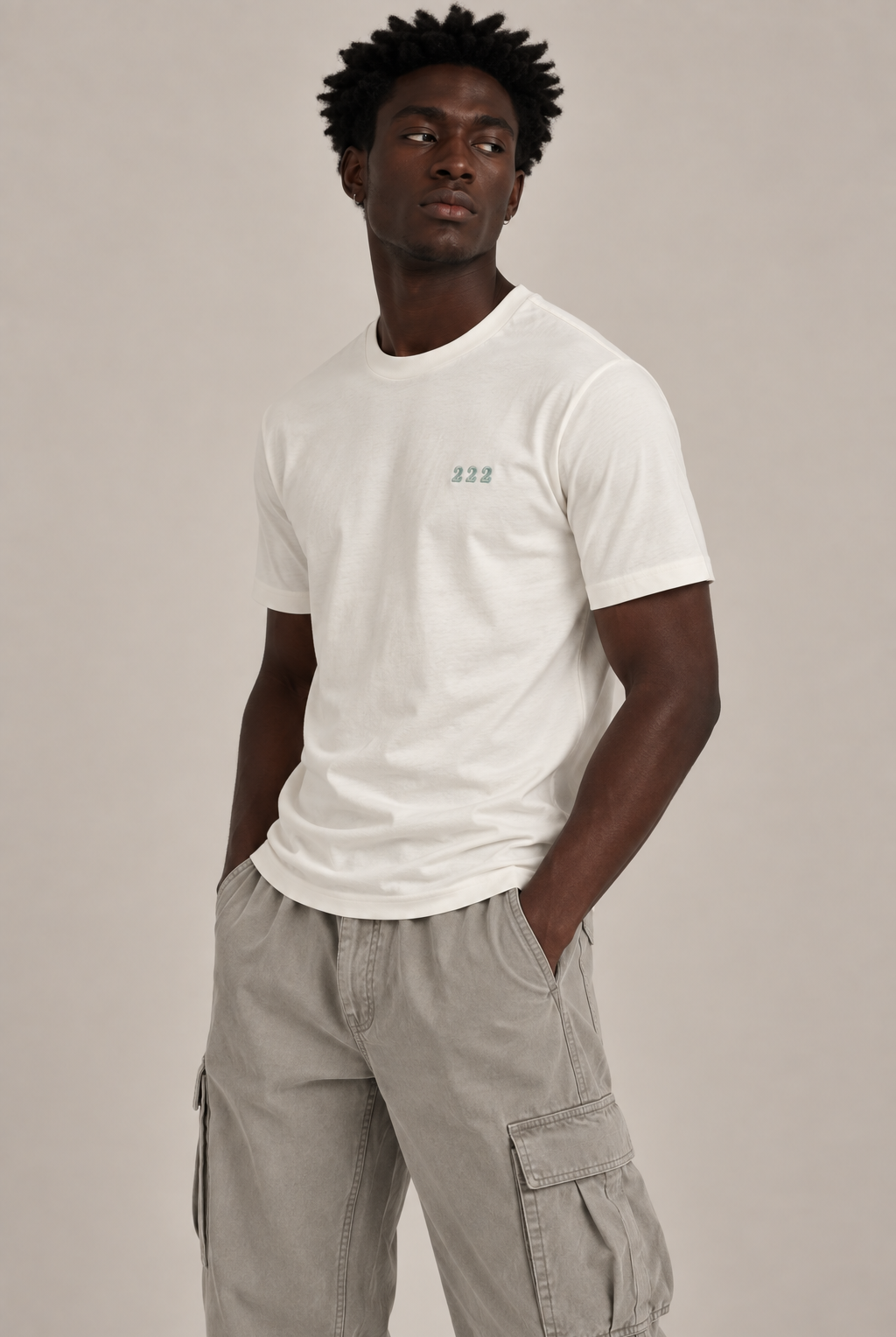
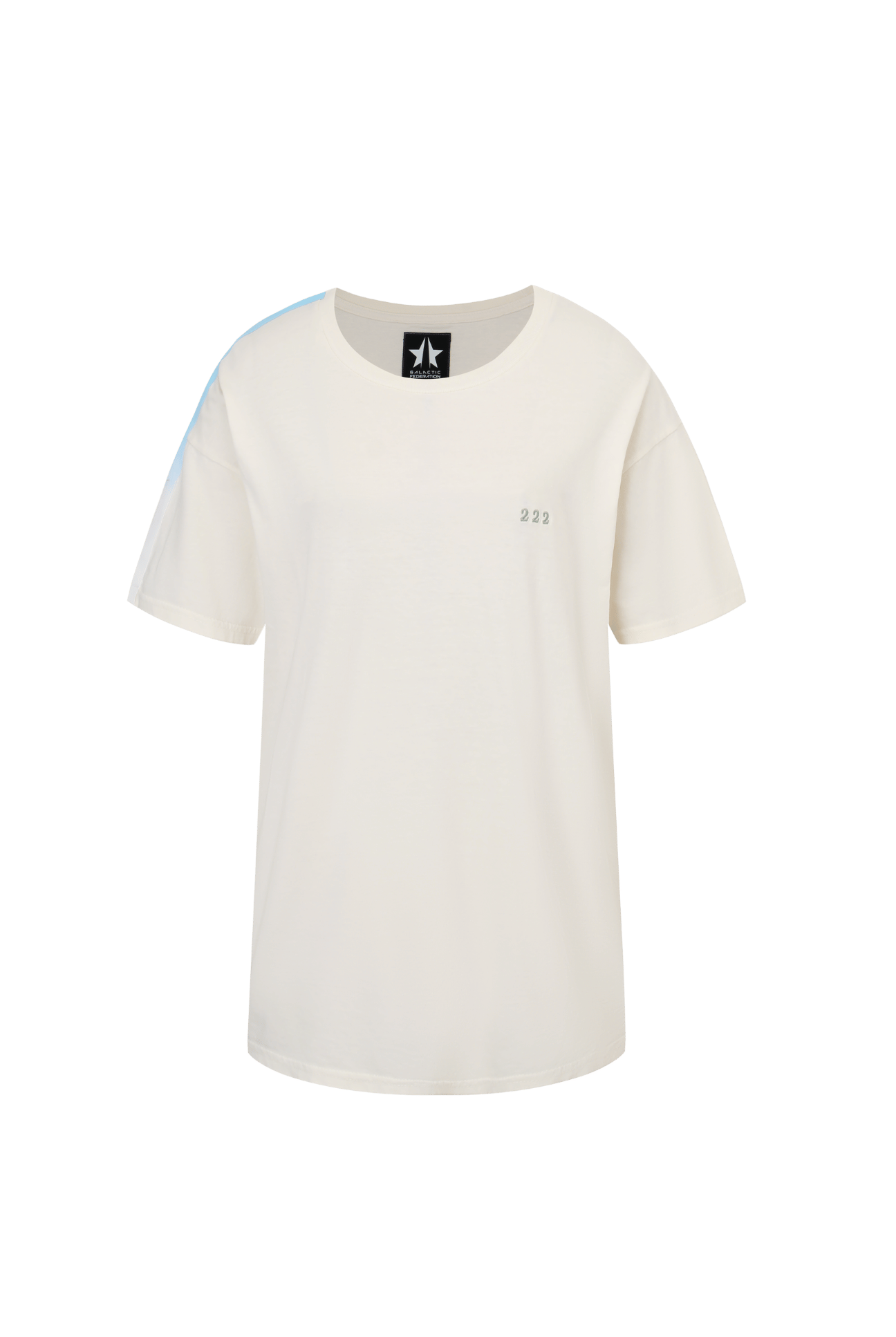
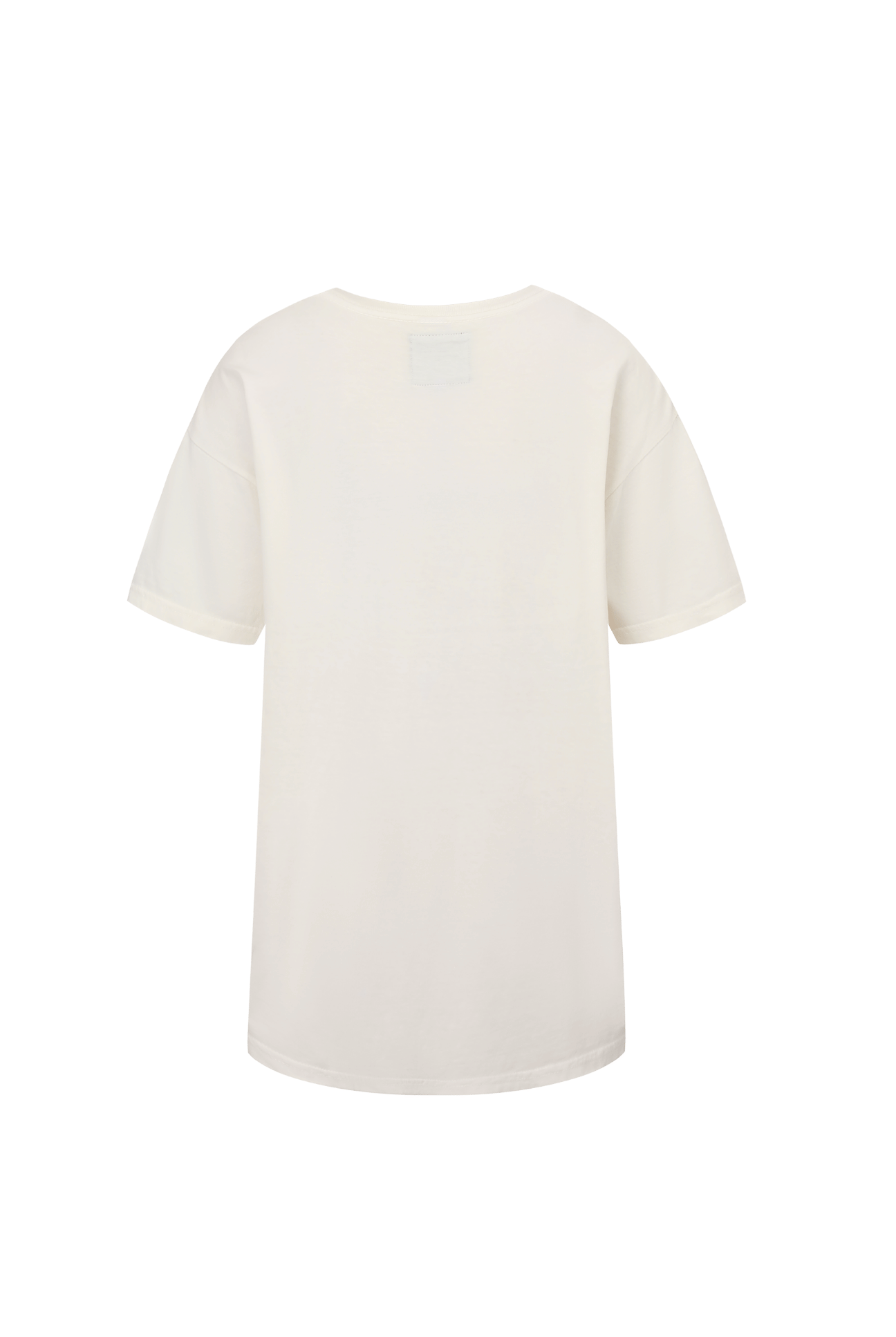
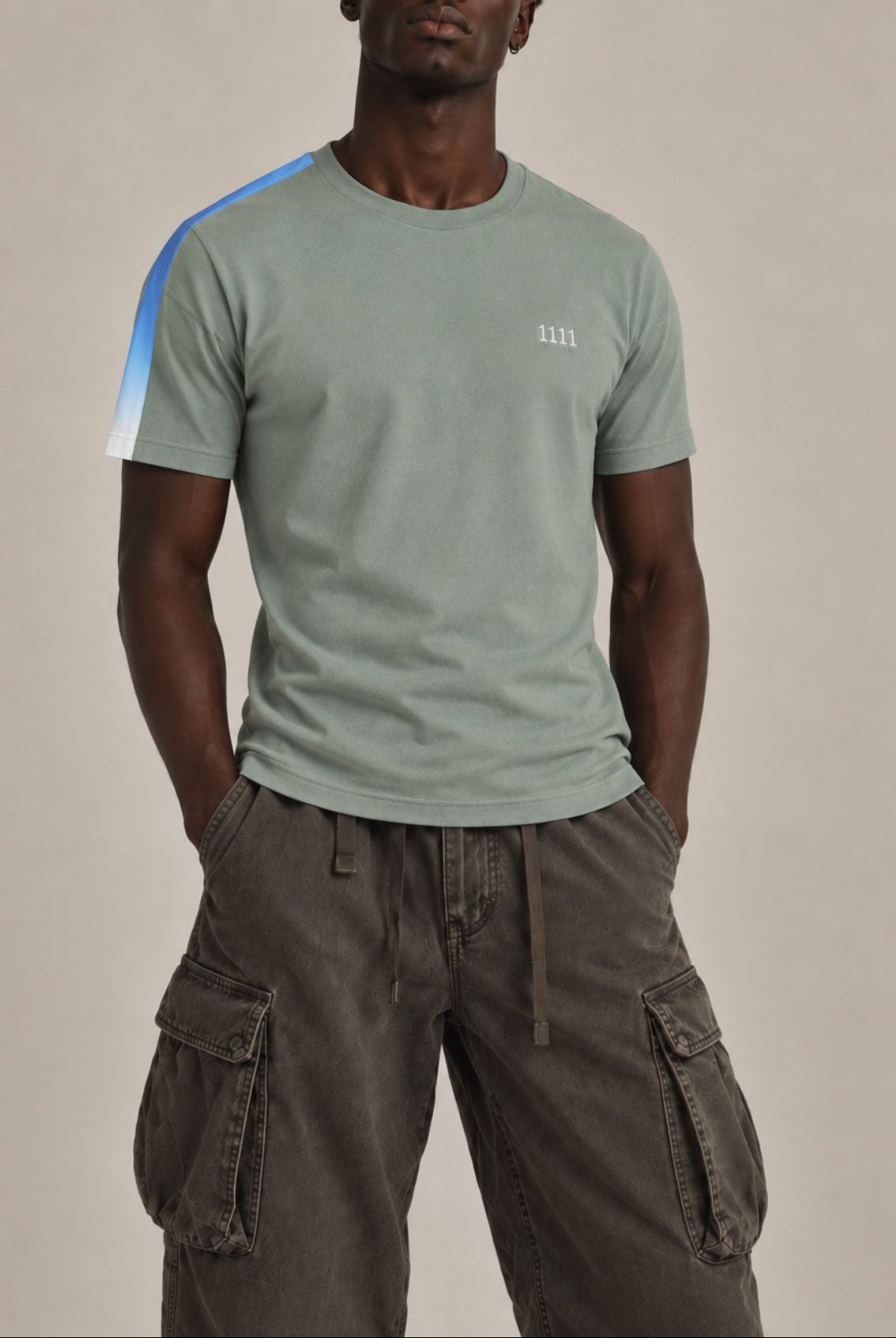
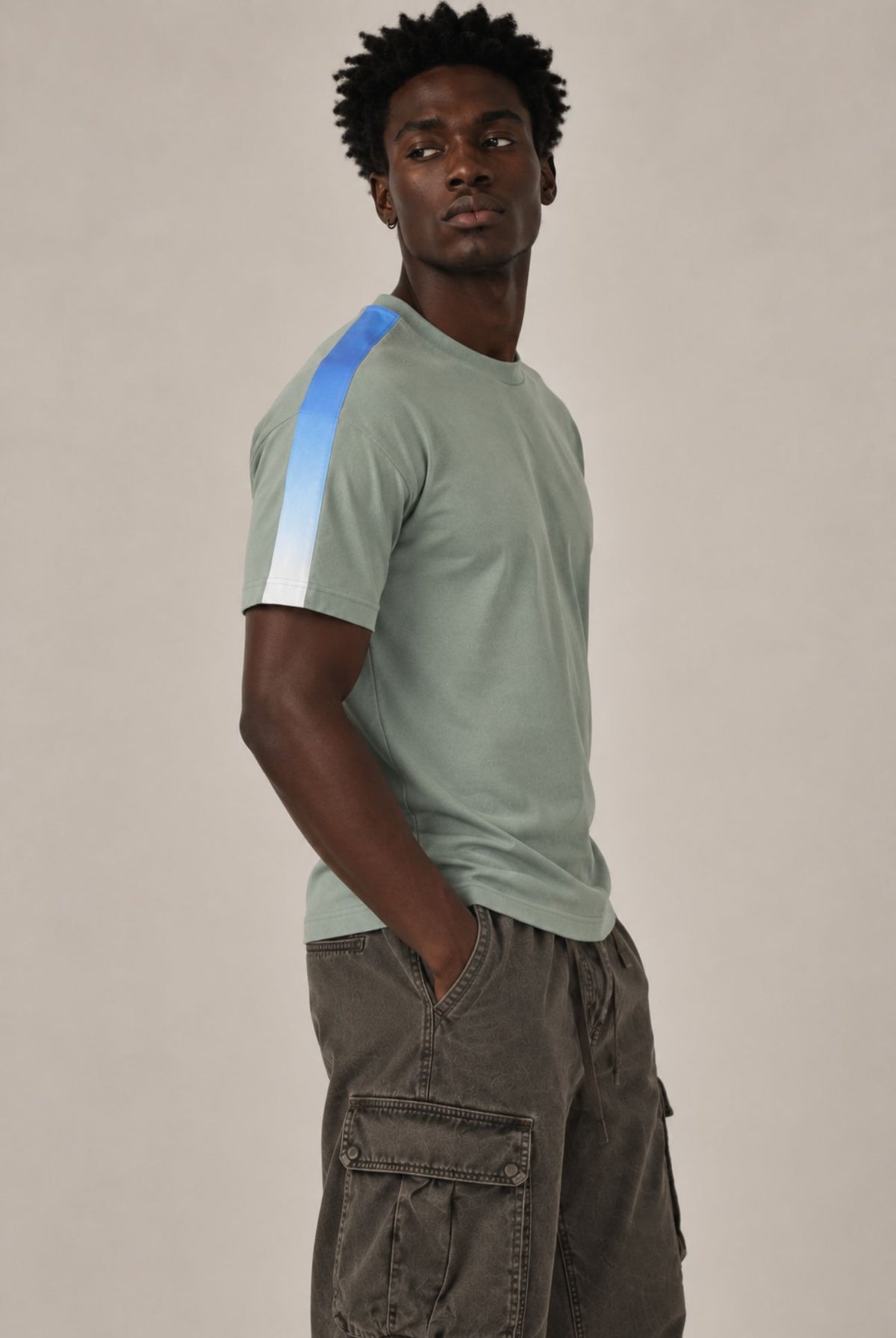
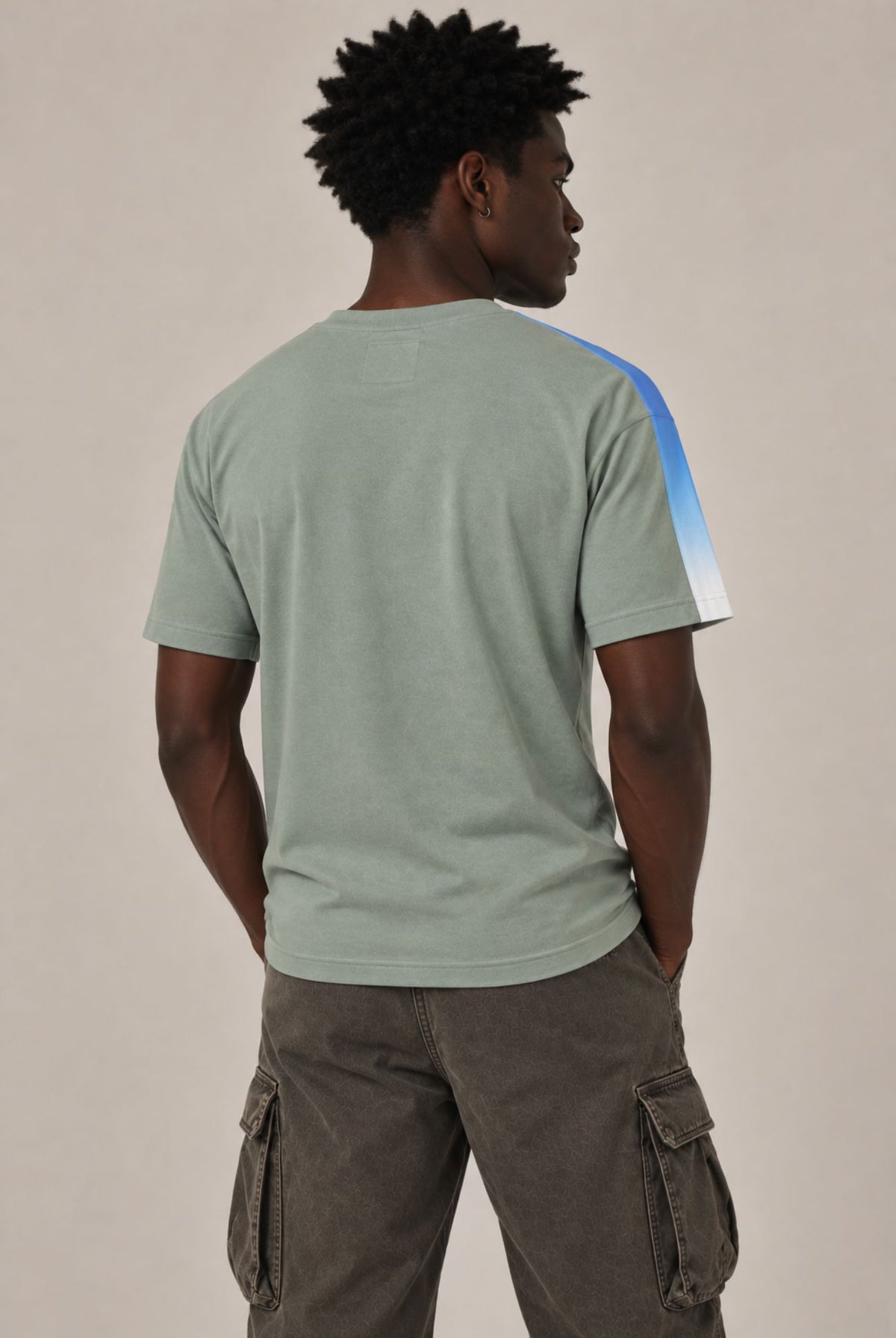
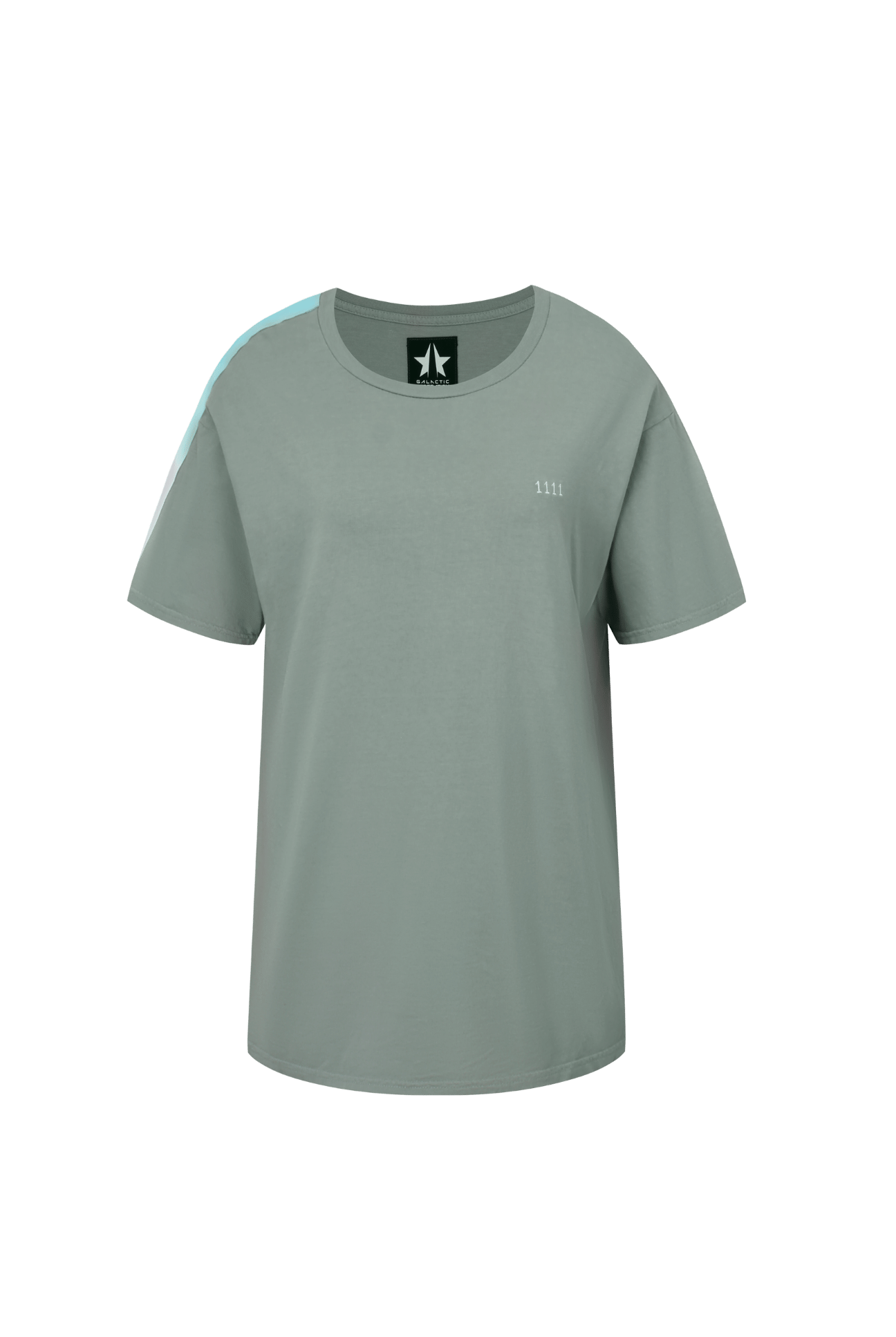
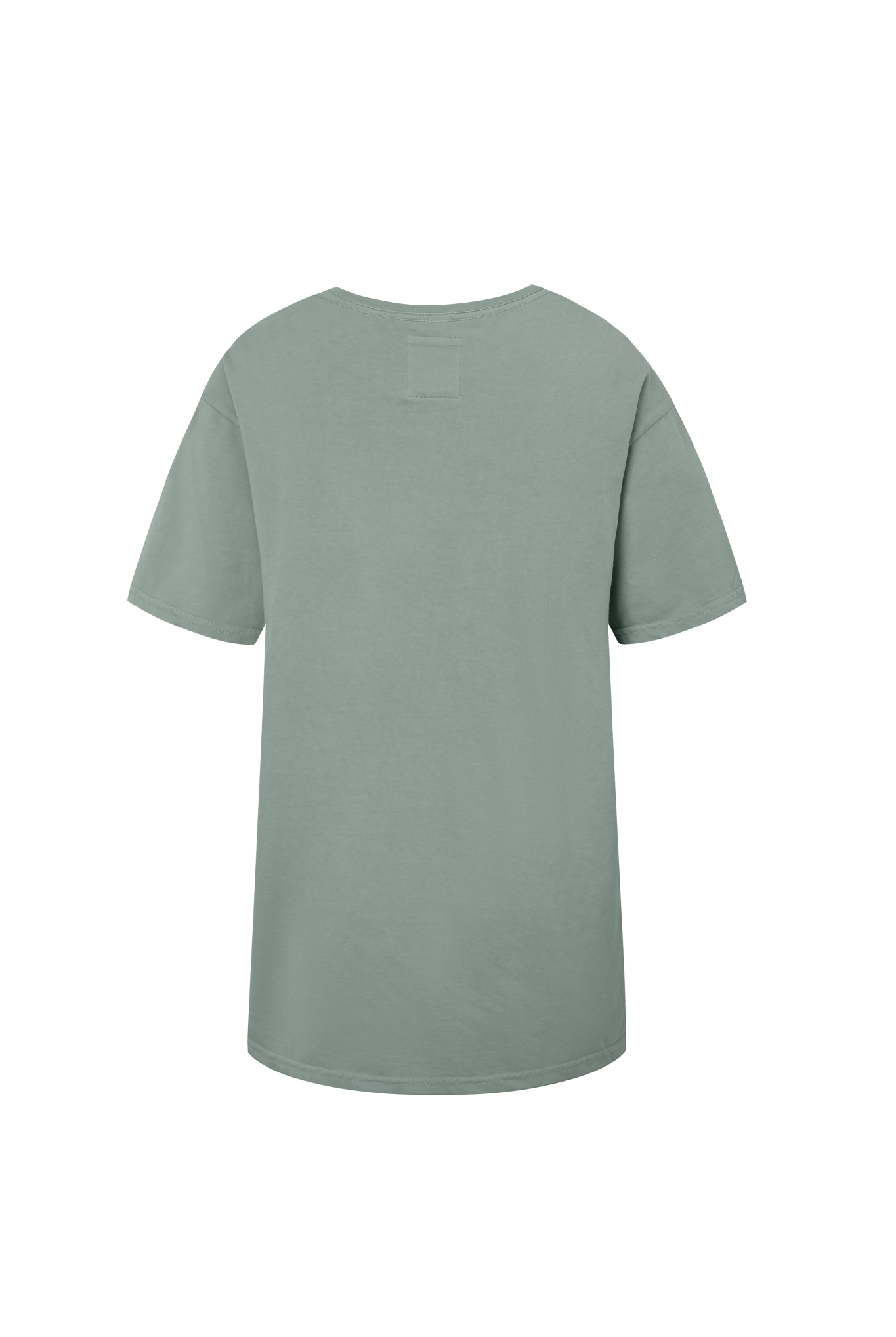
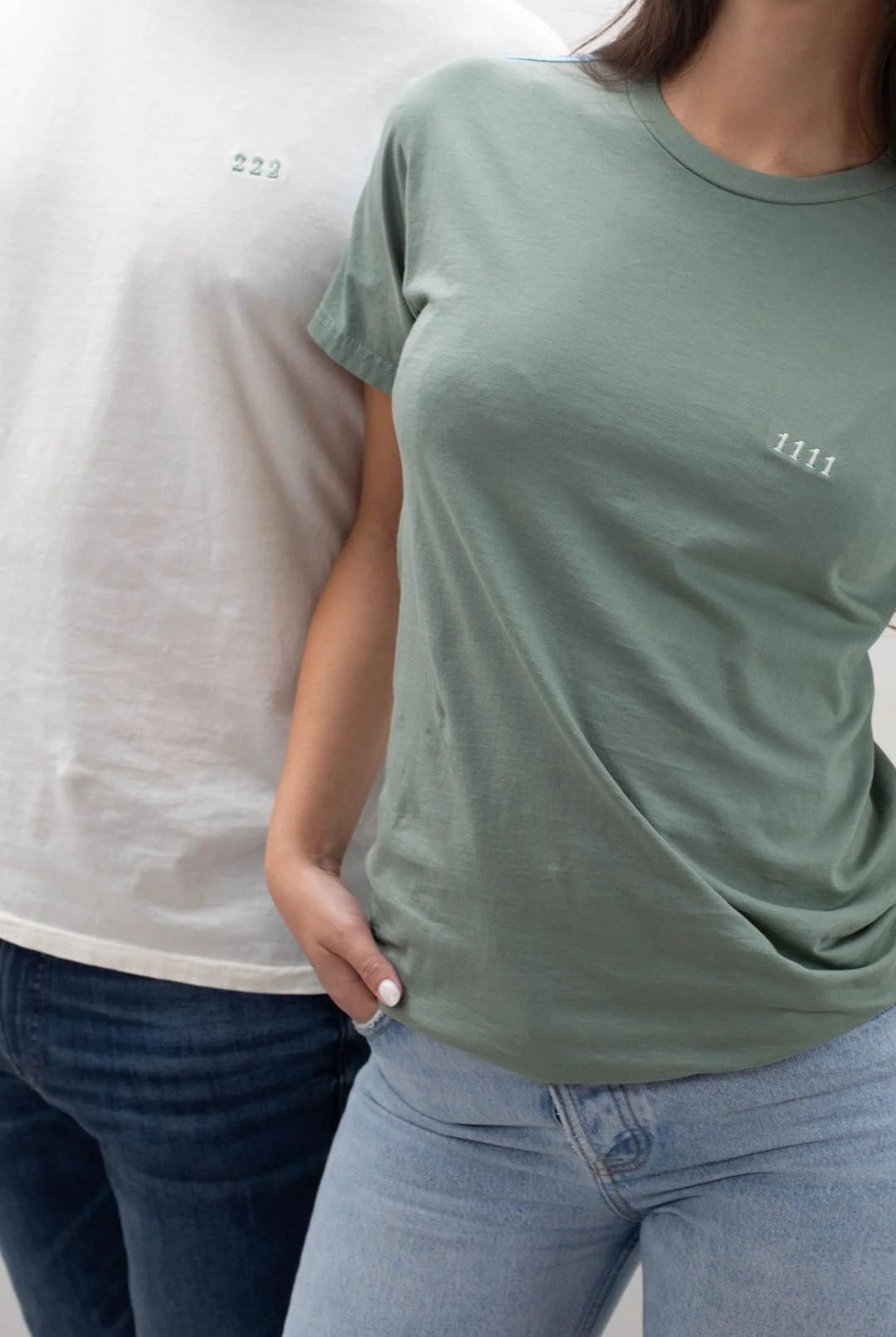
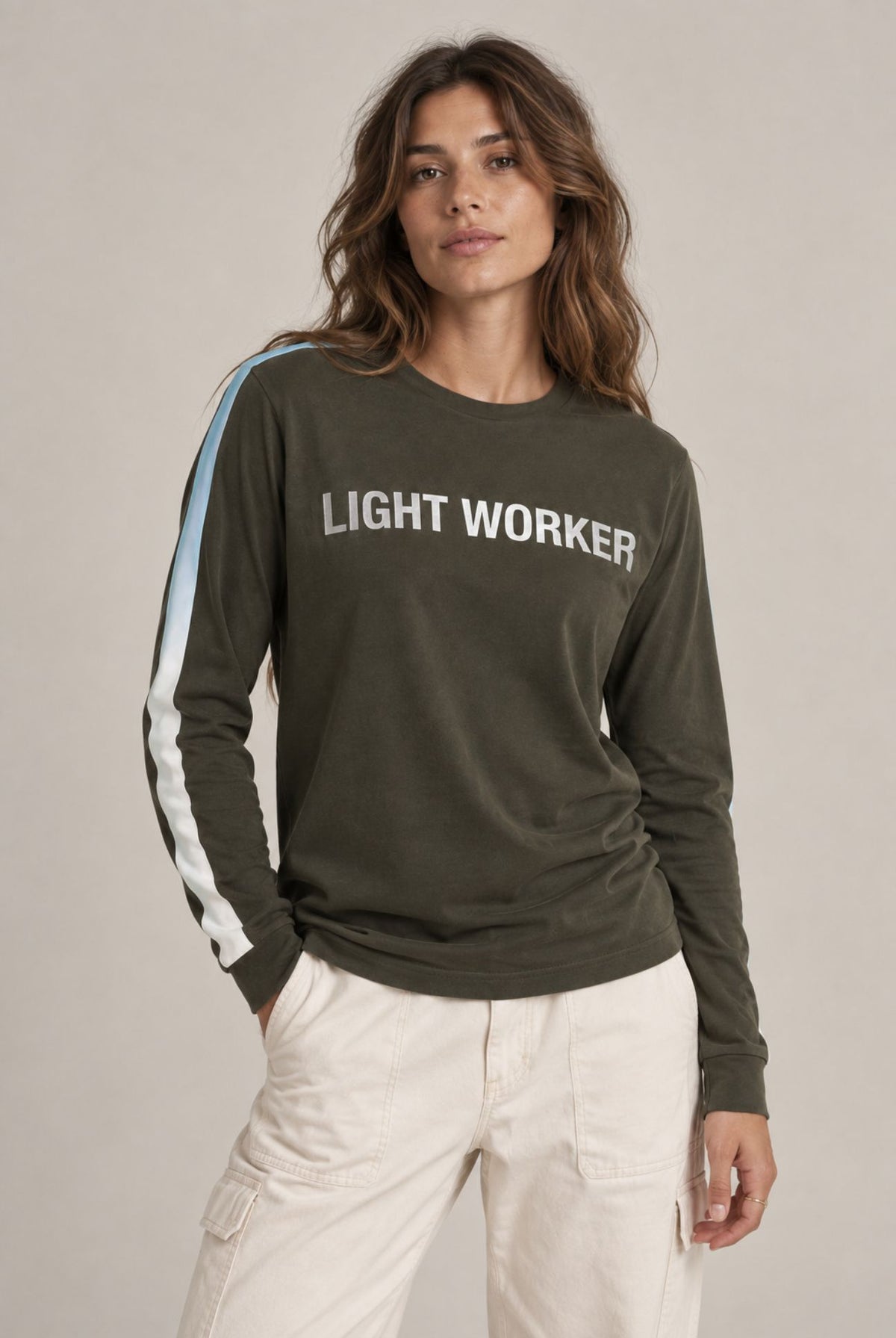
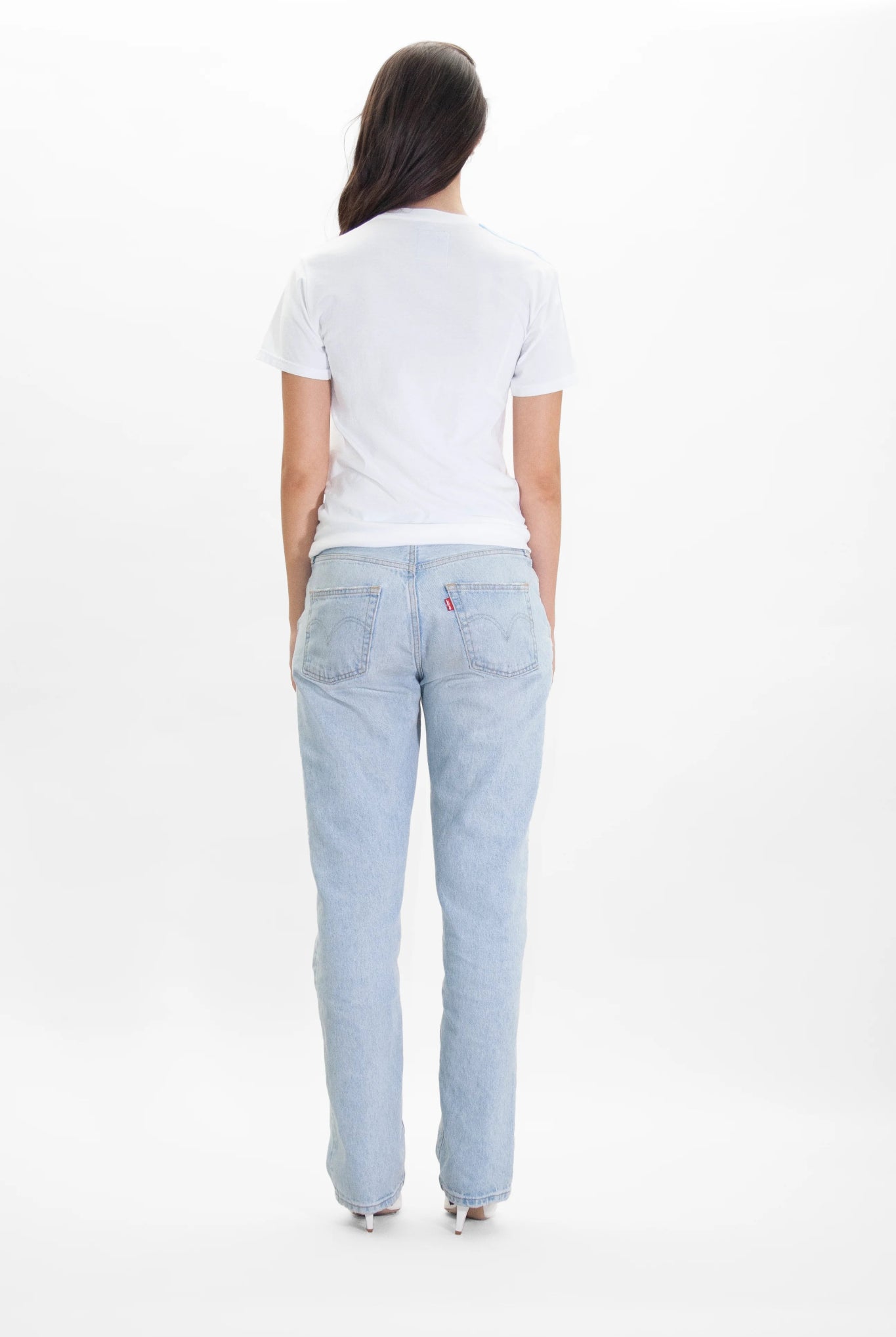
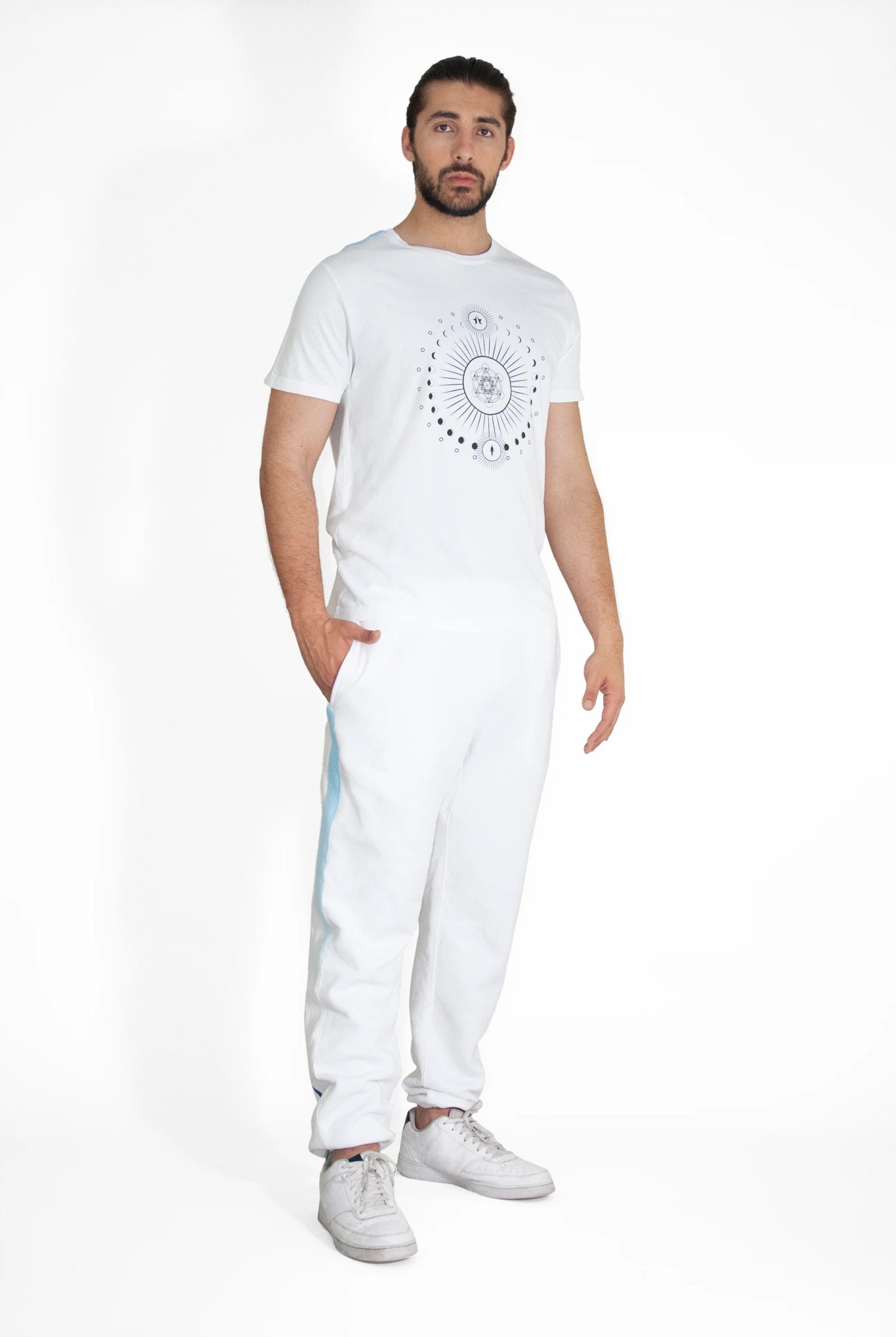
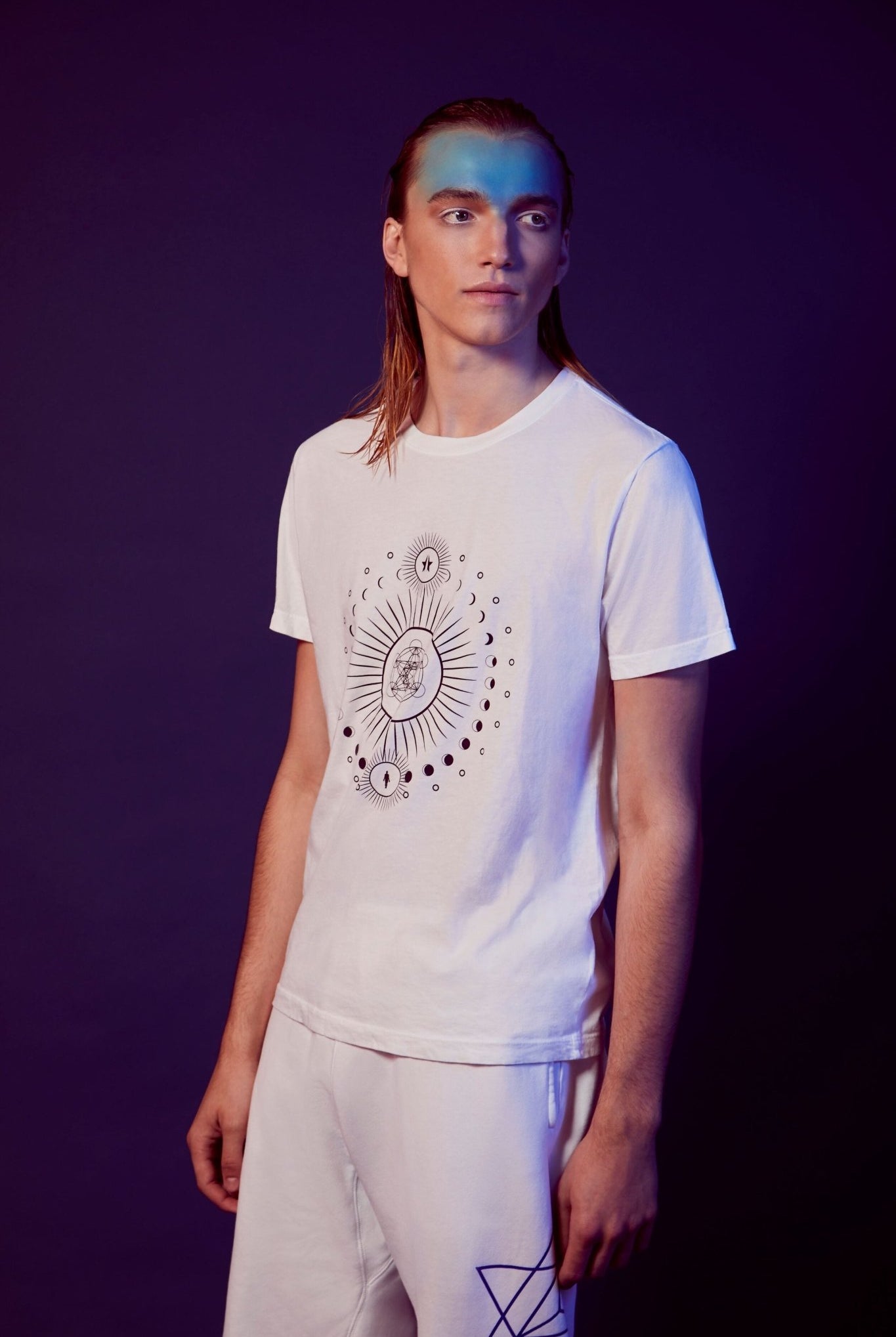
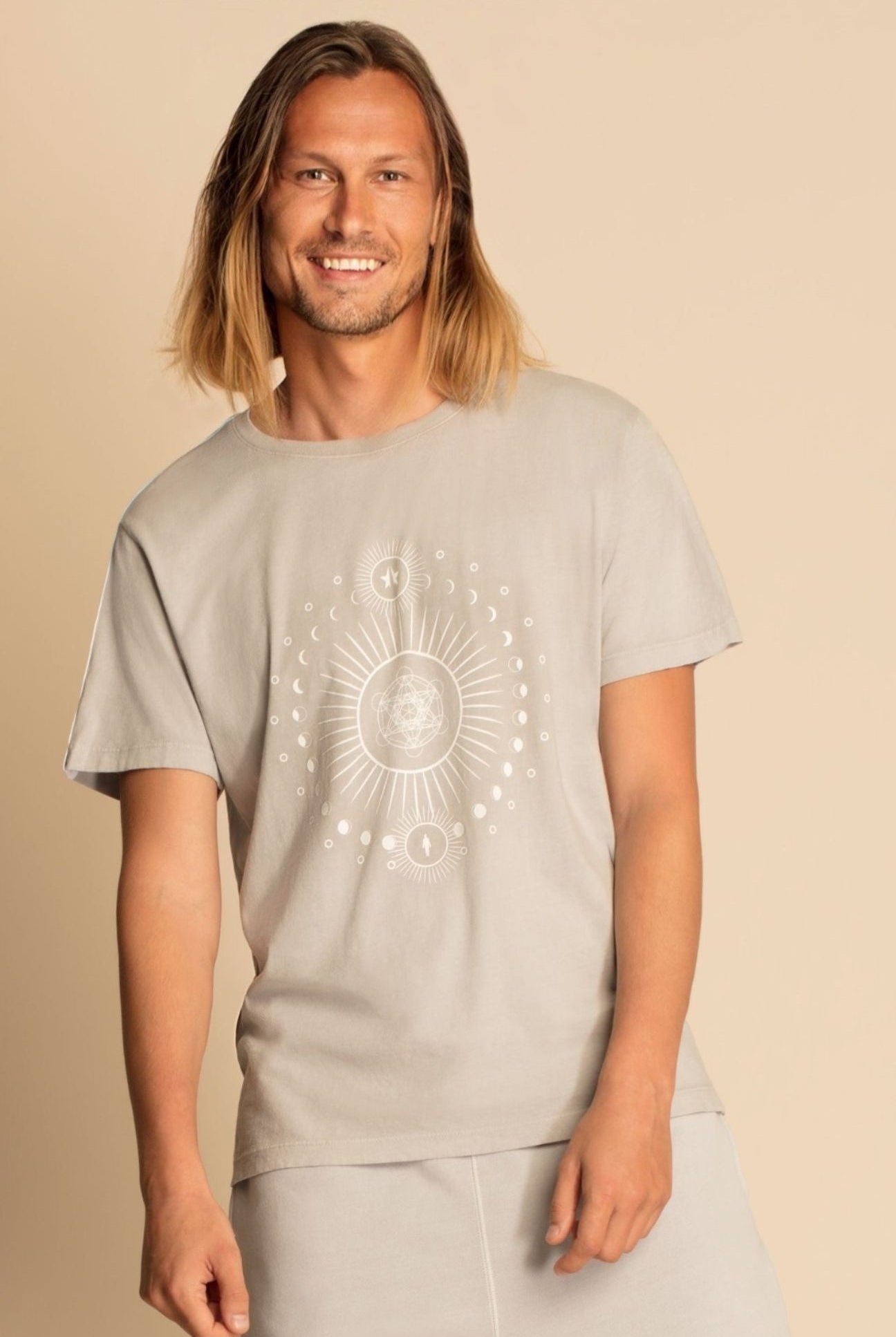
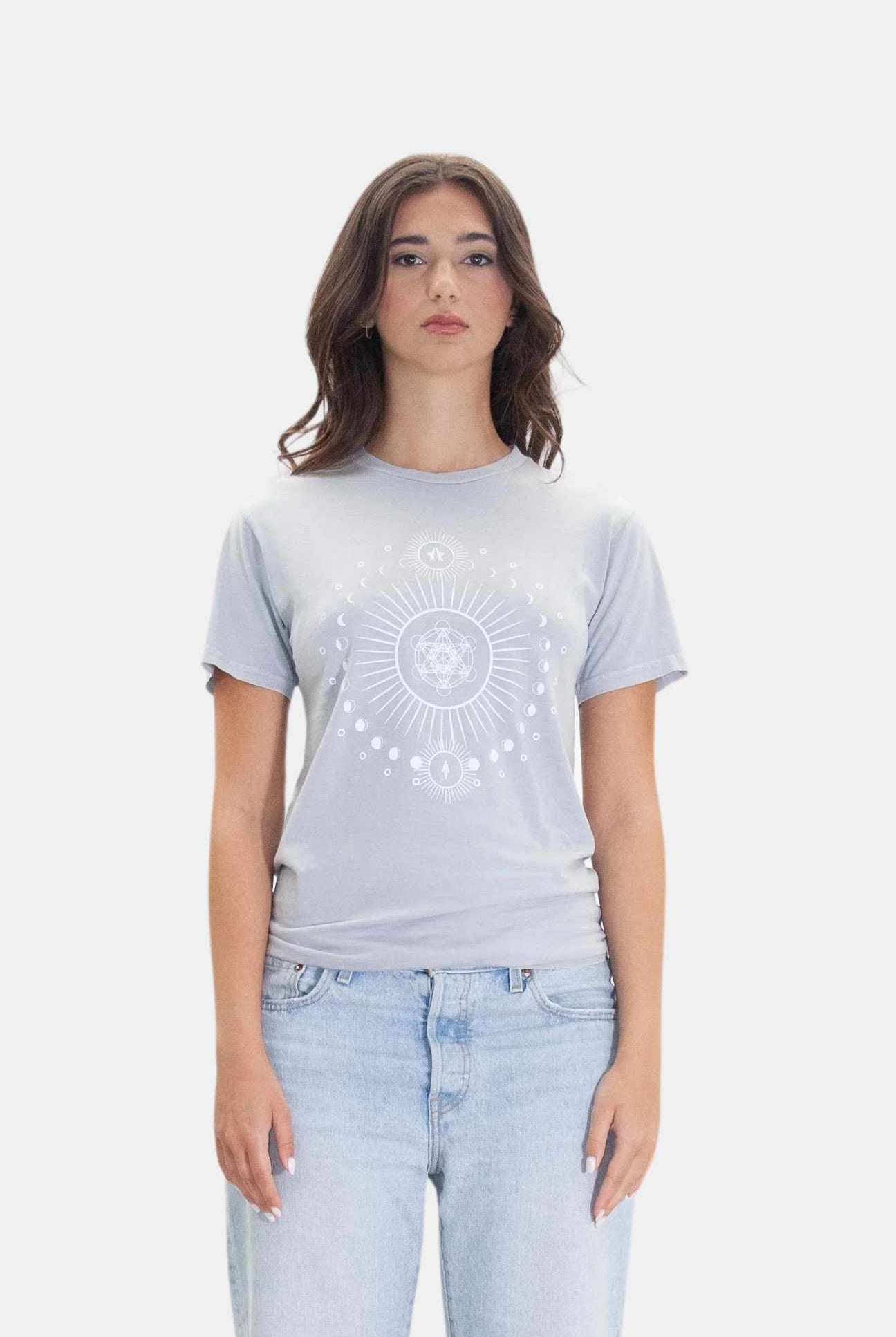
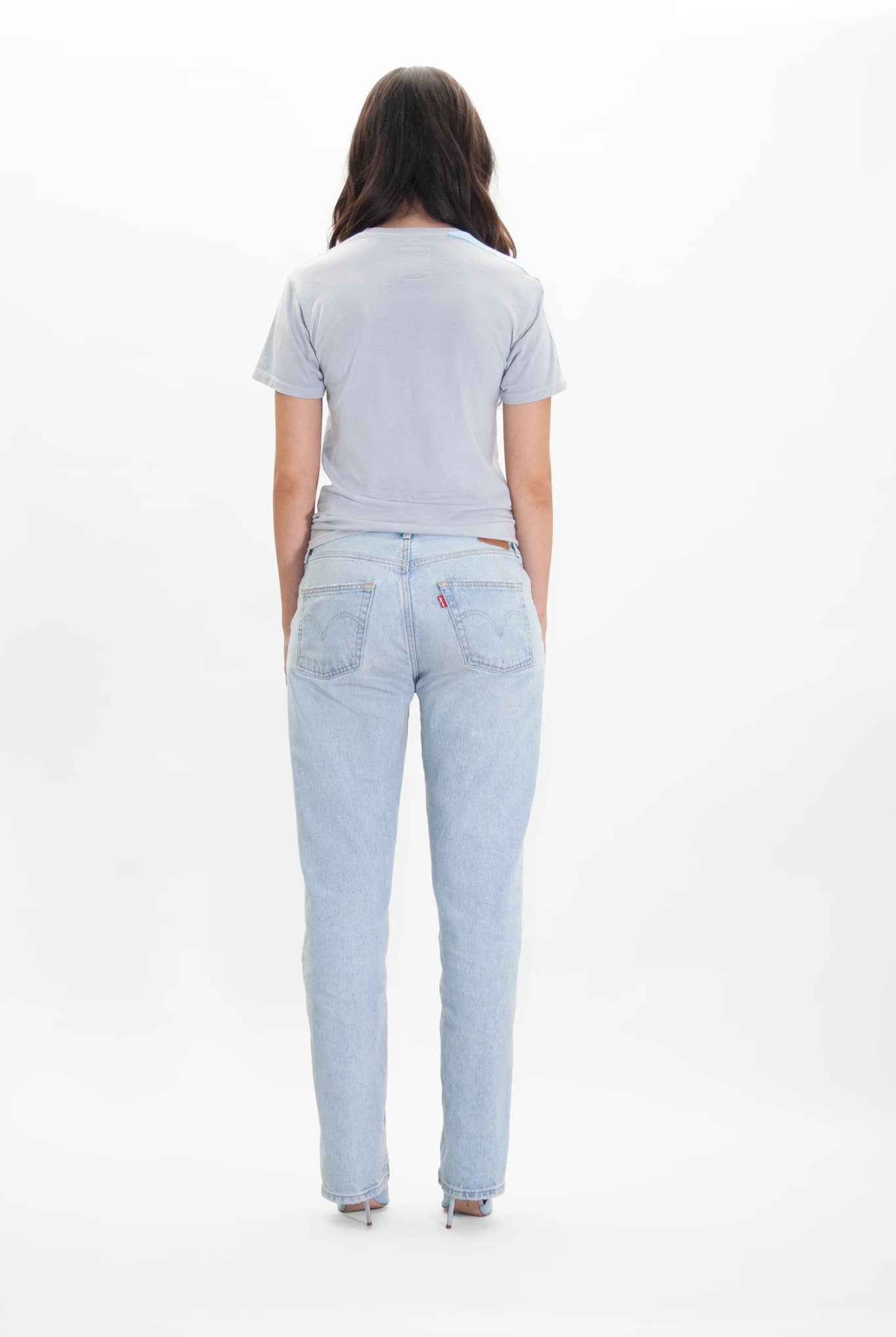
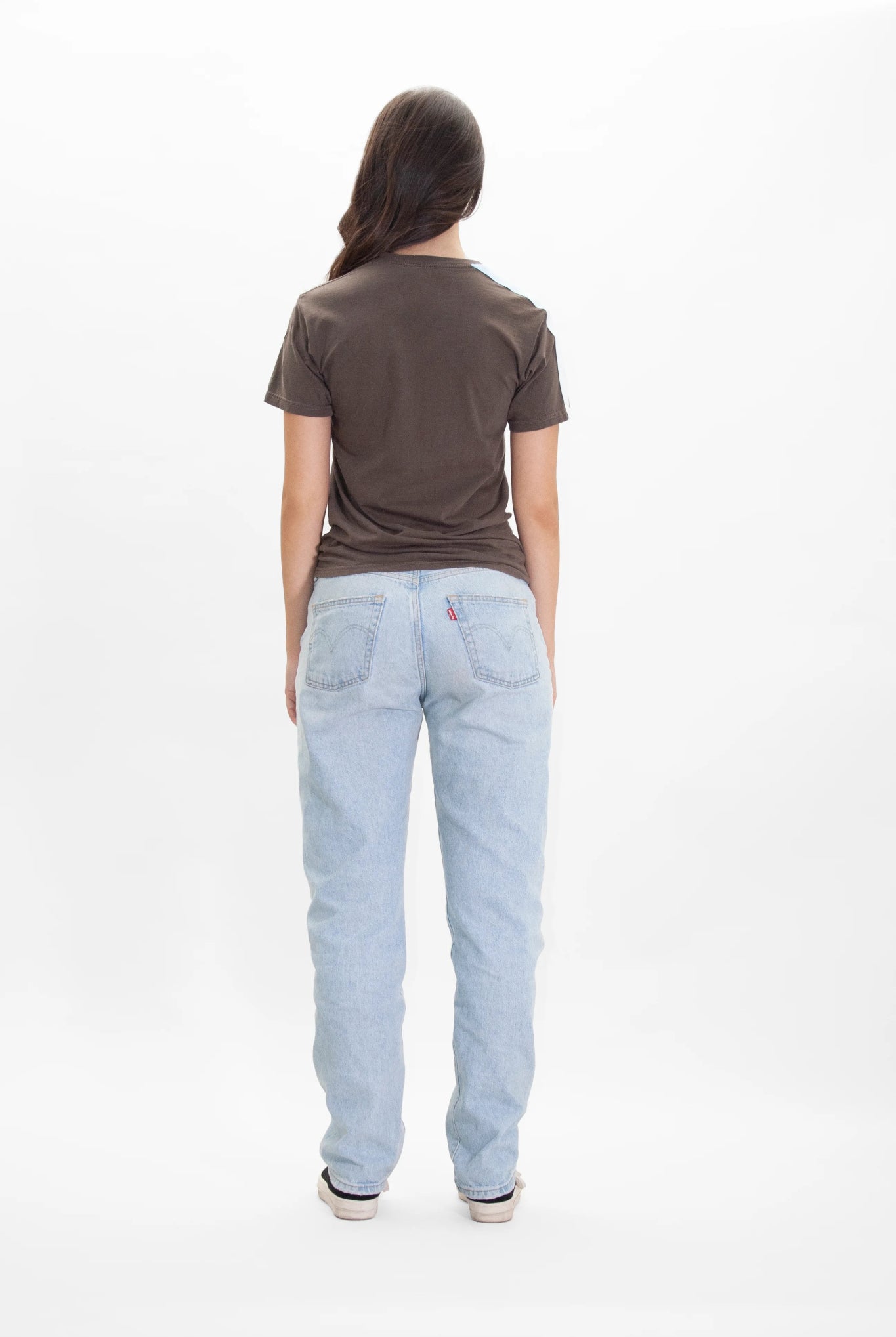
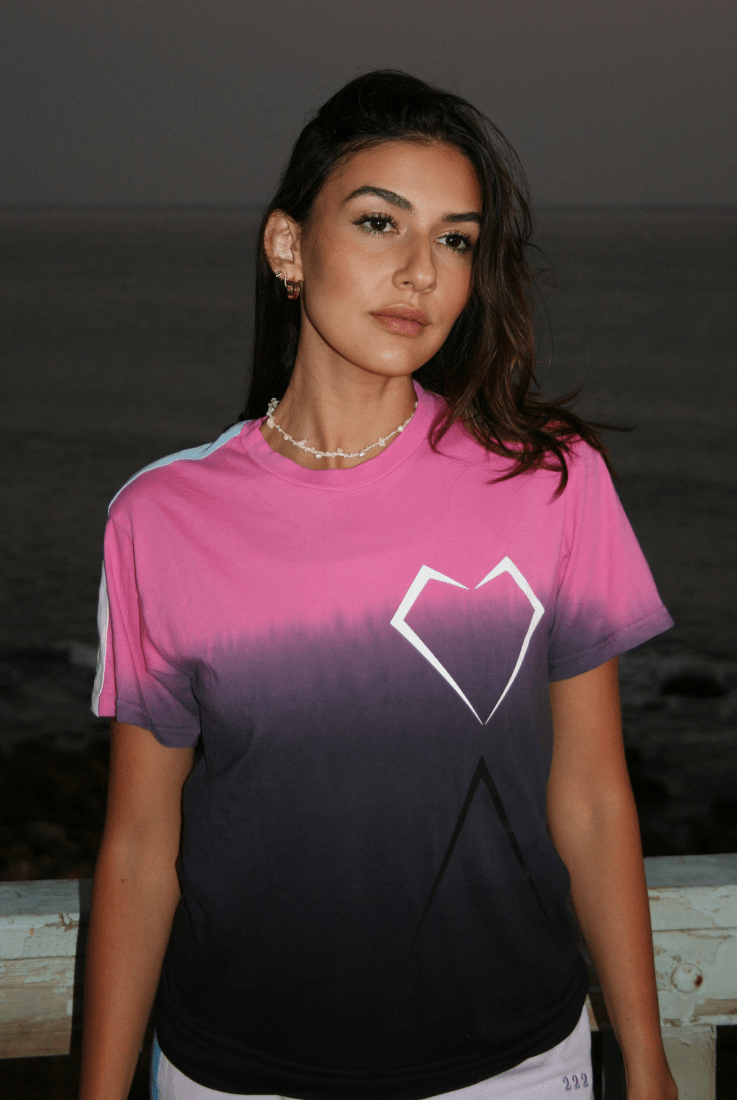
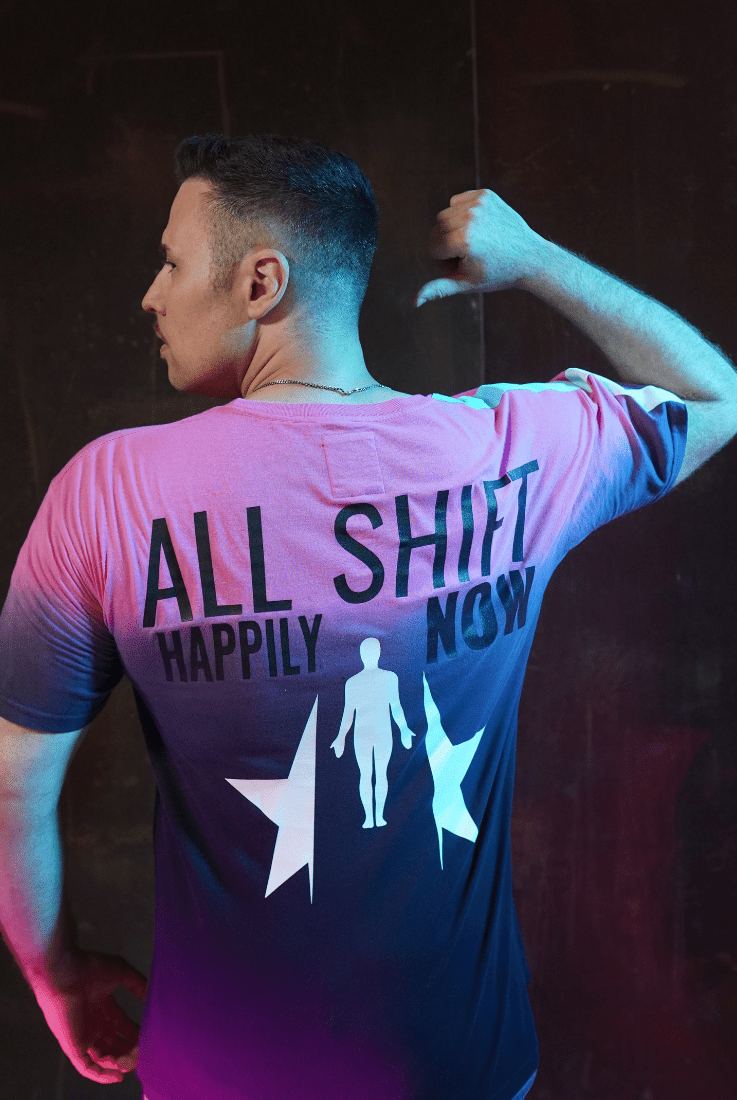
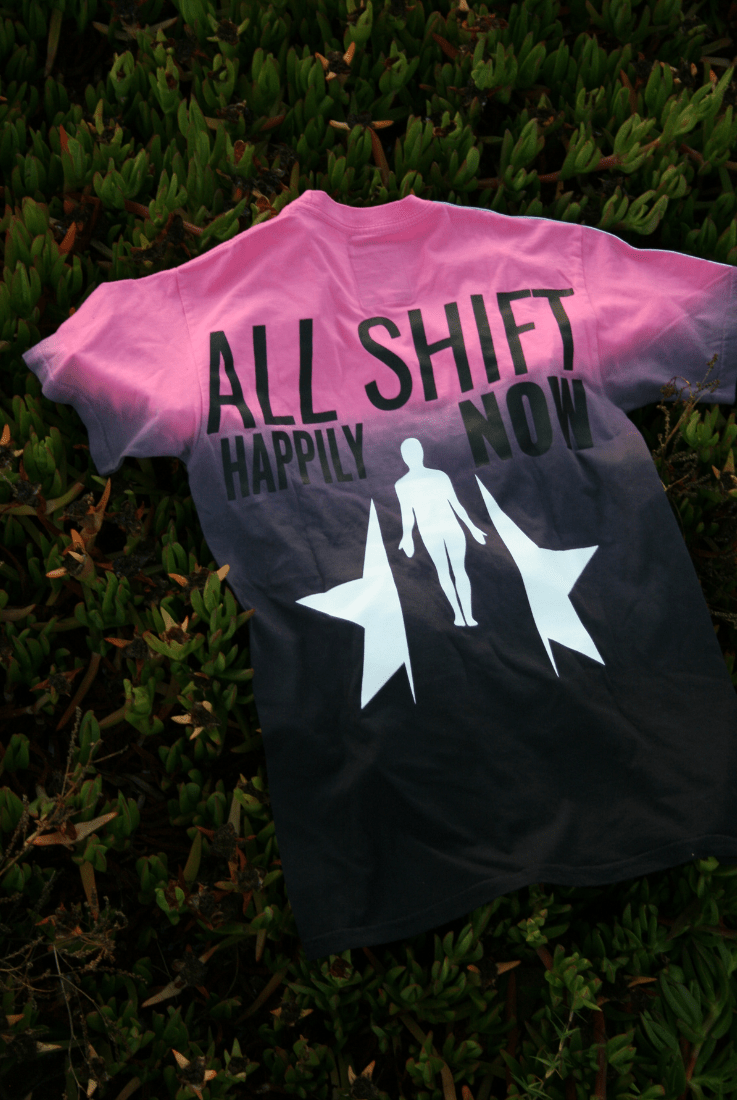
If you’re looking for a starting point, GFL's Organic Cotton Collection was built with that in mind, a wardrobe that aligns with both environmental responsibility and a deeper sense of purpose.
Your Wardrobe Is a Frequency—Choose Wisely
What you wear becomes part of your field. It moves with you, sits on your skin, follows you through your day, literally. It’s closer to you than most anything else. The question is no longer just ‘Is this sustainable?’ but also ‘Does this reflect who I am and what I value?’
In many ways environmentally conscious clothing sits at that intersection, where sustainability meets intention and intention meets identity and spiritual alignment. When you choose garments that are designed with purpose, you wear your values and your energy. Every choice is a chance to resonate more with the planet and your own highest self.
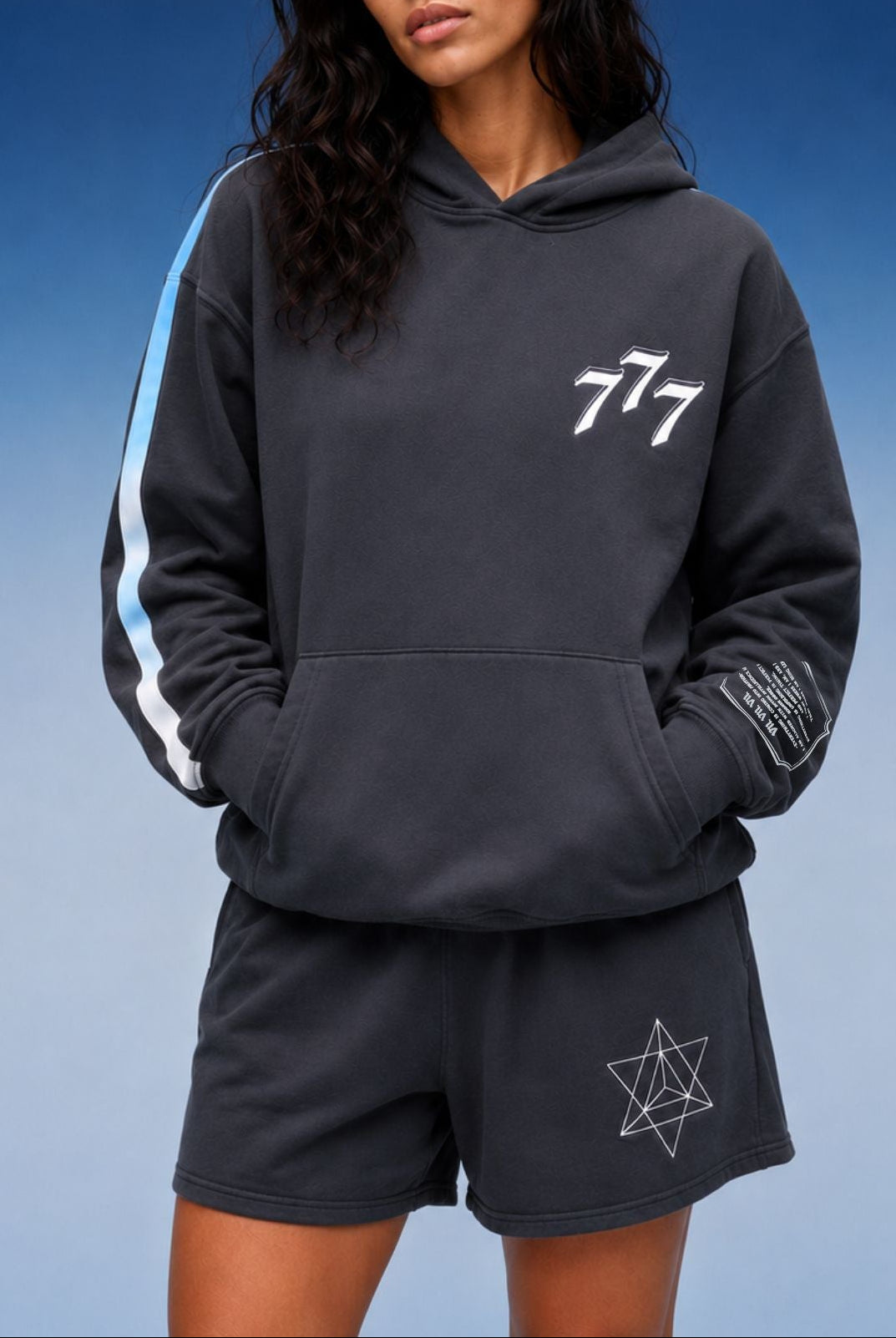
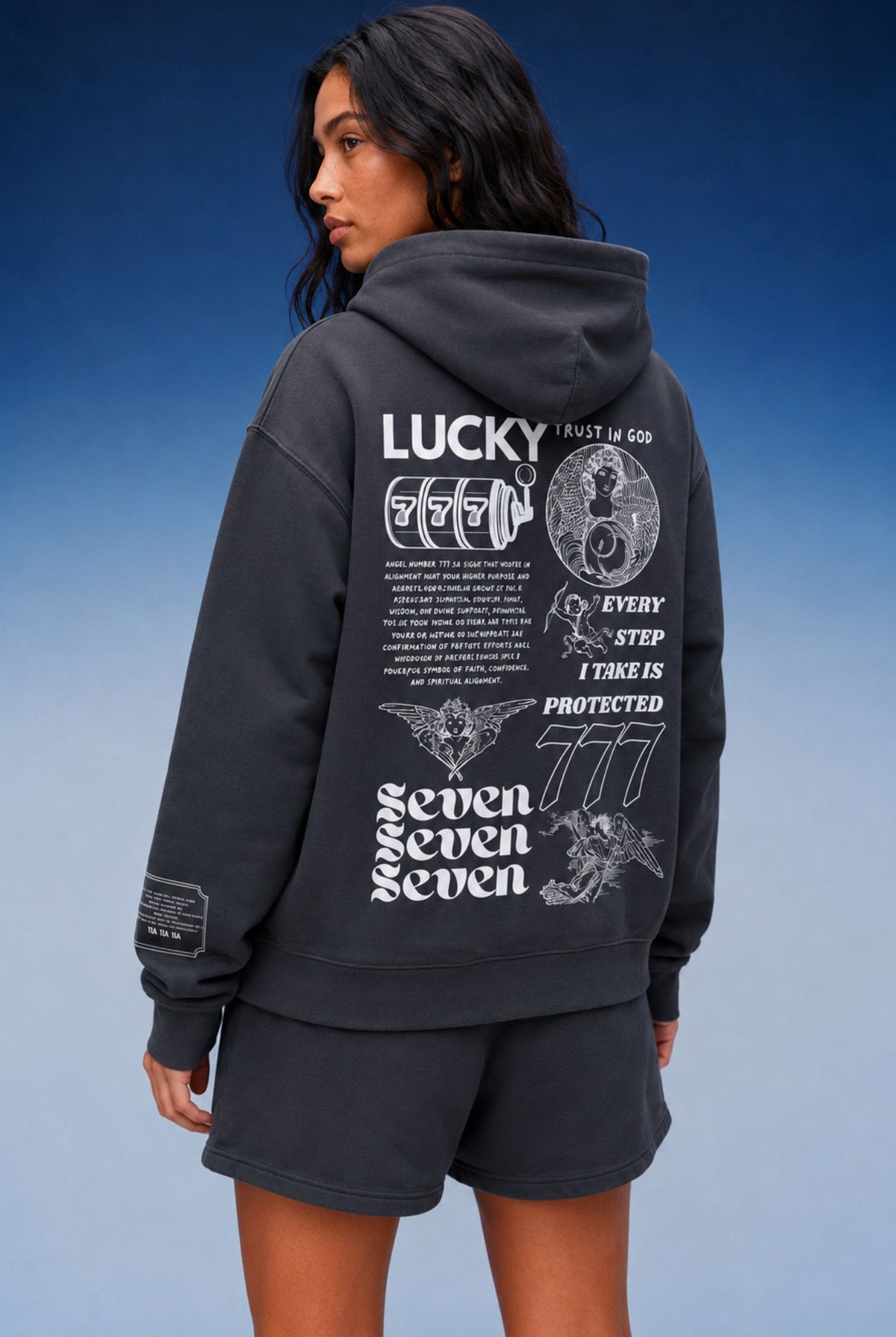
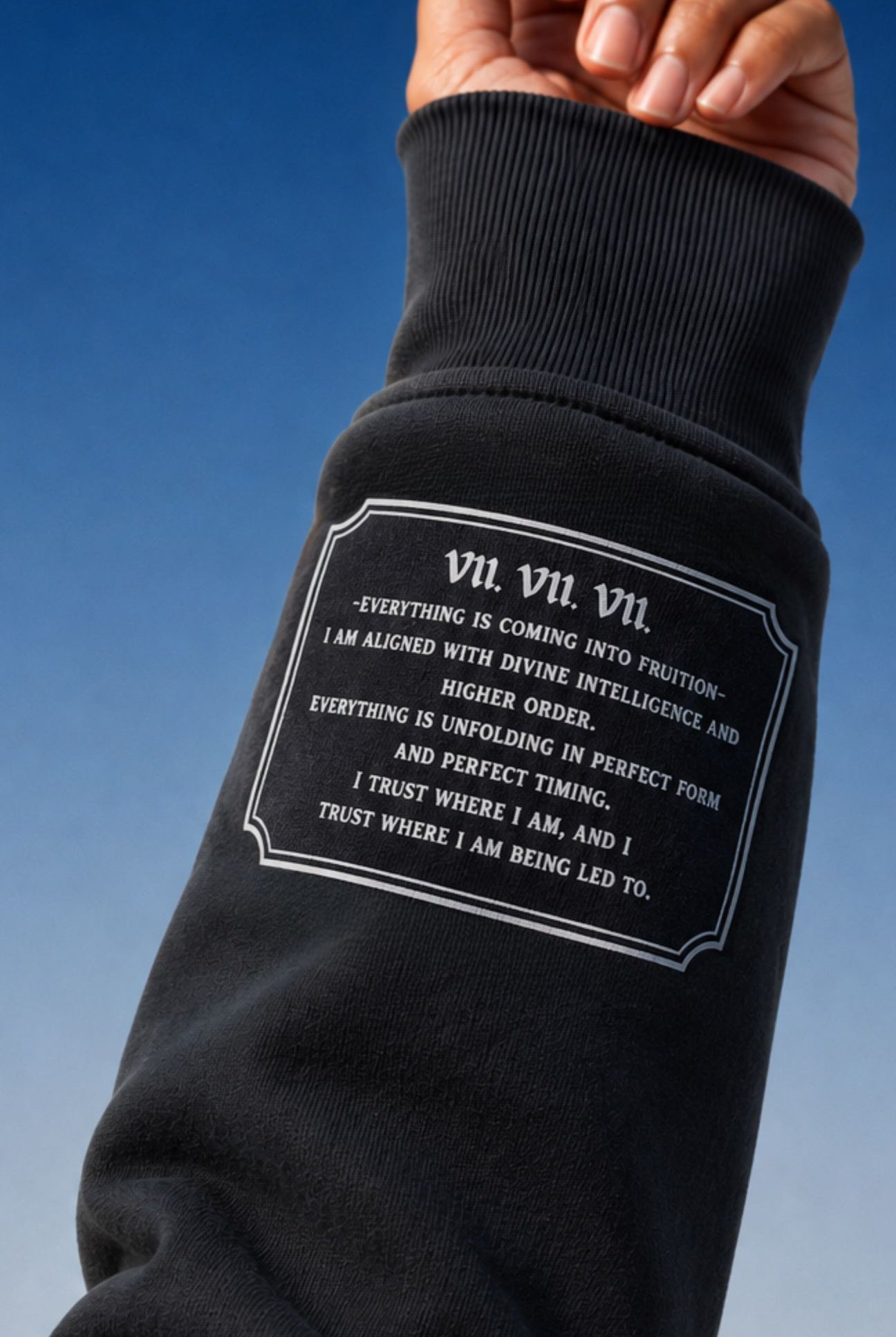
Explore the GFL Organic Cotton Collection, designed for those who want their clothing to reflect both environmental responsibility and intentional living.

















More about GFL

Benefits of Linen: Why Linen Is Considered a High-Frequency Fabric
Explore the benefits of linen, from breathability and durability to its spiritual meaning, ancient roots, and reputation as a high-frequency fabric.
Sustainable Machine-Washable Loungewear Fabrics
Explore sustainable machine-washable loungewear fabrics, including organic cotton and recycled blends, for durable, comfortable, easy-care lounge sets.
Spiritual Clothing Brands: How to Choose Meaningful Spiritual Clothing
A guide to spiritual clothing brands: what sets them apart, the symbols and colors they use, and 5 things to look for when choosing meaningful pieces.