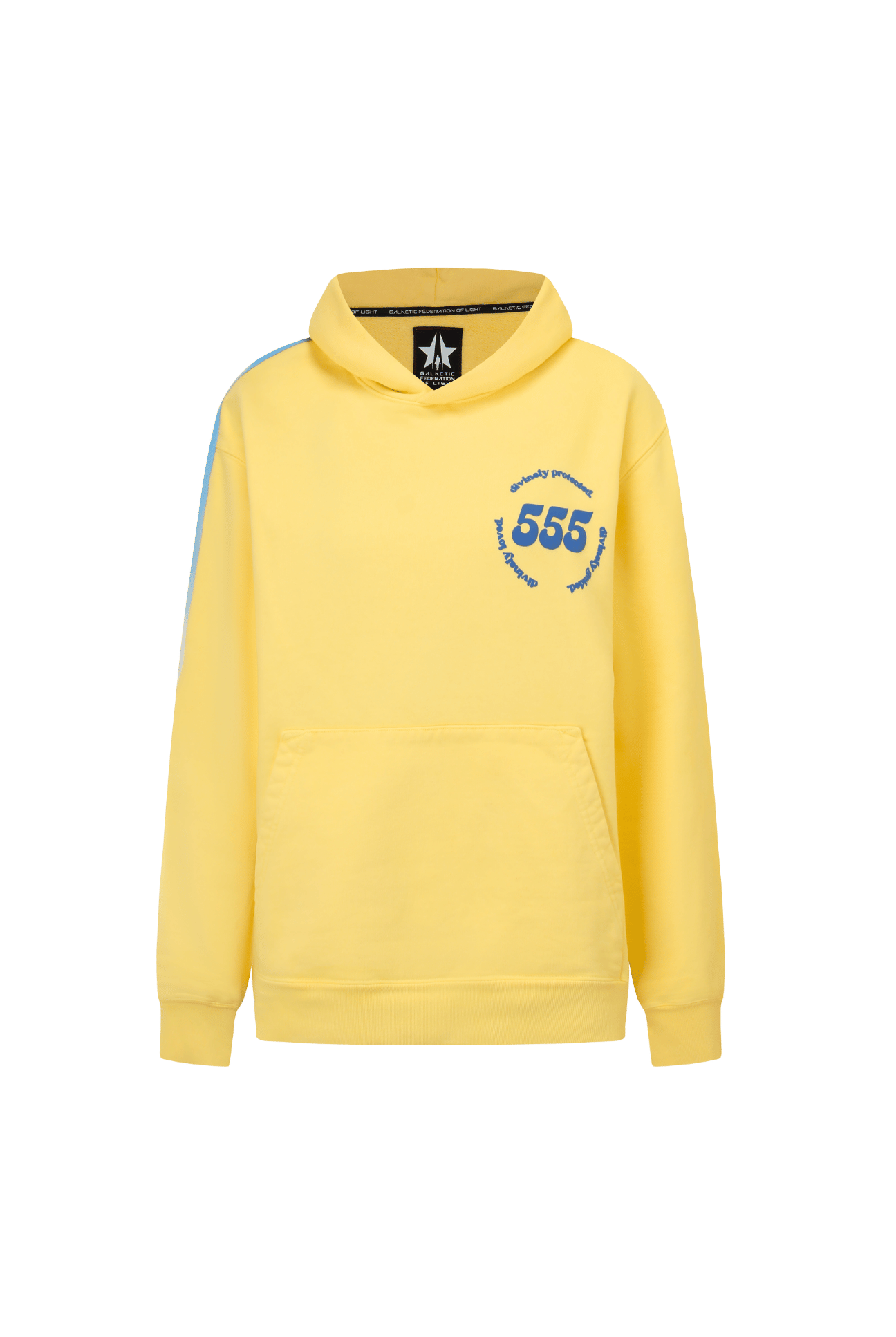
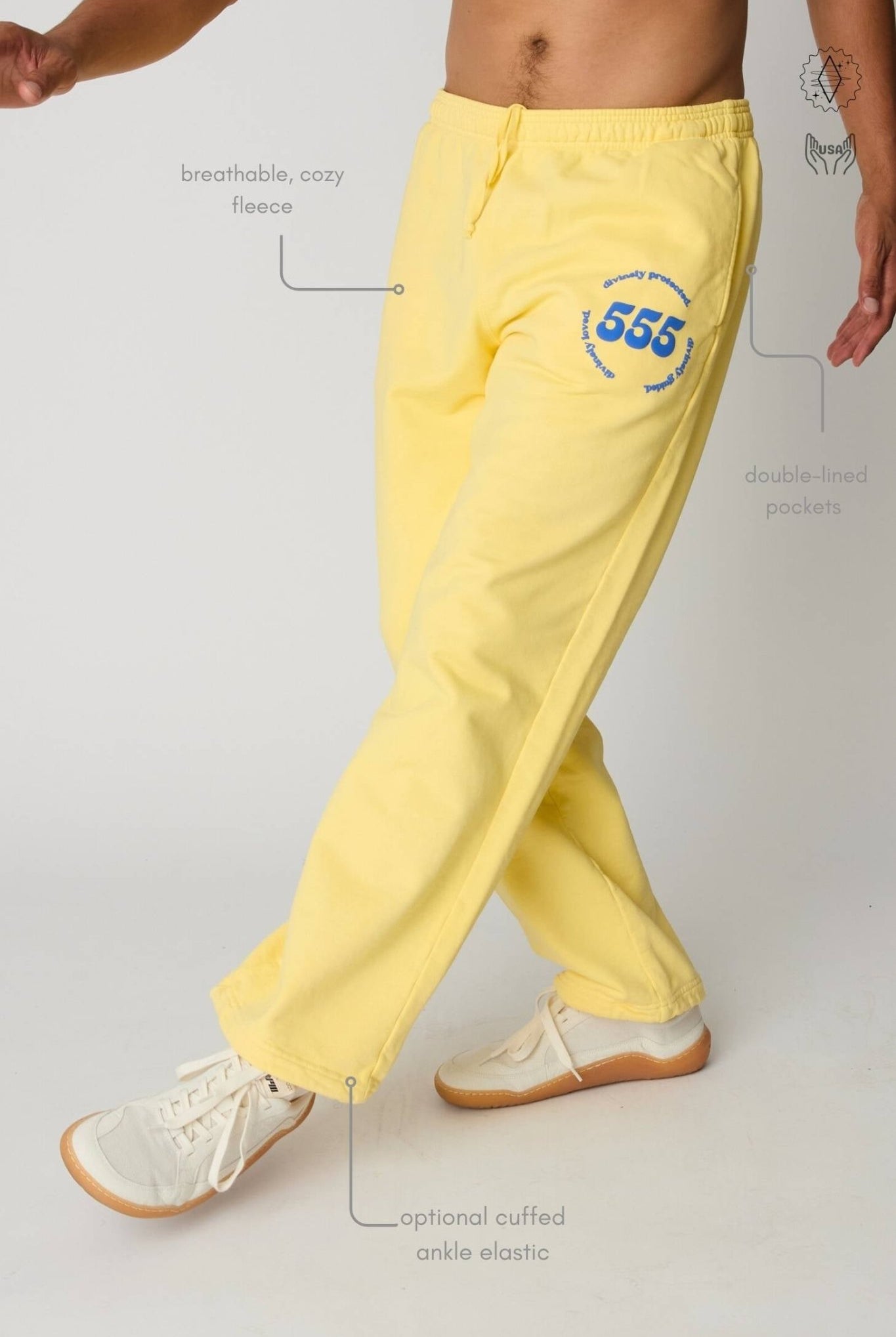
Every color is a wave. That wave has a wavelength, and each wavelength carries a frequency—and how those waves hit the human eye determines what shade we perceive. Light energy moves in this way: from the red end of the spectrum, with its longest wavelengths and lowest frequencies, to the flickering edge of violet, with the shortest wavelength and the higher frequency. This is what the human eye can detect—the narrow range of visible light within the vast electromagnetic field. Transparent or colorless materials like glass, water, quartz, and ice pass most white light through without absorption, allowing us to see their clarity and emphasizing how light interacts with different substances.
On the science side of things, this explains why different colors appear the way they do. But step into a meditation hall painted deep ocean blue, or wrap yourself in a moss green shawl with warm yellow stripes, and you’ll notice something else: your sense of self shifts. The energy of these frequencies passed through your eyes, yes, but passes beyond them, too—hums through your nervous system, influences your skin, and interacts with your subtle body.
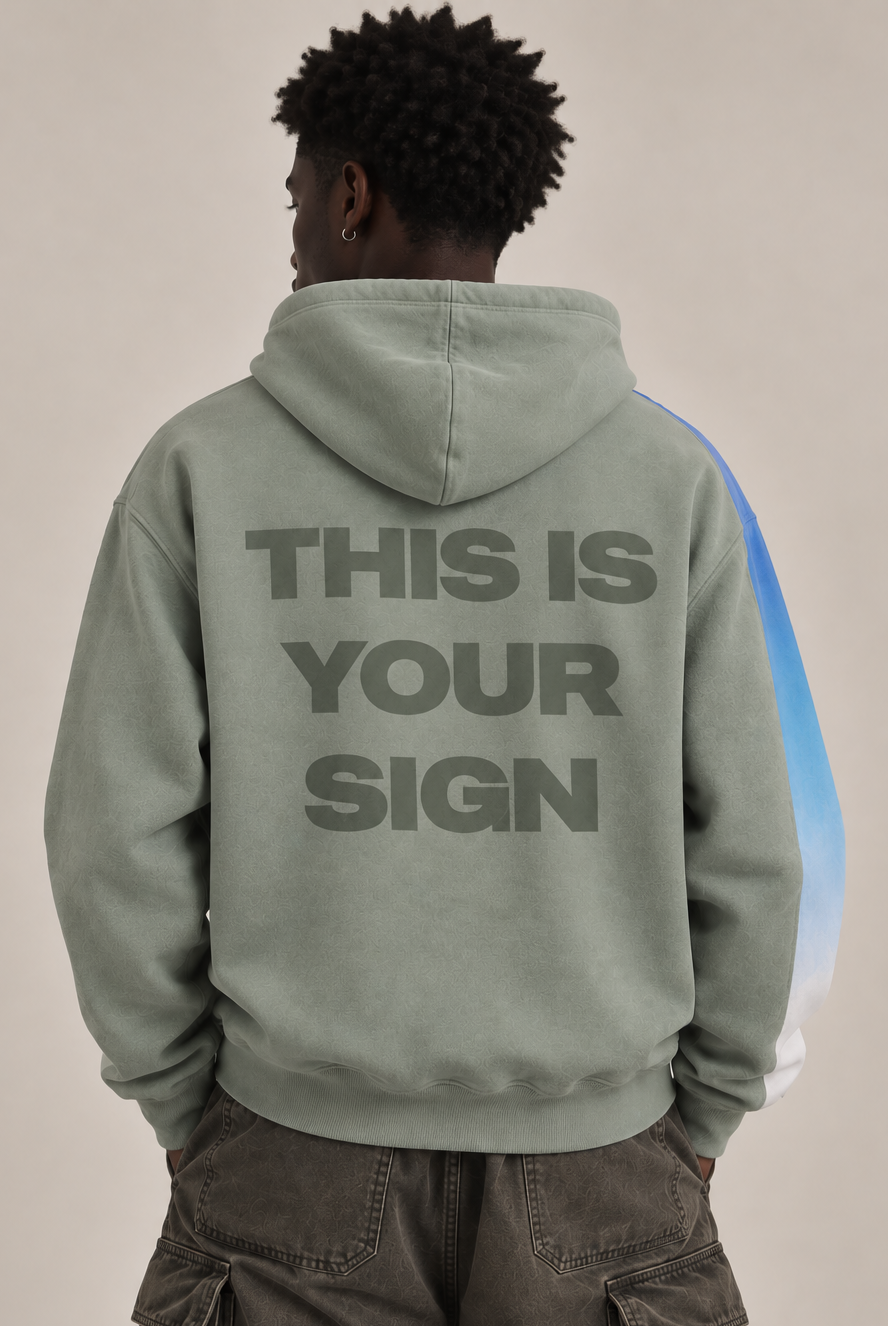
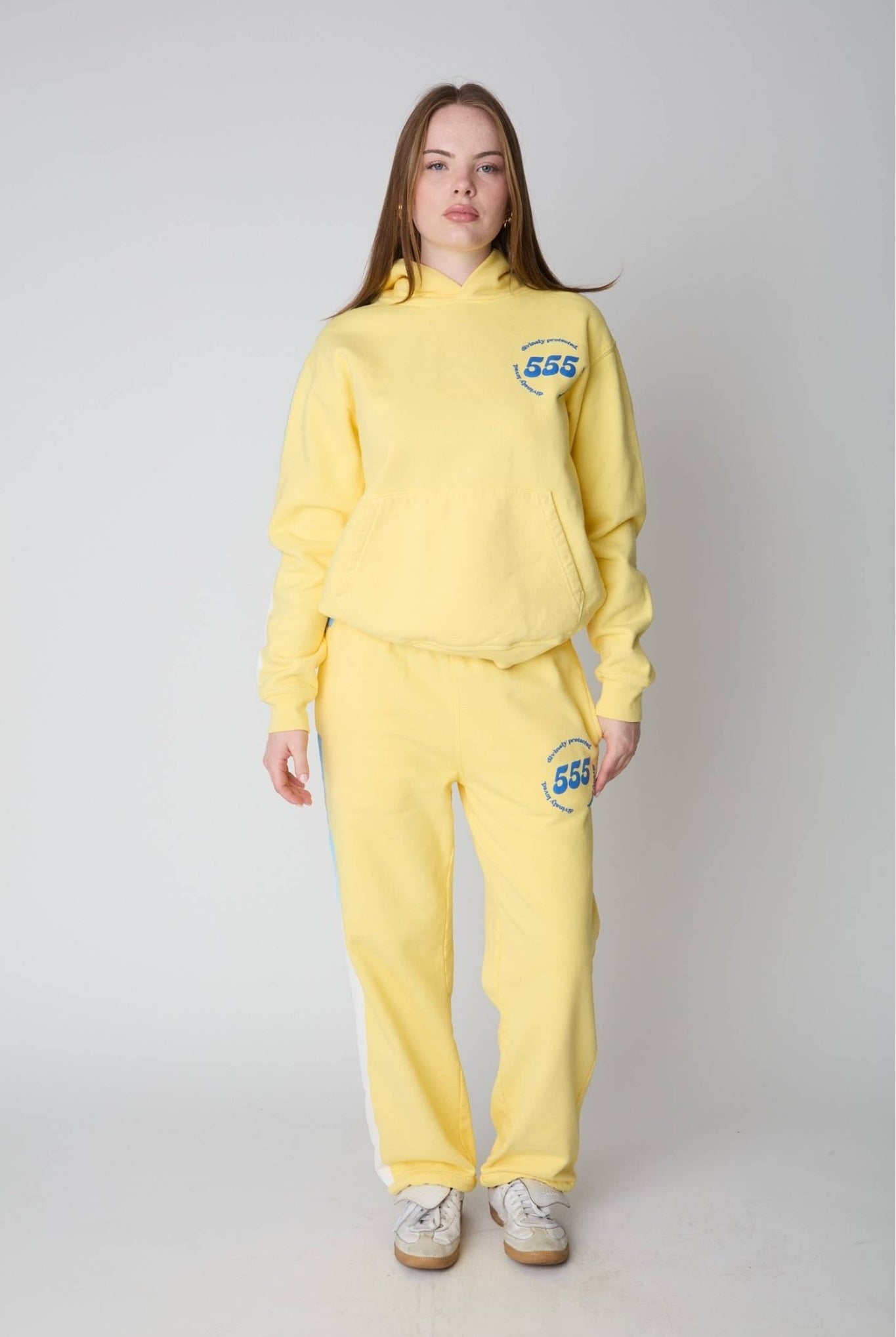
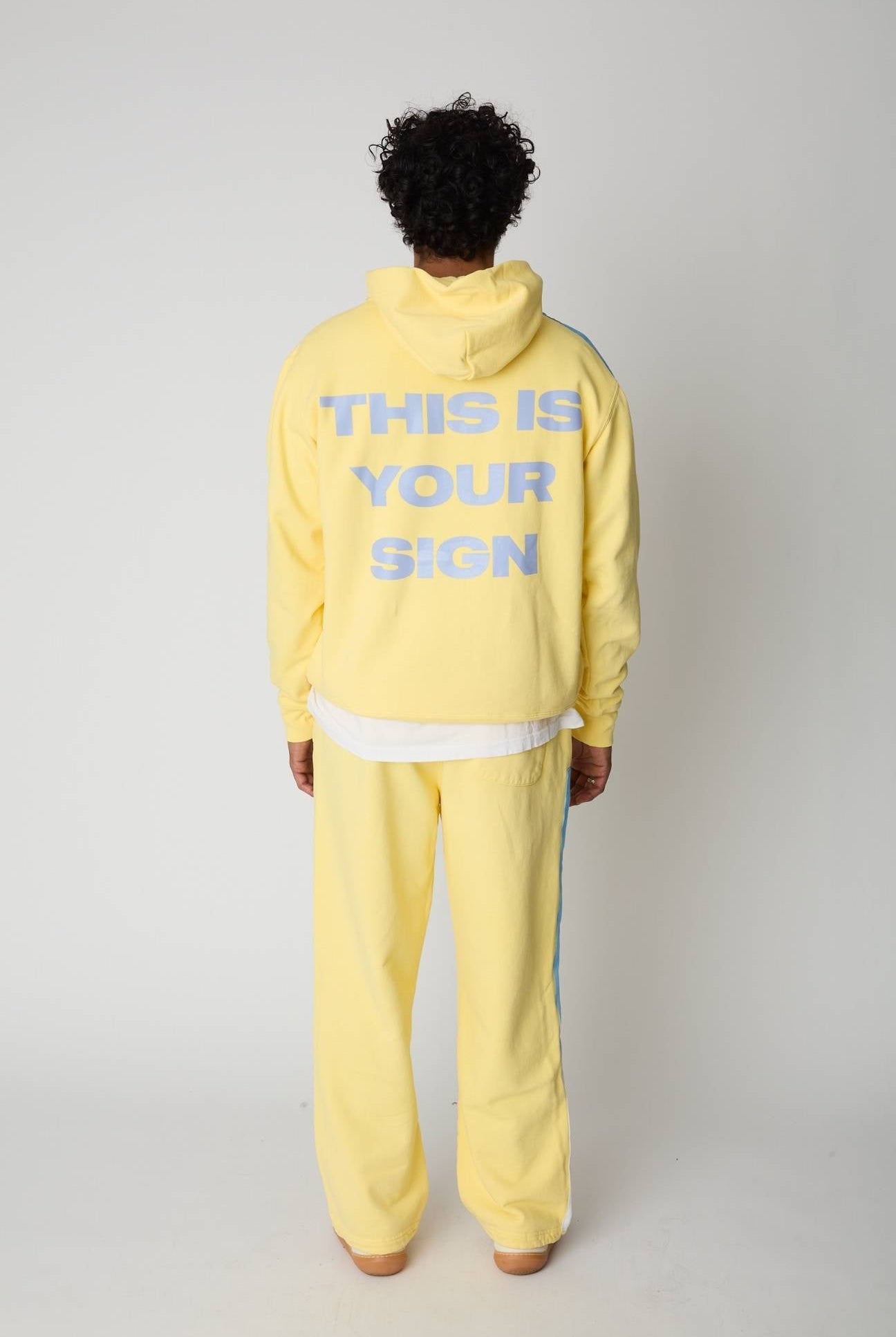
When you wear or meditate with these shades, you are inviting those wavelengths into your aura. Don’t dismiss or discount the image of yourself clothed in these frequencies as vainly cosmetic. It can become a form of energy medicine. Just as sound frequencies can tune the body, color vibrations can balance chakras and help the spirit rest, expand.
And you may already know this well instinctively: maybe you’ve reached for green when you want calm, or yellow when you need a lift, or red when you crave grounding. The science explains the mechanics, but your spirit already recognizes the truth.
The ancients didn’t need machines to measure this. They felt it. They painted temples with certain shades, donned ceremonial robes in others, used pigments from the natural world to tune spaces into harmony. The visible light we see is a mere sliver of what’s out there truly, but even this meager sliver wields the power to rewire how we feel, how we heal, how we connect. And that’s beautiful.
Symbolic Meanings Behind High Vibration Colors
Colors have carried layered meanings for hundreds of thousands of years—whispered through myth, ritual, the way people see the world around them. And so each high vibration color has taken on archetypal meaning—drawn from years of human experience across far-flung cultures.
For instance, white light is emblematic of cleansing, renewal, spiritual presence, the infinite. Purple and indigo are gateways to higher vision, mystical power. They open the door to higher knowing and inner sight.
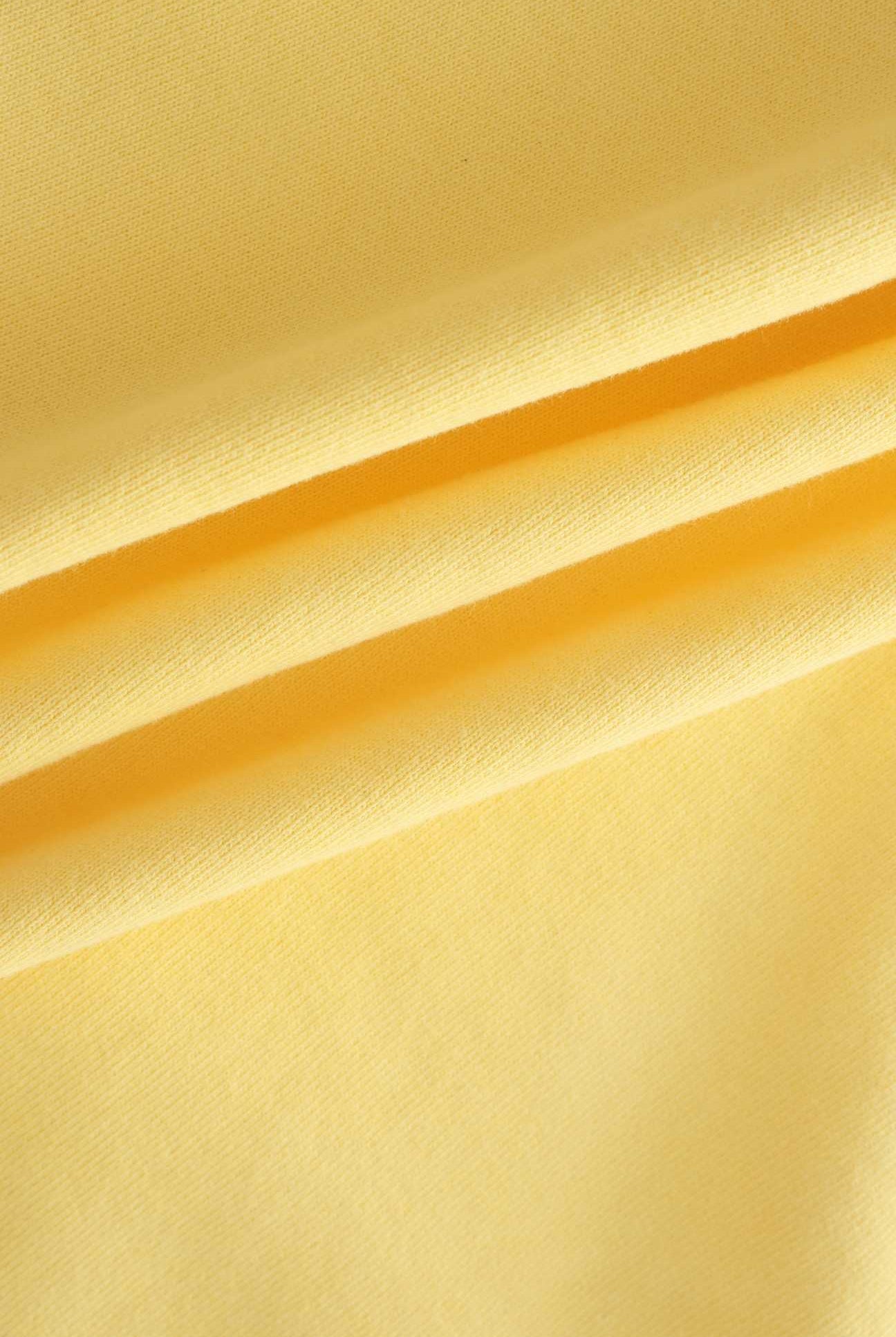
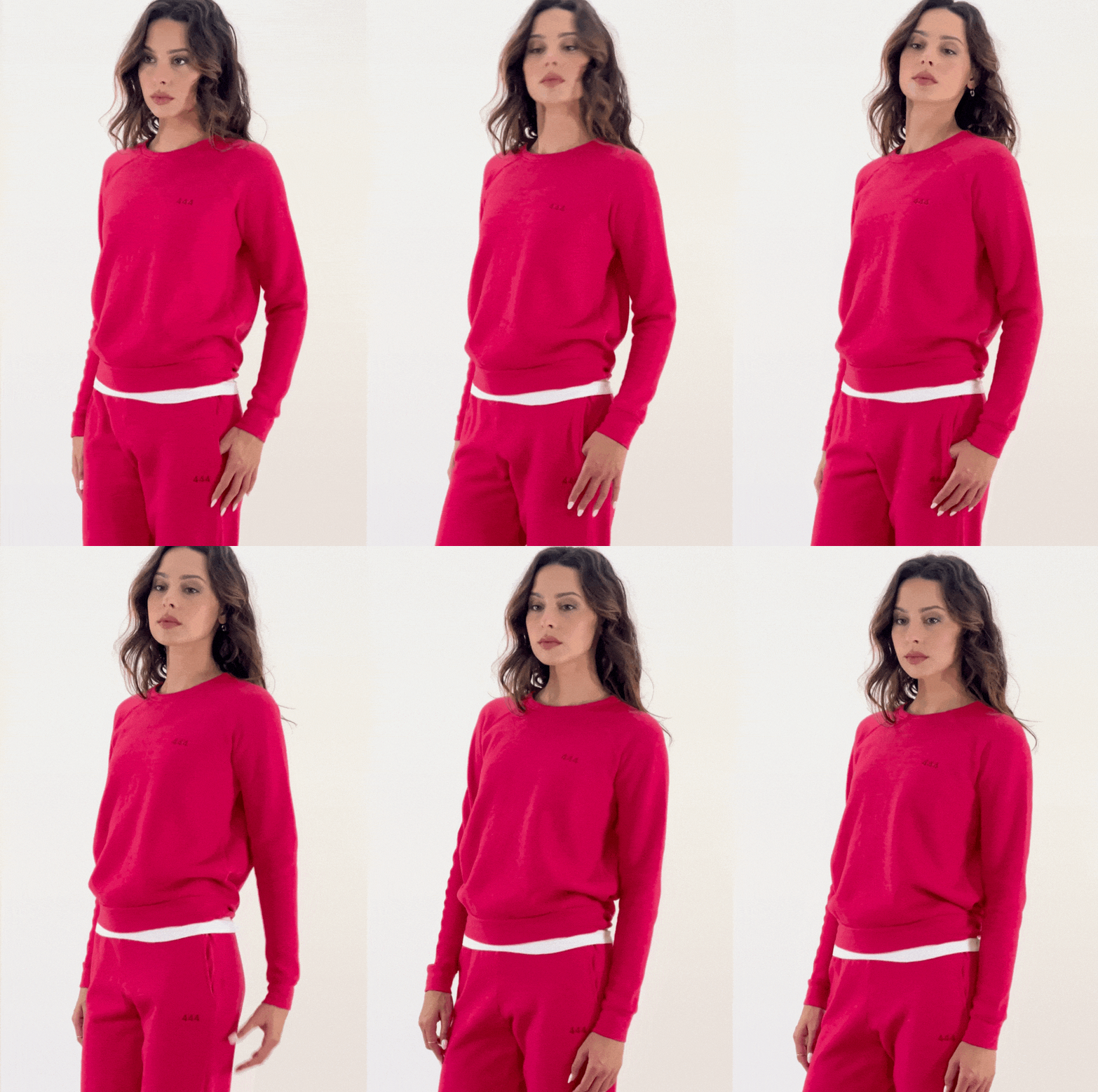
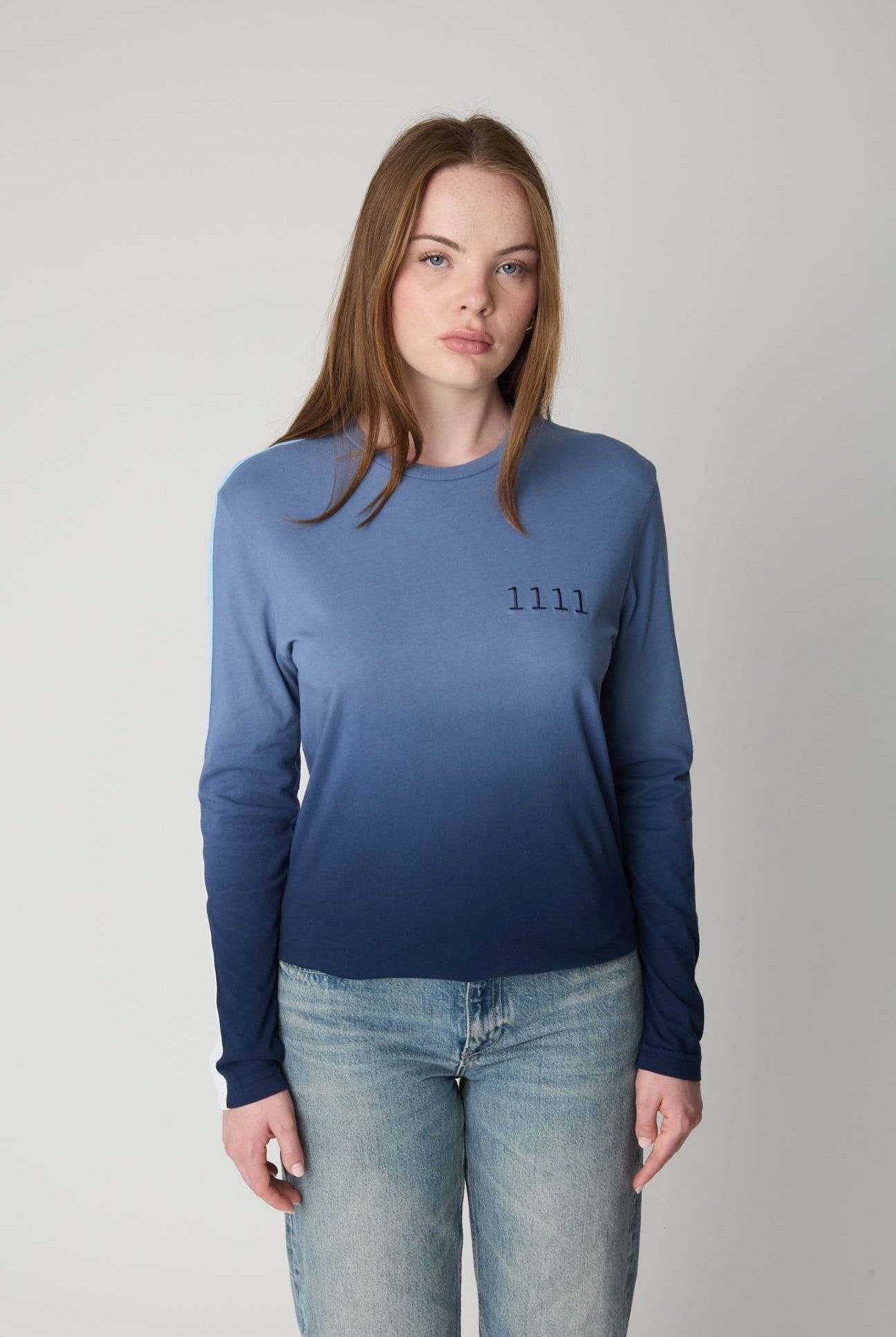
Blue calms, protects, empowers communication, truth-telling. The color blue, as seen in the sea, bestows calming and tranquil effects on wellbeing and is deeply associated with relaxation and intuition. Green restores, nurtures, embodies connection to nature as well as unconditional love. Orange fuels creativity, movement, sensuality, passion. Yellow energy spurs clarity, focus, joy, the spark of new ideas. Red is associated with passion, bravery, and compassion in Buddhism. Indigo is associated with accessing psychic powers and communicating with forces not of this world.