






















Discover the abracadabra meaning, from its ancient Roman use as a healing charm to disputed origins, spiritual symbolism, manifestation, and modern magic.

The autumnal equinox is the astronomical threshold between summer and fall—a precise moment when the Sun crosses the celestial equator and the Northern Hemisphere begins its descent toward longer nights.
In 2026, that moment arrives on September 22 at 5:05 PM PDT / 8:05 PM EDT (00:05 UTC on September 23).
Astronomically, we know exactly what is happening. Spiritually, humans have been giving this celestial turning point meaning for thousands of years: balance between light and darkness, harvest and gratitude, release, transition, and preparation for the season ahead.
So what does the autumn equinox actually mean—and why has this moment in Earth’s orbit mattered to us for so long?

Autumn Equinox 2026 at a Glance
Date: Tuesday, September 22, 2026 in the United States
Exact time: 5:05 PM PDT / 8:05 PM EDT (00:05 UTC Sept. 23)
What happens: The Sun crosses the celestial equator from north to south.
Northern Hemisphere: Astronomical fall begins.
Southern Hemisphere: Astronomical spring begins.
Spiritual meaning: Common themes include balance, harvest, gratitude, reflection and release.

What Is the Autumn Equinox?
The autumn equinox, also called the fall equinox or September equinox, is the precise moment when the Sun crosses the celestial equator from north to south. It marks the beginning of astronomical fall in the Northern Hemisphere and astronomical spring in the Southern Hemisphere.
It happens because of Earth’s 23.5-degree axial tilt and its orbit around the Sun. For most of the year, one hemisphere is tilted more toward the Sun than the other. At the equinox, neither hemisphere is tilted toward the Sun, so sunlight is distributed almost equally between north and south.
And then the balance begins to shift.
After the September equinox, the Northern Hemisphere moves into progressively shorter days and longer nights until the winter solstice. South of the equator, the opposite occurs: daylight continues to grow on the journey toward summer.
Twice a year, Earth reaches this crossing point—one equinox in March and another in September. Two moments in an entire orbit when the relationship between light and darkness approaches equilibrium.
The Harvest Moon
Look up around the September equinox and another celestial marker isn't far away: the Harvest Moon, the full moon occurring closest to the autumn equinox.
Its name is surprisingly practical. Around this time of year, the Moon rises at roughly the same time for several evenings in a row at mid-northern latitudes, historically giving farmers extra light shortly after sunset during the busy harvest season.
Over time, that practical relationship between the Moon and the harvest took on symbolic meaning of its own. The Harvest Moon became associated with abundance, culmination and gratitude—themes that still echo through modern autumn equinox traditions.
The sky marked the season long before the calendar did.
What Does the Autumn Equinox Mean Spiritually?
Astronomy can tell us exactly what happens at the equinox. Spiritual traditions ask a different question: what might the moment mean?
The autumn equinox is a threshold. In the Northern Hemisphere, we cross from a season dominated by light into one increasingly shaped by darkness. The growing season winds down. Harvest arrives. Trees begin releasing their leaves. Nature visibly enters a period of letting go.
It isn't difficult to see why humans turned those changes into metaphor.
Across contemporary spiritual practices, the autumn equinox has become a time to consider balance, gratitude, introspection and release—not because the movement of the Sun dictates what we must do, but because the season gives us a natural moment to take inventory of our own lives.
Harvest and Gratitude
Before the equinox became a date on a calendar, this part of the year was understood through what the land was doing: the harvest was coming in.
Spiritually, harvest offers a useful question: What has actually grown from the energy you’ve been putting out?
Not everything we plant becomes what we expected. Some intentions flourish. Others change shape, stall or reveal that they were never ours to carry in the first place. The autumn equinox invites us to look at what has come to fruition without immediately rushing toward the next thing.
Gratitude, in this sense, is more than listing what you're thankful for. It's recognizing the distance between where you began and where you are now—and acknowledging what it took to get here.
Balance Between Light and Darkness
The equinox is often described as a symbol of balance, but balance doesn't necessarily mean remaining perfectly still—or perfectly positive.
Light and darkness are both present.
Spiritually, that makes the equinox an opportunity to consider the parts of ourselves we readily embrace and the ones we'd rather keep out of sight. Growth isn't always about becoming “more light.” Sometimes it means becoming conscious of what we've avoided, understanding it and integrating what it has to teach us.
The equinox offers a different image of balance: not the elimination of darkness, but the ability to hold both.
A Season of Introspection
After the September equinox, daylight begins retreating across the Northern Hemisphere. The external world becomes quieter, and historically, life moved inward with it.
There is something intuitive about following that movement.
The equinox can be a checkpoint: What deserves more of your attention? What has been running on autopilot? What are you carrying simply because you've carried it for a long time?
Introspection doesn't require disappearing from the world. Sometimes it begins with noticing what becomes visible when you stop filling every available space with noise.
Release and Letting Go
Autumn makes release visible.
Trees don't carry every leaf into the next season. The landscape changes because something is being surrendered, not because something has gone wrong.
That makes the autumn equinox a natural point to examine what has completed its cycle in your own life: a habit, attachment, belief, expectation or version of yourself that no longer fits.
Letting go doesn't always require a dramatic ending. Sometimes it is simply the decision to stop feeding something that has already run its course.
The Equinox as a Threshold
The equinox exists between states.
Summer has ended, but winter has not yet arrived. Light and darkness approach equilibrium before the balance shifts again. One season is closing as another begins.
This idea of the threshold appears throughout spiritual traditions: the space between what was and what will be, where the old has loosened its grip but the new hasn't fully taken form.
You don't have to know exactly what comes next to recognize that you've reached a crossing point.
Sometimes the threshold itself is the practice.

Autumnal Equinox Definition Explained
During the northern hemisphere’s summer solstice, the upper half of the Earth remains tilted toward the sun, resulting in the longest day and shortest night of the year. What happens during the autumnal equinox? As the sun aligns with the celestial equator, it creates a unique balance visible where the sky meets the horizon. The celestial equator is an imaginary projection of the Earth's equator into space, and during the equinox, the sun appears directly above this line. This equilibrium in daylight and darkness, observable in the night sky and during sunset, underscores the intricate symphony of Earth’s orbit and tilt in relation to the sun.
What is the meaning of the fall equinox? The astronomical definition of the autumnal equinox refers to the moment when the sun appears directly above the celestial equator, resulting in nearly equal length of day and night. This significant event occurs nearest to the transition between two of the four seasons, marking a pivotal point in the annual cycle.
When Is the Fall Equinox in 2026?
The 2026 September equinox occurs on Tuesday, September 22 in the United States. The exact astronomical moment is 5:05 PM PDT / 8:05 PM EDT, corresponding to 00:05 UTC on September 23.
At that moment, the Sun crosses the celestial equator from north to south, marking the beginning of astronomical fall in the Northern Hemisphere and astronomical spring in the Southern Hemisphere.
Autumn Equinox Date and Historical Observances
On the Gregorian calendar, the autumnal equinox usually falls on September 22nd or 23rd. This defining date, integral to our understanding of Earth’s orbit and the changing seasons, indicates a moment when day and night remain almost perfectly balanced.
How Have Cultures Observed the Autumn Equinox?
Long before anyone could calculate an equinox to the minute, people were watching the sky.
The changing position of the Sun told communities when to plant, when to harvest and when the seasons were turning. Over time, those astronomical observations became intertwined with ritual, mythology and spiritual tradition.
Not every culture interpreted the equinox in the same way—and not every ancient monument associated with the Sun was built specifically for the equinox. But across different places and periods, the changing relationship between light, darkness and the harvest became something worth marking.
Throughout history, various cultures have celebrated the fall autumnal equinox with festivals and over 20 full moon rituals. Some of the most prominent activities include:
Mabon
Mabon is a modern Pagan name commonly used for the autumn equinox, particularly within Wiccan and related traditions. Contemporary celebrations often center on harvest, gratitude, balance and preparation for the darker half of the year.
Despite its ancient-sounding name, calling the autumn equinox “Mabon” is a relatively modern practice. The name comes from Mabon ap Modron, a figure in Welsh mythology, but its use for the equinox festival emerged within modern Paganism rather than as the preserved name of an ancient Celtic equinox celebration.
Today, practices vary widely and may include shared meals, seasonal altars, offerings from the harvest, meditation and reflection on what has reached completion.
Higan in Japan
In Japan, the equinox falls within Higan, a Buddhist observance held around both the spring and autumn equinoxes. Families traditionally visit and tend ancestral graves, make offerings and remember those who have died.
The equinox also carries Buddhist symbolism. With the Sun setting due west around the equinox, the period became associated with the western direction of the Pure Land in certain Japanese Buddhist traditions.
Here, the celestial event becomes something more intimate: a time to remember where—and who—we came from.
Chichén Itzá: When Architecture Meets the Sun
At Chichén Itzá in Mexico, crowds gather around the spring and autumn equinox periods to watch sunlight and shadow interact with the pyramid known as El Castillo.
As the Sun lowers, triangular shadows appear along the pyramid's northern staircase, visually connecting with a carved serpent head at its base and creating the impression of a serpent descending the structure.
The phenomenon is popularly associated with Kukulkan, the Maya feathered-serpent deity. Scholars continue to debate how intentionally the structure was designed around the precise equinox versus the broader seasonal movement of the Sun, so it's better understood as a striking intersection of architecture, astronomy and interpretation than as simple proof of an “equinox temple.”
Across these traditions, there isn't one universal “meaning” of the equinox. That's part of what makes it interesting.
The astronomical event is shared. What humans have seen in it has always depended on where—and when—we were looking.
How to Celebrate the Autumn Equinox: 5 Spiritual Practices
You don't need an elaborate ceremony to observe the equinox. At its core, the day offers something increasingly rare: a reason to notice where you are in a cycle before rushing into the next one.
If you want to mark the autumn equinox spiritually, use the themes already present in the season—harvest, balance, release and transition—as prompts for your own practice.
1. Take Inventory of Your Harvest
Before setting another intention, look at what has already happened.
What have you created, learned, completed or changed since the beginning of the year? What once felt distant that is now part of your reality?
Write it down. The point isn't to pretend everything went according to plan. A harvest is simply what grew from what was planted—and sometimes what grew teaches us more than what didn't.
2. Create a Release Ritual
Choose something that has reached the end of its cycle—a habit, belief, resentment, expectation or commitment—and name it.
Write it on paper, speak it aloud or simply sit with the decision to stop carrying it forward.
Release doesn't need to be dramatic to be real.
3. Sit Between Light and Dark
This one feels especially GFL:
Around sunset, step outside and watch the transition from daylight into darkness.
Rather than treating one as positive and the other as negative, notice that both belong to the same cycle.
Ask yourself: What parts of myself have I been trying to keep permanently in the light? What becomes visible when I allow myself to look into the shadow?
You don't need to solve anything. Just notice.
4. Practice Gratitude Before Manifestation
This is where we can give GFL a slightly sharper point of view:
Spiritual practice often focuses on what comes next: the next intention, manifestation, goal or version of ourselves.
The harvest season asks us to look in the opposite direction first.
Before asking for more, name what is already here. Choose three things—not necessarily possessions—that exist in your life today because of choices, relationships, effort or circumstances that brought you to this point.
Receive the harvest before planting again.
5. Choose What Crosses the Threshold With You
The equinox marks a crossing between seasons. Use it as an opportunity to decide what deserves to cross with you.
Ask:
What am I keeping?
What am I releasing?
What needs more of my energy?
What needs less?
You don't need a completely new life on the other side of the equinox. Sometimes a transition begins with becoming more deliberate about what you bring with you.

Carry the Light Into the Season
As the Northern Hemisphere crosses into longer nights, the equinox leaves us with a simple reminder:
Light isn't only something we receive. It's something we carry.
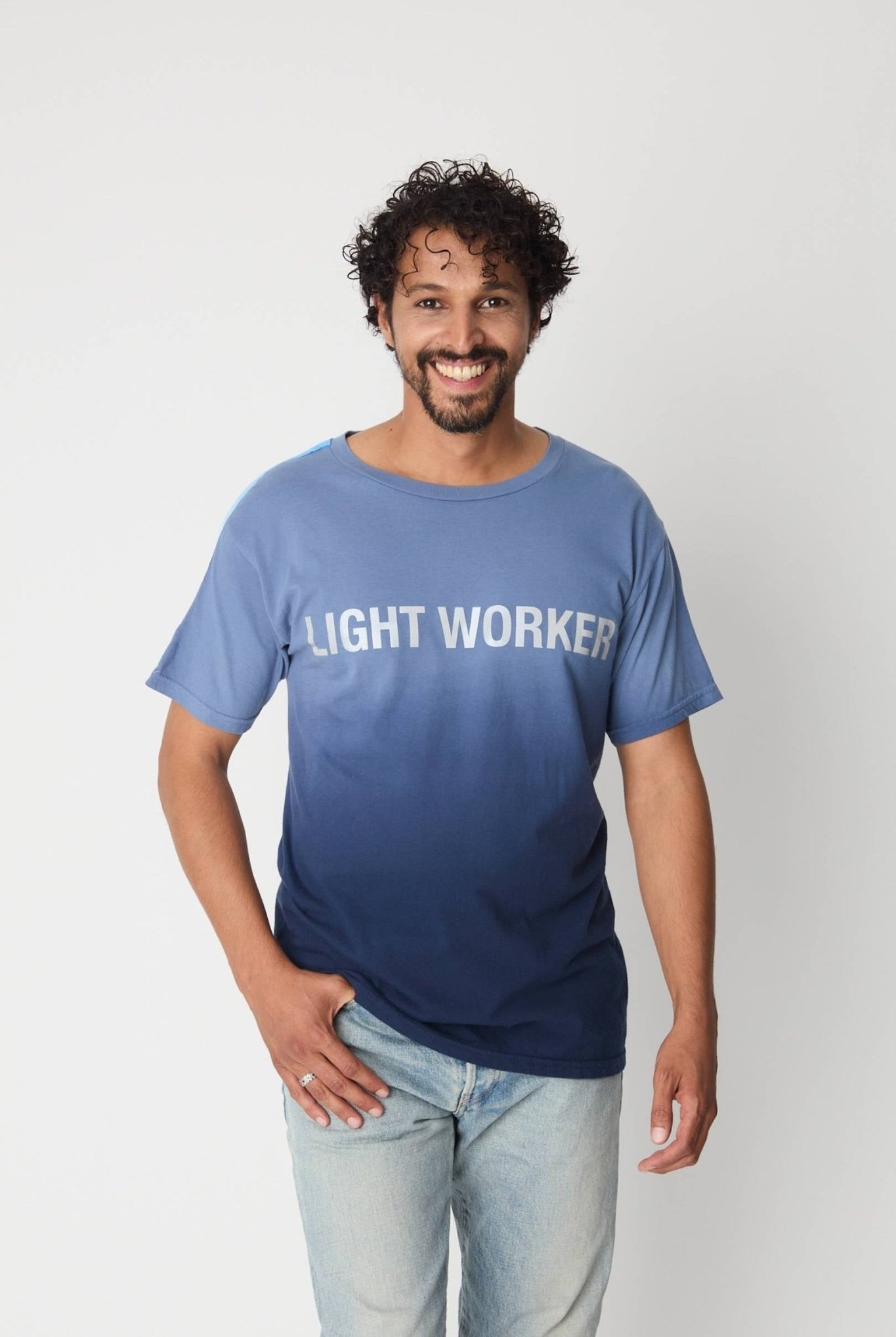
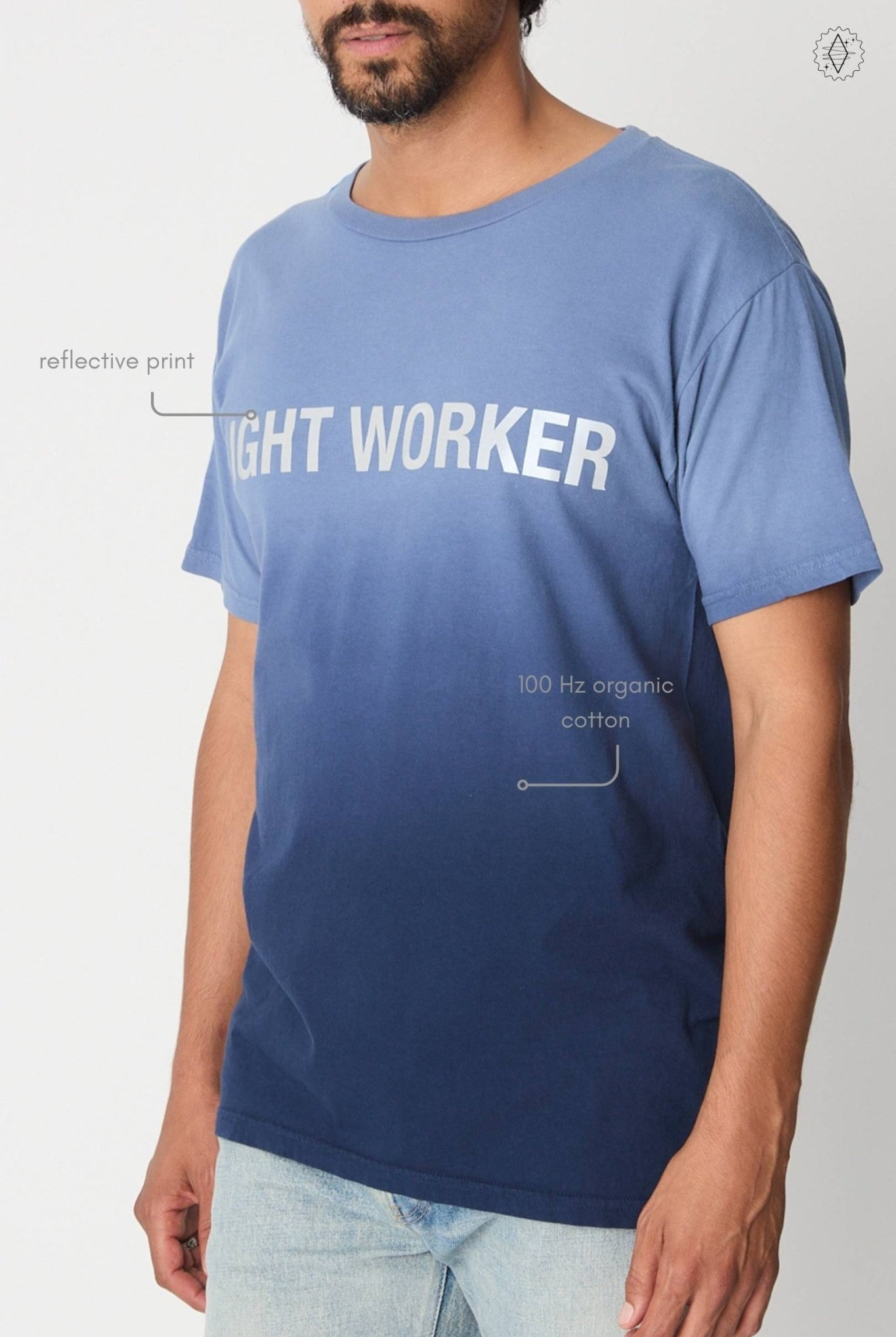
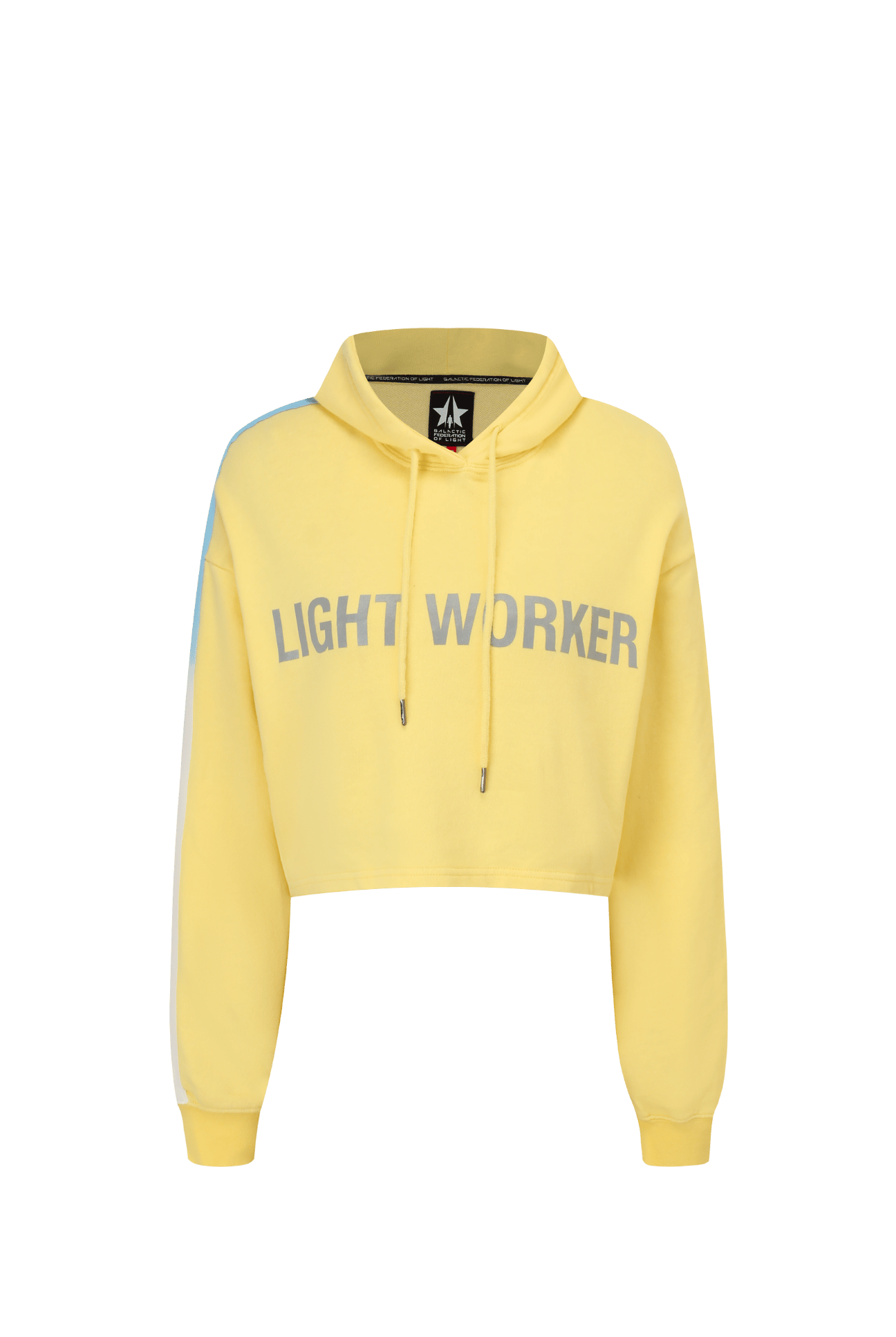
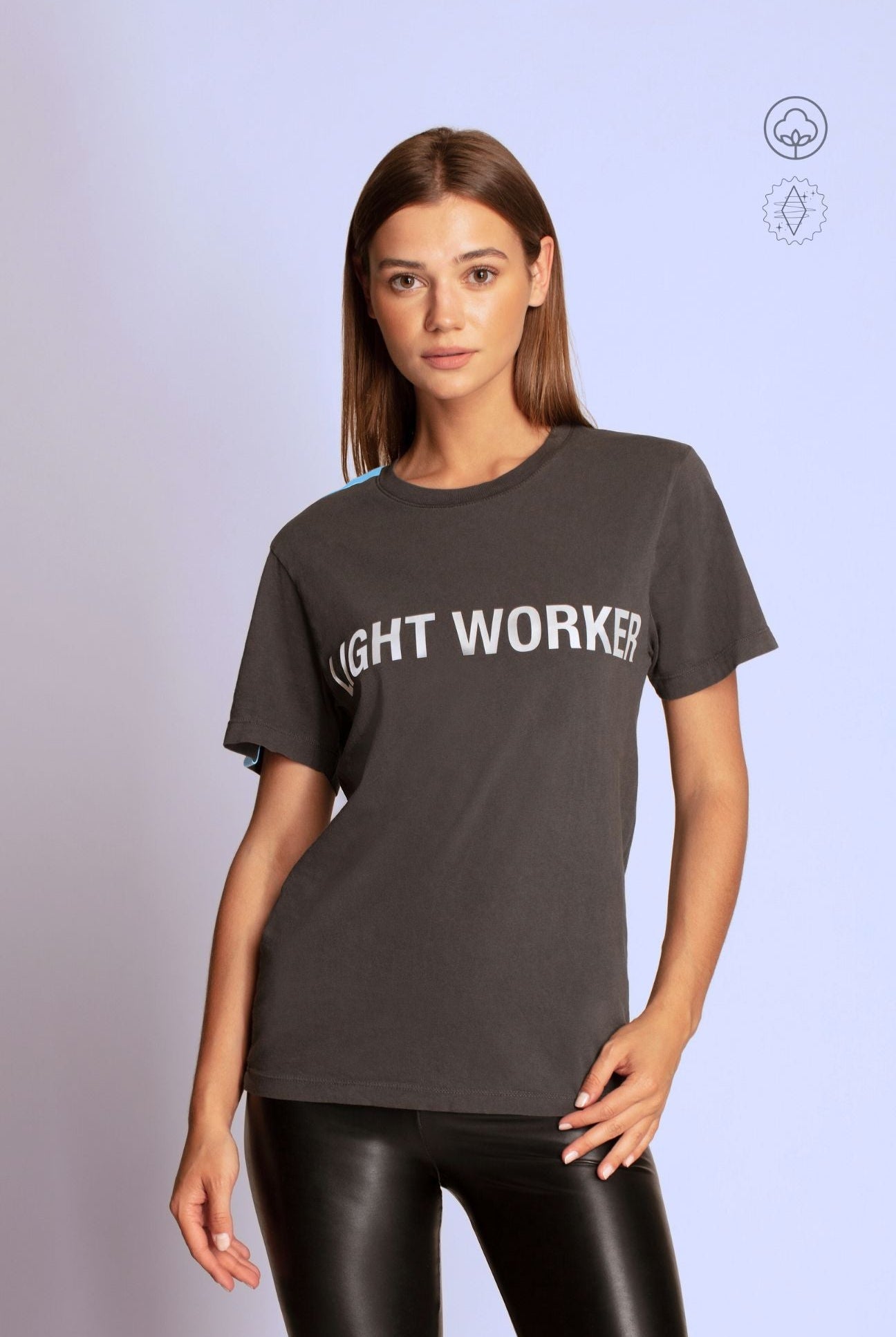
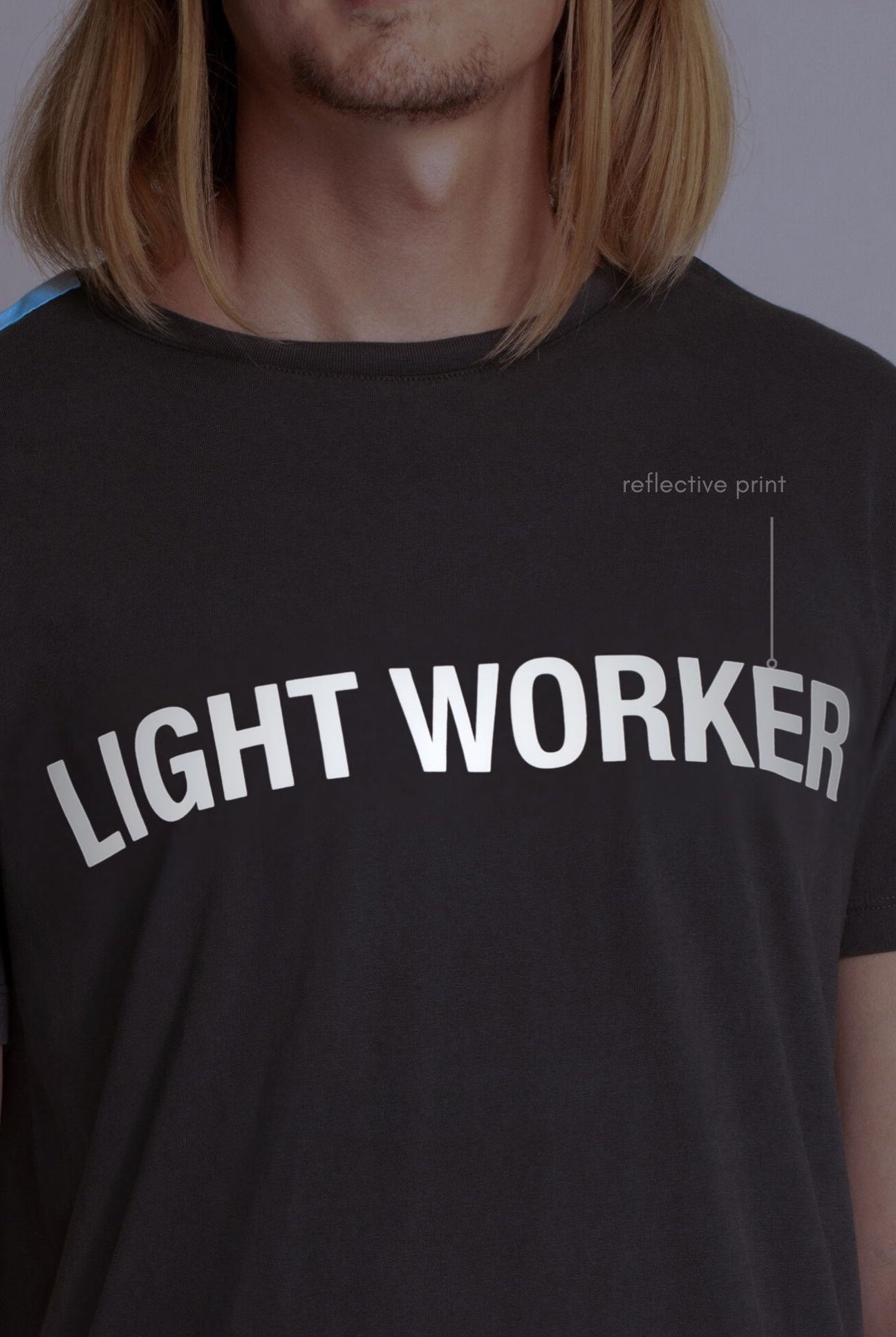
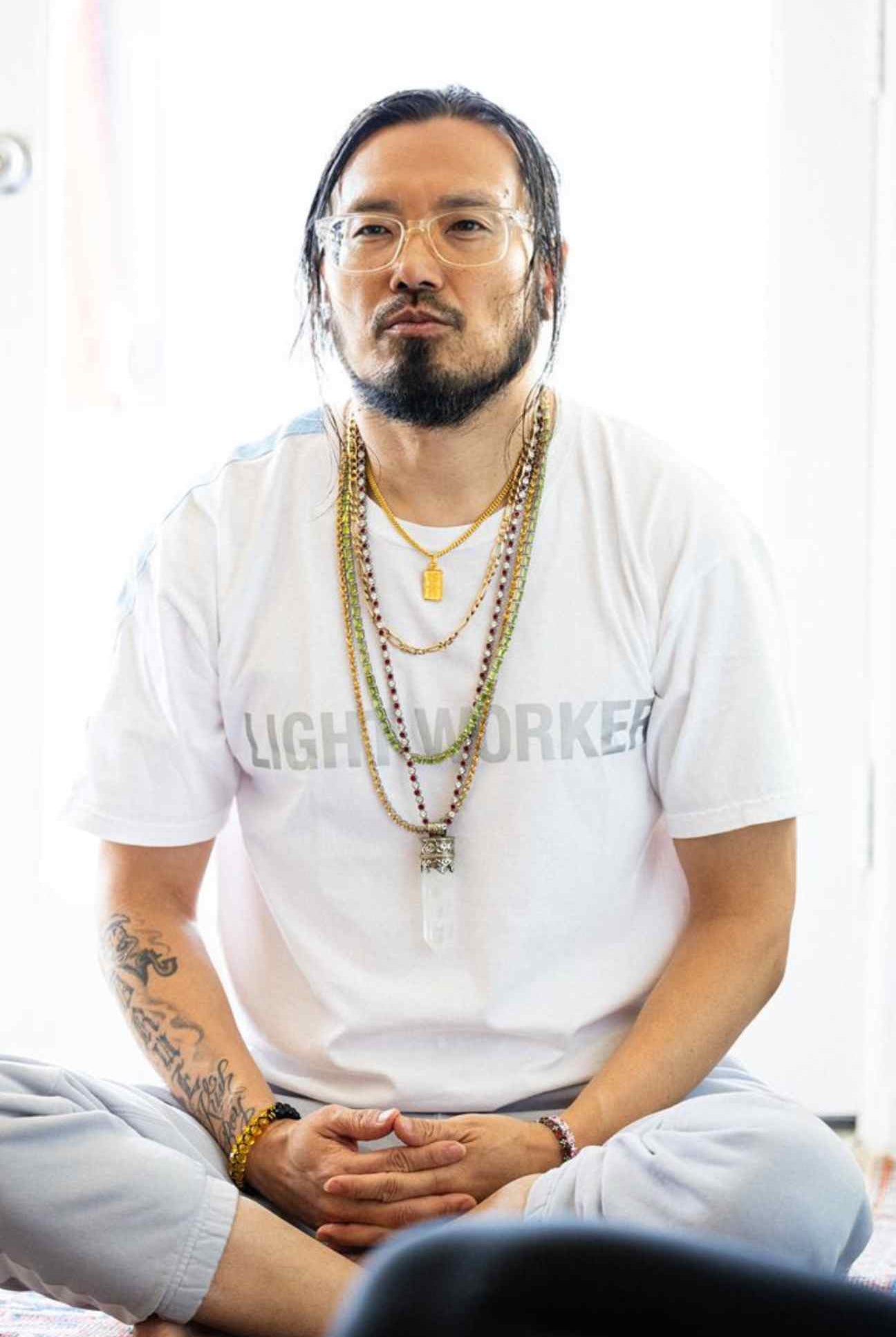
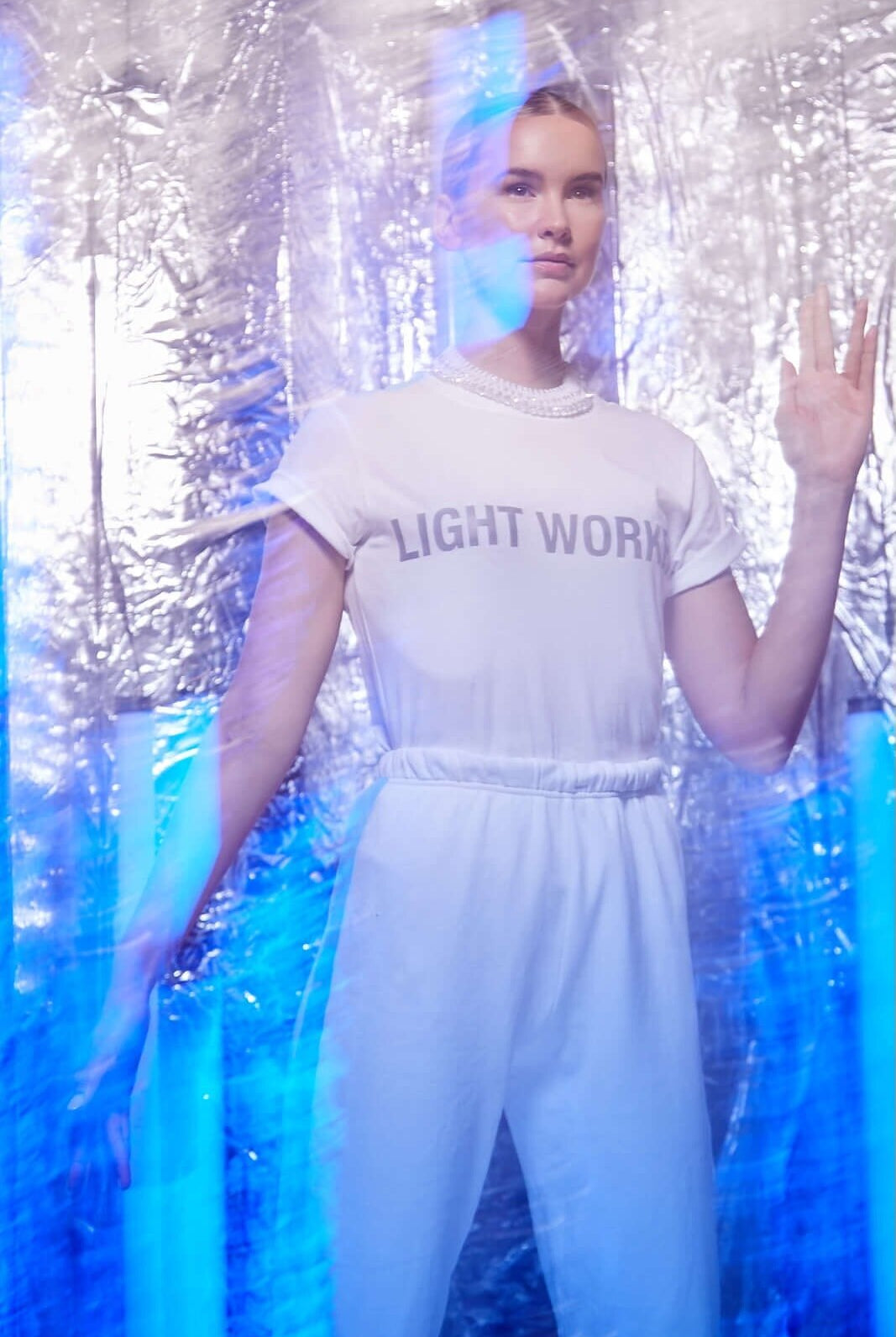
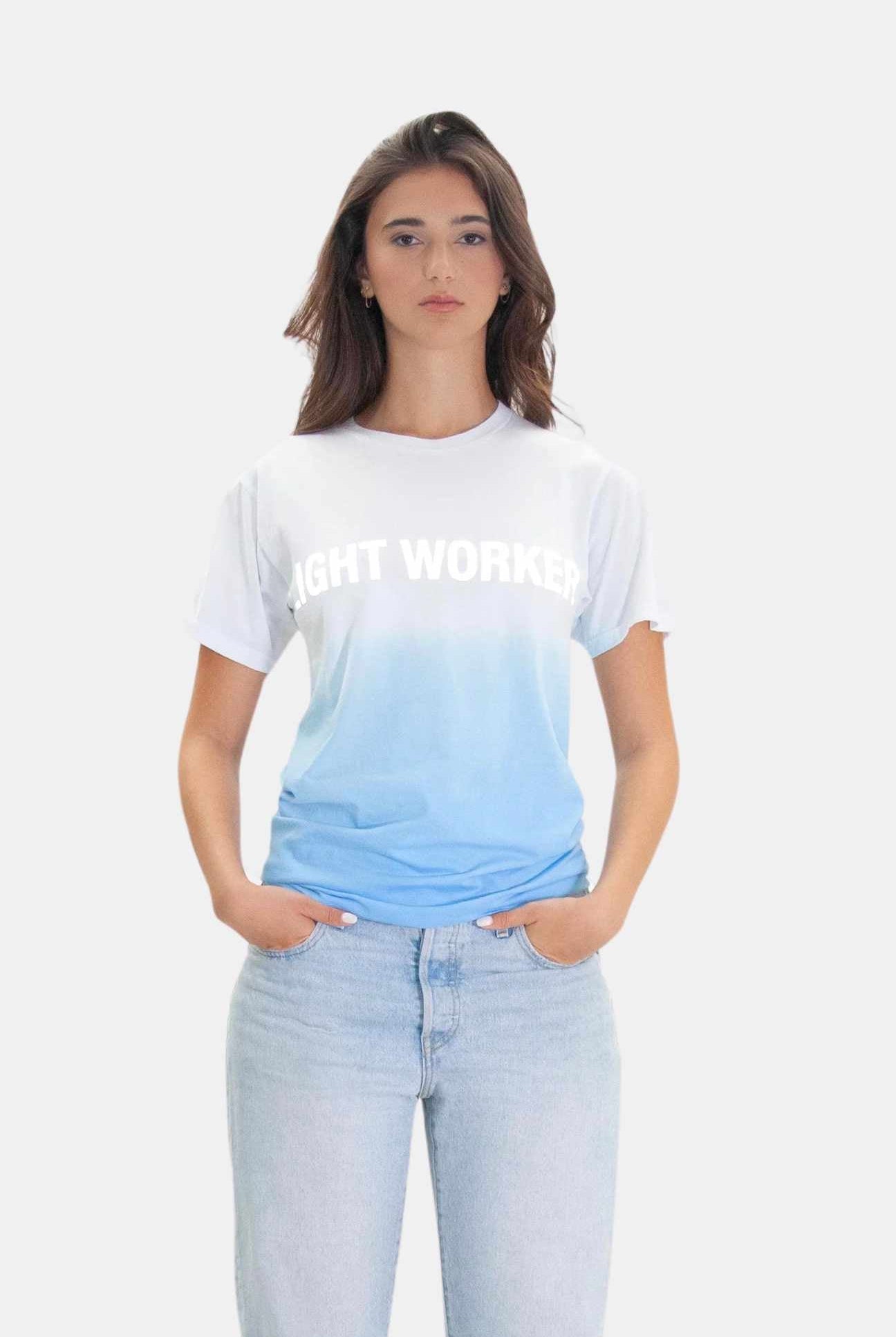
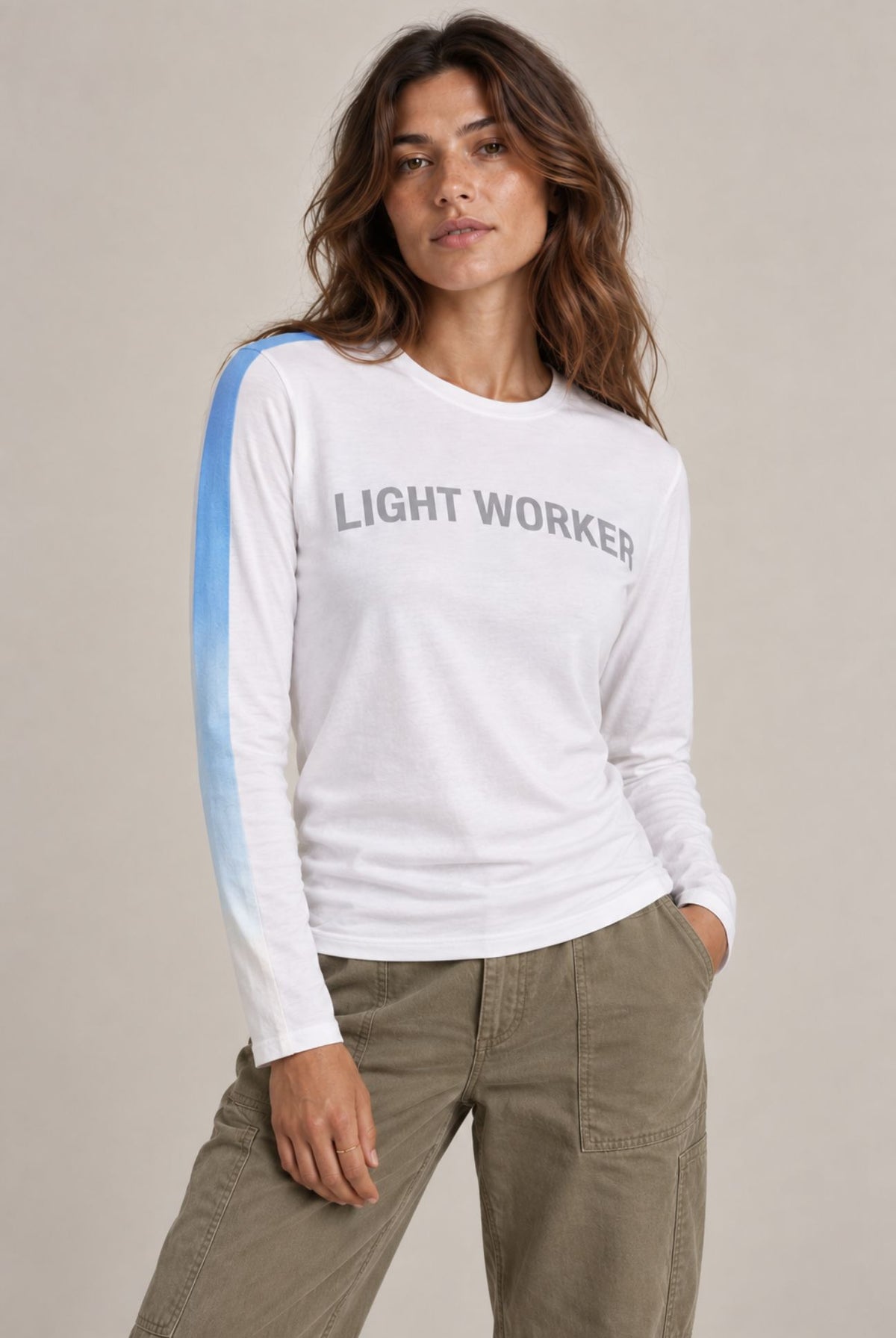
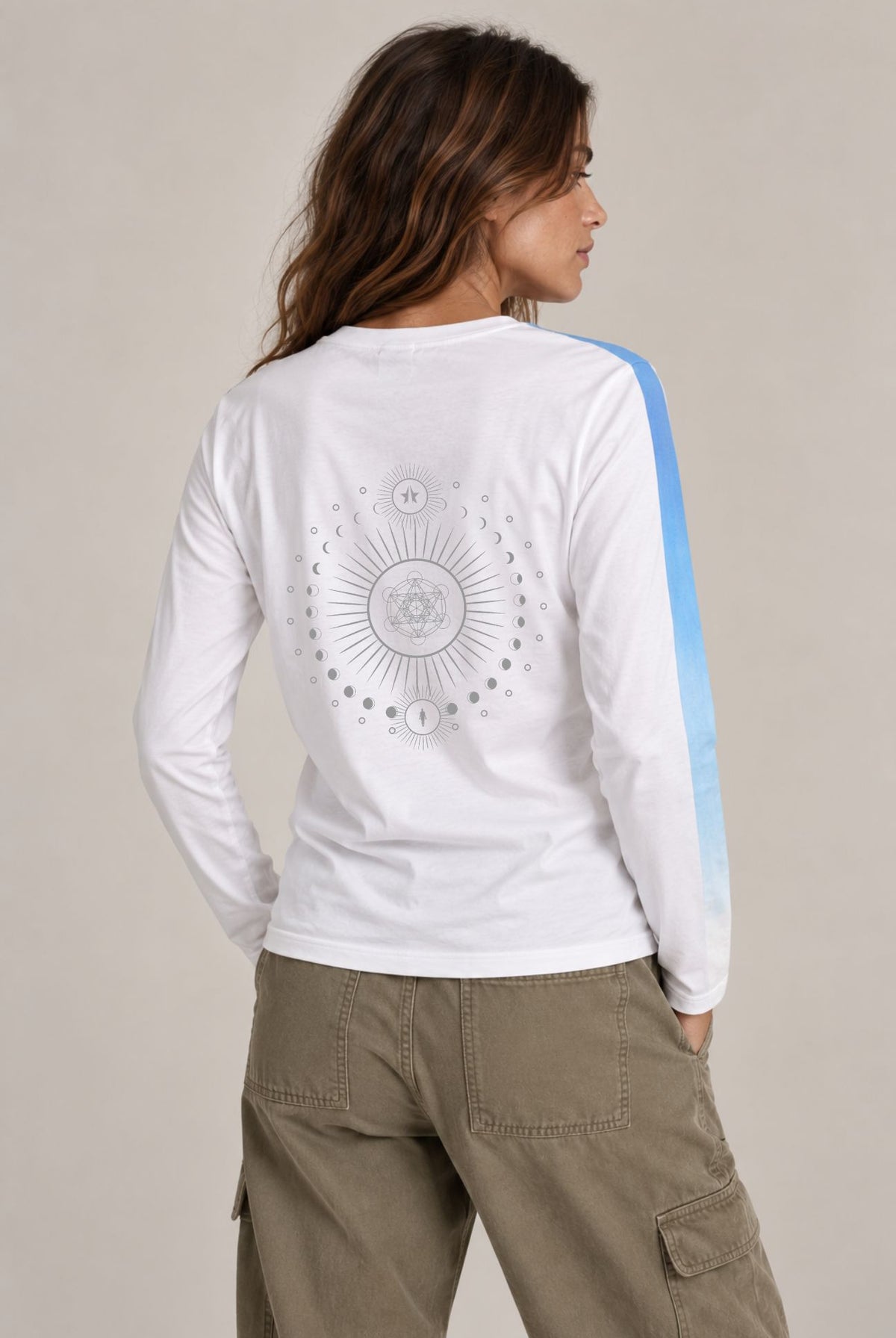
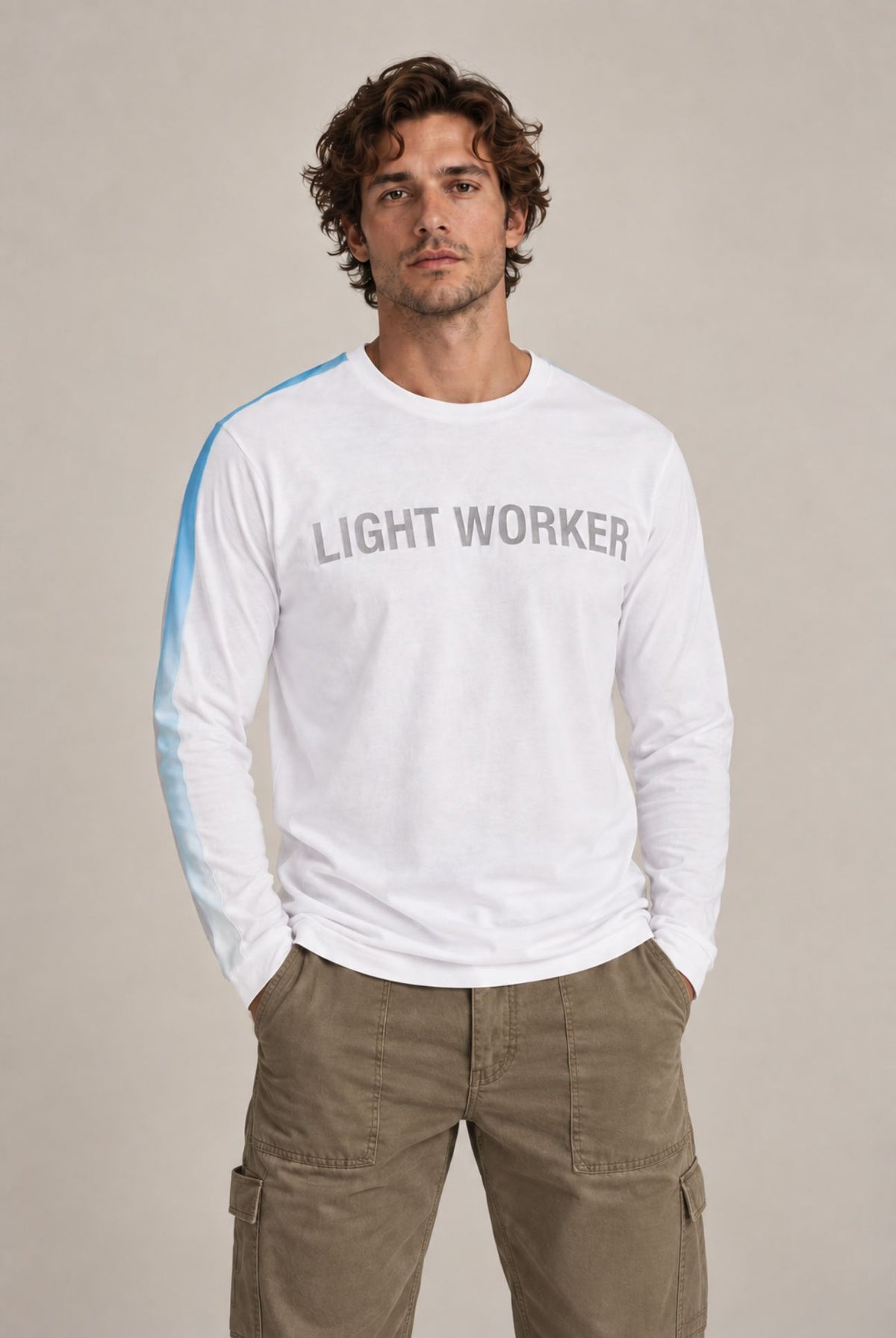
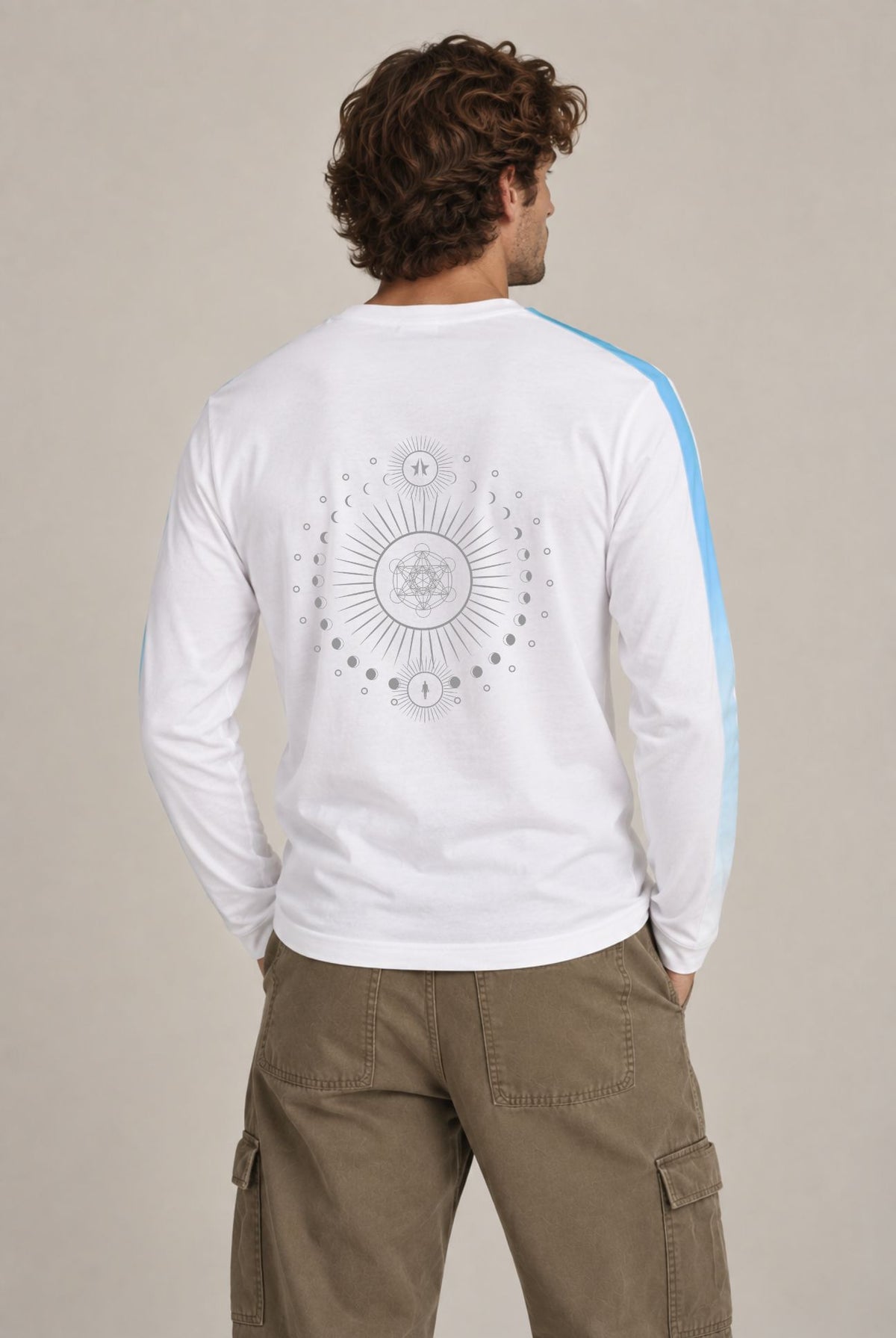
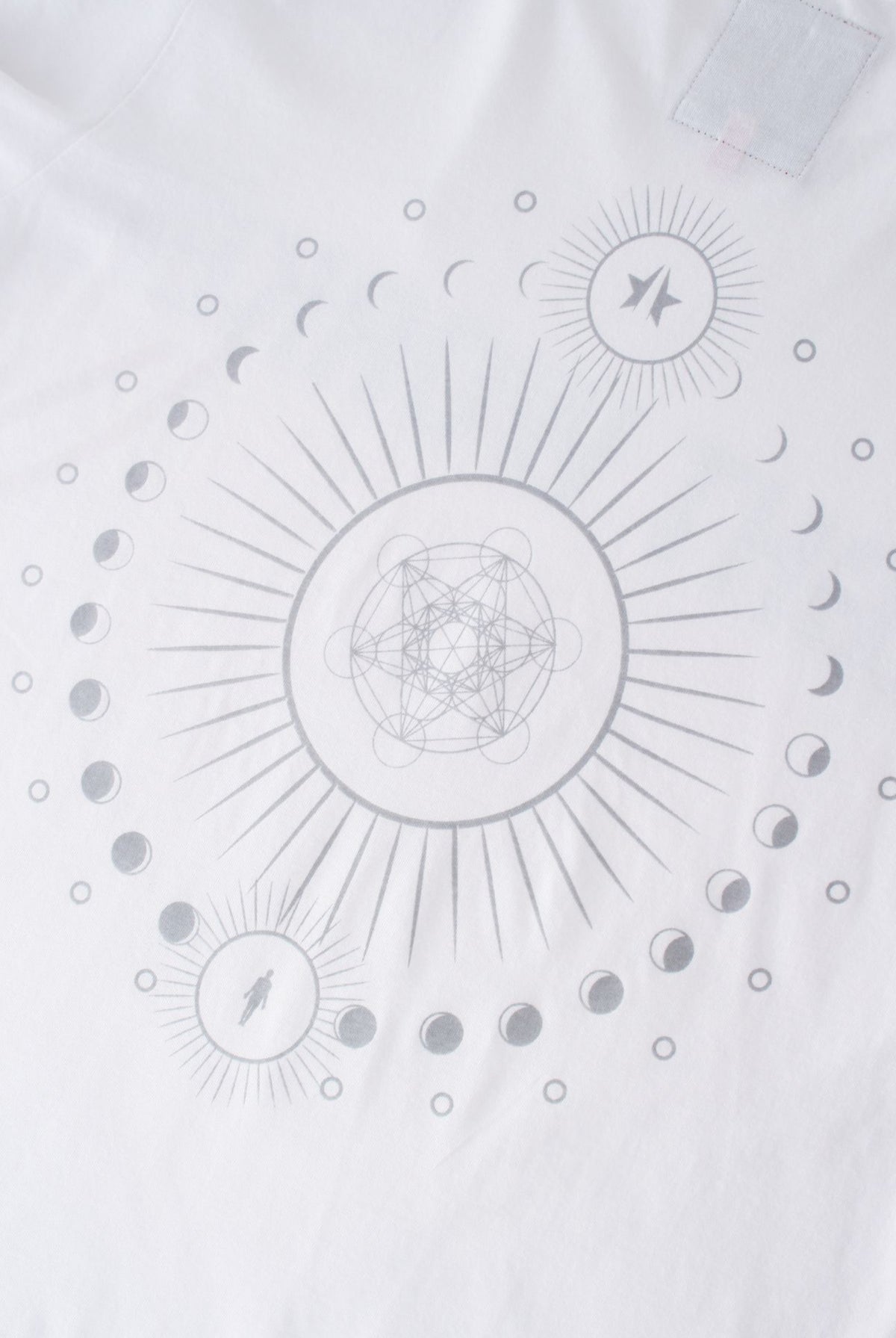
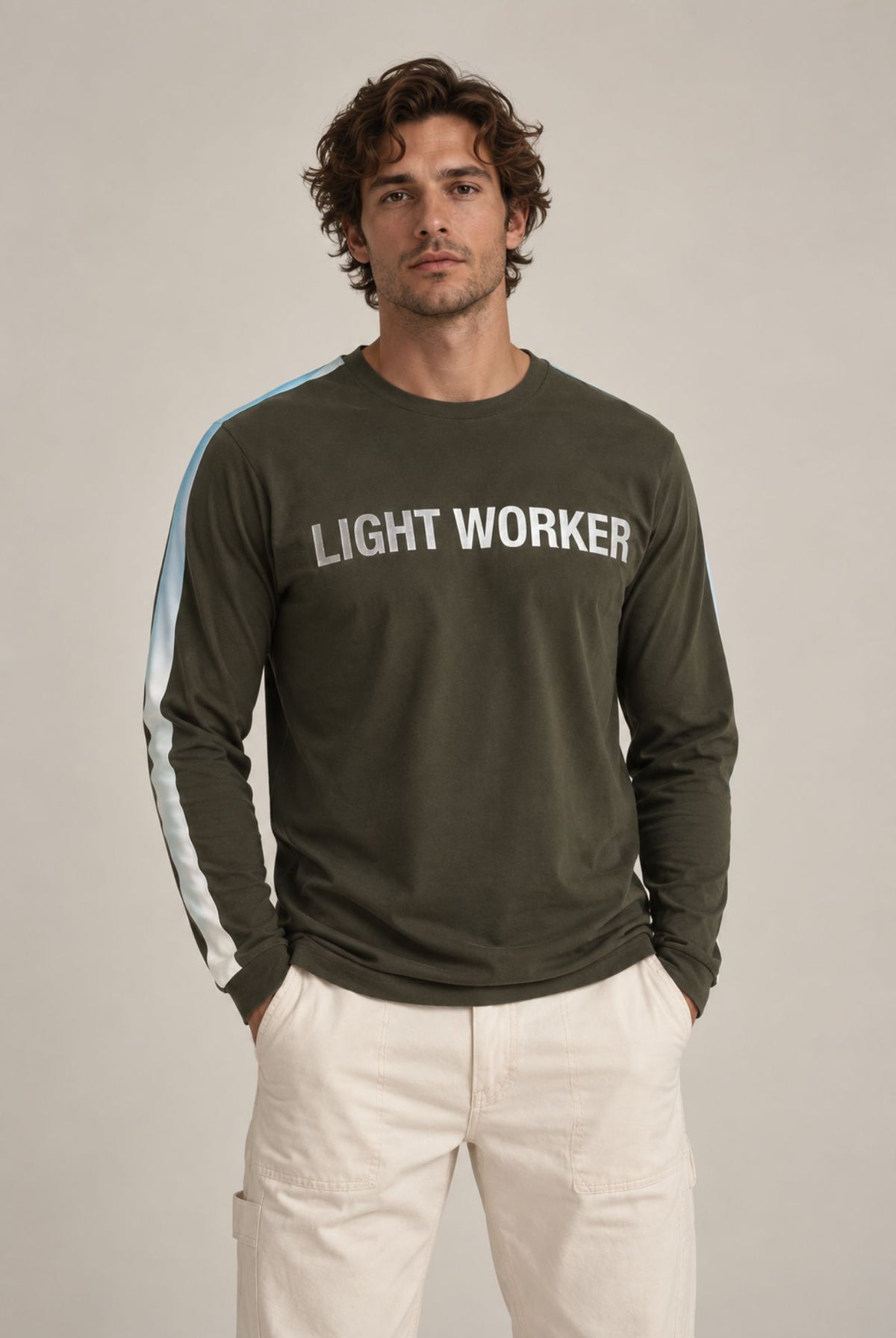
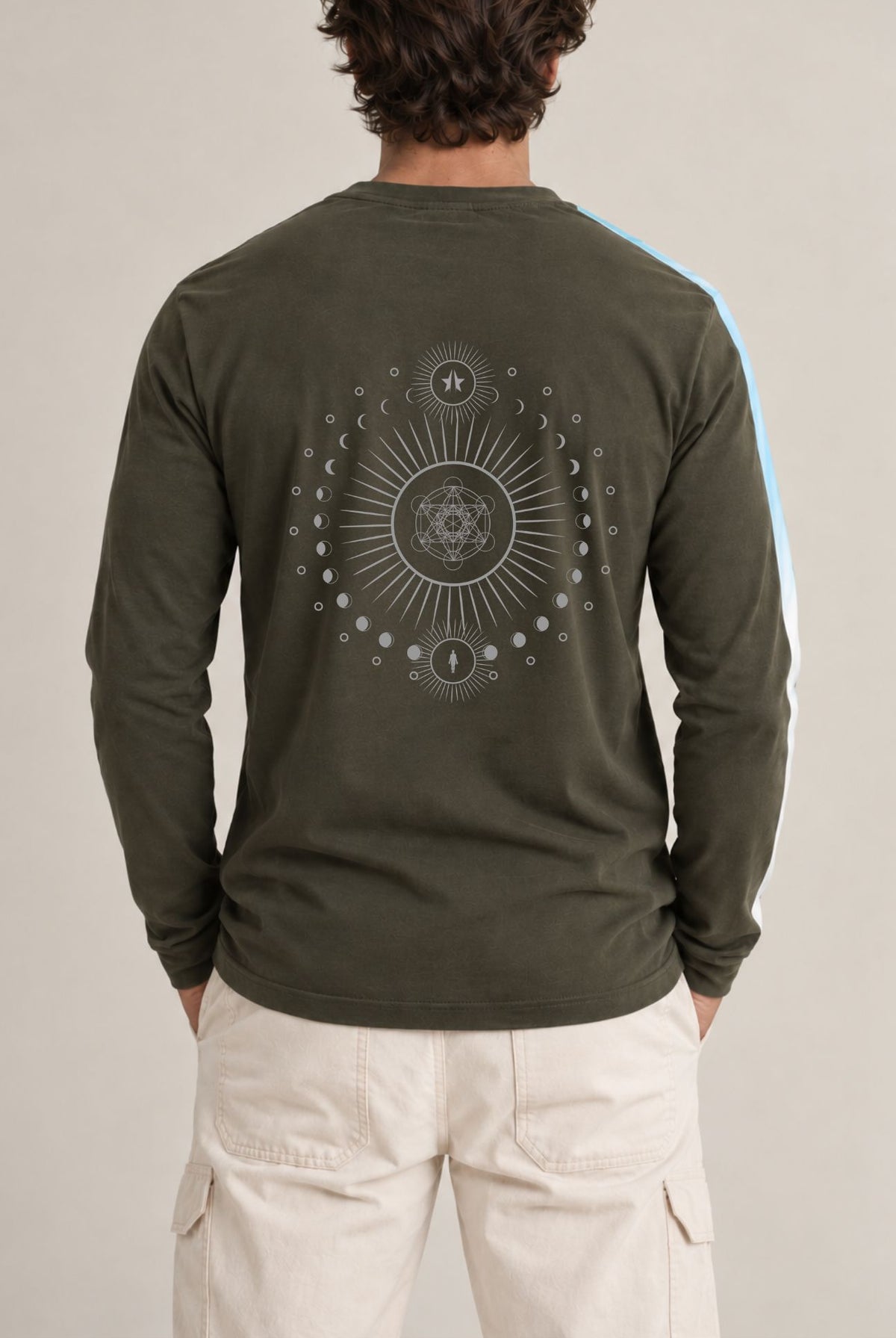
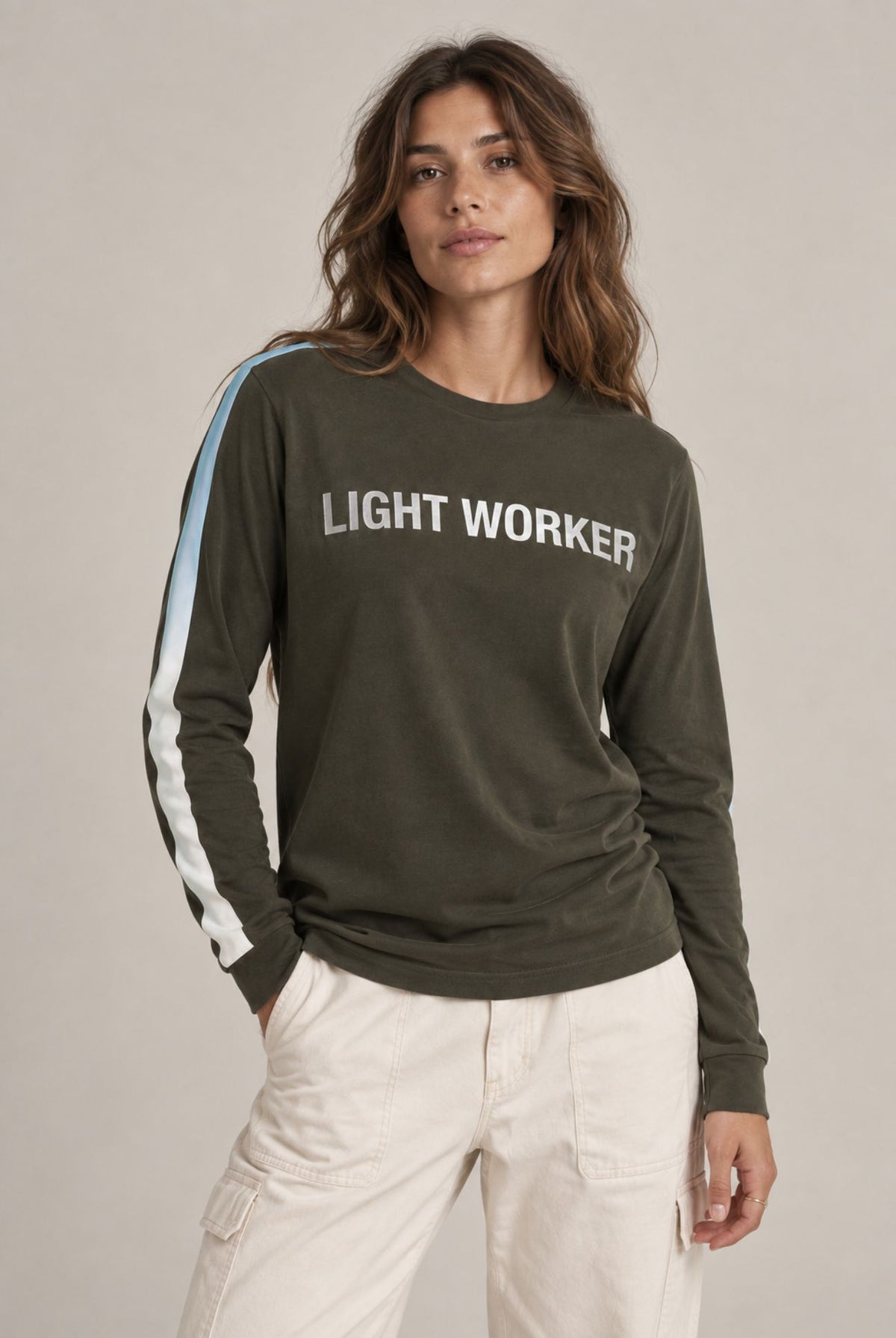
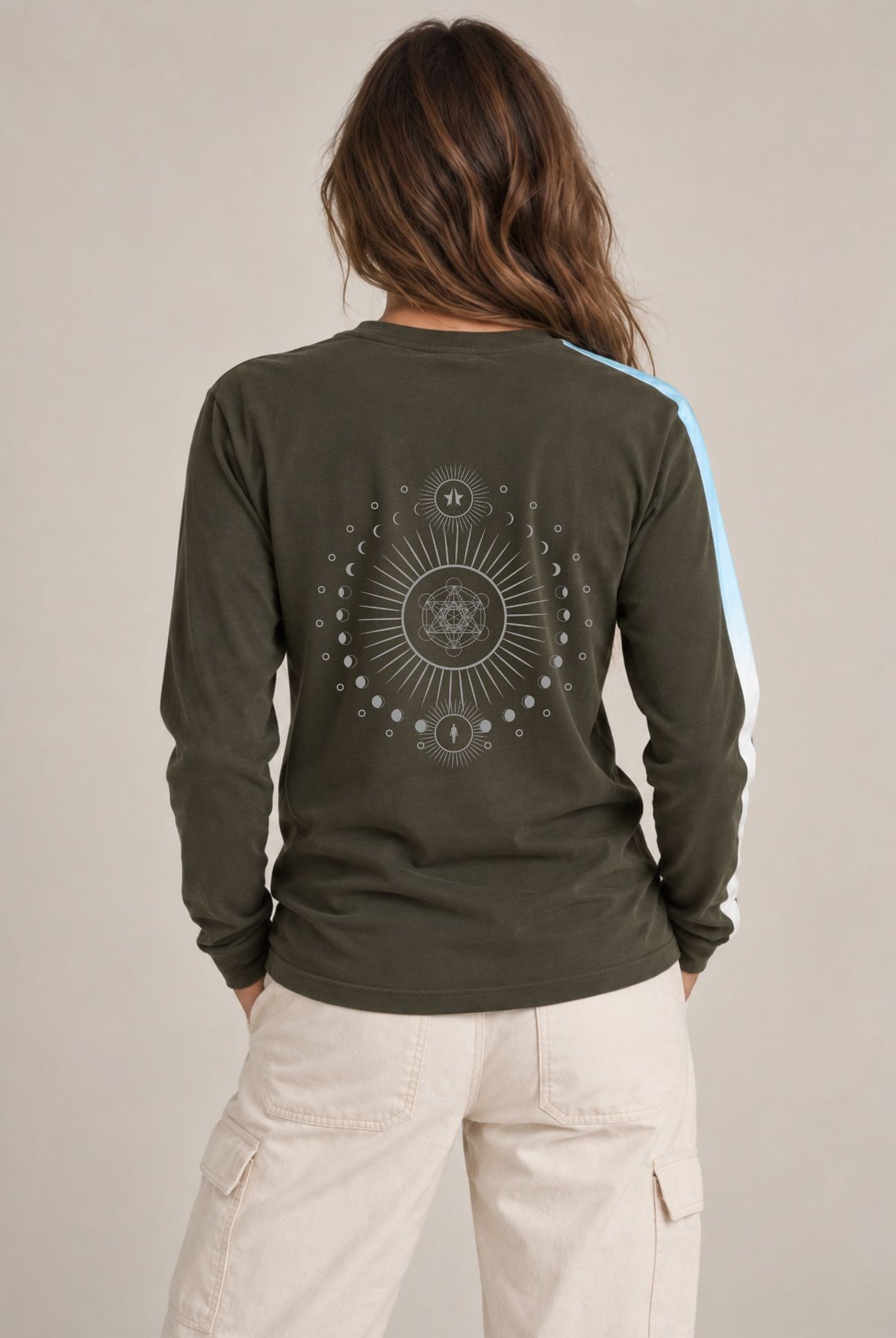
The Light Worker Long Sleeve was created around that idea—a wearable reminder of the energy you choose to bring into the world.
Now restocked in Caladan + Lite Beam, just in time for the shift.

What Should You Do on the Autumn Equinox?
There is no single required autumn equinox ritual. Spiritually, you can use the day for reflection, gratitude, meditation, releasing what has completed its cycle and setting intentions for the season ahead. Some people spend time in nature, create seasonal altars or gather for a meal, while others simply use the equinox as a personal checkpoint.
Conclusion
The autumn equinox lasts only a moment. The Sun crosses the celestial equator, the balance shifts, and Earth continues on its orbit.
Maybe that is part of what makes the equinox so meaningful. Balance was never meant to be a permanent state.
We move through seasons of expansion and retreat, light and darkness, holding on and letting go. The equinox doesn't ask us to remain perfectly centered through all of it. It simply gives us a moment to notice where we are in the cycle—and to choose what we carry forward.
As the Northern Hemisphere moves into longer nights, consider what has reached its harvest, what has completed its season, and what still deserves your light.
Then cross the threshold consciously.
As you prepare to welcome the transformative energy of the Autumn Equinox, explore the Galactic Federation of Light's Light Worker Clothing Collection for pieces that resonate with your journey, and visit our sign onto our newsletter to keep exploring the celestial cycles, cosmic events and turning points happening above us.
Frequently asked questions
Find answers to common questions about our products and services.
-
September 22 in U.S. time zones; exact time 5:05 PM PDT / 8:05 PM EDT, corresponding to September 23 at 00:05 UTC.
-
The Sun crosses the celestial equator from north to south, marking astronomical autumn in the Northern Hemisphere and spring in the Southern Hemisphere.
-
No. They're close, but usually not exactly equal because of atmospheric refraction and how sunrise and sunset are defined.
-
In contemporary spiritual practice, the equinox is commonly treated as a symbolic moment of balance, gratitude, harvest, introspection and release.
-
Equinox derives from Latin roots meaning “equal night,” referring to the near balance of daylight and darkness around the event.
-
No. It begins astronomical fall in the Northern Hemisphere and astronomical spring in the Southern Hemisphere.
Expand Your Knowledge of the Esoteric

MK Ultra Mind Control: What the CIA Actually Tried- and What We Still Don't Know
149 subprojects, secret LSD experiments, unwitting subjects- and records deliberately destroyed. What did MK Ultra actually discover about the human mind?