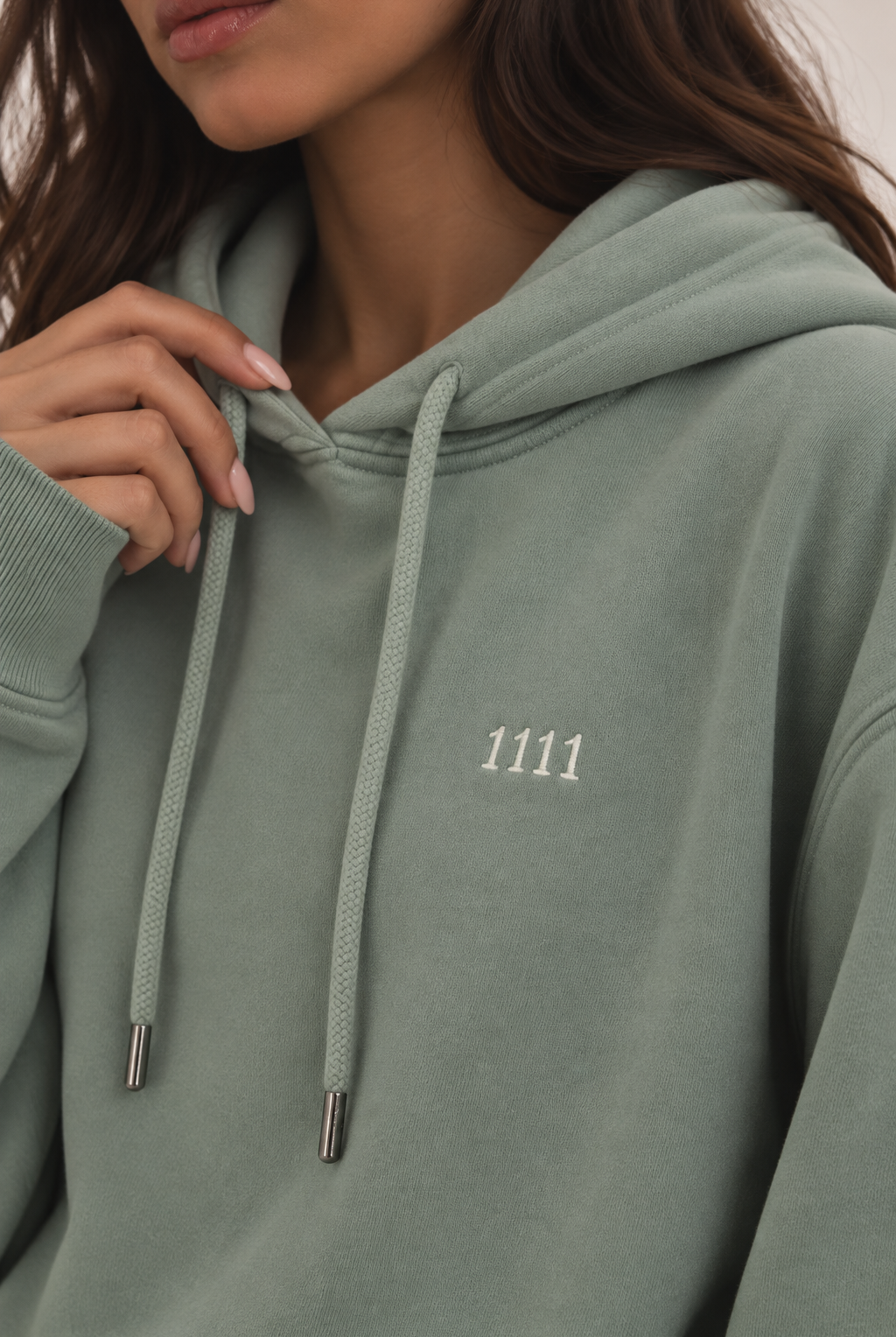
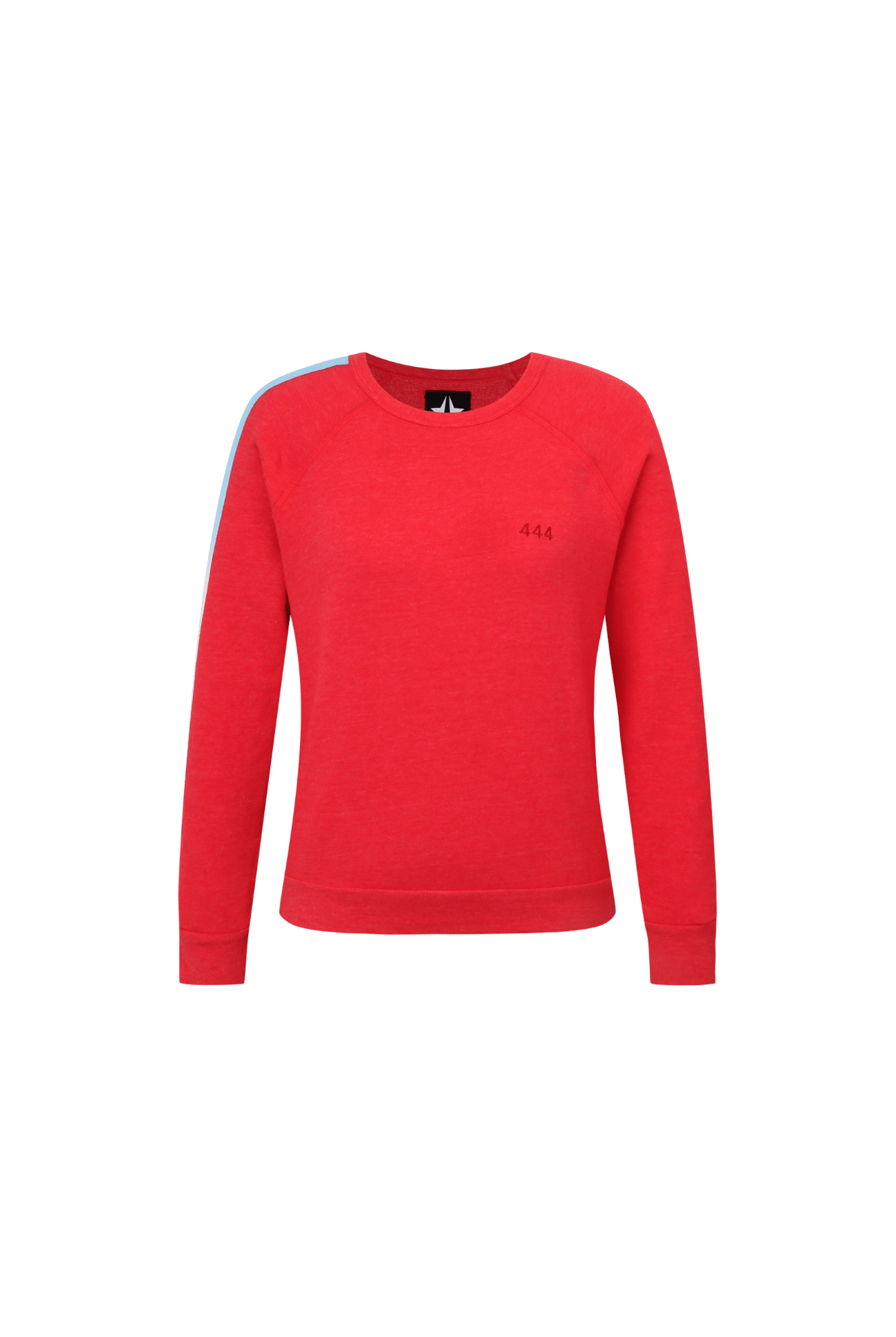
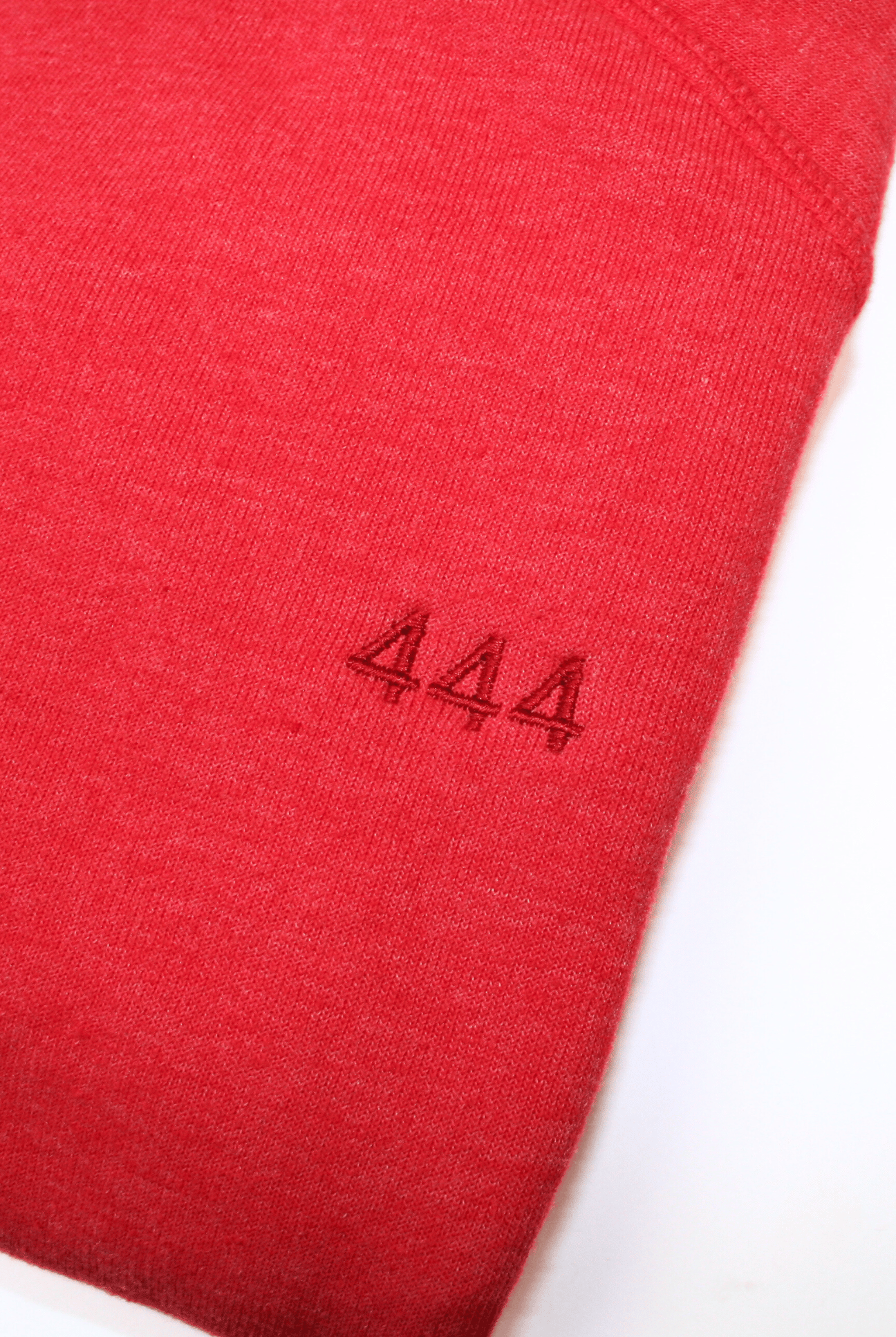
Organic cotton is cotton grown under certified organic agricultural standards that prohibit most synthetic pesticides and genetically modified (GMO) seeds. Organic cotton farming supports soil health and local ecosystems. However, an organic cotton claim does not automatically cover every dye, finish, or component used in the finished garment.
How Organic Cotton Is Grown and Certified
Organic cotton is grown and certified under regulated production standards overseen by organizations like the USDA. “USDA organic” is a regulated production claim. The core rules of this cultivation mandate that synthetic substances are prohibited unless specifically allowed on the National List, and even natural substances can face restrictions. Further, farmers are forbidden from using genetically modified methods or seeds.
Independent certifiers verify that these complex practices are followed step-by-step. Because farming relies on chemistry and approved organic inputs, describing the resulting crop as totally “chemical-free cotton” would be inaccurate.

What Organic Cotton Means on a Clothing Label
What organic cotton means on a clothing label depends on whether the organic cotton claim refers exclusively to the raw fiber or to the finished textile. A label might state the exact percentage of organic fiber used, but the USDA seal may only appear when specific processing standards are met. Check the fiber-content percentages required by the FTC Textile Fiber Rule, especially when looking at fabric blends.
Keep in mind that a garment is more than a piece of woven plant matter. Buttons, zippers, prints, dyes, and surface treatments applied to the piece often fall outside what the cotton-fiber claim tells us.
Organic Cotton, Non-Toxic Clothing, and Non-Toxic Activewear
When comparing organic cotton, non-toxic clothing, and non-toxic activewear, the key distinction is that organic agricultural certification addresses how the cotton crop is produced, whereas non-toxic clothing and non-toxic activewear involve the entire garment and every step of manufacturing.
Non-toxic activewear often incorporates extra stretch fibers or special moisture-management treatments to handle sweat. Manufacturers may also apply water resistance or stain resistance treatments. Organic cotton content alone does not disclose these additions or establish whether the finished activewear is non-toxic. The EPA notes that certain textile finishes, like PFAs, are widely used. While not every garment contains PFAS, this reality highlights why we need to look at the dyes and performance finishes when seeking truly supportive clothing for our spiritual and physical journeys.
What Organic Cotton Can and Cannot Tell You
What organic cotton can and cannot tell you depends on the boundaries of the certification. An organic cotton label can support certified agricultural practices, traceability within that specific certified scope, and the verified organic-fiber content of the material.
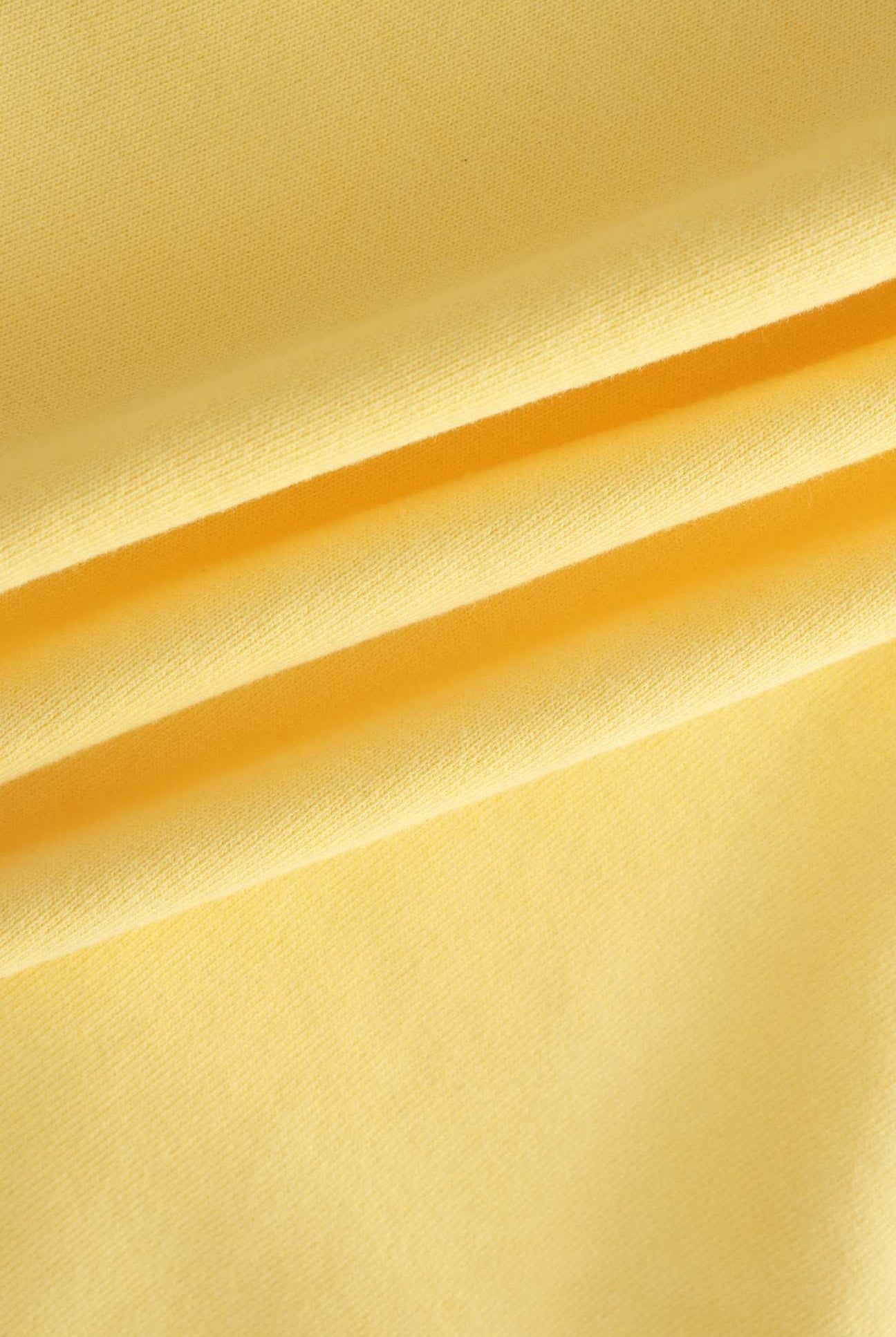
However, it can’t always guarantee universal environmental claims. The actual water use, carbon emissions, skin health implications, or complete freedom from pesticides depend largely on the specific farming location, the manufacturing process, the final product design, and the specific comparison. Similarly, the ultimate comfort, breathability, durability, and suitability for exercise also depend on the specific knit or weave, the garment’s weight, the fit, the blend, and the finishing techniques.

How to Choose Organic Cotton Clothing
Choosing organic cotton clothing starts with reading the details closely so you can dress with true intention and awareness. Start by checking the fiber percentages on the tag. Identify the specific certification or standard named, and check whether that claim applies only to the raw fiber or to the finished product as a whole. You’ll also want to review any dyes or performance finishes if absolute purity matters to your daily energetic practice.
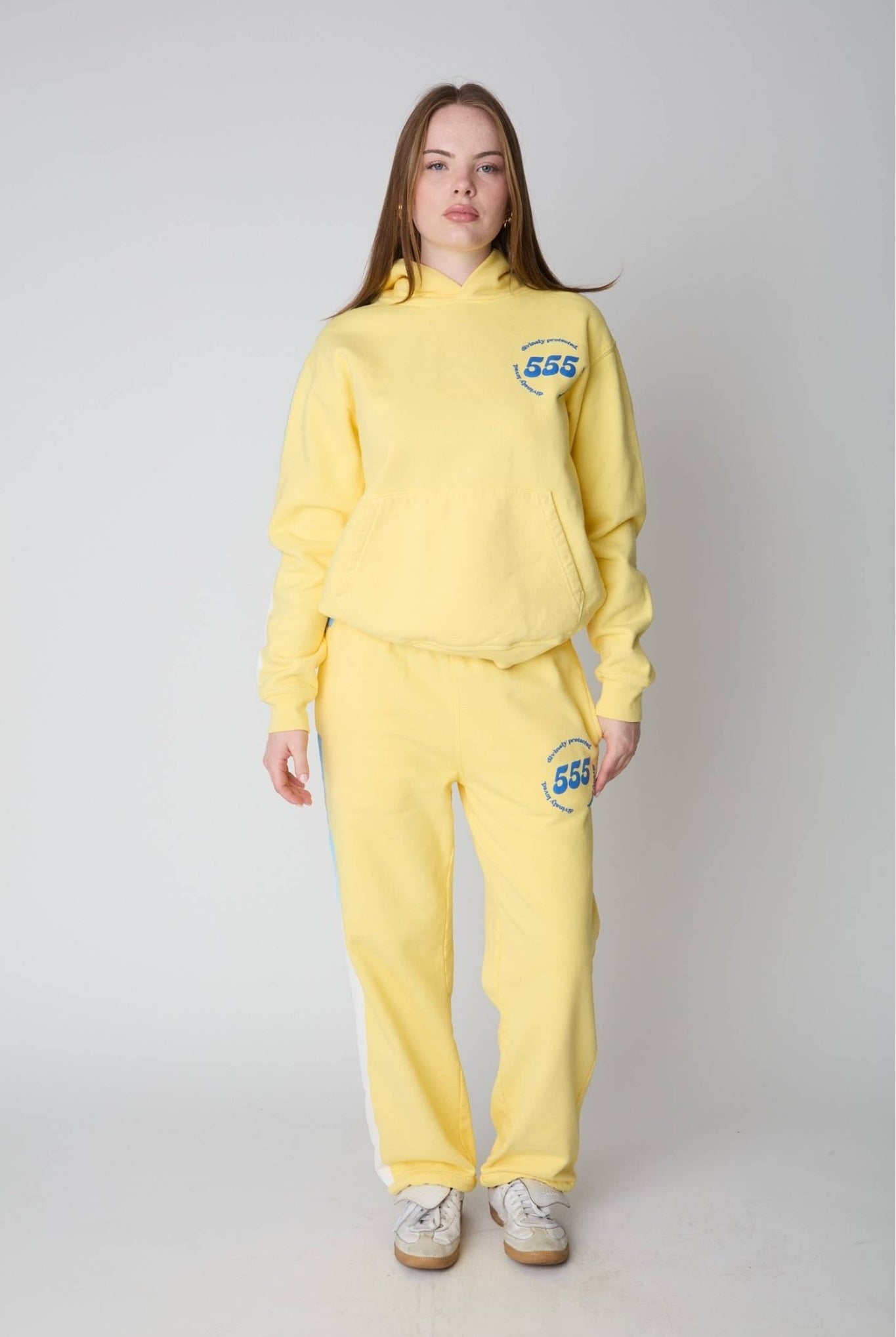
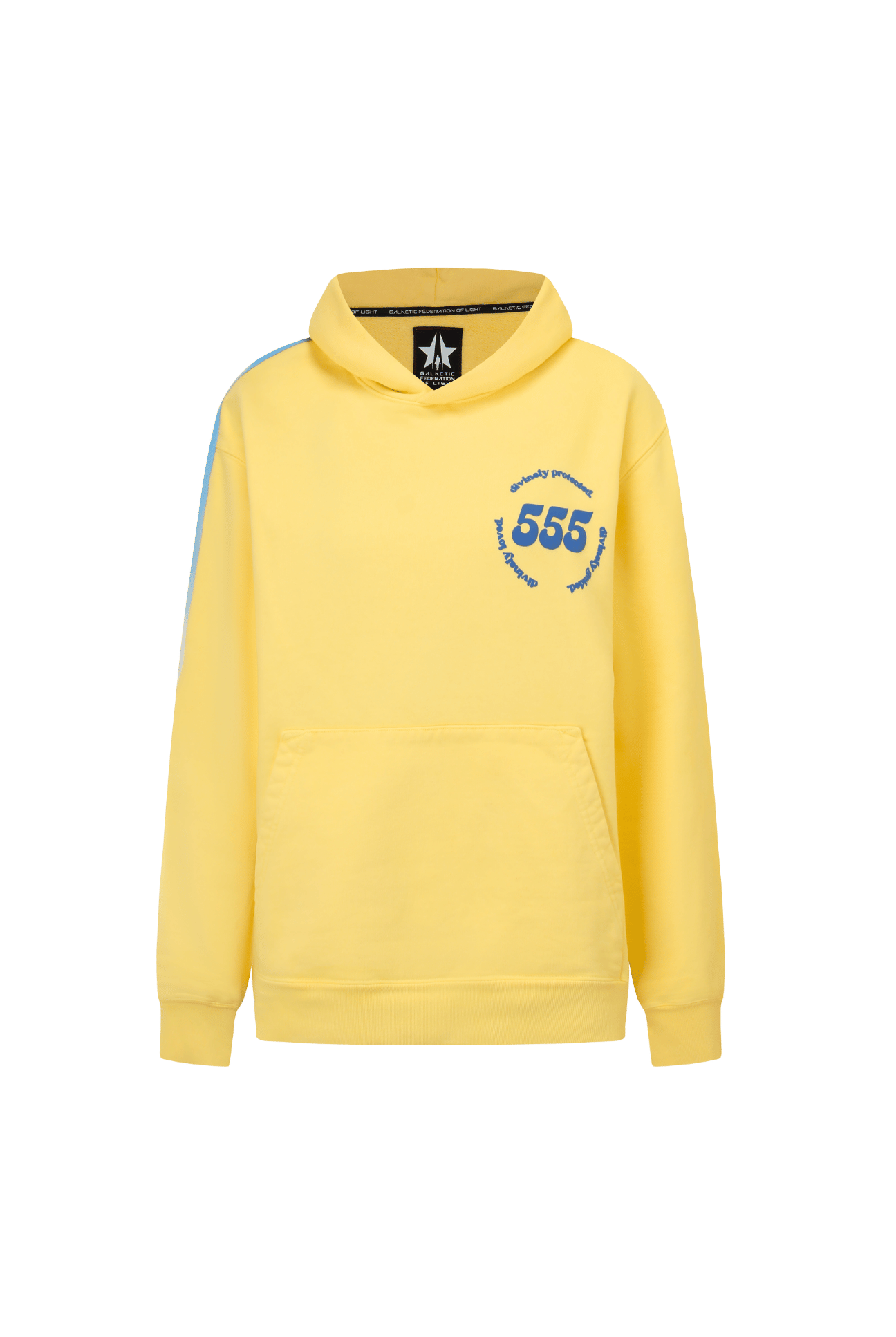
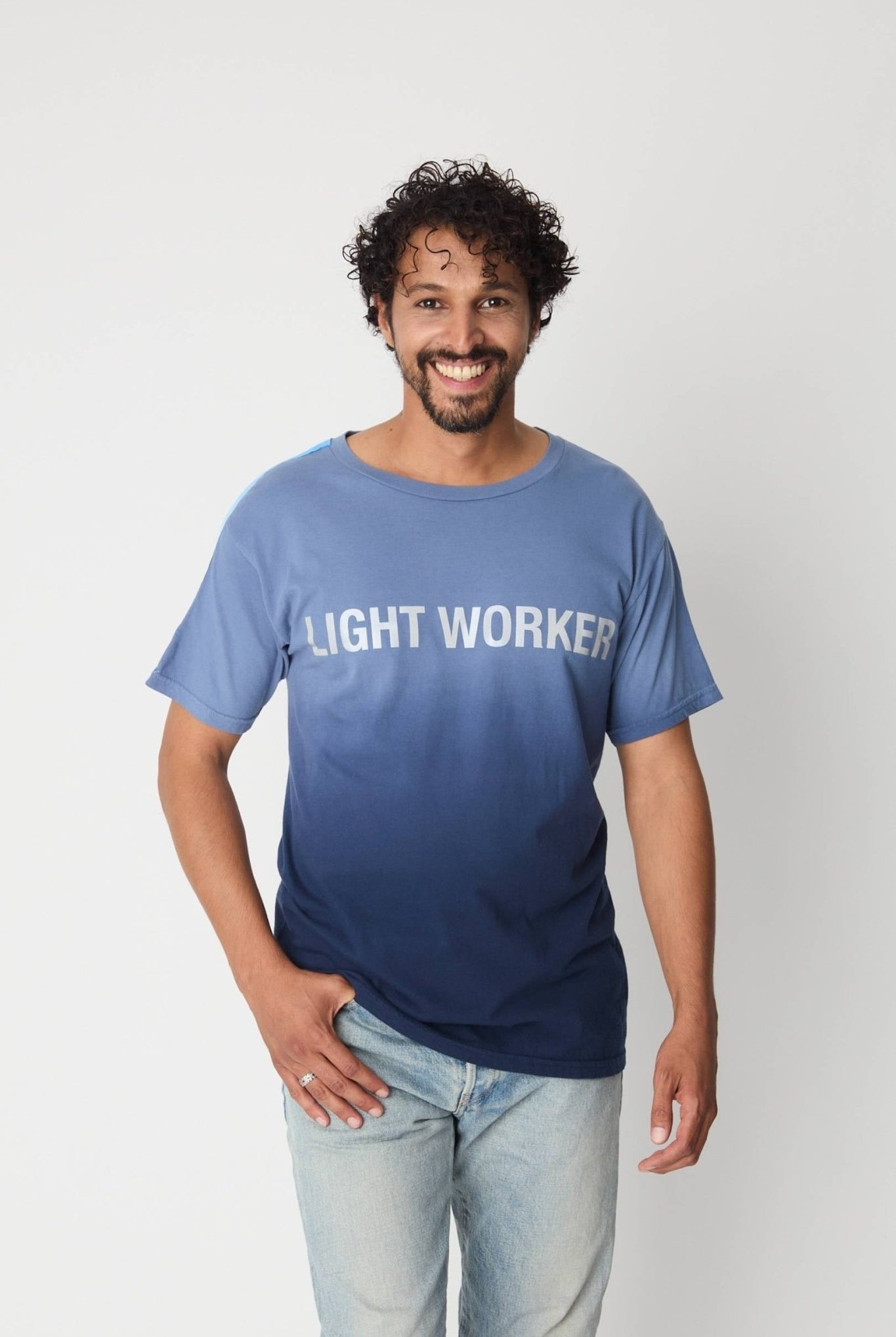
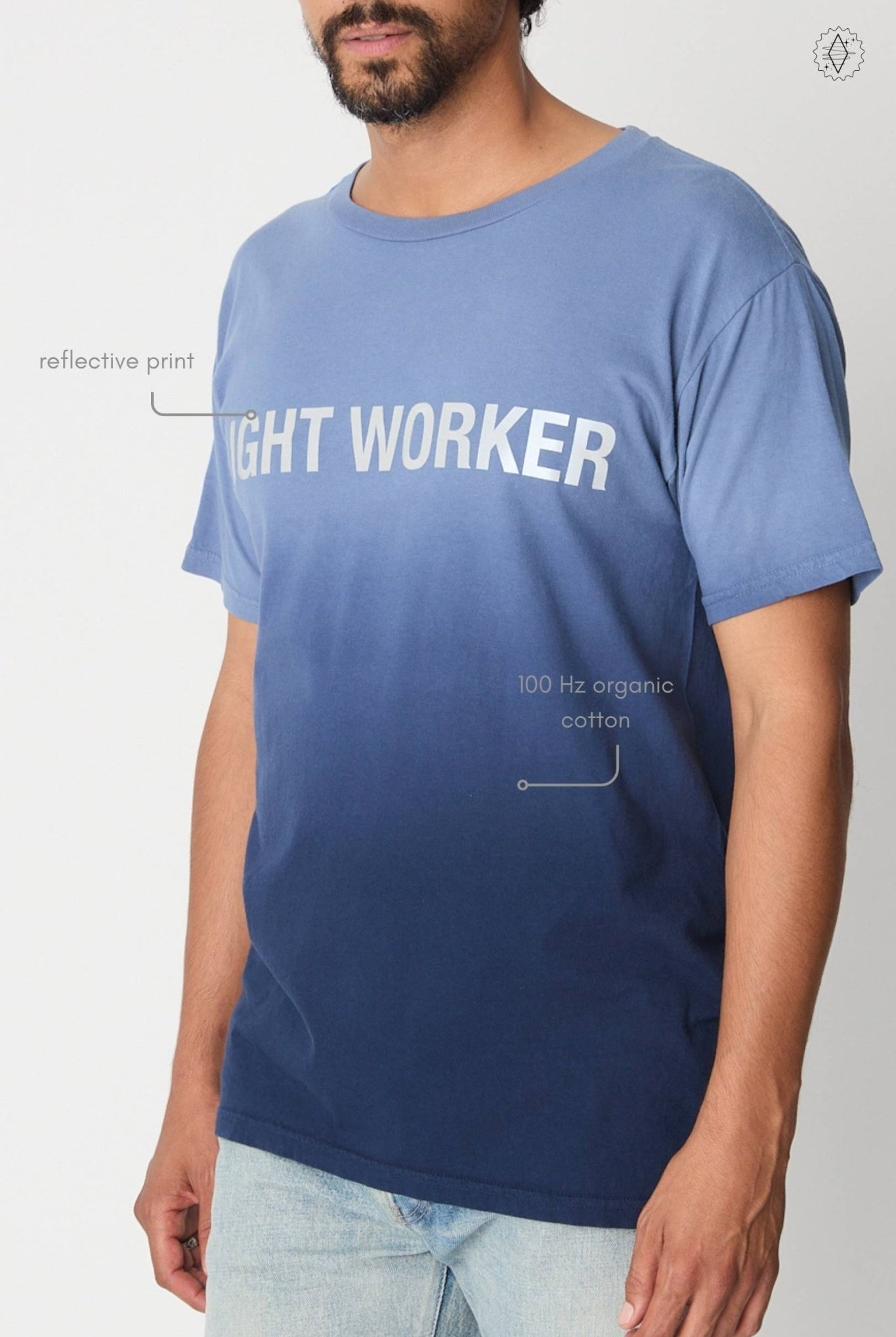
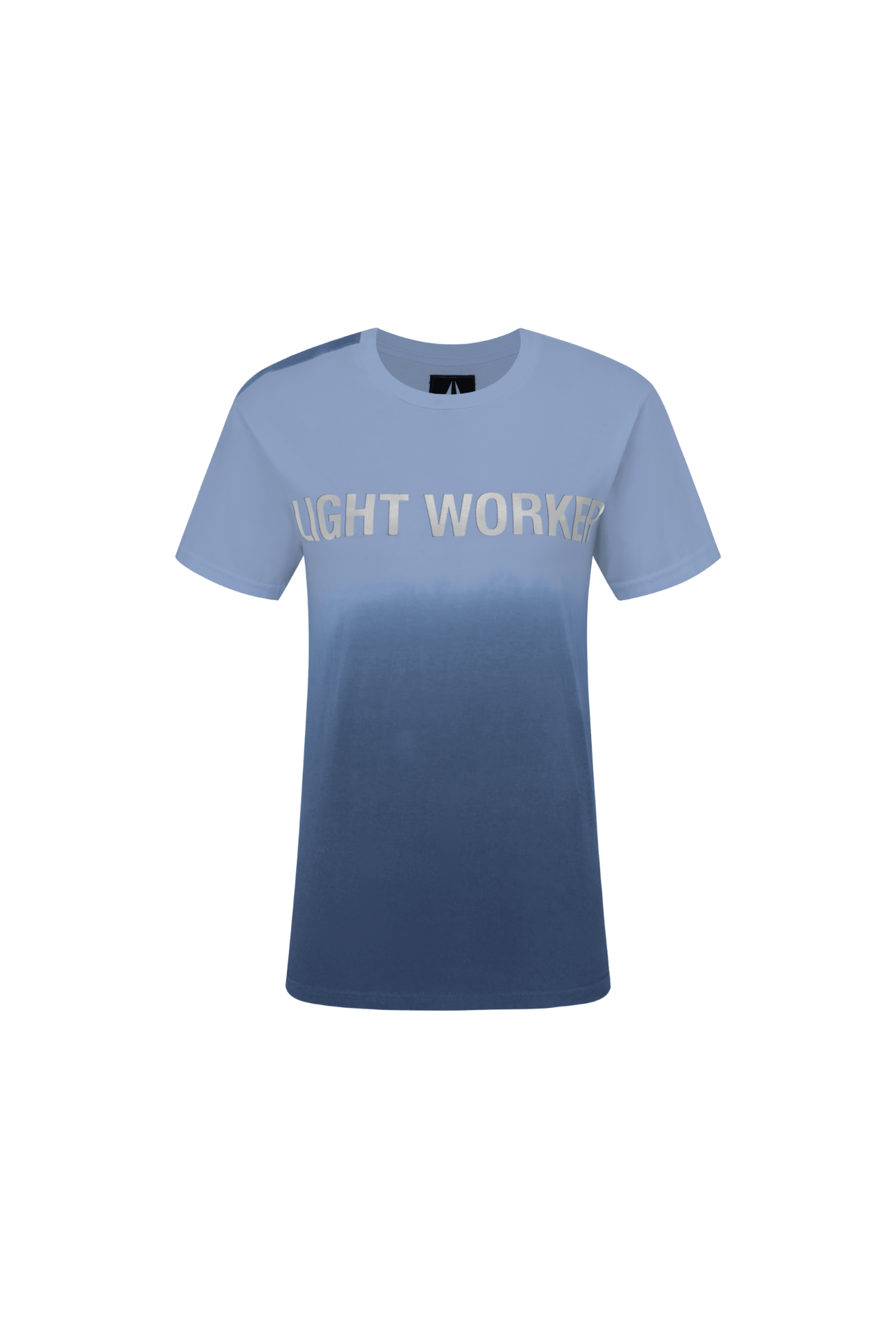
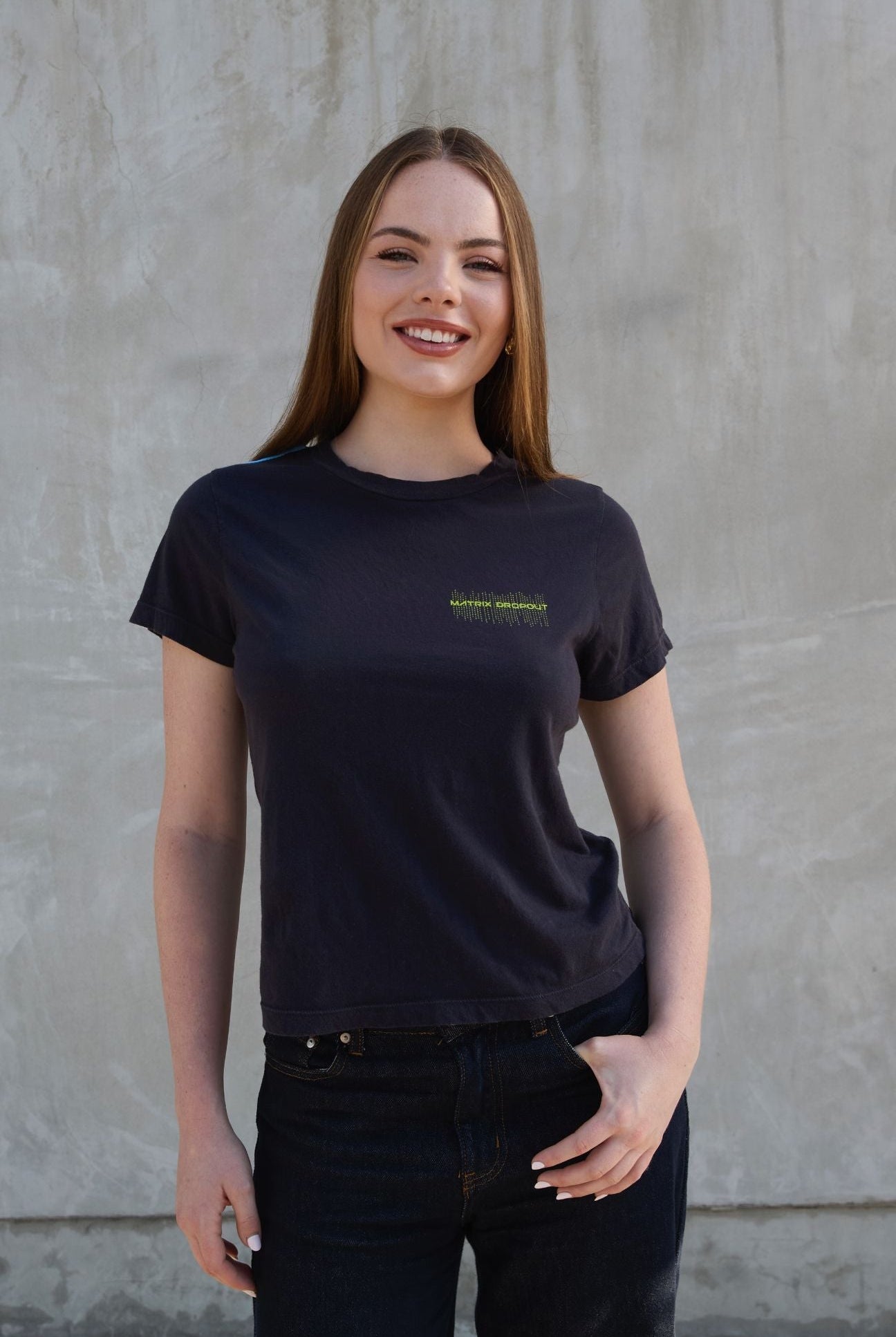
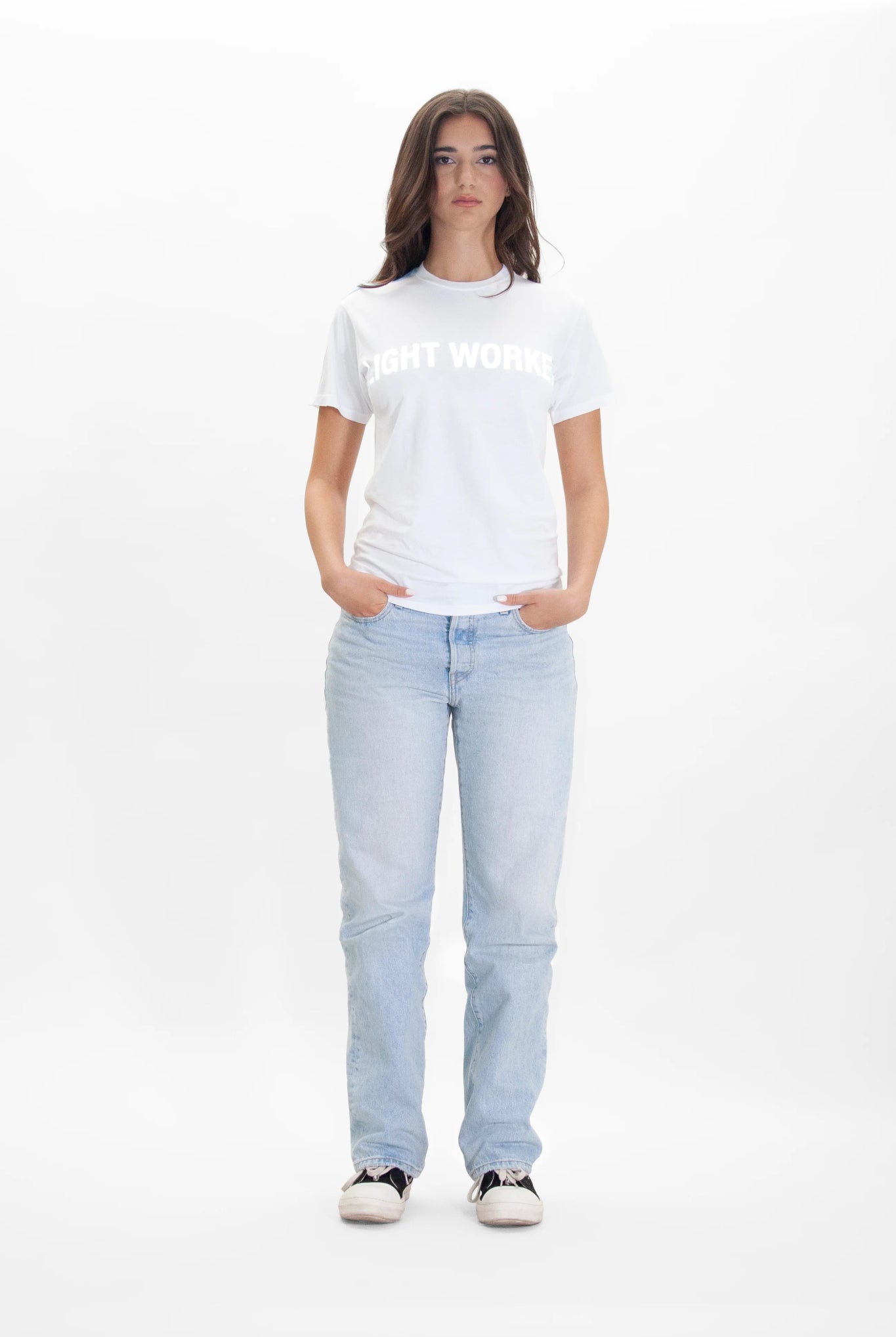
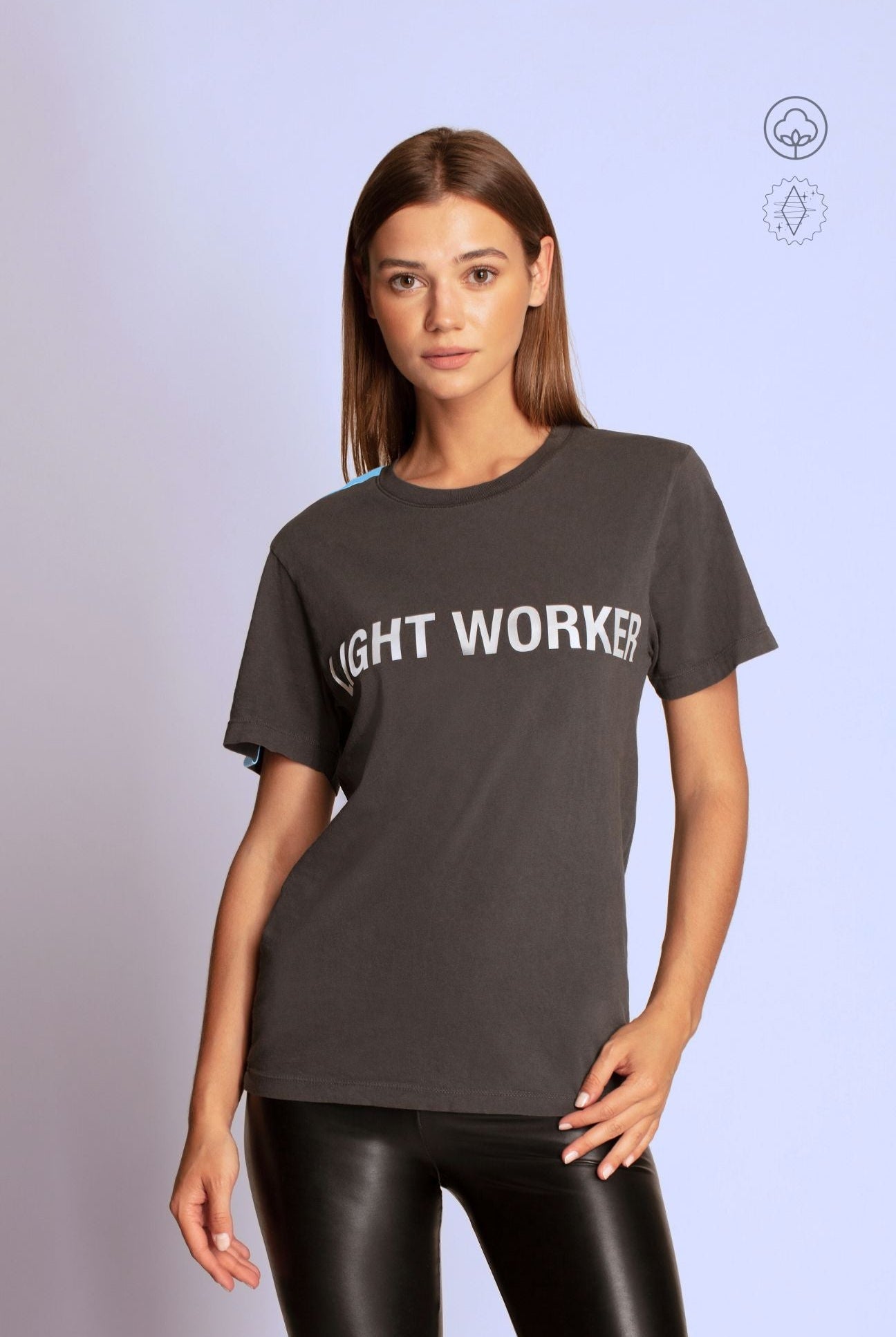
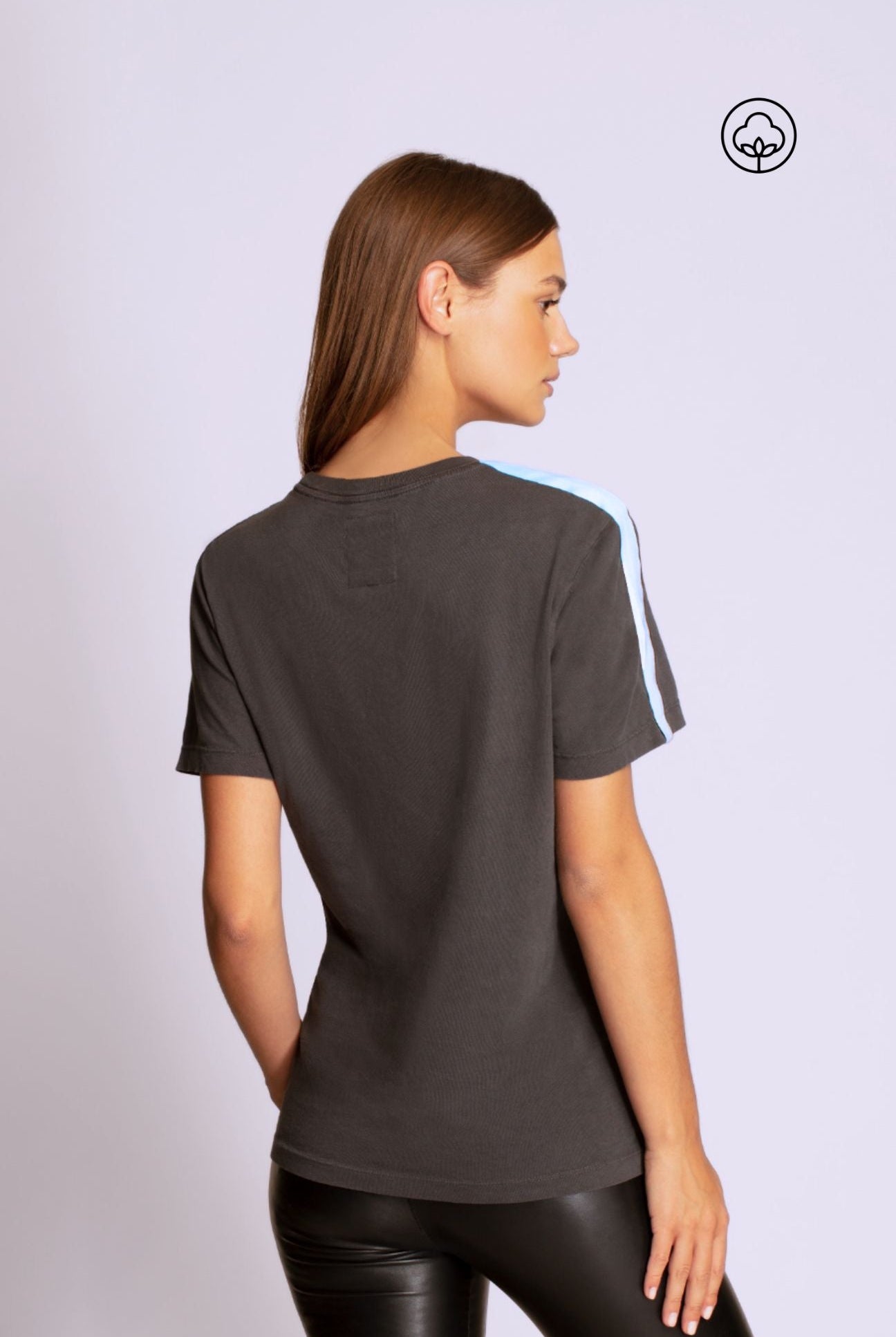
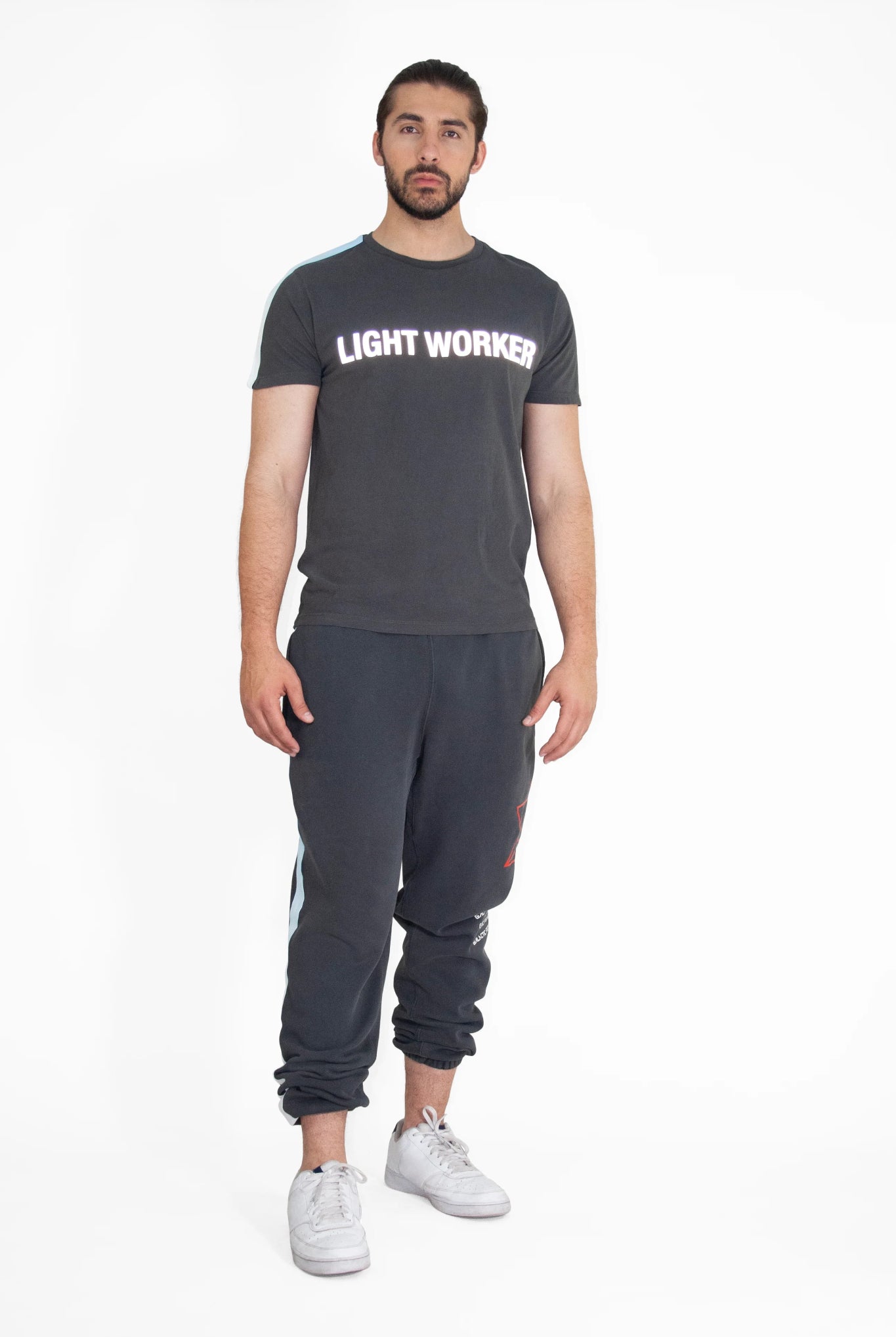
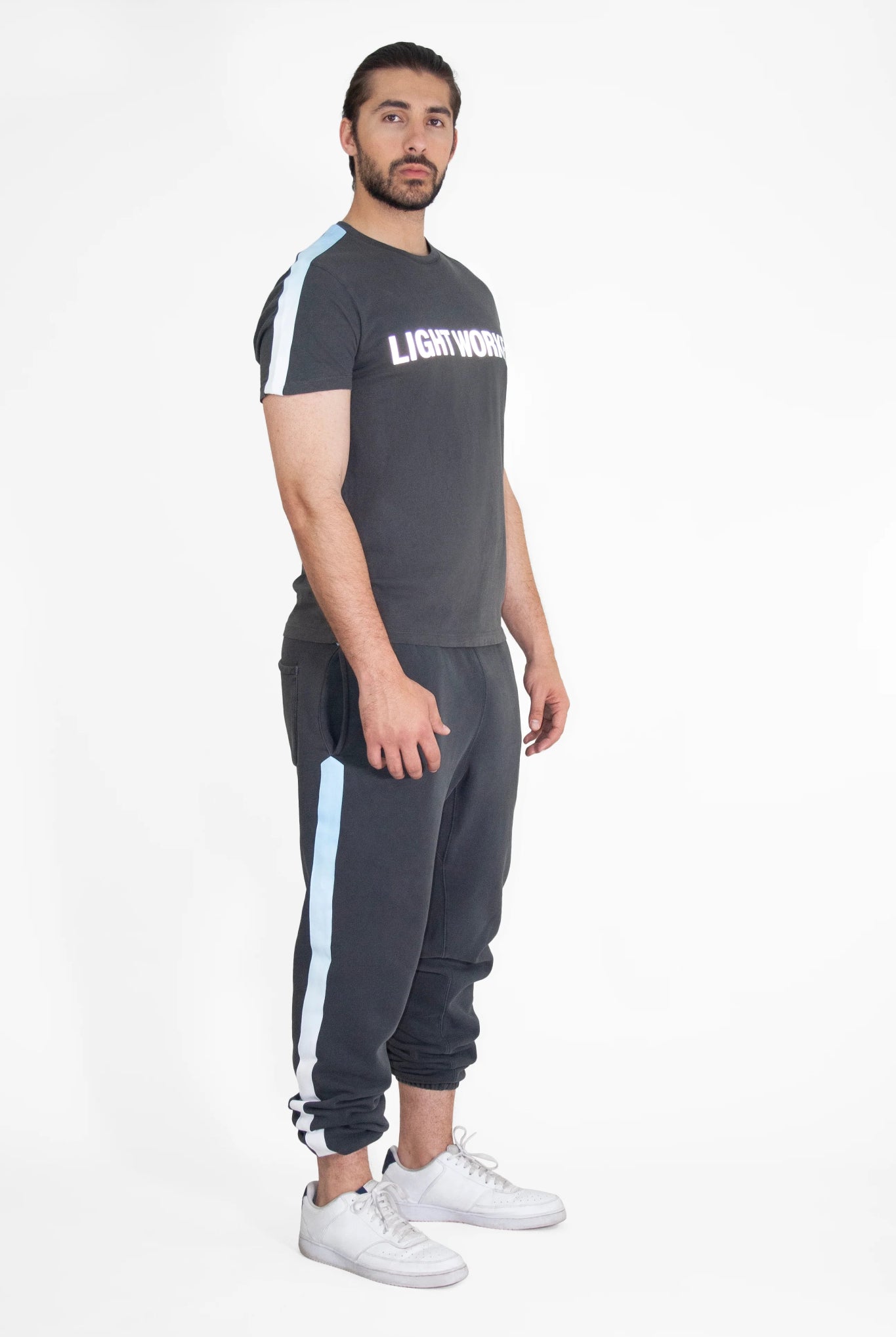
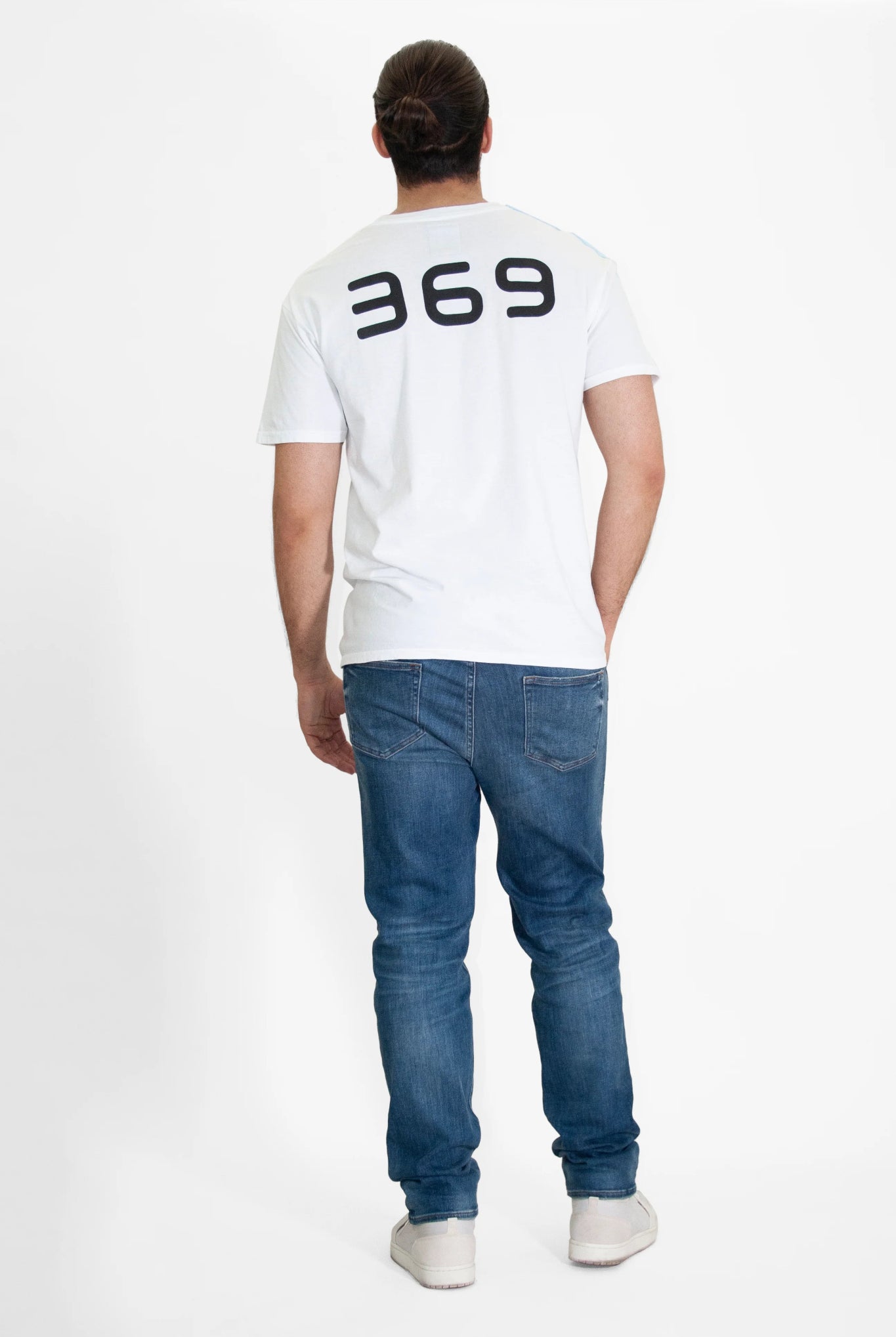
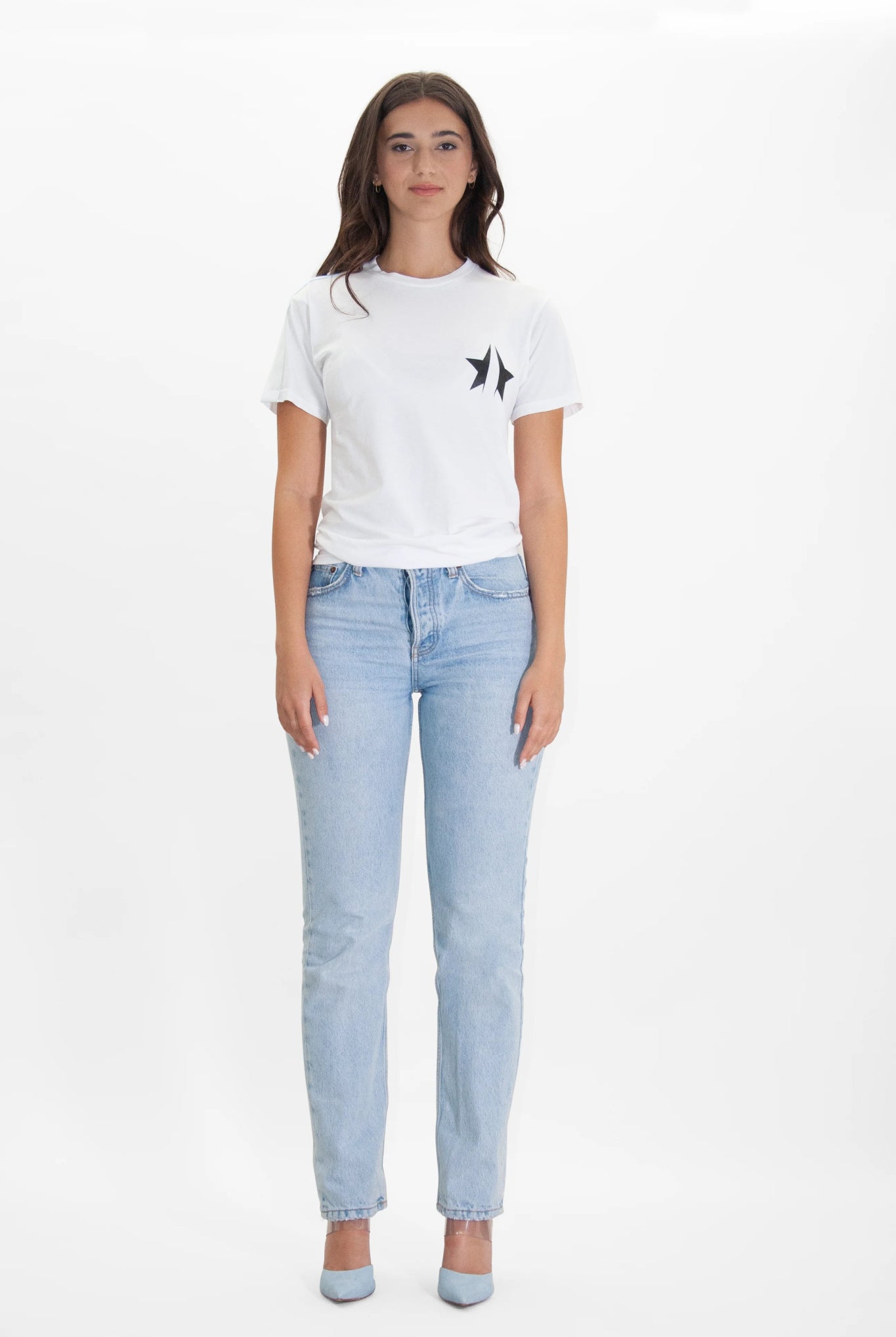
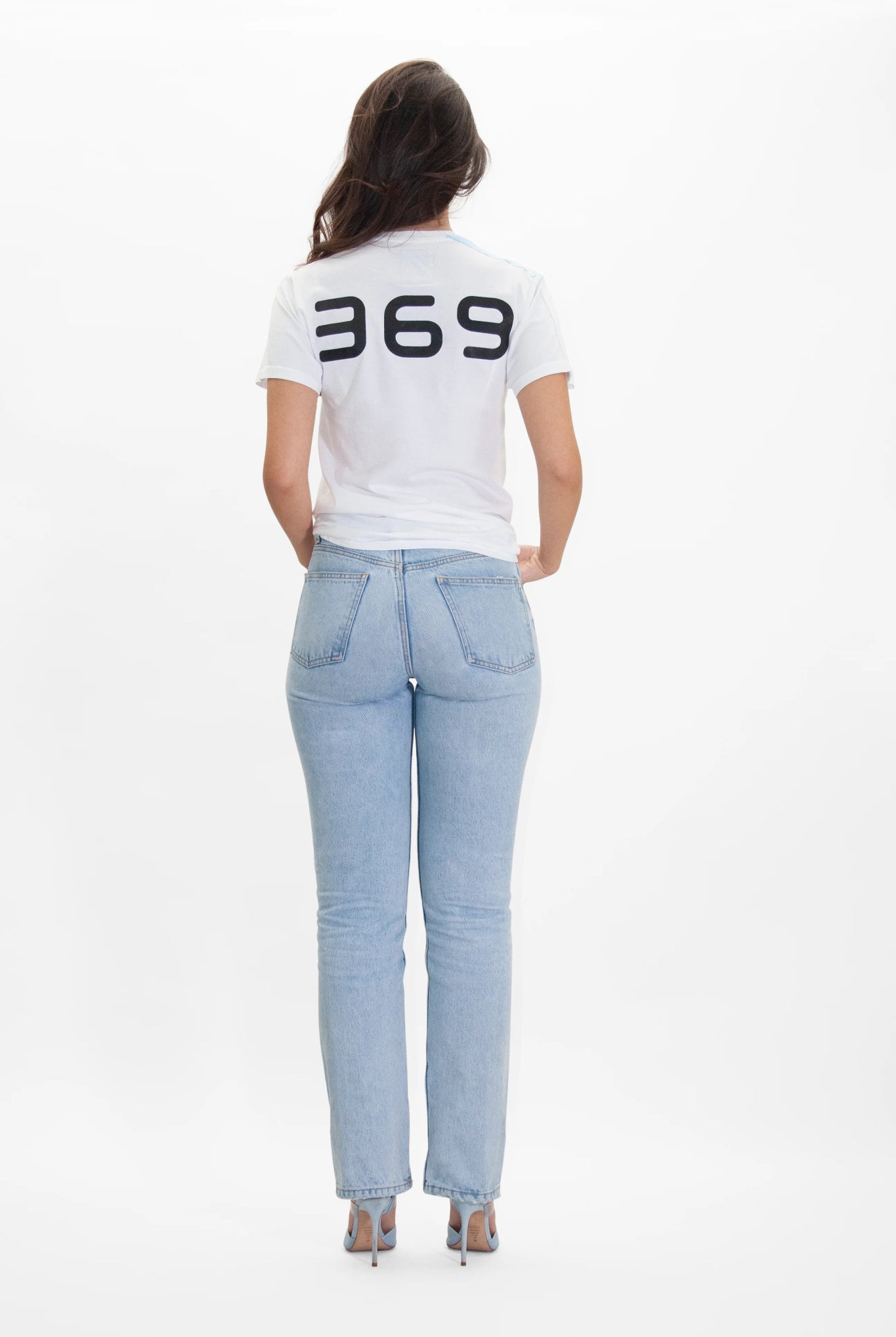
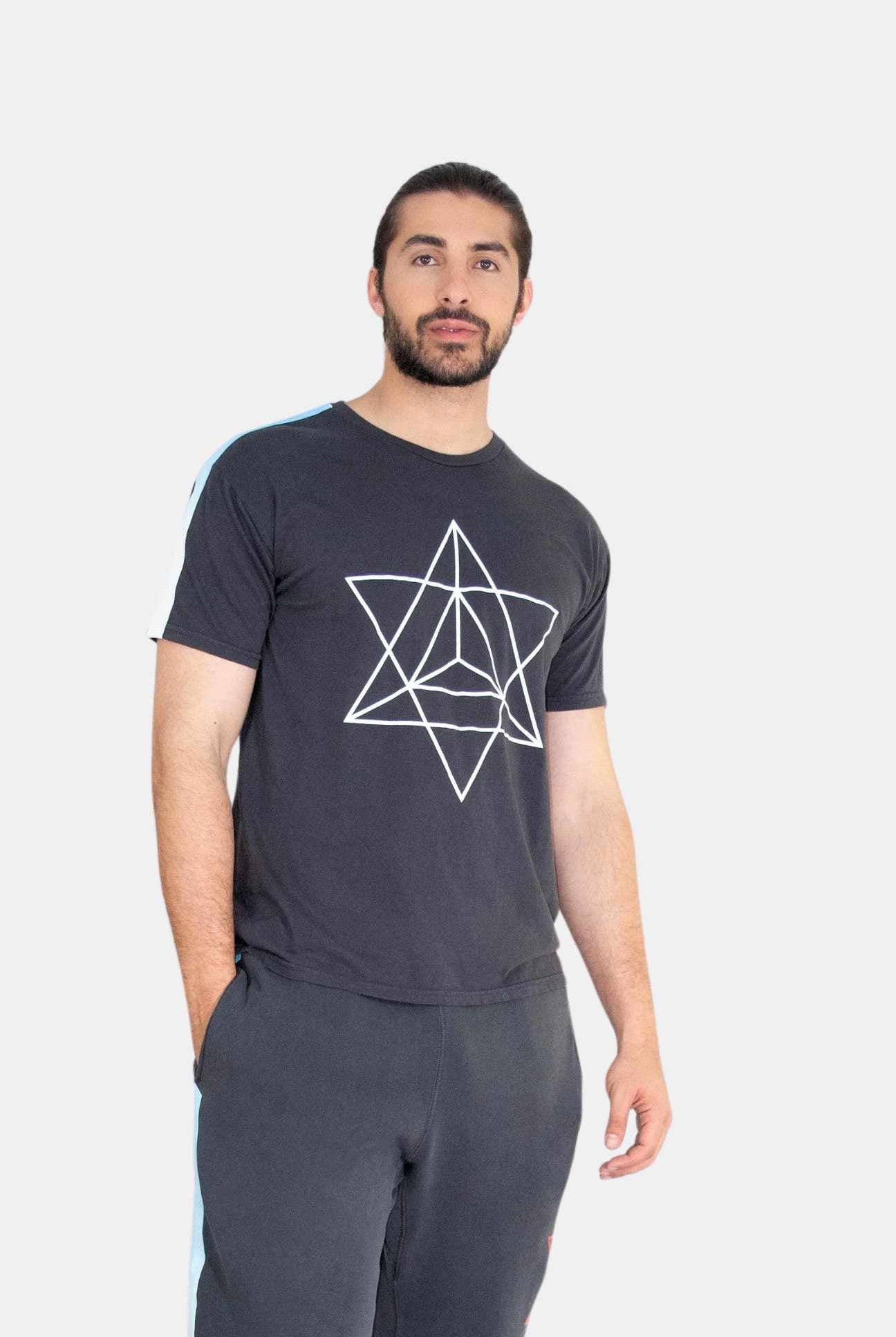
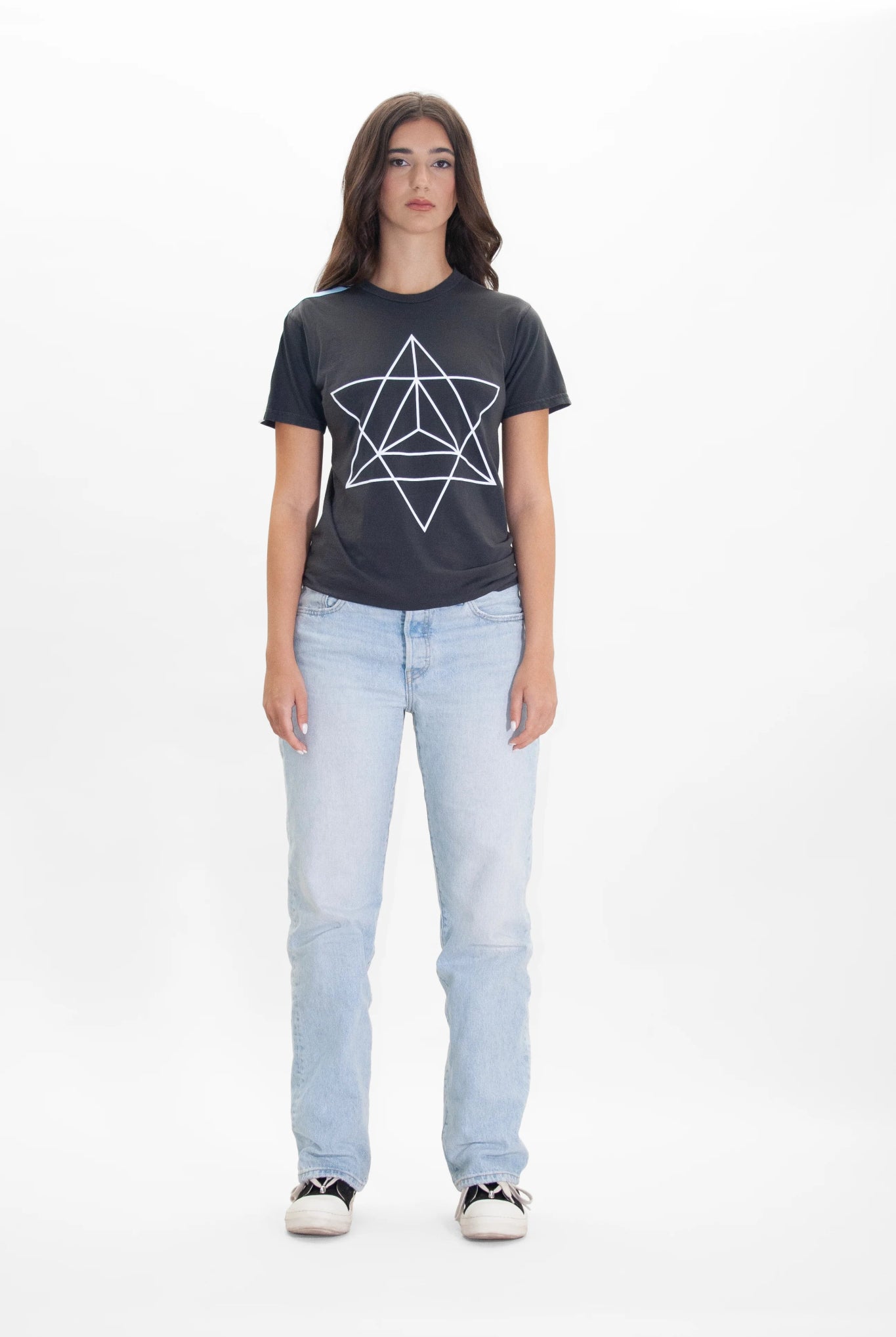
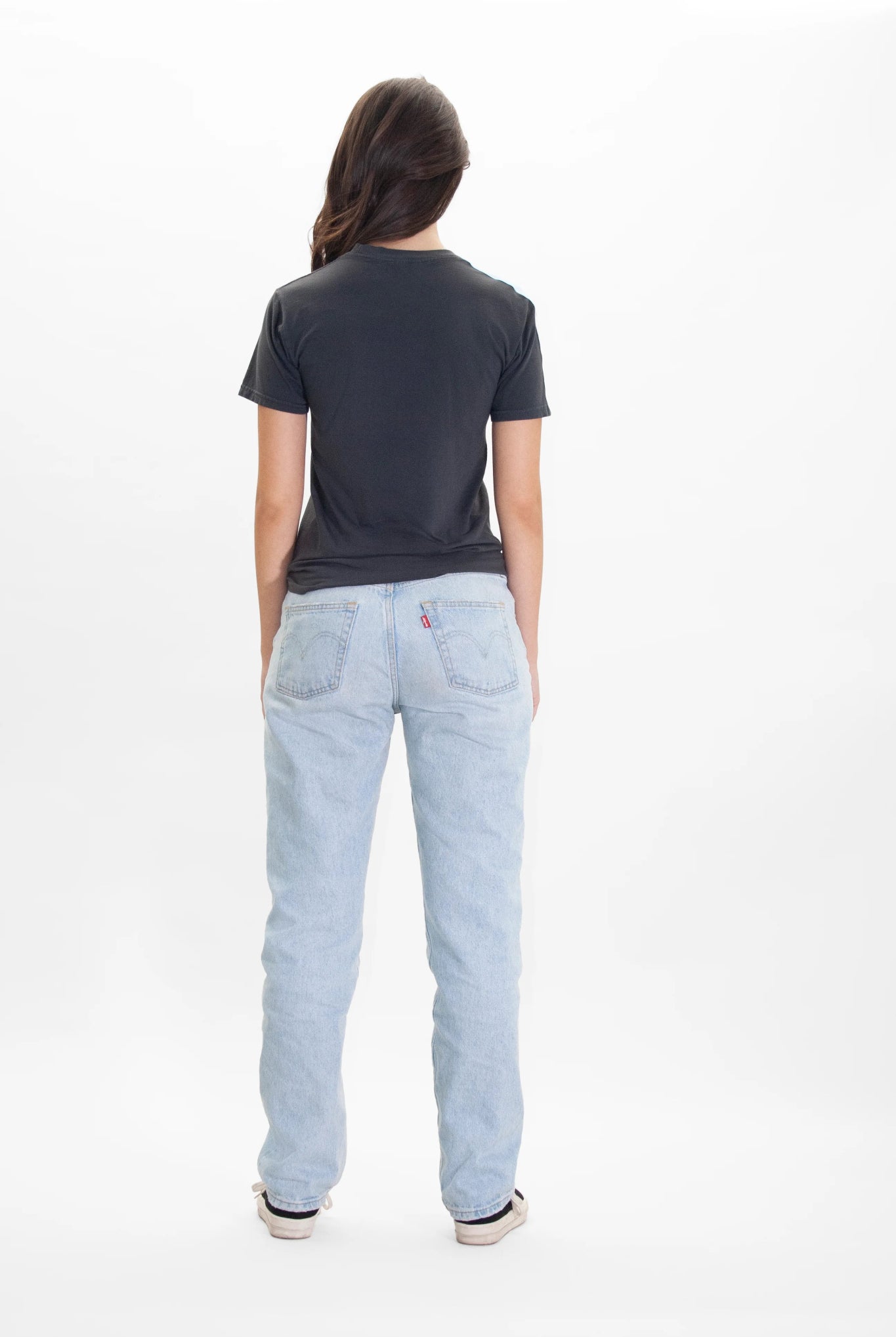
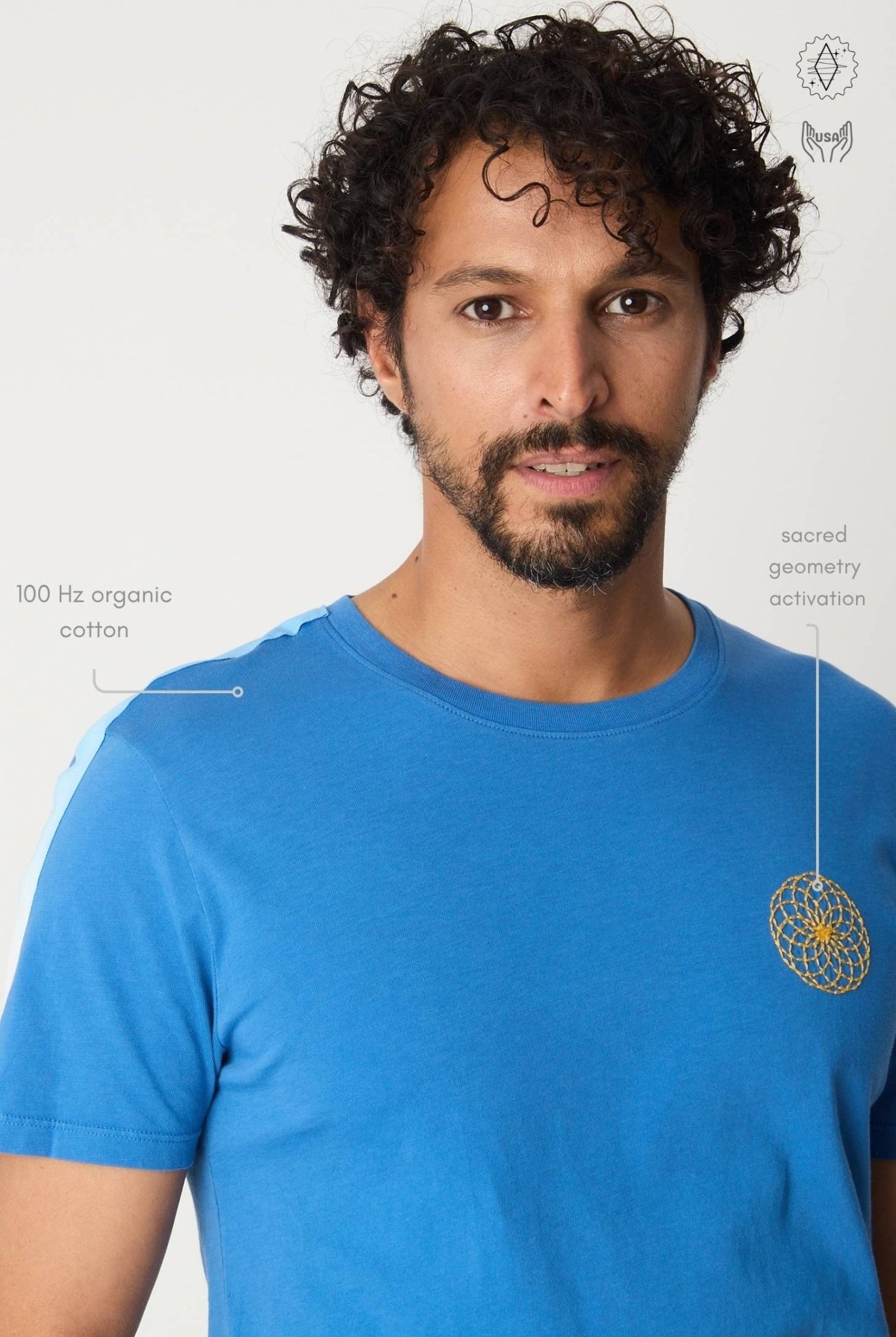
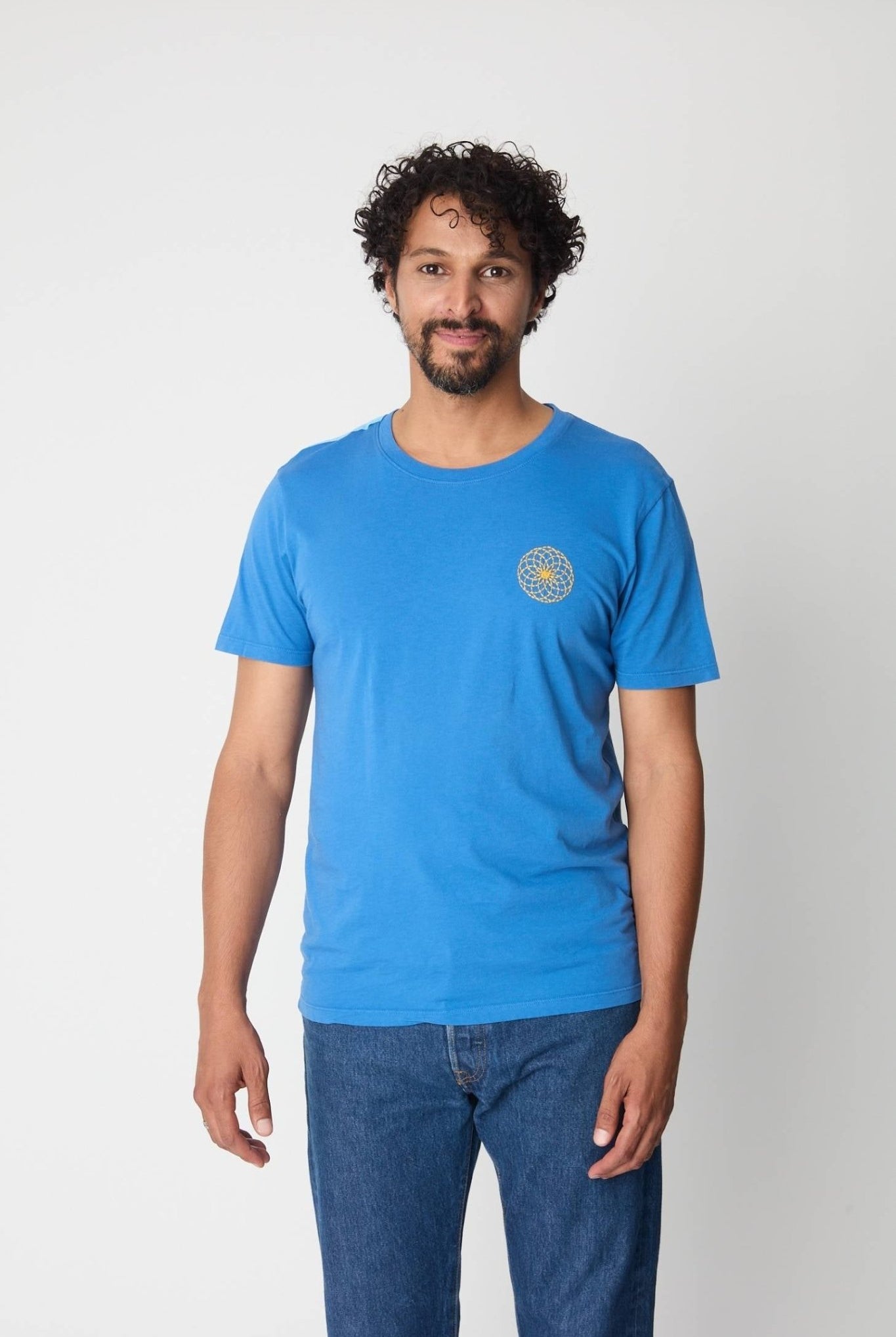
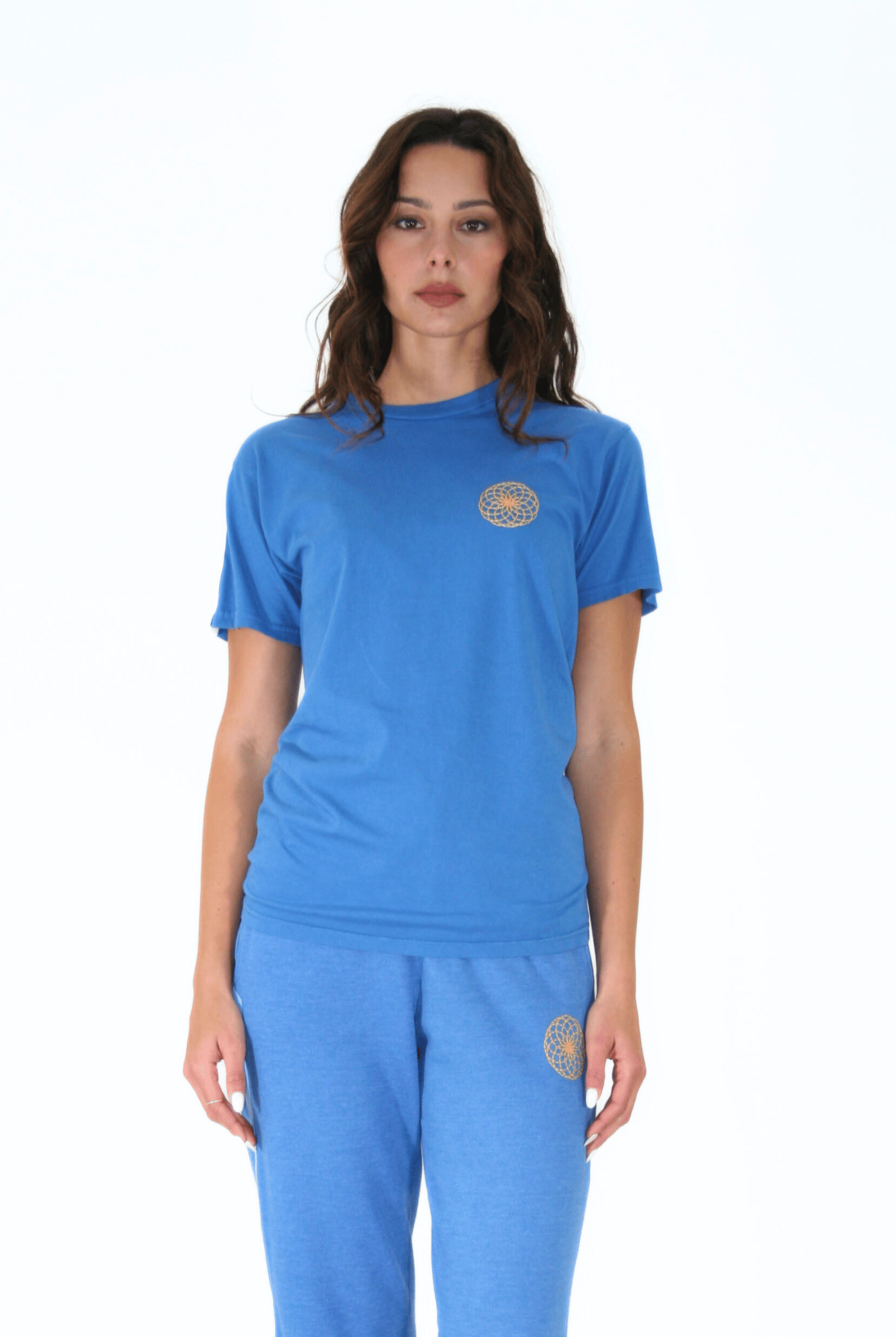
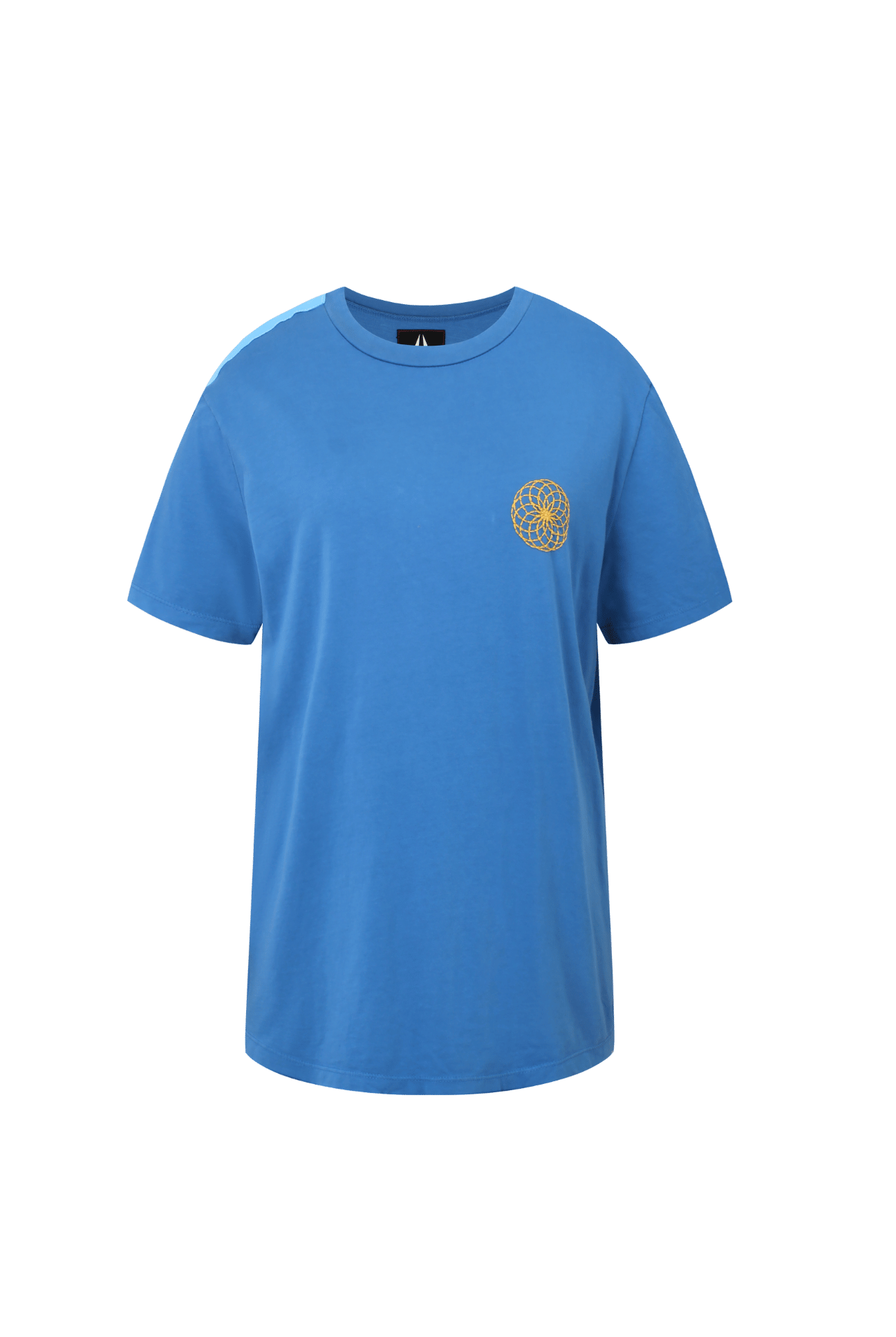
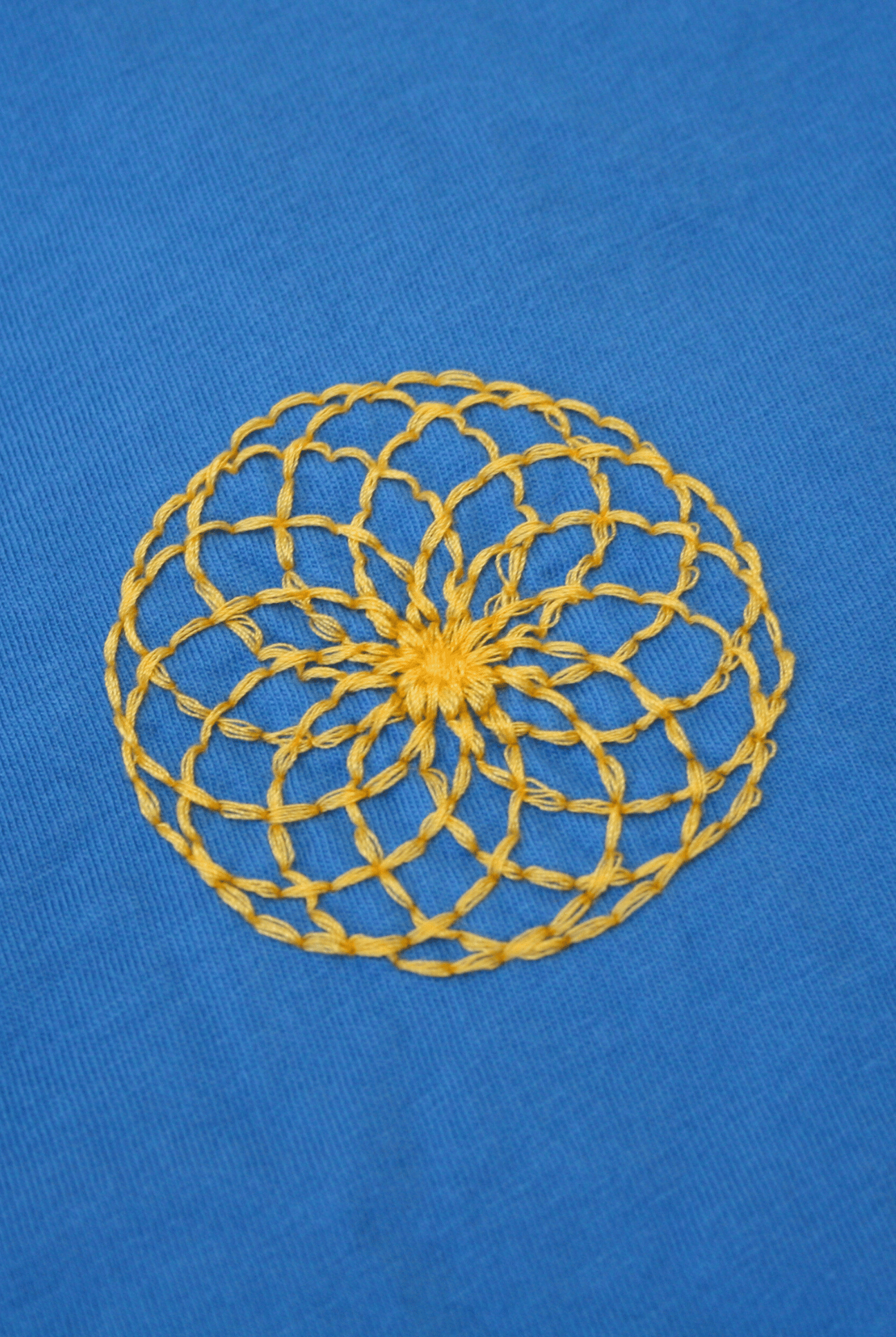
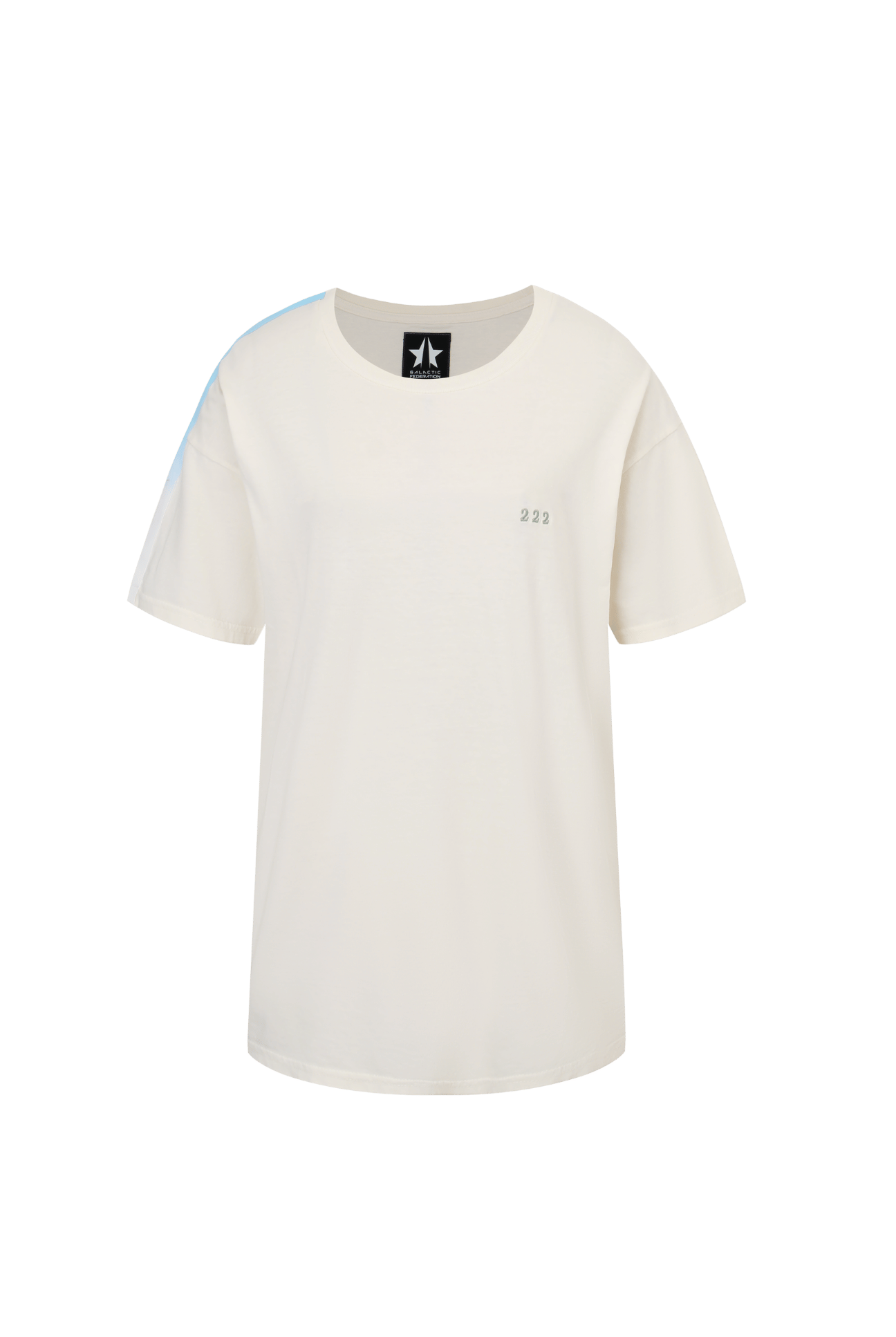
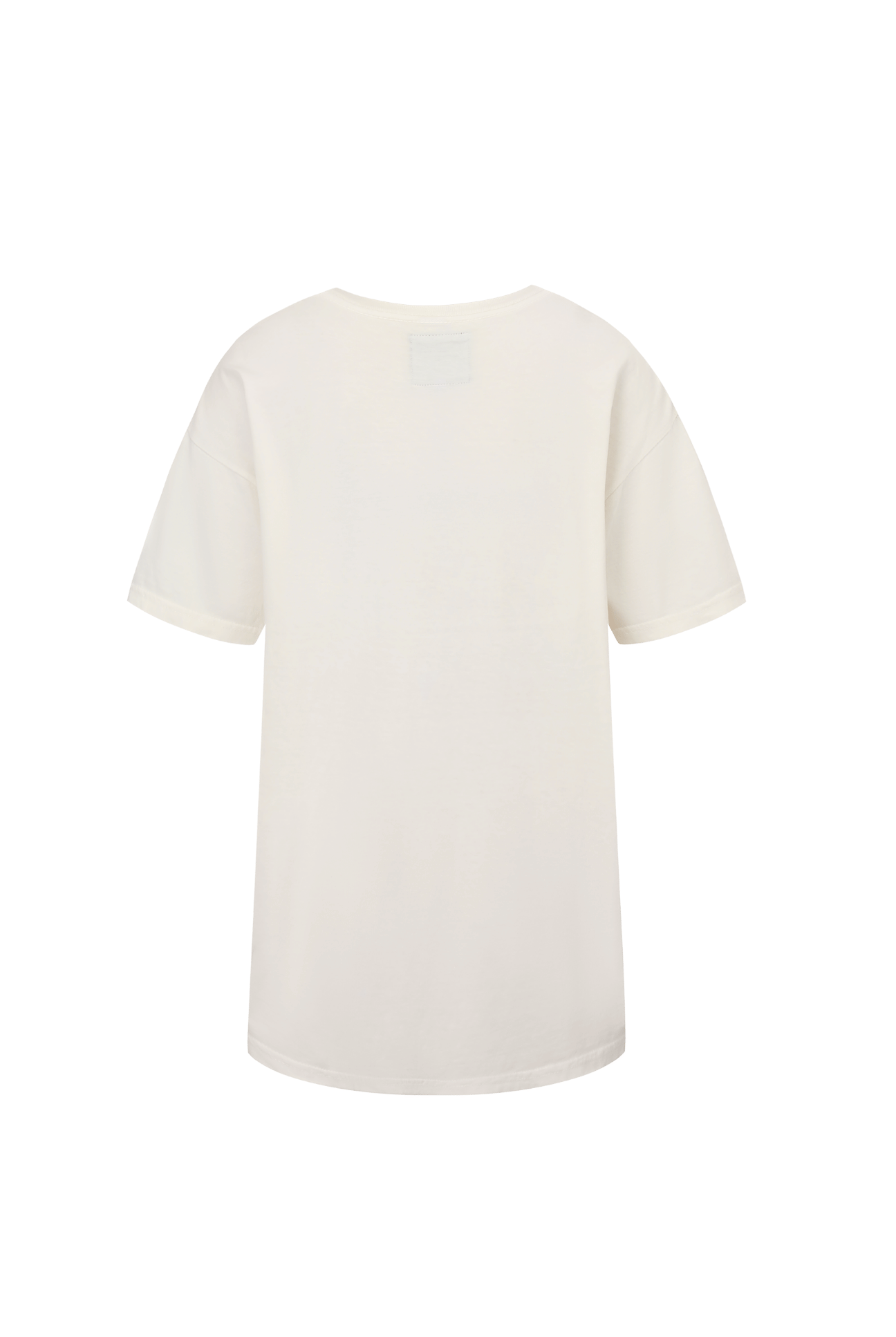
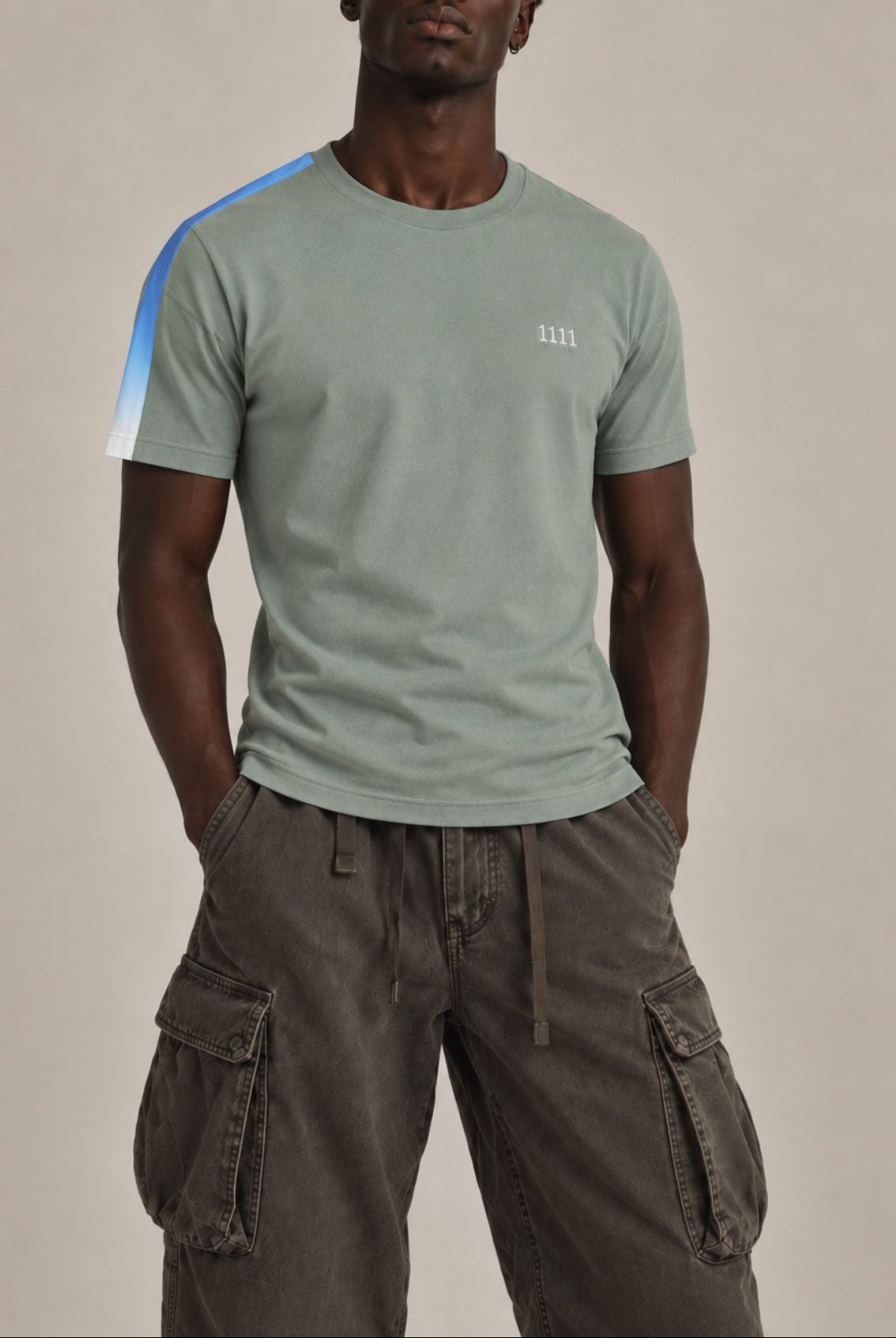
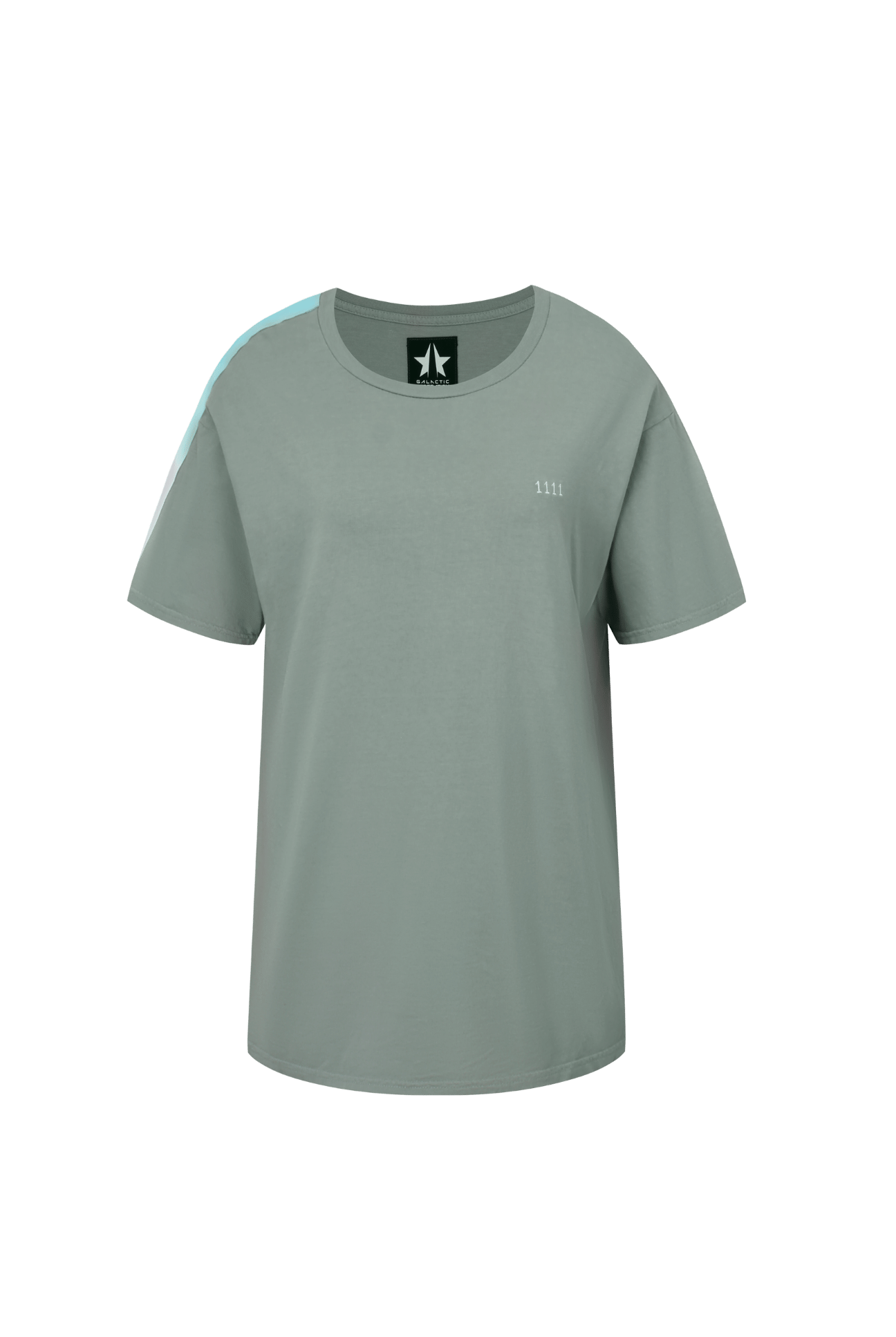
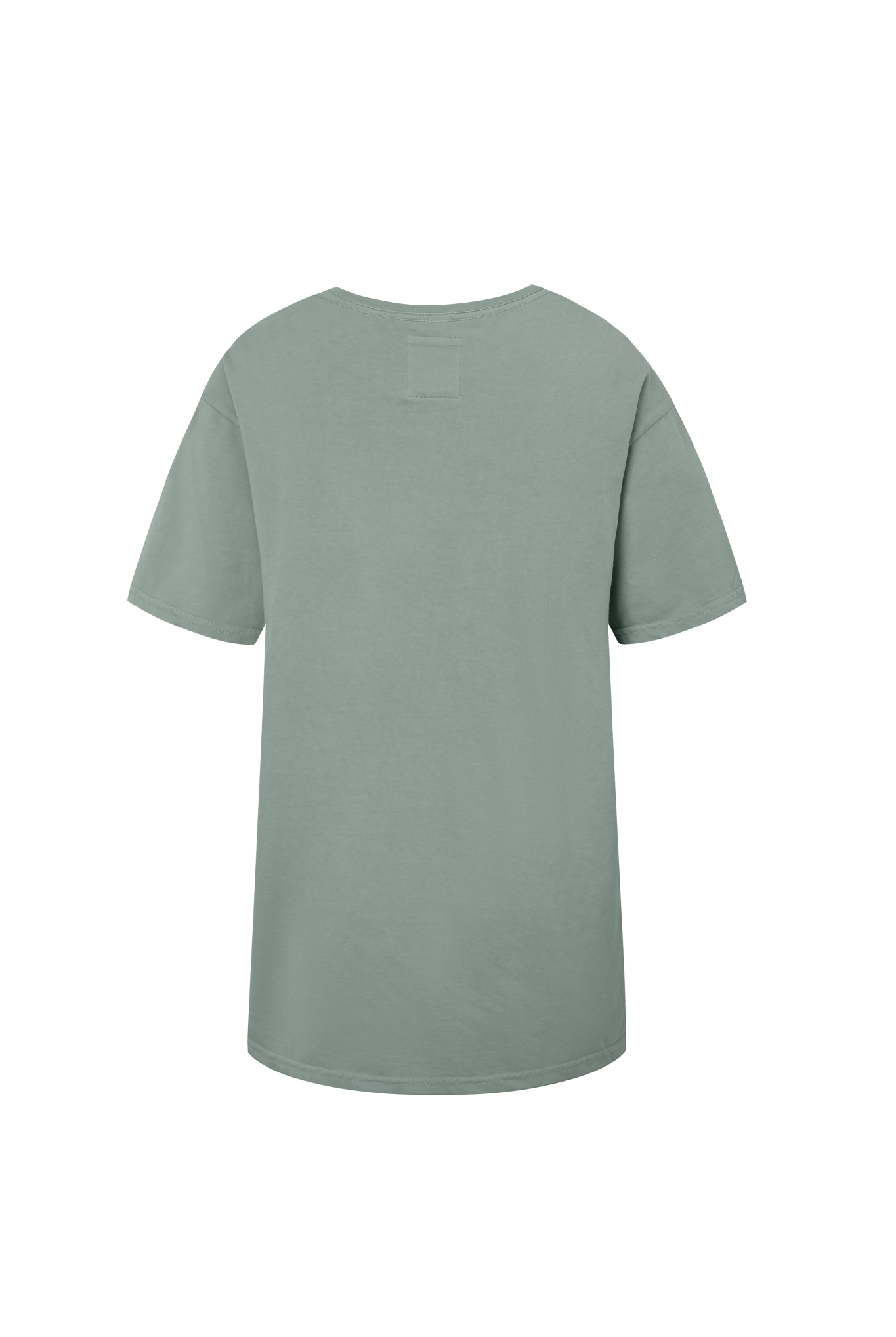
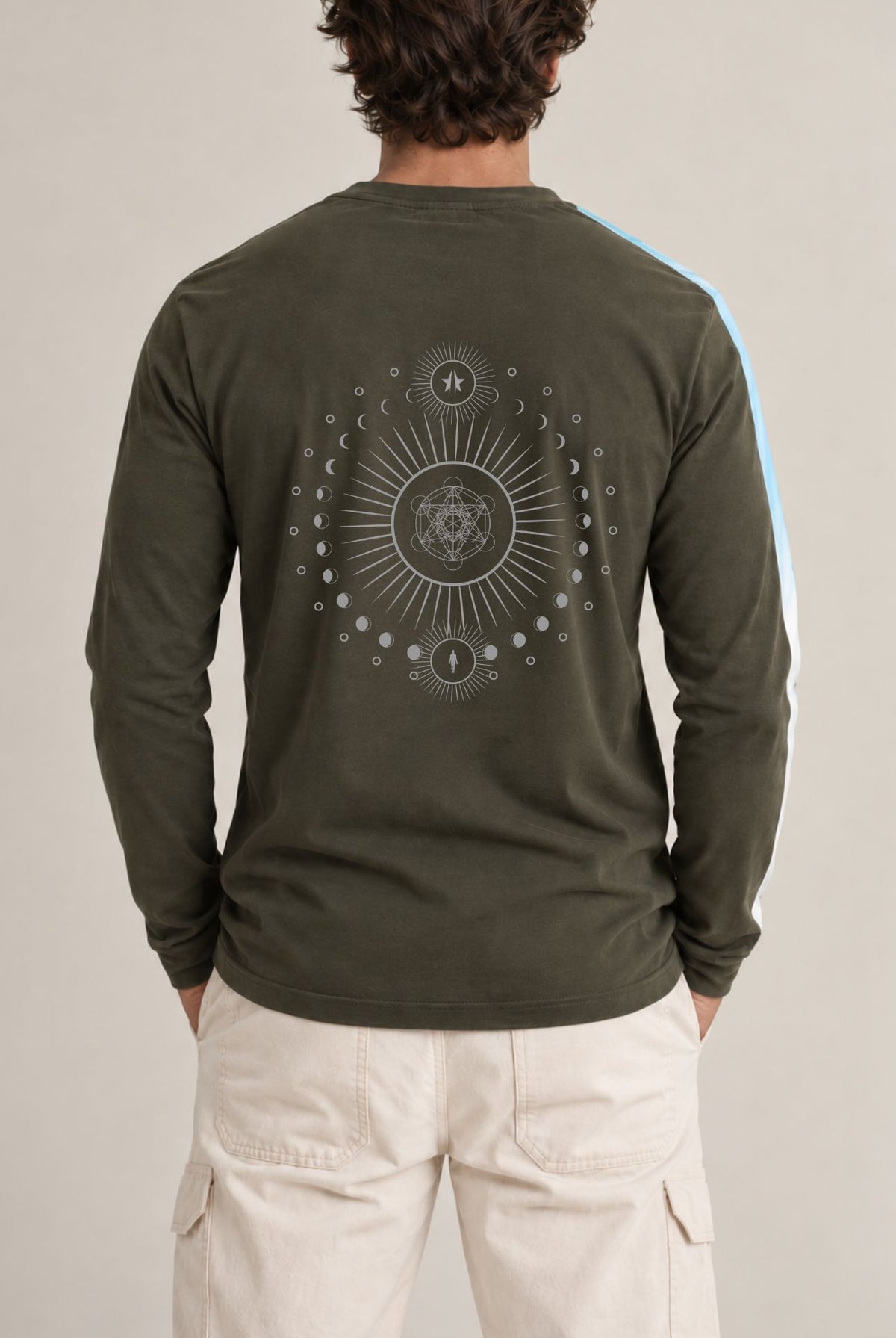
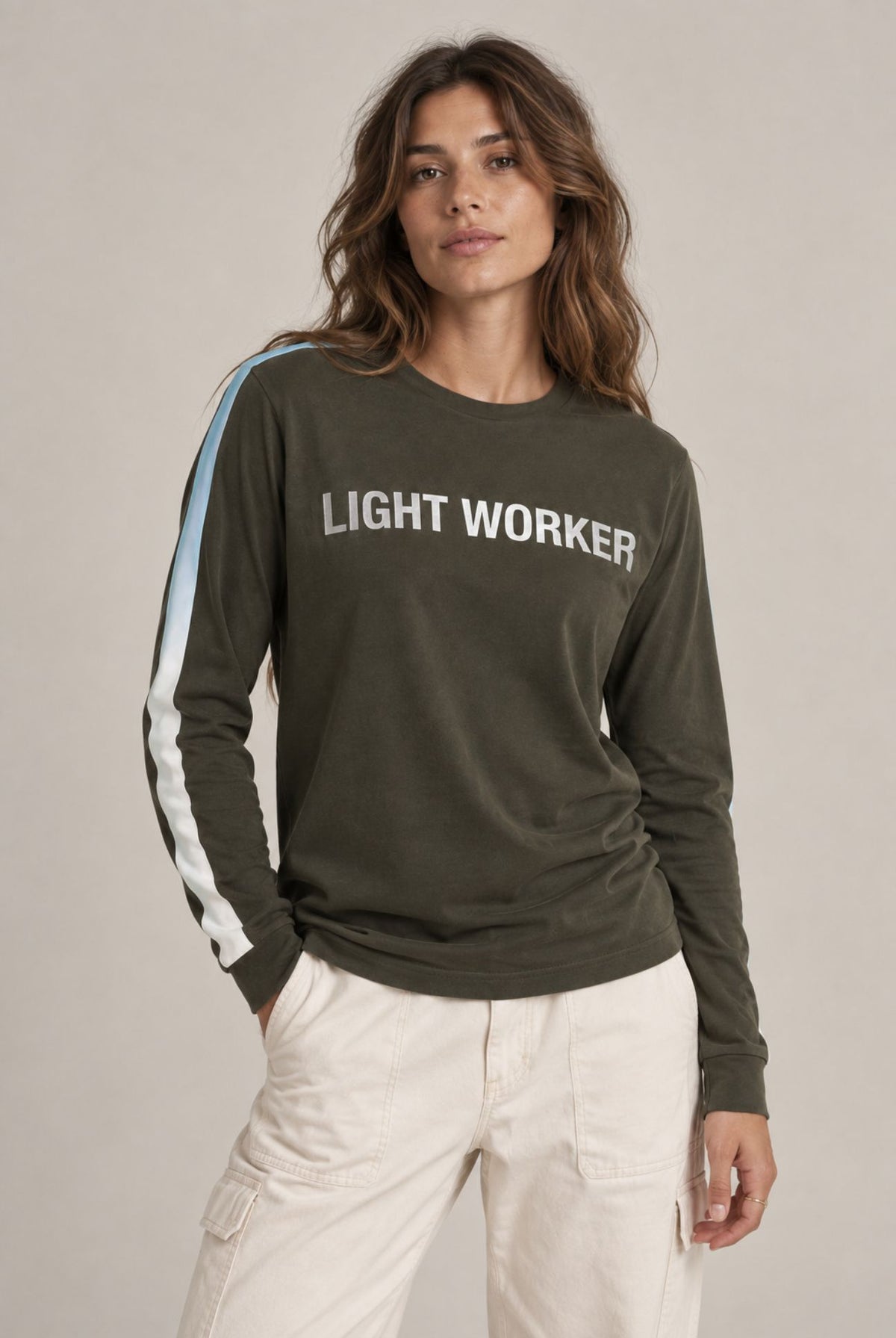
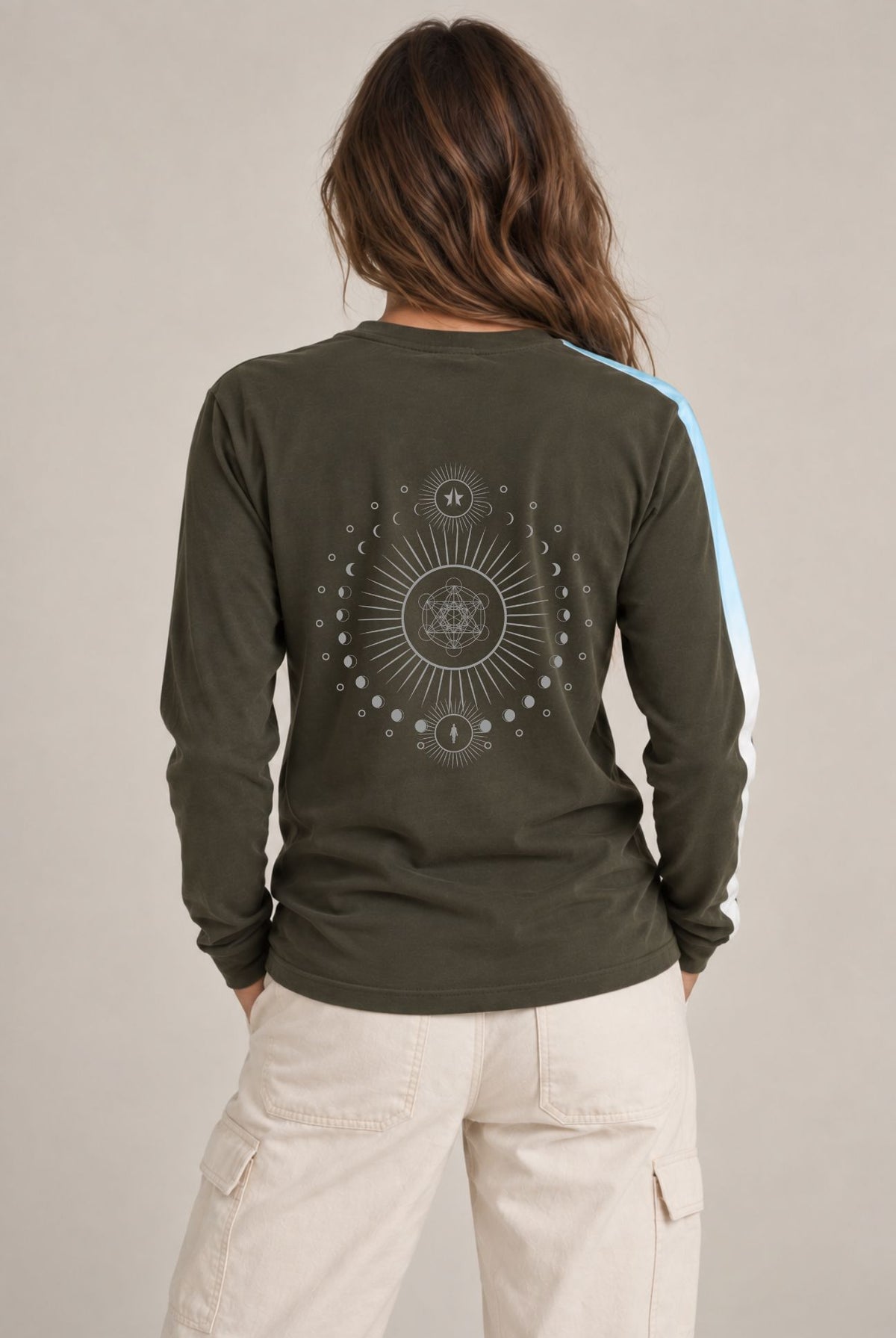
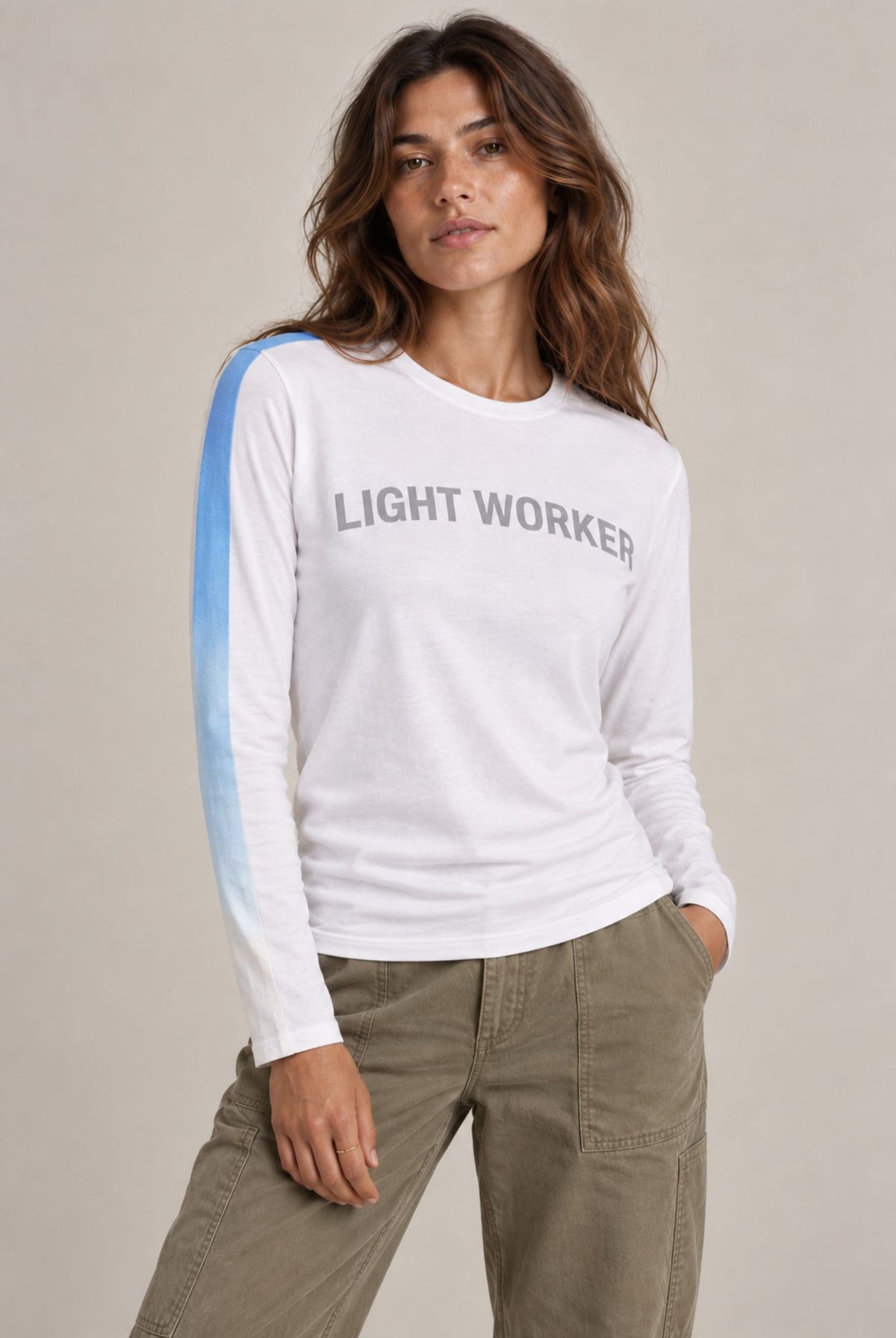
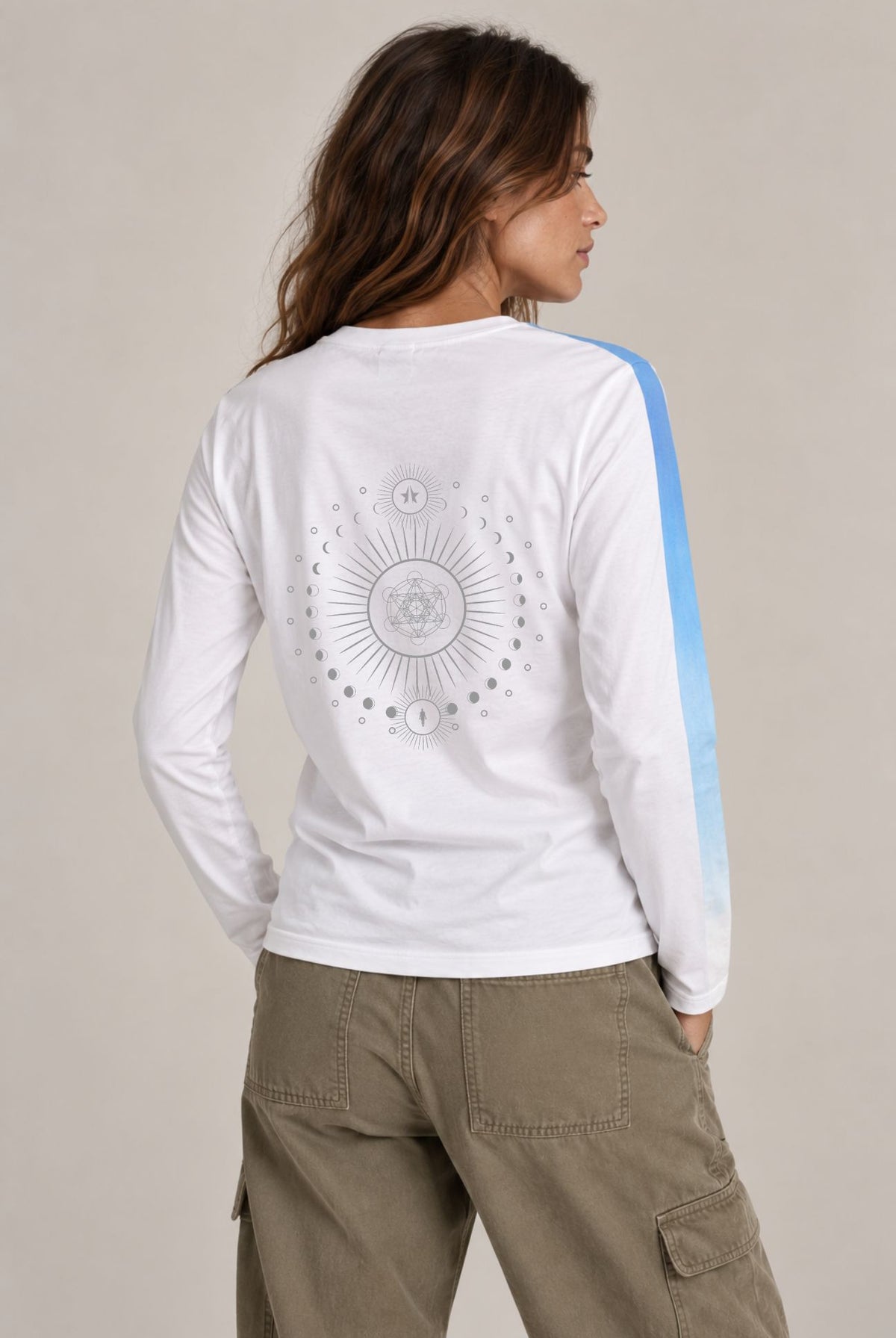
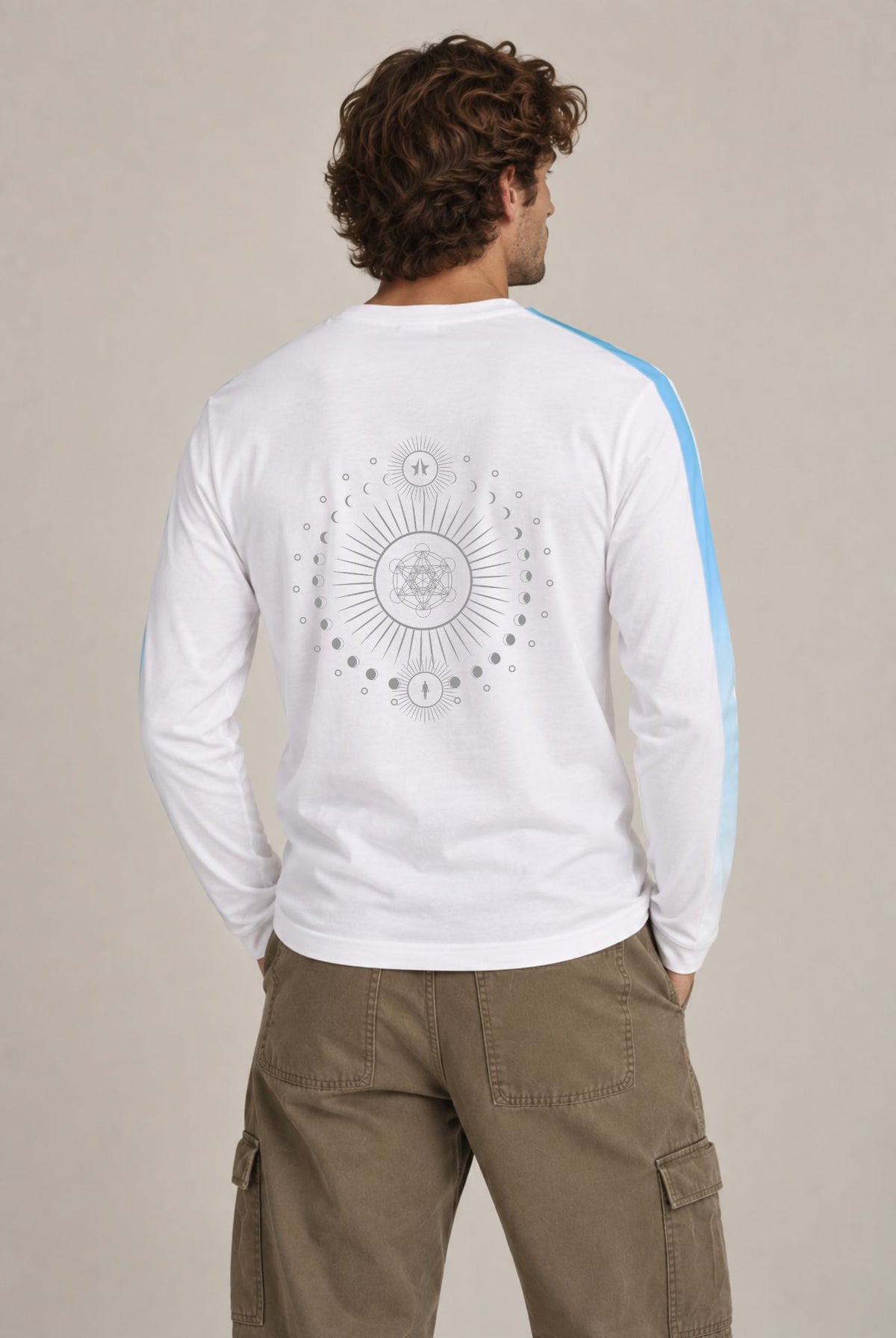
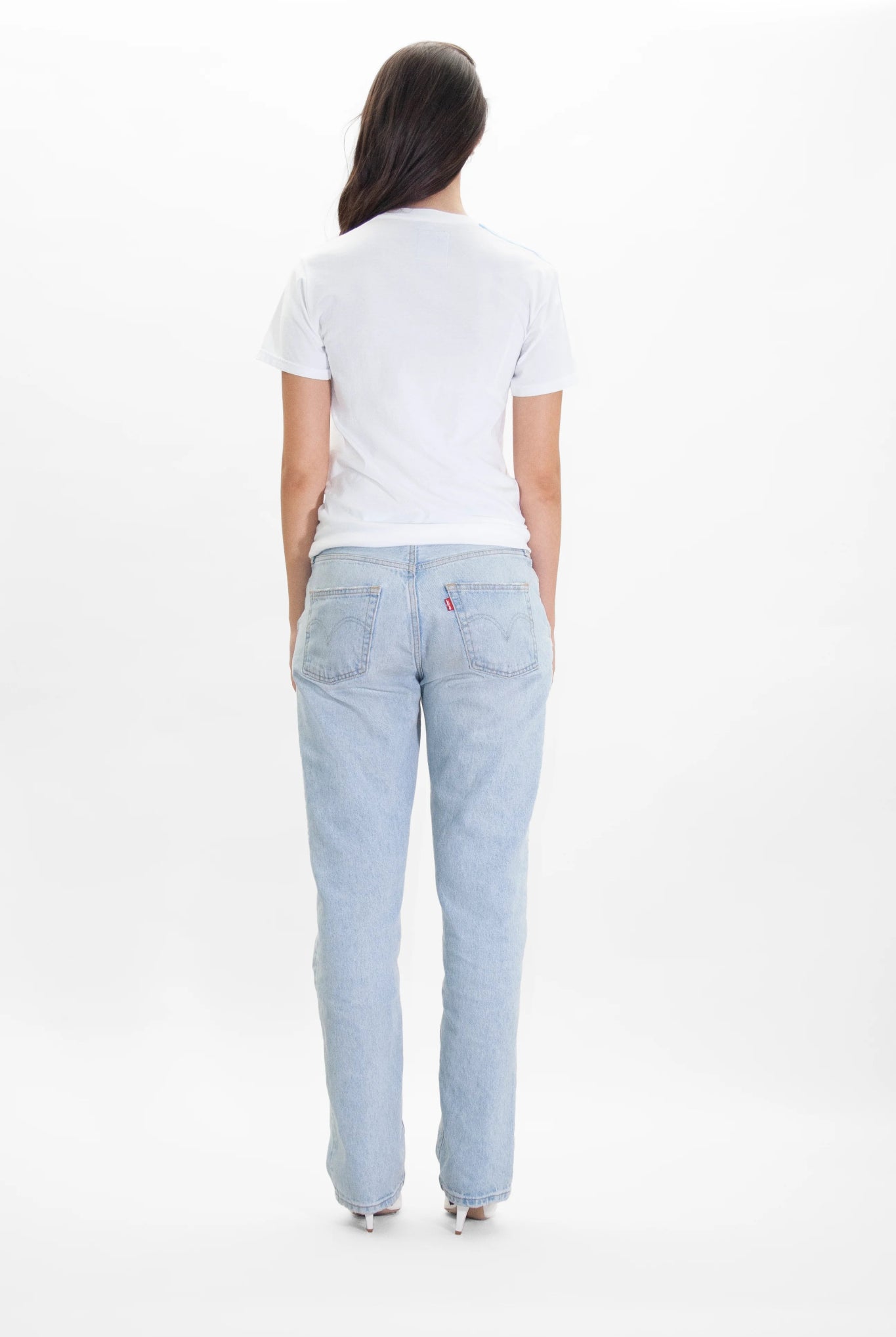
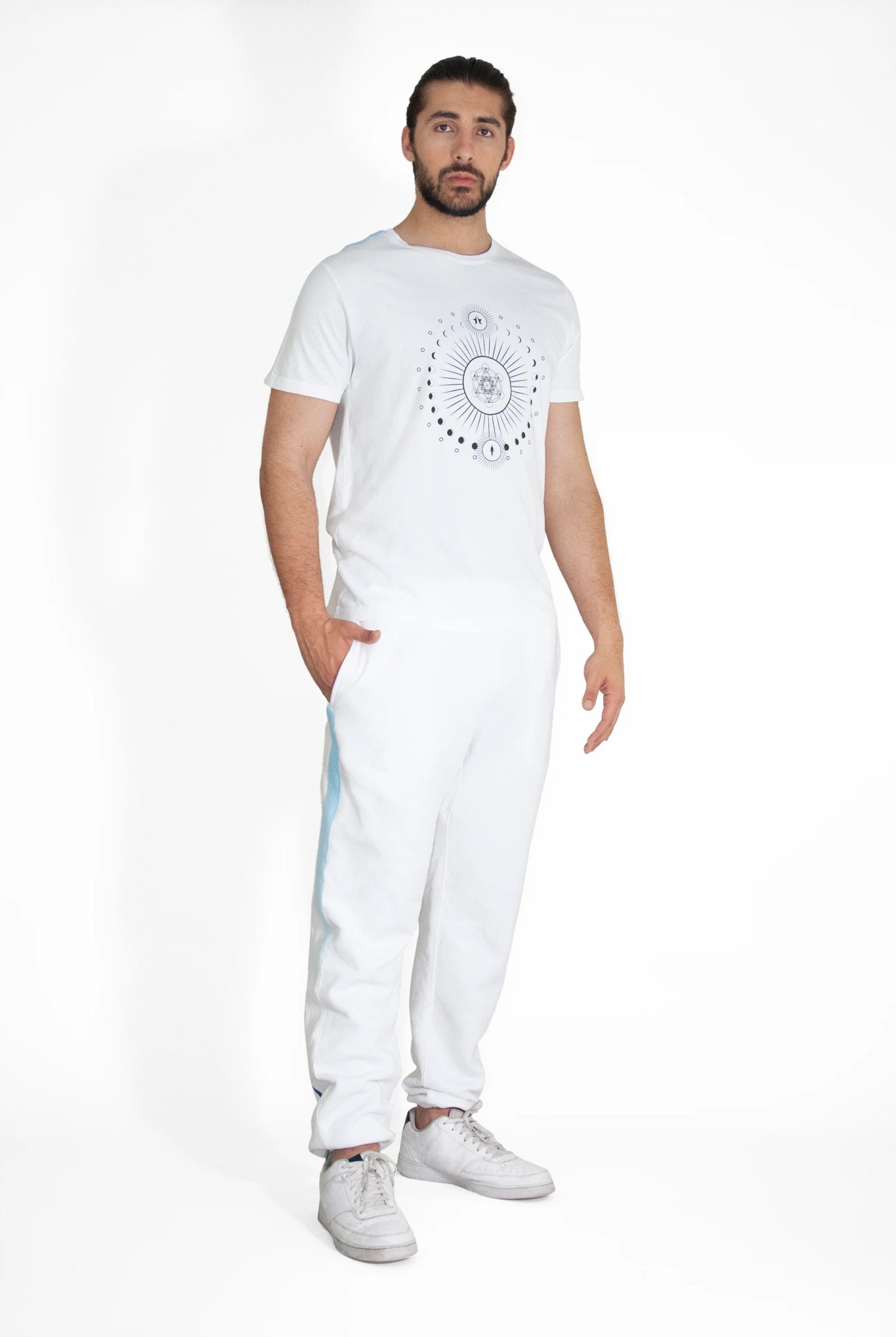
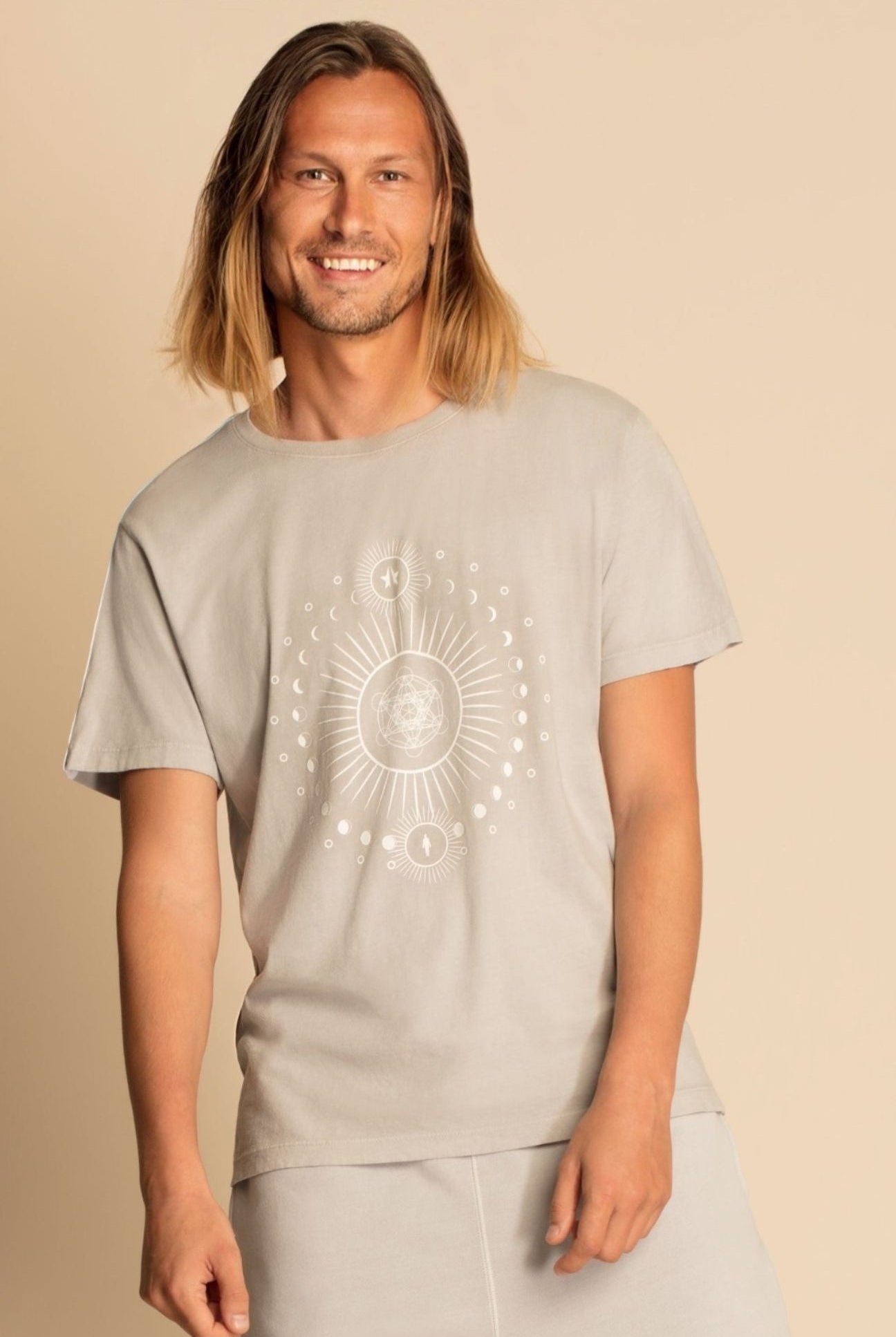
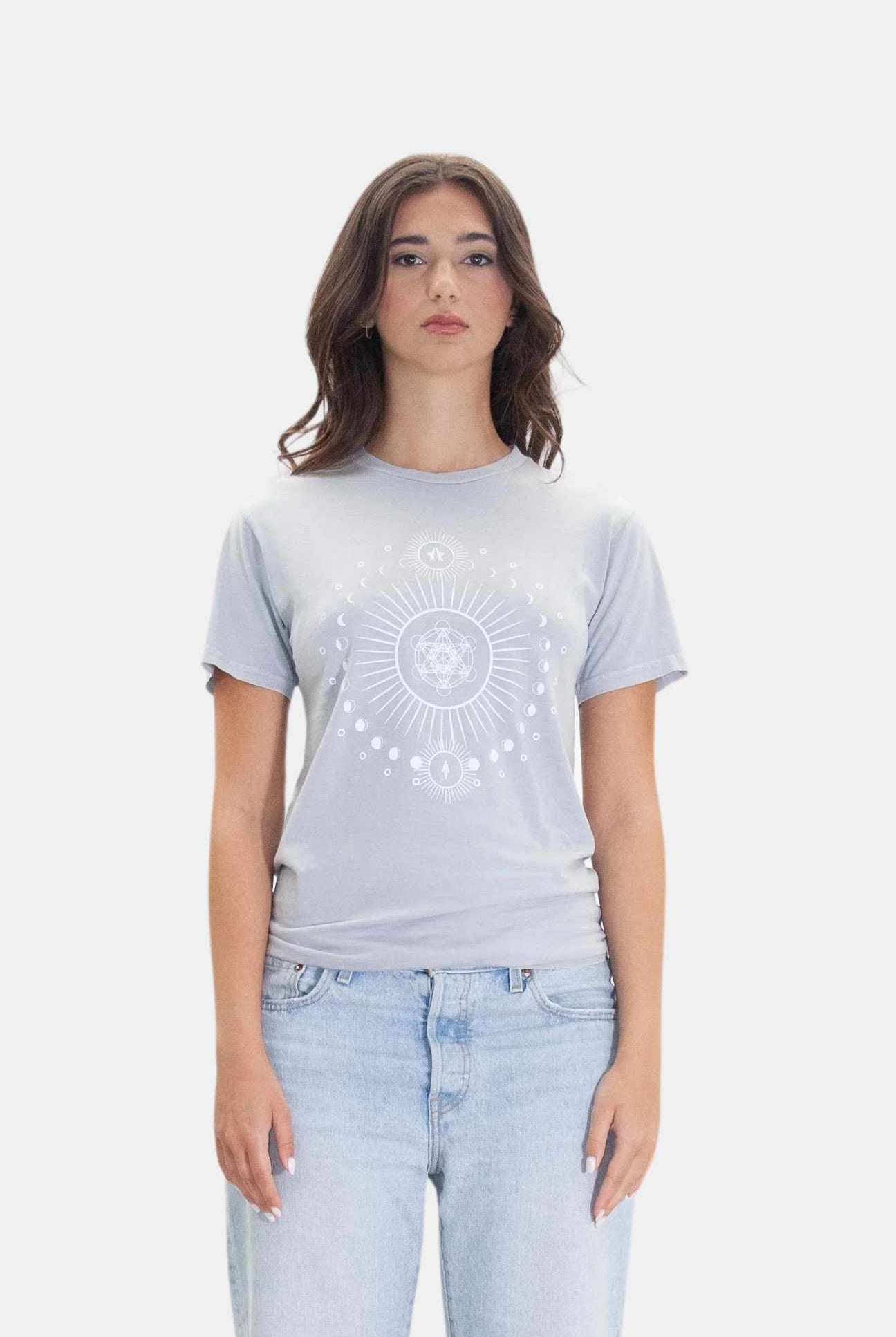
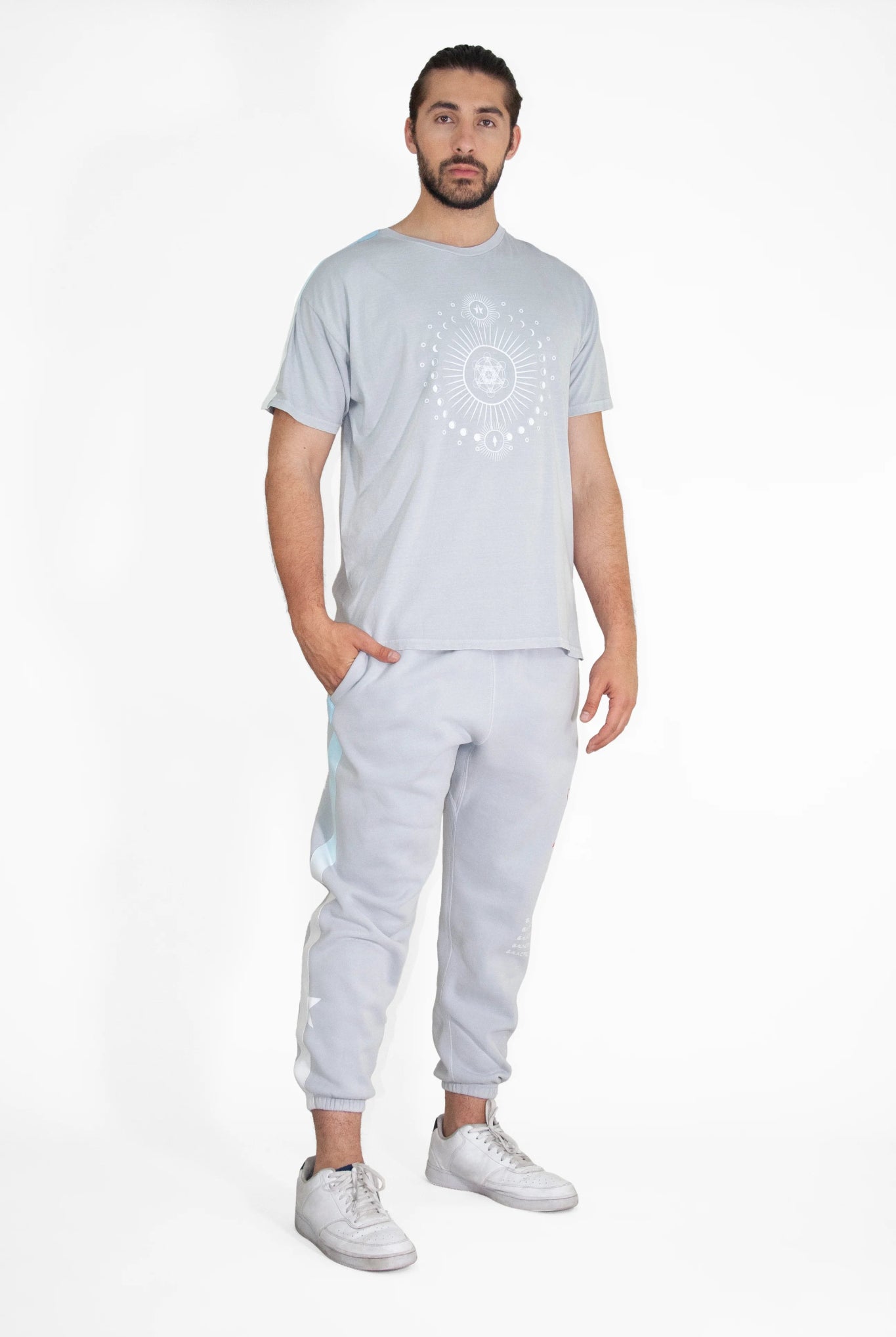
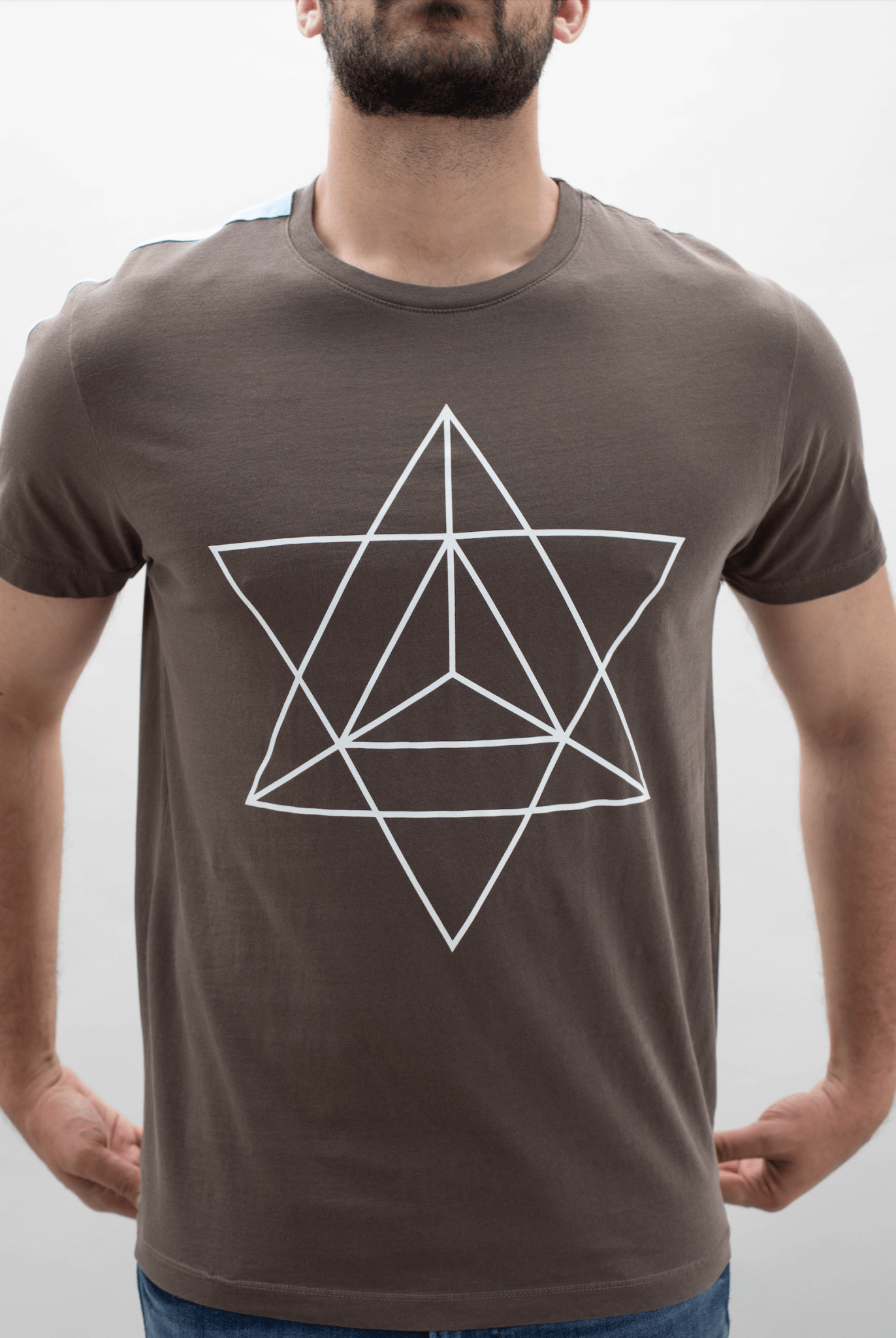
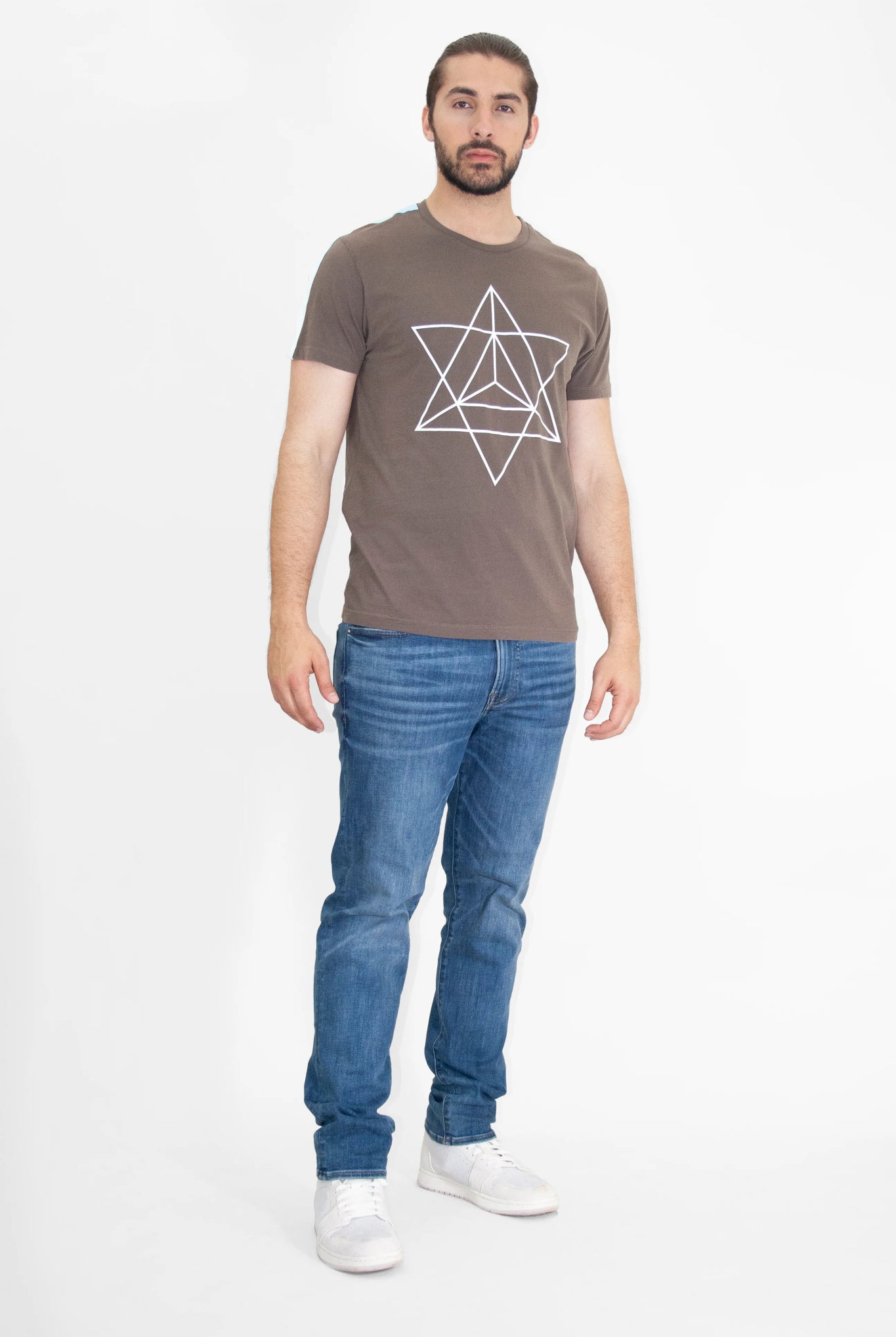
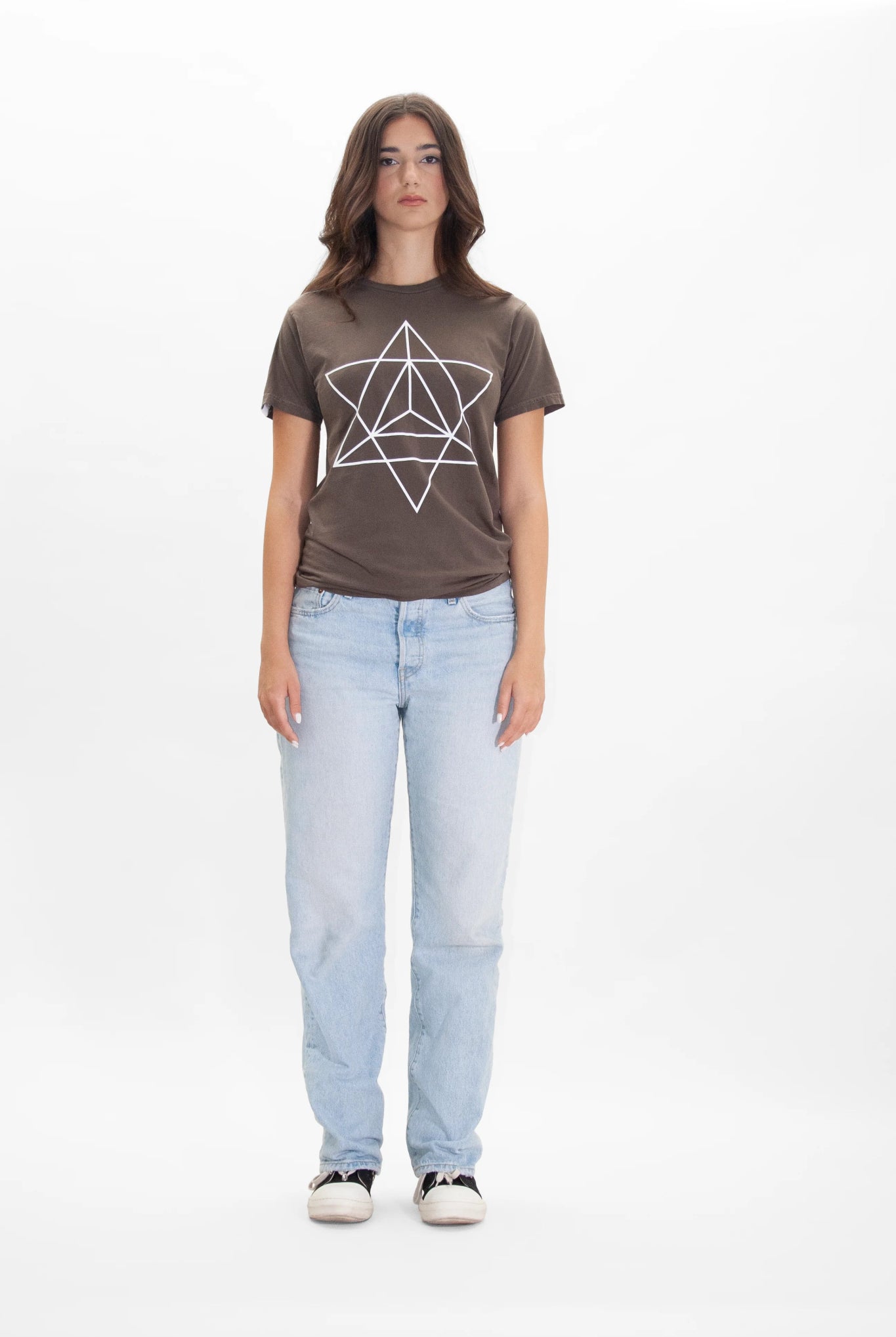
Take time to consider overall construction quality, care requirements, expected lifespan, and how often you will realistically wear the piece over its lifespan. Once you feel empowered to assess these claims, we invite you to explore the GFL Organic Cotton Collection, where you can discover 100% organic cotton clothing crafted to honor both your physical vessel and the earth.
Frequently Asked Questions About Organic Cotton
-
Organic cotton is cotton grown under certified organic agricultural standards that prohibit most synthetic pesticides and genetically modified (GMO) seeds.
-
Organic cotton does not automatically mean non-toxic clothing. Organic certification applies to the farming of the fiber, but conventional dyes, finishes, and chemical washes can still be added during manufacturing of the final piece.
-
Yes, non-toxic activewear can be made from organic cotton. However, organic cotton content alone does not establish that the finished activewear is non-toxic because other fibers, dyes, finishes, and treatments may also be used.
-
No. Organic cotton is not necessarily completely pesticide-free. Organic farmers may use approved inputs to manage pests under organic production standards.
-
You can verify an organic cotton claim by looking for the specific certification or standard named on the label, such as the USDA Organic seal or the Global Organic Textile Standard (GOTS), and by checking the fiber percentage required by the FTC.
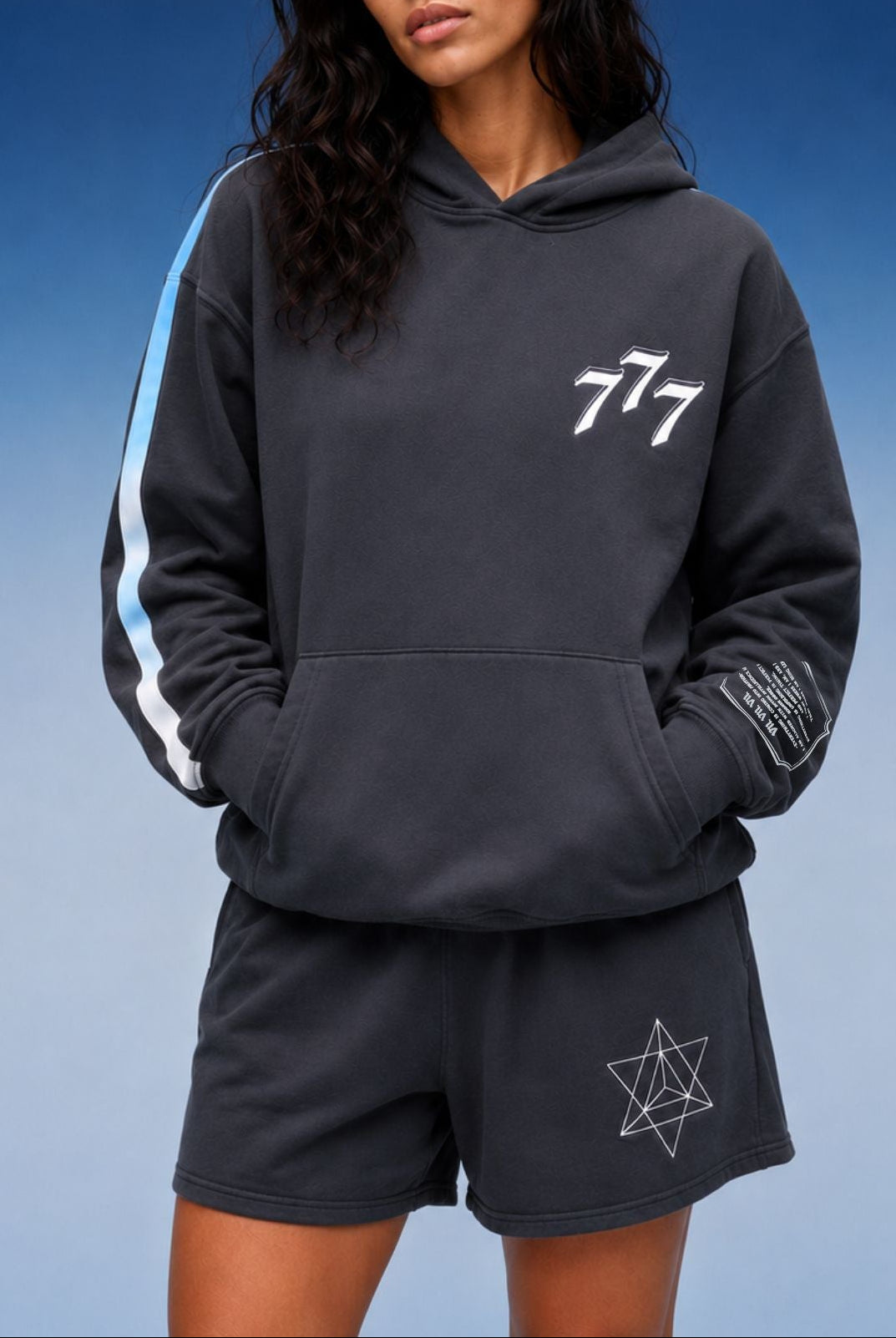





















































What the Organic Cotton Label Really Tells You
Ultimately, an organic cotton label tells you that the raw material was grown under a certified agricultural framework with meaningful environmental standards. Organic cotton is a certified agricultural and fiber claim, but it is not absolute proof of every possible safety or sustainability benefit for the finished garment.
We invite you to apply this label-reading guidance to your wardrobe and to explore GFL’s organic cotton clothing to find pieces that truly elevate your daily life.
Published
Updated
More in the Galactic Archives | GFL
What Is Higher Consciousness?
What is higher consciousness? Explore its meaning, signs, spiritual growth, meditation practices, and ways to cultivate greater awareness.